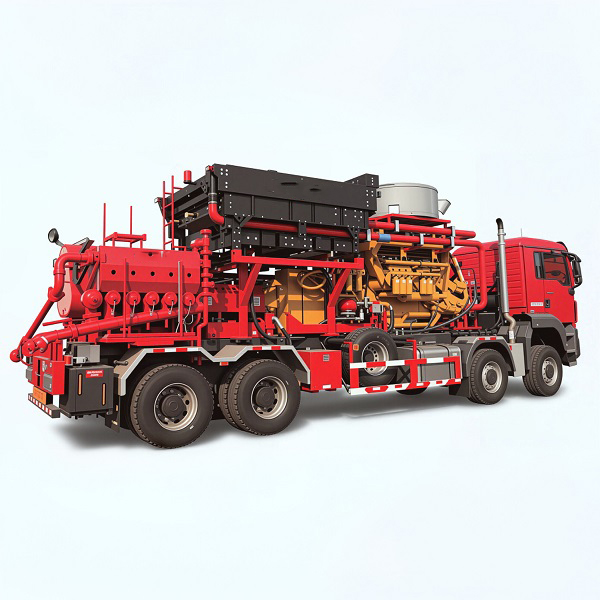
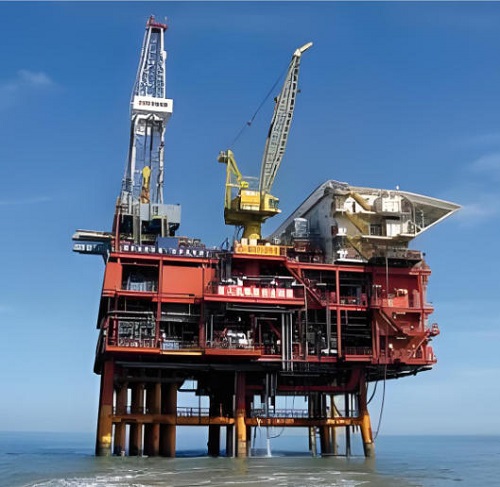
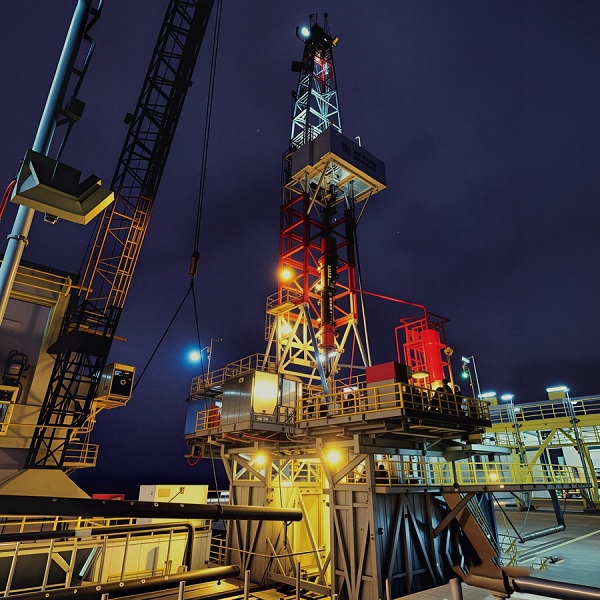
What is an oil drilling rig
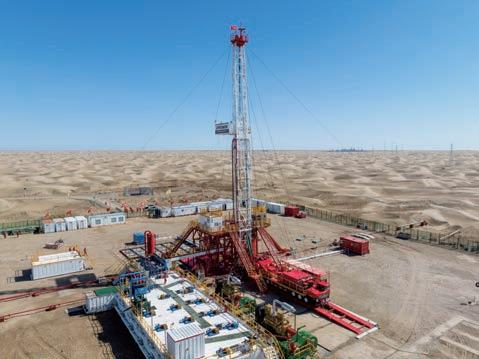
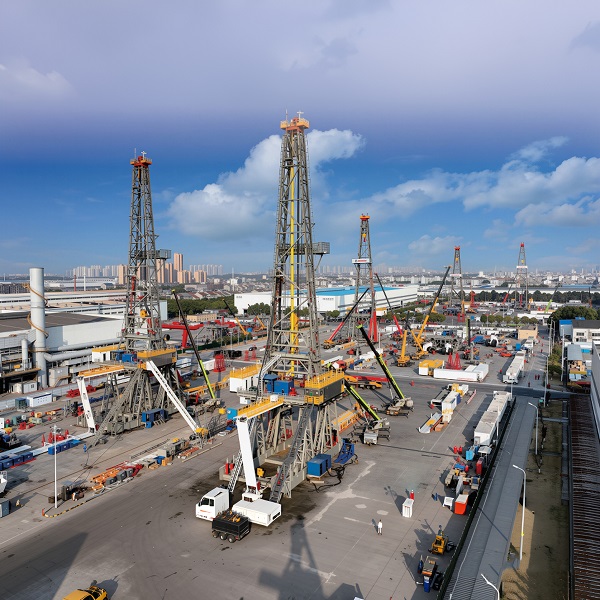
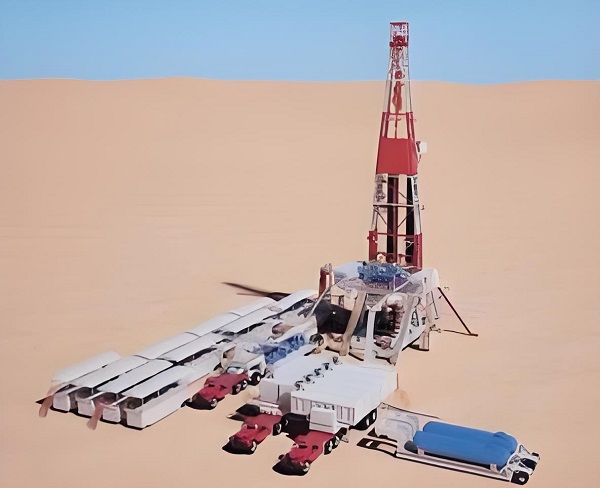
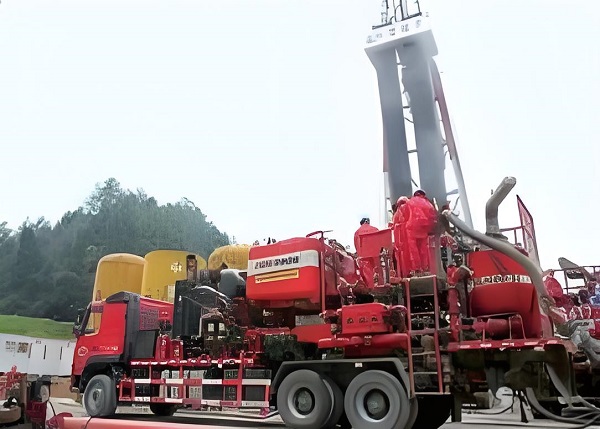
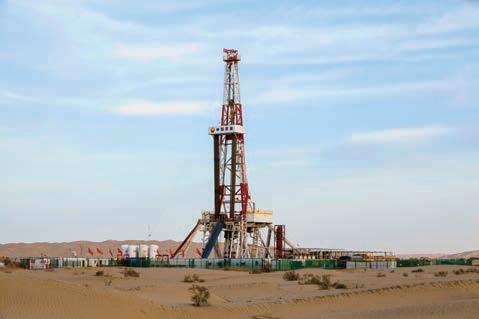
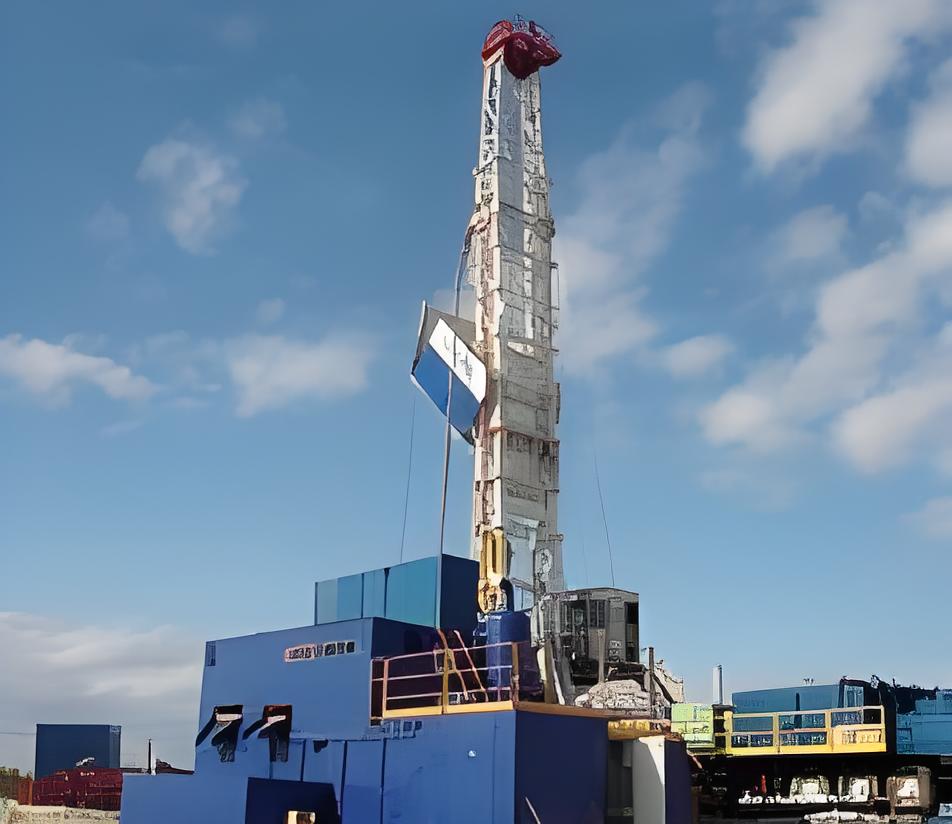
Types of Oil Drilling Rigs – Classification by Mobility & Environment
By Mobility
| Type | Description | Typical Depth | Best For |
|---|---|---|---|
| Land skid rig | Modular, pin‑connected, crane required | 3,000‑12,000m | Deep wells, long‑term campaigns |
| Land trailer‑mounted (BE series) | Crane‑free, hydraulic self‑erecting | 3,000‑5,000m | Fast‑move campaigns, US shale, Middle East |
| Walking rig | Hydraulic walking between wellheads | 4,000‑7,000m | Cluster pads (10‑30 wells) |
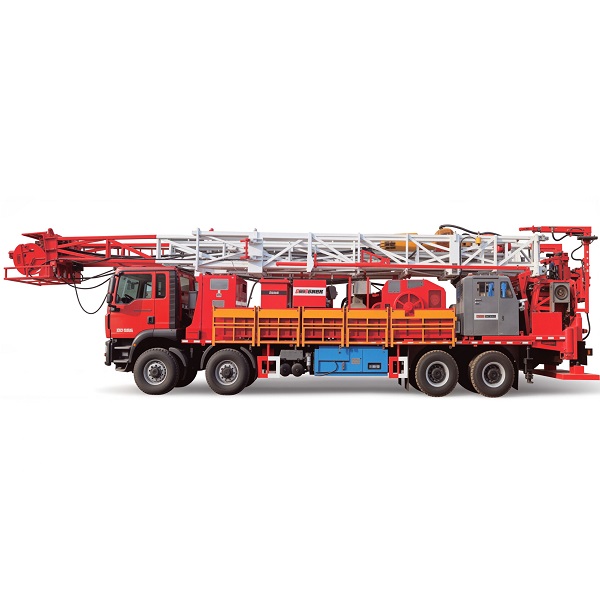
| Truck‑mounted | Self‑propelled on road chassis | 1,000‑3,000m | Workover, shallow drilling, remote roads |
| Containerized rig | ISO box modules, heli‑portable | 1,000‑5,000m | Jungle, arctic, fly‑in fly‑out |
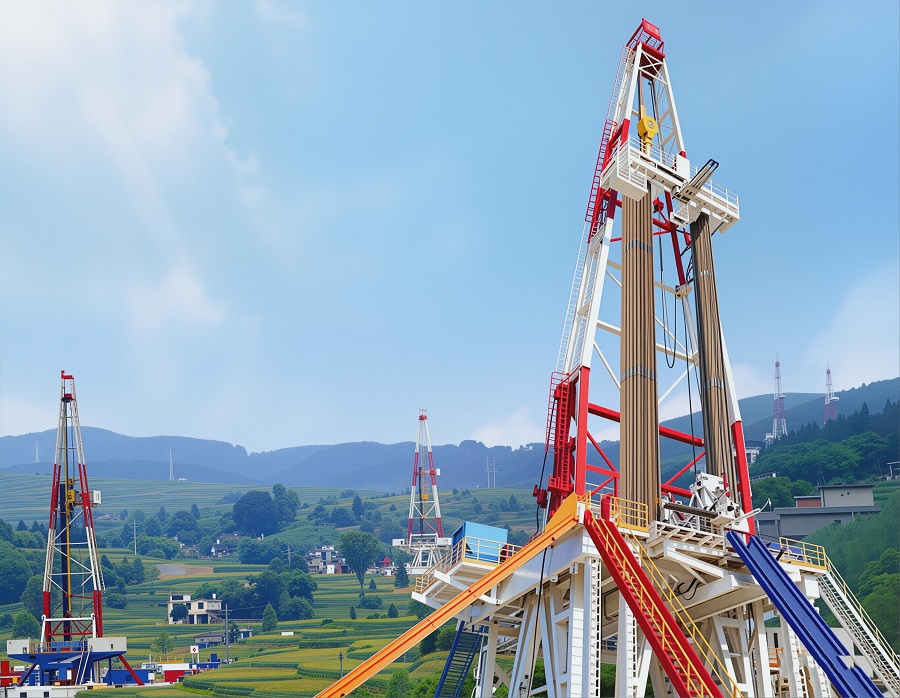
By Environment
| Type | Operating Range | Key Features |
|---|---|---|
| Desert rig | 0°C to +55°C | Sand‑sealed, oversized cooling, pressurized cabins |
| Arctic rig | -45°C to +45°C | Low‑temp steel, heated hydraulics, block heaters, GOST |
| Offshore rig | -20°C to +45°C | Marine coatings, ATEX, ABS/DNV, compact layout |
| Standard rig | -20°C to +50°C | General purpose, most cost‑effective |
By Drive System
| Type | Efficiency | Automation Ready | Cost |
|---|---|---|---|
| Mechanical | Low | No | Low |
| SCR (DC) | Medium | Limited | Medium |
| AC VFD | High | Yes | Higher (but lower lifetime cost) |
Technical Specifications – Representative Drilling Rigs
| Model | Depth (m) | Hook Load (kN) | Drawworks (HP) | Drive | Modules | Rig‑Up Time |
|---|---|---|---|---|---|---|
| ZJ30 | 3,000 | 1,700 | 600‑1,000 | Mech / SCR / VFD | 6‑8 | 3‑5 days |
| ZJ40 | 4,000 | 2,250 | 1,000‑1,500 | Mech / SCR / VFD | 7‑9 | 4‑6 days |
| ZJ50 | 5,000 | 3,150 | 1,500‑2,000 | VFD | 8‑10 | 5‑7 days |
| ZJ70 | 7,000 | 4,500 | 2,000‑2,500 | VFD | 9‑11 | 6‑9 days |
| ZJ90 | 9,000 | 6,750 | 3,000‑4,000 | VFD | 12‑14 | 8‑12 days |
| ZJ120 | 12,000 | 9,000 | 4,000‑6,000 | VFD | 14‑16 | 10‑14 days |
All models: API 4F, 7K, 8C, Q1 certified. Modular transport, pin‑connected. Top drive compatible. Walking system available on ZJ50‑ZJ90.
Applications – Where Oil Drilling Rigs Are Used
Oil drilling rigs are used across the entire lifecycle of hydrocarbon extraction, from exploration to production and well intervention.
| Application | Typical Depth | Rig Type Recommended |
|---|---|---|
| Exploration drilling | 2,000‑9,000m | Skid rig (ZJ50‑ZJ90) |
| Development drilling (conventional field) | 2,000‑5,000m | Skid rig (ZJ40‑ZJ50) |
| Shale gas / tight oil pad drilling | 3,000‑5,500m | Walking rig (ZJ50‑ZJ70) |
| Workover / well repair | 1,000‑3,000m | Truck‑mounted or trailer‑mounted |
| Offshore platform infill | 3,000‑7,000m | Offshore skid rig (ZJ50‑OS to ZJ90‑OS) |
| Arctic / permafrost drilling | 2,000‑6,000m | Arctic modular rig (ZJ40‑AR to ZJ70‑AR) |
| Desert deep gas | 4,000‑9,000m | Desert skid rig (ZJ50‑DT to ZJ90‑DT) |
| Geothermal wells | 1,000‑4,000m | Containerized or truck‑mounted |
Why Choose SJ Petro for Your Oil Drilling Rig Needs?
1. We Manufacture Complete Drilling Spreads – Not Just Rigs
Many suppliers offer drilling rigs but rely on third parties for mud pumps, BOPs, top drives, and solids control. SJ Petro manufactures or integrates the entire system – from the mast to the mud tank to the downhole tools. One contract, one engineering team, one warranty.
2. Backed by Sinopec – The World's Largest Oil Refiner
SJ Petro is a wholly‑owned subsidiary of Sinopec Oilfield Equipment Corporation, part of the Fortune Global 500 Sinopec Group. Sinopec drills thousands of wells annually, providing real‑world field data that improves every rig we build. This is not a "catalog engineering” company – this is a rig builder that also operates rigs.
3. API Certified – Accepted by Regulators Worldwide
All our drilling rigs are designed and manufactured to API 4F, 7K, 8C, Q1. Full documentation (material certs, weld maps, NDT reports, pressure tests) is provided. Third‑party inspection (ABS, DNV, BV, SGS) is welcome.
4. Field‑Proven Across Six Continents
Our rigs are operating in:
-
Middle East – Kuwait, Saudi Arabia, UAE
-
Russia – Siberia, Samara (11 arctic rigs for Rosneft)
-
North America – 75+ BE series rigs in the US
-
South America, Africa, Southeast Asia, Central Asia
5. Global Service & Support
-
24/7 remote diagnostics – Our engineers can log into your control system (with your permission) from anywhere.
-
Regional parts hubs – Dubai, Houston, Singapore stock common components.
-
On‑site training and commissioning – Included with every rig.
-
Field service – Available for emergency repairs and major overhauls.
6. Flexible Commercial Options
| Option | Term | Best For |
|---|---|---|
| Outright purchase | N/A | Long‑term operators |
| Operating lease | 12‑60 months | Contractors, multi‑year campaigns |
| Short‑term rental | 3‑12 months | Single wells, exploration |
| Fleet financing | Custom | 5+ rigs |
FAQ – Oil Drilling Rigs
Q1: What is the difference between a land drilling rig and an offshore drilling rig?
A: Land rigs are designed for onshore wells. They are transported by truck or trailer and assembled on a prepared pad. Offshore rigs are designed for platforms, jackups, or ships. They feature marine coatings, explosion‑proof electricals, and often motion compensation for wave movement. Their components are sized to fit through platform hatches and crane lifts.
Q2: How deep can a drilling rig drill?
A: Rig depth ratings range from 1,000 m for small truck‑mounted units to 12,000 m for ultra‑deep land rigs like our ZJ120. Depth rating depends on the rig's hook load capacity and the weight of the drill string. A typical 5,000 m rig (ZJ50) has a hook load of 3,150 kN (315 metric tons), which is sufficient for that depth with standard 4‑1/2″ drill pipe.
Q3: What is the difference between a mechanical drive and an AC VFD drive rig?
A: Mechanical – diesel engine drives the drawworks via clutch/gearbox. Lower upfront cost, but less precise control and no energy recovery. AC VFD – diesel generators produce AC power, which is converted to variable frequency to drive the drawworks motor. Provides infinite speed control, regenerative braking (energy feedback), and seamless integration with automation. Most modern rigs (ZJ50 and above) use AC VFD.
Q4: How long does it take to move a drilling rig from one wellsite to another?
A: It depends on the rig type and distance:
-
Trailer‑mounted BE series – 6‑12 hours rig‑down, road travel, plus 8‑16 hours rig‑up.
-
Modular skid rig (ZJ50) – 3‑4 days disassembly, transport, plus 5‑7 days reassembly.
-
Walking rig (on same pad) – 24‑48 hours between wellheads without dismantling.
Q5: Do I need a crane to assemble a drilling rig?
A: For standard modular skid rigs, yes – a crane is required to lift modules from transport trucks onto the wellsite foundation. For our BE series (trailer‑mounted), no crane is needed – the mast and substructure are raised hydraulically from the trailers. For containerized rigs, a small crane or A‑frame may be used.
Q6: What safety systems are on a modern drilling rig?
A: Modern rigs include:
-
BOP (blowout preventer) – Emergency well sealing.
-
ESD (emergency shutdown) – Hardwired and PLC‑based.
-
Crew alarm systems – Audible and visual.
-
Light curtains and motion detection – In automated pipe handling zones.
-
Fall protection – Guardrails, harness attachment points.
-
Gas detection – H₂S and combustible gas sensors.
Q7: How do I choose the right drilling rig for my project?
A: Consider:
-
Target depth – Rig depth rating must exceed planned total depth by 20‑30%.
-
Casing program – Heavy casing requires higher hook load.
-
Environment – Desert, arctic, offshore, or standard.
-
Number of wells – For 10+ wells on a pad, a walking rig saves move time.
-
Logistics – Road limits, crane availability, heli access.
-
Budget – Purchase vs. lease, upfront vs. lifetime cost.
Our engineers can help you select the optimal rig based on your specific well plan – free of charge.
Q8: What is the typical lifespan of an oil drilling rig?
A: With proper maintenance, a land drilling rig can operate for 20‑30 years. Major components (drawworks, top drive, mud pumps) may need overhaul or replacement after 10‑15 years. SJ Petro supports rigs for decades, providing spare parts and engineering support for legacy models.