Technical Specifications
The table below covers our most common oil drilling fire suppression equipment packages. Custom designs are available for specific rig layouts and fire risk assessments.
Deluge System (Rig Floor – Foam/Water)
|
Parameter
|
SJ‑DEL‑500
|
SJ‑DEL‑1000
|
SJ‑DEL‑2000
|
SJ‑DEL‑5000
|
|
Coverage Area (sq ft)
|
500
|
1,000
|
2,000
|
5,000
|
|
Design Density (GPM/sq ft)
|
0.16 (foam) / 0.25 (water)
|
Same
|
Same
|
Same
|
|
Total Flow Rate (GPM)
|
80–150
|
160–300
|
320–600
|
800–1,500
|
|
Foam Concentrate Tank (gal)
|
200
|
500
|
1,000
|
2,000
|
|
Number of Nozzles
|
12–20
|
25–40
|
50–80
|
120–200
|
|
Actuation Type
|
Hydraulic or electric solenoid
|
Hydraulic/electric
|
Electric + backup
|
Electric + backup
|
|
Water Supply Requirement
|
100 GPM @ 100 psi
|
200 GPM
|
400 GPM
|
1,000+ GPM
|
Clean Agent System (Novec 1230 / FM‑200)
|
Parameter
|
SJ‑CLEAN‑500
|
SJ‑CLEAN‑1000
|
SJ‑CLEAN‑2000
|
|
Protected Volume (cu ft)
|
500
|
1,000
|
2,000
|
|
Agent Type
|
Novec 1230 (preferred) or FM‑200
|
Same
|
Same
|
|
Agent Quantity (lbs)
|
45–60
|
90–120
|
180–240
|
|
Discharge Time (sec)
|
≤ 10
|
≤ 10
|
≤ 10
|
|
Cylinders
|
1× 50 lb
|
2× 50 lb or 1× 125 lb
|
4× 50 lb or 2× 125 lb
|
|
Detection
|
Dual‑zone (heat + smoke)
|
Dual‑zone
|
Triple‑zone (heat/smoke/flame)
|
|
Hold Time (minutes)
|
15
|
15
|
20
|
CAFS Skid Unit (Compressed Air Foam)
|
Parameter
|
SJ‑CAFS‑200
|
SJ‑CAFS‑500
|
SJ‑CAFS‑1000
|
|
Foam Solution Flow (GPM)
|
50–200
|
100–500
|
200–1,000
|
|
Air Compressor (CFM @ 150 psi)
|
150
|
350
|
700
|
|
Foam Tank (gal)
|
200
|
500
|
1,000
|
|
Water Pump Type
|
Centrifugal, diesel drive
|
Centrifugal, diesel/electric
|
Centrifugal, dual drive
|
|
Expansion Ratio (typical)
|
10:1 to 20:1
|
Same
|
Same
|
|
Trailer or Skid
|
Skid (2,000 lbs)
|
Trailer
|
Trailer or containerized
|
Fire Detection Control Panel
|
Parameter
|
SJ‑FACP‑16
|
SJ‑FACP‑32
|
SJ‑FACP‑64
|
|
Addressable Zones
|
16
|
32
|
64
|
|
Input Types
|
Heat, smoke, UV/IR flame, manual pull
|
Same
|
Same + gas (H₂S, CH₄)
|
|
Outputs
|
8 relays (water deluge, agent release, ESD)
|
16 relays
|
32 relays + Modbus TCP
|
|
Backup Battery
|
24 hrs standby, 30 min alarm
|
Same
|
48 hrs standby
|
|
Enclosure Rating
|
NEMA 4X / IP66
|
NEMA 4X
|
NEMA 4X + Ex certified
|
|
Certifications
|
UL 864, EN 54
|
Same + ATEX
|
Same + ABS
|
Applications
Oil drilling fire suppression equipment from SJ is used across the full spectrum of rig types and high‑risk drilling areas:
1. Land Drilling Rigs (Conventional & AC)
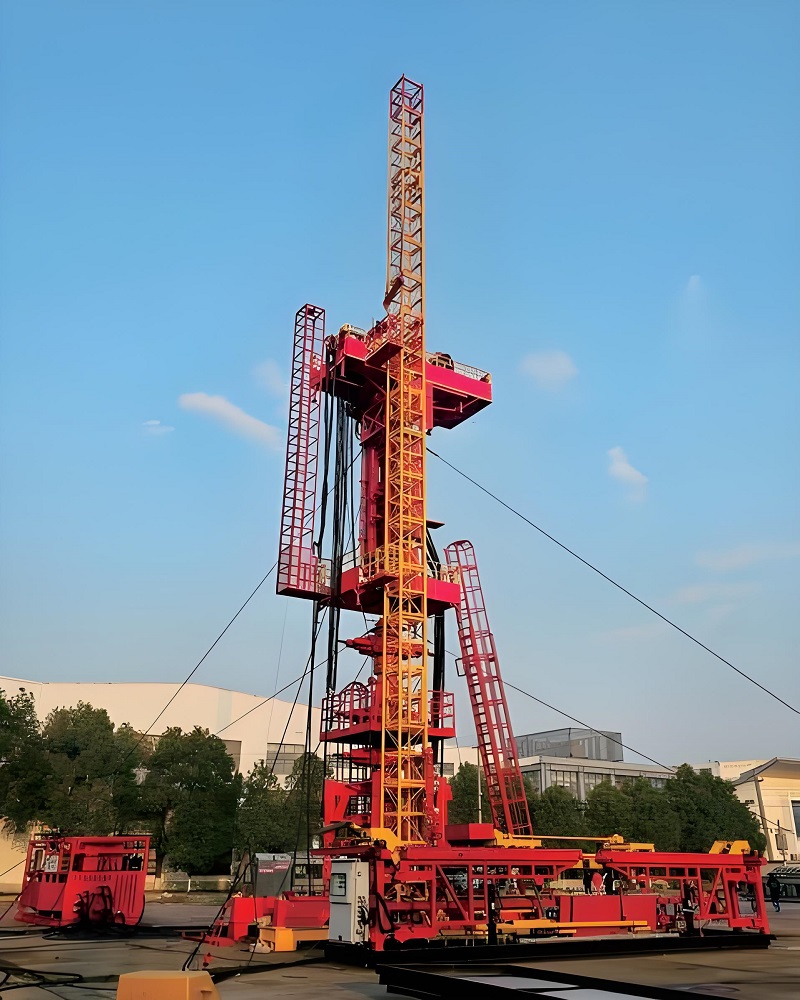
Every land rig – from small workover units to 3,000 HP deep drilling rigs – needs fire protection for the rig floor, engine house, generator sets, fuel storage, and mud tanks. Our modular deluge systems are designed to fit the typical layout of a land rig substructure.
2. Offshore Jack‑Up Platforms
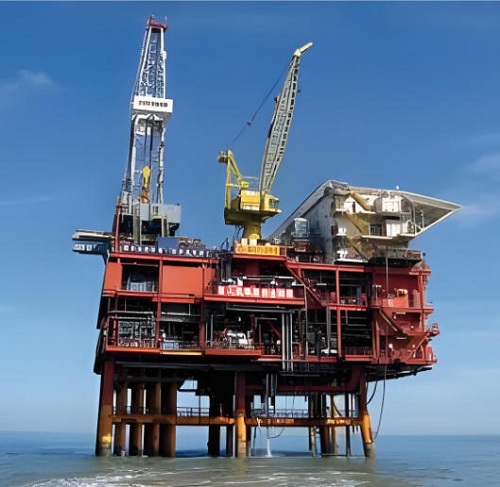
Jack‑ups have cramped deck space, saltwater corrosion, and strict SOLAS requirements. Our fire suppression systems are compact, marine‑grade coated, and certified for ABS/DNV classification. Automatic water mist systems are popular for machinery spaces.
3. Offshore Semi‑Submersibles & Drillships
Deepwater rigs have the most complex fire risks – moonpool area (BOP and riser), thrusters, engine rooms, accommodation modules, and dynamic positioning equipment. We supply integrated systems with central fire control panel and redundant water supplies (seawater lift from each hull).
4. Well Testing & Production Facilities
Temporary well testing setups (separators, flare booms, surge tanks) require portable suppression equipment – usually CAFS skids and wheeled extinguishers. Our rental fleet covers short‑term projects.
5. Mud Logging & Wireline Units
Small enclosures with sensitive electronics need clean agent systems (Novec 1230) that won’t damage computers or gas chromatographs. Our SJ‑CLEAN‑500 is popular for this application.
6. Hydraulic Power Units (HPUs) & Mud Pump Rooms
High‑pressure hydraulic fluid and diesel fuel create Class B fire hazards. We recommend localized deluge or high‑pressure water mist with automatic detection tied to engine shutdown.
7. Fuel & Chemical Storage Areas
Frac tanks, diesel tanks, methanol storage, and acid totes all need fire protection – typically foam deluge with remote manual release. Explosion‑proof lighting and alarms are mandatory.
8. Helidecks (Offshore)
Helidecks have specific fire suppression requirements from CAP 437 and ICAO. We provide foam‑water deluge systems with remote release from the control room, plus hand‑laid foam monitors.
Product Types & Models
We offer a complete range of oil drilling fire suppression equipment, from individual extinguishers to fully engineered turnkey systems:
|
Product Category
|
Series / Models
|
Key Application
|
|
Rig Floor Foam Deluge
|
SJ‑DEL‑500 to 5000
|
Land/offshore rig floor, shaker house, mud tanks
|
|
Water Mist System
|
SJ‑WM‑500 to 2000
|
Offshore machinery spaces, generator rooms
|
|
Clean Agent (Novec 1230)
|
SJ‑CLEAN‑500/1000/2000
|
Control rooms, VFD cabinets, computer servers
|
|
Compressed Air Foam (CAFS)
|
SJ‑CAFS‑200/500/1000
|
Wellhead fires, mud gas separators, tank farms
|
|
Fire Detection Panel
|
SJ‑FACP‑16/32/64
|
Central monitoring for all zones
|
|
Portable Extinguishers
|
Dry chem, CO₂, foam (2–150 lb)
|
Rig floor, pipe rack, walkways
|
|
Wheeled Extinguishers
|
150–350 lb dry chem/foam
|
Wellhead, fuel storage, flare pit
|
|
Fire Water Pump Skid
|
Electric + diesel (500–2,500 GPM)
|
Main water supply for deluge
|
|
Rental Systems
|
Short‑term CAFS, extinguishers, detection
|
Well testing, temporary workover
|
OEM / Custom:
-
Build to your rig’s specific fire risk assessment (NFPA 15/16/2001)
-
Integrate with existing rig control systems (HMI, PLC, ESD)
-
Your branding, labeling, and certification requirements
Why Choose SJ Petroleum Machinery?
1. Sinopec‑Owned – Rigorous Internal Standards
SJ is a wholly owned subsidiary of Sinopec. Our fire suppression equipment must meet Sinopec’s own safety standards – among the strictest in the industry. You’re not buying from a generalist fire protection distributor; you’re buying from a drilling equipment manufacturer that uses the same systems on its own rigs.
2. Designed for the Drilling Environment – Not Factories
Generic fire suppression systems from commercial suppliers often fail on rigs – vibration loosens pipe fittings, salt corrodes detectors, low‑temperature ratings aren’t adequate. Every component we supply is ruggedized for drilling: 5G vibration resistance, -40°C to +60°C operating range, explosion‑proof enclosures, and marine coatings.
3. Full Compliance with NFPA, SOLAS, API, & ATEX
We design to:
-
NFPA 11 (low/medium/high expansion foam)
-
NFPA 15 (water spray fixed systems)
-
NFPA 16 (foam‑water sprinklers)
-
NFPA 2001 (clean agent systems)
-
SOLAS Chapter II‑2 (offshore)
-
API RP 53 (BOP & well control equipment fire protection)
-
ATEX / IECEx (hazardous area electrical components)
4. End‑to‑End Engineering – Detection to Discharge
Many fire protection companies sell you cylinders and nozzles, but you’re left to figure out detection zoning and control panel programming. SJ provides complete engineered solutions: we survey your rig, model fire scenarios, size pump and tank, specify detector placement, program the control logic, and test the whole system before delivery.
5. Shorter Lead Times & Cost‑Effective Pricing
Typical lead time for a deluge system: 8–12 weeks. Clean agent system: 6–8 weeks. Custom skids: 12–16 weeks. That’s 30–50% faster than Western brands. Pricing is typically 20–35% lower, with no compromise on NFPA compliance.
6. Global Certification & Documentation
We supply full documentation for every system:
-
Hydraulic calculations (NFPA 13/15)
-
Component datasheets (UL/FM approved)
-
Control panel wiring diagrams
-
Factory acceptance test (FAT) report
-
ATEX/IECEx certificates for all Ex components
-
ABS/DNV/Lloyd’s classification upon request
7. Installation & Commissioning Support
We offer optional field services: our technicians can supervise installation on your rig (anywhere in the world), commission the system, train your crew, and conduct live discharge tests (using water or test gas) – all documented with a final acceptance certificate.
8. Spare Parts & Annual Maintenance
Fire suppression systems must be maintained. We stock spare detection heads, solenoid valves, nozzle caps, and agent cylinders at regional hubs. We also offer annual inspection contracts compliant with NFPA 25 – our technicians visit your rig or remote site to inspect, test, and recertify the system.
Frequently Asked Questions (FAQ)
Q1: What’s the best suppression agent for a drilling rig floor?
It depends on your primary fuel. For diesel, hydraulic oil, and crude oil spills, low‑expansion AFFF foam is the standard (NFPA 11). It floats on the fuel, seals vapors, and cools. For three‑dimensional fires (spray leaks), water mist is more effective – it absorbs heat and displaces oxygen. Our recommendation: dual‑agent system (foam for pool fires, water mist for spray fires) on the rig floor. For most land rigs, foam deluge alone is sufficient and more cost‑effective.
Q2: How often does fire suppression equipment need to be inspected?
Per NFPA 25:
-
Portable extinguishers: Monthly visual inspection, annual maintenance, 6‑year hydrostatic test, 12‑year internal examination.
-
Deluge & sprinkler systems: Weekly pump churn test, quarterly flow test, annual full function test.
-
Clean agent systems: Semi‑annual inspection of cylinders and pressure gauges, annual weigh test (loss >5% requires refill), 6‑year hydrostatic.
-
Detection panels: Quarterly battery load test, annual sensitivity check of detectors.
SJ can provide an inspection schedule and on‑site service for all systems we supply.
Q3: Can your system be integrated with the rig’s existing fire alarm?
Yes. Our SJ‑FACP control panel communicates with most major rig fire alarm systems via dry contacts, Modbus RTU, or Ethernet/IP. We can also replace an outdated panel entirely. Tell us your current system brand and model, and we’ll confirm compatibility.
Q4: What’s the difference between Novec 1230 and FM‑200?
Both are clean agents (no residue, electrically non‑conductive). Novec 1230 has a lower global warming potential (1 vs 3,500 for FM‑200) and is allowed in more jurisdictions. FM‑200 has been around longer and may be easier to recharge in remote locations. We recommend Novec 1230 for new installations, but can supply either. Both are safe for occupied spaces at design concentration.
Q5: Do you offer fire suppression for walkways, living quarters, and galley?
Yes. For accommodation areas, we supply wet pipe sprinkler systems (water only) with heat‑activated glass bulb heads (135°F, 155°F, 200°F). These are low‑cost, reliable, and meet SOLAS requirements. The same pump skid feeds both rig floor deluge and living quarters sprinklers.
Q6: What’s your lead time for a complete rig fire suppression package (deluge, clean agent, detection, pump skid)?
A full system for a standard land rig (e.g., 2,000 HP rig) typically requires 12–16 weeks from order to shipment (including engineering, fabrication, testing). Offshore rigs require 16–24 weeks due to additional marine certification and saltwater corrosion protection. Expedited options (8–12 weeks) are available for urgent projects.
Tag: Vertical rig manufacturers | Offset rig specifications | Synchronous rig specifications | Synchronous rig price | High efficiency synchronous rigs | Vertical rig structure | Desert specific rig | Desert rig manufacturers