
Products
Lubricators
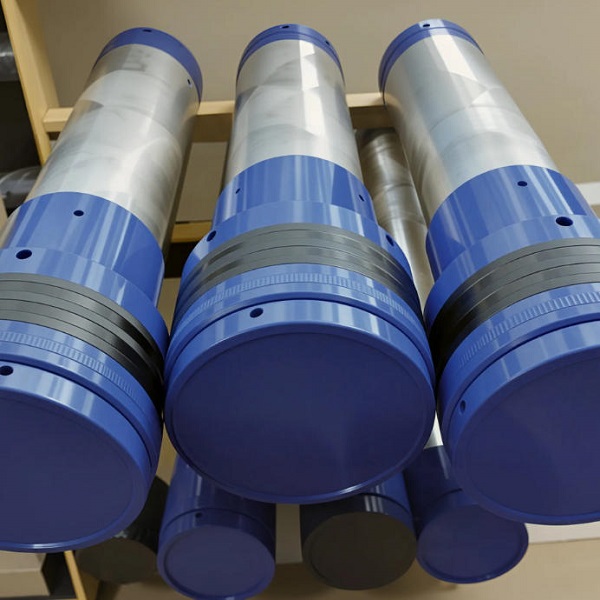
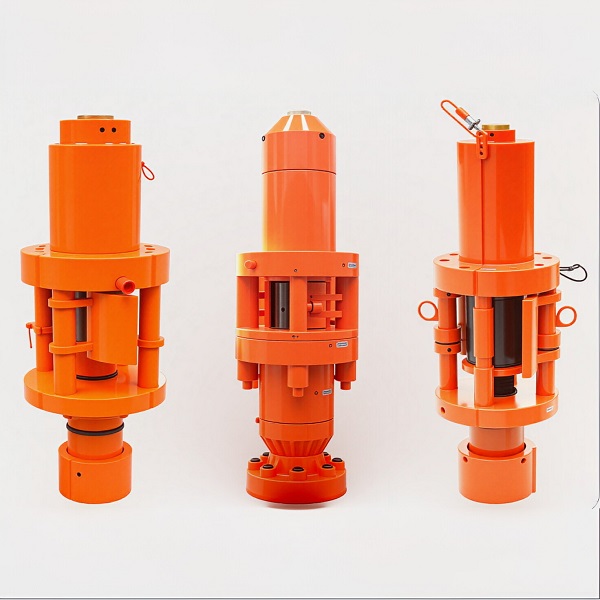
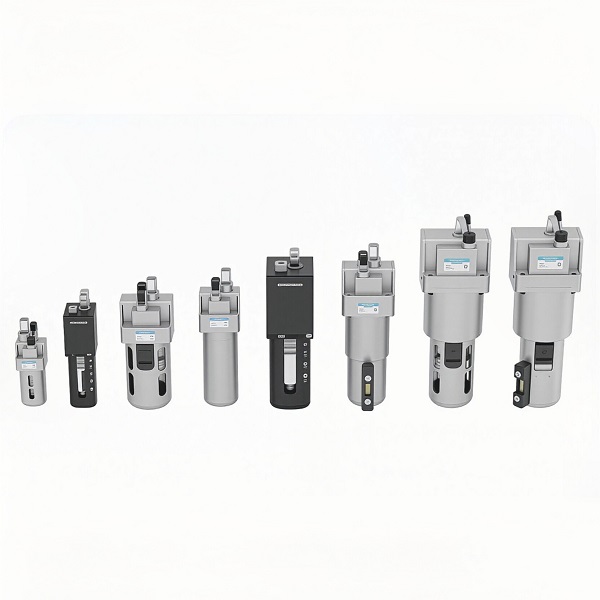
Technical Specifications – Lubricators & Accessories
| Parameter | Manual Lubricator (Standard) | Mini Manual Lubricator | Pneumatic Lubricator | Check Valve Fitting |
|---|---|---|---|---|
| Max Output Pressure | 105 MPa (15,000 psi) | 70 MPa (10,000 psi) | 105 MPa | 140 MPa (rating) |
| Reservoir Capacity | 500 cc | 200 cc | 2–10 liters | N/A |
| Displacement per Stroke | 3–5 cc (adjustable) | 2 cc | Continuous (air controlled) | N/A |
| Flow Rate (max) | 1–2 L/min (intermittent) | 0.5 L/min | Up to 5 L/min (continuous) | N/A |
| Input Power | Manual (hand lever) | Manual | 0.4–0.8 MPa air, 200 L/min | N/A |
| Outlet Connection | 1/4″ NPT female | 1/8″ NPT female | 1/4″ NPT female | 1/8″ or 1/4″ NPT male/female |
| Pressure Gauge | 0–140 MPa (2.5″ dial) | No gauge (optional) | 0–140 MPa | N/A |
| Operating Temperature | -20°C to +50°C | -20°C to +50°C | -10°C to +50°C | -46°C to +180°C (material dependent) |
| Weight (empty) | 4.5 kg | 1.8 kg | 12–25 kg (depending on reservoir) | 0.1–0.3 kg |
| Material | Steel / Brass | Aluminum / Brass | Steel / Stainless Steel | Stainless steel / Steel |
| Seal Material | Nitrile (standard), Viton (high temp) | Nitrile | Nitrile | PTFE / Nitrile (check valve) |
| Sour Service Compatible | Yes (Viton seals) | Yes | Yes | Yes (NACE trim) |
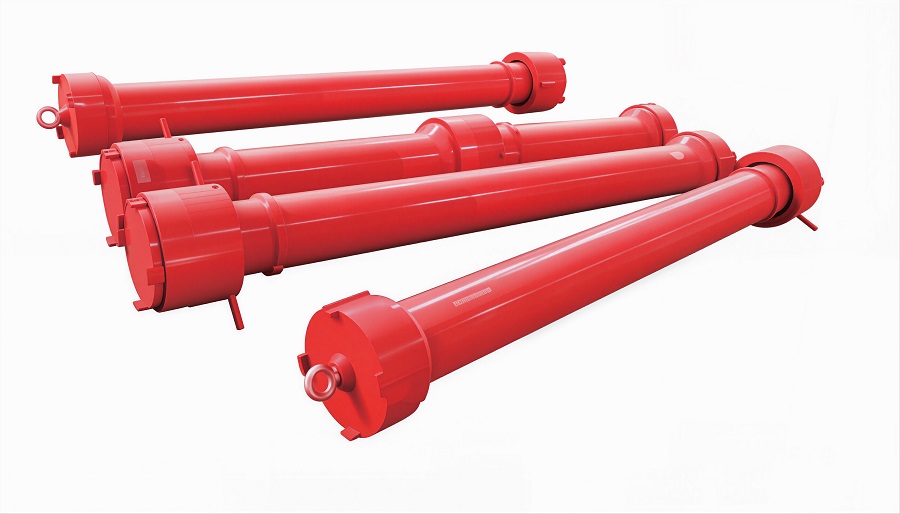
Applications – Where SJ Lubricators Are Used
| Application | Primary Lubricator Type | Why Needed |
|---|---|---|
| Drilling operations – plug valve lubrication | Manual hydraulic lubricator | Weekly lubrication of mud manifold and standpipe valves – prevents seizure from abrasive mud |
| Choke & kill manifold maintenance | Manual or pneumatic lubricator | Valves exposed to high pressure, sand-laden fluid – requires frequent grease injection to flush debris |
| Fracturing spreads – zipper manifolds | Pneumatic lubricator (high volume) | Hundreds of valves across multiple wells – manual lubrication too slow, pneumatic speeds maintenance between stages |
| Offshore platform valve servicing | Mini manual lubricator | Tight access around wellheads – compact tool fits in confined spaces |
| Wellhead and Christmas tree valves | Check valve fitting + manual lubricator | Permanent fittings allow quick connection for routine lubrication without removing plugs |
| Cementing operations | Manual lubricator | Pre-job and post-job lubrication of plug valves to remove cement residue |
| Remote well sites (no air supply) | Manual hydraulic lubricator | Self-contained, no external power required |
| Centralized valve lubrication systems | Skid-mounted electric grease pump | Large manifolds with 20+ valves – automated lubrication from a central station |
| Sour gas fields (H₂S) | Manual lubricator with Viton seals + NACE check valves | Standard lubricants and seals degrade in H₂S – SJ provides compatible materials |
Product Types – Detailed Breakdown
Type 1: Manual Hydraulic Lubricator (SJ‑LUB‑MAN‑105)
Our standard workhorse. Used daily by drilling crews and frac technicians worldwide.
Key features:
-
105 MPa output
-
500 cc grease reservoir (clear polycarbonate or steel tube)
-
Hydraulic intensifier – low handle effort, high output pressure
-
Built-in pressure gauge with protective rubber boot
-
Quick-connect outlet for high pressure hose or direct coupling
-
Replaceable seals (Nitrile or Viton)
Typical order quantity: 2–4 per rig or fracturing spread
Type 2: Mini Manual Lubricator (SJ‑LUB‑MINI‑70)
Compact version for tight spaces – offshore valve racks, wellhead cells, equipment skids.
Key features:
-
70 MPa output
-
200 cc reservoir (clear tube)
-
Direct thread to 1/8″ NPT injection ports (no hose needed for most applications)
-
No pressure gauge (optional gauge available as add-on)
-
Lightweight – fits in a coverall pocket
Typical order quantity: 1 per maintenance technician, plus spares
Type 3: Pneumatic Lubricator (SJ‑LUB‑PNEU‑105)
High-volume, continuous operation for large valve fleets.
Key features:
-
105 MPa output
-
2 to 10 liter reservoir (optional larger on request)
-
Air motor driven – requires 0.4–0.8 MPa, 200 L/min air supply
-
Adjustable output pressure (regulator on air supply)
-
Includes 5-meter high pressure hose and coupler
-
Wheeled cart available for mobility
Typical order quantity: 1 per large fracturing spread or central maintenance shop
Type 4: Check Valve Lubricator Fitting (SJ‑CV‑LUB)
Permanent installation on valve bodies. Stays in place between lubrication cycles.
Key features:
-
140 MPa pressure rating
-
Stainless steel or steel construction
-
Spring-loaded check valve (opens at 2–5 MPa injection pressure)
-
1/8″ or 1/4″ NPT male thread for valve body
-
1/8″ or 1/4″ NPT female thread for lubricator connection
-
Dust cap included
Typical order quantity: One per valve lubrication port (specify thread size)
Type 5: High Pressure Grease Hose & Coupler (SJ‑HOSE‑LUB)
For reaching valves in difficult locations – behind structures, above decks, or around equipment.
Key features:
-
105 MPa working pressure
-
2, 4, or 6 meter lengths
-
Steel-reinforced rubber hose (abrasion resistant)
-
Standard quick-connect coupler (compatible with SJ lubricators)
-
Optional swivel fitting at valve end for angled access
Typical order quantity: 1–2 per lubricator gun
OEM Customized Solutions – Built for Your Specific Valves & Access Constraints
No two valve layouts are identical. SJ offers custom lubricator solutions for unusual applications.
What we customize:
| Your Requirement | Our Solution |
|---|---|
| Non-standard injection port thread | Custom adapter fittings – NPT, BSP, metric, UNF – we match your valve’s port |
| Restricted access to valve | Extended reach hose (up to 10 meters) with right-angle coupler |
| Extreme temperature operation (-46°C) | Low-temperature seals and lubricants, special pressure gauge (non-freezing fluid) |
| High temperature operation (+180°C) | Viton or Kalrez seals, high-temperature lubricants, heat-shielded hose |
| Sour service (H₂S) | NACE-compatible seals (Viton or FKM), stainless steel or Monel fittings |
| Sanitary / food-grade requirements | 316L stainless steel construction, FDA-approved seals and lubricants |
| Remote lubrication system | Multi-port distribution block with individual check valves – one lubricator feeds multiple valves via selector valve |
| Automated lubrication (PLC-controlled) | Electric grease pump with programmable injection cycles, pressure feedback, and alarm outputs |
| Marine / offshore environment | C5-M coating, stainless steel external parts, salt-water resistant materials |
Custom lubricator design process:
Step 1 – Valve survey: You provide valve make, model, injection port thread size, and access constraints (photos help).
Step 2 – Adapter design: We design the required adapter or coupler – drawings for your approval.
Step 3 – Prototype (if needed): For unusual requirements, we build a sample unit for your testing.
Step 4 – Production: Custom lubricators or fittings manufactured on our standard production line.
Step 5 – Delivery: Small custom orders in 2–4 weeks.
Why Choose SJ Petroleum Machinery for Lubricators?
| Reason | What You Actually Gain |
|---|---|
| 40+ years of valve manufacturing experience | We don’t just sell lubricators – we build the valves that need them. We know exactly what pressure, volume, and grease type each valve requires. |
| In-house engineering | Our valve engineering team designs lubricators and fittings specific to SJ valves. But we also reverse-engineer for any other brand valve. |
| API certified components | Our check valve lubricator fittings are built to API 6A material standards – not commodity fittings. |
| Global spares availability | Replacement seals, pressure gauges, and hoses stocked in Houston, Dubai, and Singapore. |
| Field support | Our technical team can advise on lubrication schedules, pressure troubleshooting, and seal compatibility. |
| Sinopec group backing | Core equipment manufacturer of China Petrochemical Corporation. You’re buying from a 70+ year state-owned enterprise, not a trading company. |
| Cost-effective | Direct from manufacturer – no middleman markup. SJ lubricators typically cost 30–40% less than equivalent Western brands, with identical or better performance. |
Frequently Asked Questions (FAQ)
Q1: What is the difference between a regular grease gun and a high pressure lubricator?
A: A standard grease gun (manual or pneumatic) typically reaches 35–50 MPa (5,000–7,000 psi) maximum. A high pressure lubricator delivers up to 105 MPa (15,000 psi) – required to overcome injection port resistance, valve seat friction, and back pressure from wellbore fluid. Standard grease guns also lack positive displacement metering and may not have pressure gauges.
Q2: How often should I lubricate my plug valves?
A: Depends on service. Drilling mud manifolds: weekly minimum. Fracturing valves: after every frac stage (daily). Choke & kill valves: after each use. Refer to your valve manufacturer’s lubrication schedule. When in doubt, SJ recommends checking operating torque weekly – if turning force increases, lubricate.
Q3: Can I use any grease in an SJ lubricator?
A: Yes – SJ lubricators are compatible with all standard valve greases and sealants (NLGI grades 00 to 2). However, using the wrong grease (e.g., incompatible with seals, wrong temperature range) can damage your valves. We can recommend appropriate lubricants for your specific valve type and operating conditions.
Q4: What pressure should I see on the lubricator gauge during injection?
A: Normal injection pressure varies by valve size and temperature. Typical ranges:
-
2″ plug valve: 20–35 MPa
-
3″ plug valve: 35–50 MPa
-
4″ plug valve: 50–70 MPa
If pressure spikes above normal and no grease flows, the injection port is blocked – stop, clean the port. If pressure never builds, check for leaks or a failed check valve.
Q5: How do I know when the valve is fully lubricated?
A: Listen for a change in sound (grease flowing into cavity). Watch the pressure gauge – pressure drops as grease flows. Many technicians inject a measured volume (e.g., 10 strokes on a 5cc/ stroke lubricator = 50 cc). Check valve manufacturer specifications for grease cavity volume.
Q6: Are SJ lubricators compatible with [brand name] valves?
A: Yes – our lubricators and check valve fittings are designed for universal compatibility. Provide your valve’s injection port thread size and we’ll supply the correct adapter or coupler.
Q7: What is the shelf life of an SJ lubricator (no use)?
A: Indefinite if stored clean and dry. Seals may dry out after 5–7 years; replacement seal kits are available.
Q8: Do you offer training on proper lubrication techniques?
A: Yes – we can provide on-site or remote training covering:
-
Identifying blocked injection ports
-
Correct injection pressure and volume
-
Selecting the right grease for your service
-
Troubleshooting common lubricator problems (seal leaks, pressure loss)
Training available as part of valve maintenance courses.
Q9: What warranty do you offer?
A: 12 months from shipment. Pressure gauge: 6 months. Replacement seals: 90 days. Extended warranty not offered – these are consumable tools.
Tag:
