Low temp rig manufacturers
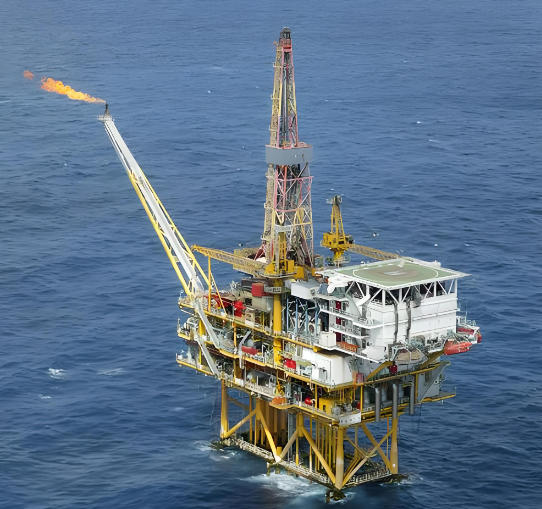
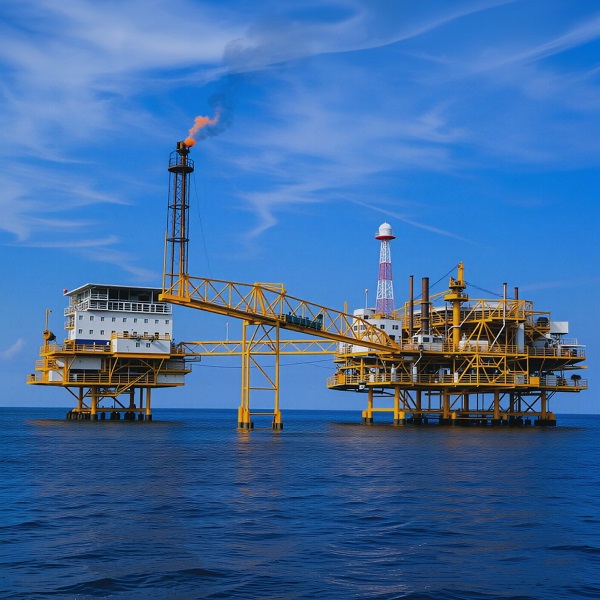
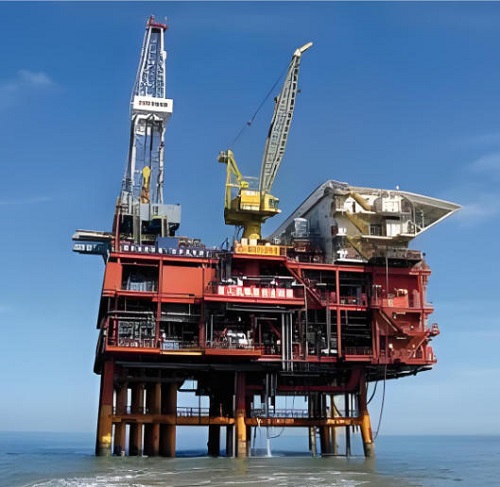
Technical Specifications – Low Temp Rigs Manufactured by SJ Petroleum
The table below shows representative specifications for low temperature drilling rigs we have delivered. All parameters are customizable.
| Parameter | ZJ40 Low Temp | ZJ50 Low Temp | ZJ70 Low Temp | ZJ90 Low Temp |
|---|---|---|---|---|
| Nominal depth (114mm DP) | 2,500 – 4,000 m | 3,500 – 5,000 m | 4,500 – 7,000 m | 6,000 – 9,000 m |
| Max hook load | 2,250 kN | 3,150 kN | 4,150 kN | 5,850 kN |
| Operating temperature | -45°C to +45°C | -45°C to +45°C | -45°C to +45°C | -45°C to +45°C |
| Storage temperature | -60°C | -60°C | -60°C | -60°C |
| Material impact test temp | -70°C | -70°C | -70°C | -70°C |
| Heating system | Steam + electric tracing + forced air | Steam + electric tracing + forced air | Steam + electric tracing + forced air | Steam + electric tracing + forced air |
| Drill floor heated temp | ≥0°C | ≥0°C | ≥0°C | ≥0°C |
| Drive system options | AC‑SCR‑DC / VFD | AC‑SCR‑DC / VFD | AC‑VFD‑AC | AC‑VFD‑AC |
| Certifications held | API + GOST + TR‑CU | API + GOST + TR‑CU | API + GOST + TR‑CU | API + GOST + TR‑CU |
| Configurations | Skid / Truck / Walking | Skid / Truck / Walking | Skid / Walking | Skid / Walking |
| Example delivered project | Rosneft (11 units) | Available for new build | Available for new build | Available for new build |
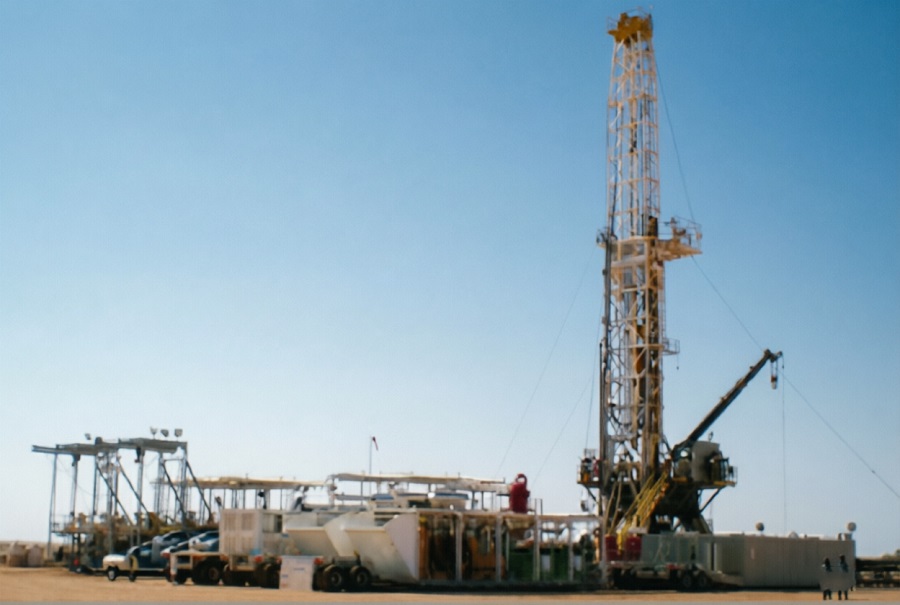
Application Areas – Where Low Temp Rigs Are Required
| Region | Typical Winter Low | Key Challenge | Why Low Temp Rig Needed |
|---|---|---|---|
| Western Siberia | -45°C | Continuous extreme cold, permafrost | Standard steel brittle; hydraulics freeze |
| Eastern Siberia (Yakutia) | -55°C possible | Harshest conditions, remote | Enhanced steel and redundant heating required |
| Russian Far East | -35°C to -40°C | Cold + marine environment | Corrosion‑resistant low‑temp materials |
| Northern Kazakhstan | -40°C | High wind chill | Insulation must account for wind |
| Northern Canada / Alaska | -45°C to -50°C | Remote logistics, strict environmental rules | API + Arctic standards; reliable spare parts chain |
| Northern Europe / Barents Sea | -30°C to -40°C | Offshore cold | DNV/ABS Arctic offshore packages |
Product Types – Low Temp Rig Configurations We Manufacture
1. Skid‑Mounted Low Temp Rig
-
Best for: Permanent or semi‑permanent Arctic land drilling
-
Advantage: Most stable, full insulation enclosure possible
-
Depth range: 3,000 – 9,000 m
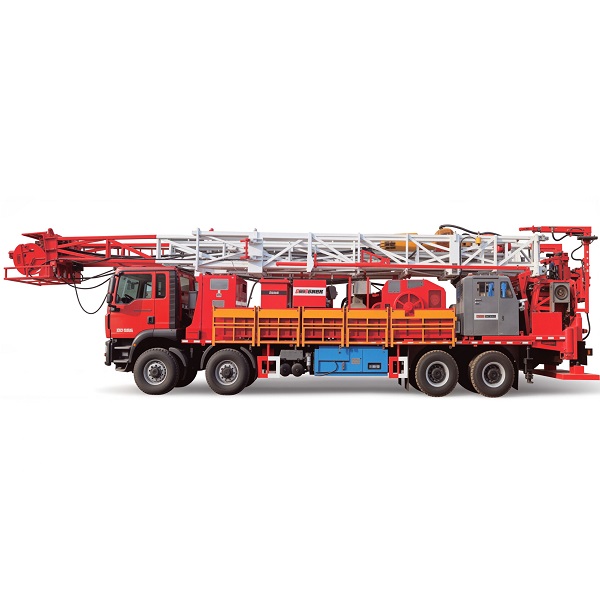
2. Truck‑Mounted Low Temp Rig
-
Best for: Exploration drilling, workover in remote cold regions
-
Advantage: Self‑propelled, reduces transport logistics in winter
-
Depth range: up to 4,000 m
-
Special: Heated chassis, cold‑rated tires, integrated winterization
3. Walking Rig (Hydraulic) – Low Temp Version
-
Best for: Cluster pads in permafrost areas
-
Advantage: Moves between wells without disassembly — less crew exposure to cold
-
Depth range: 3,000 – 7,000 m
-
Special: Cold‑rated hydraulic fluids, heated walking cylinders
4. Modular Offshore Low Temp Package
-
Best for: Arctic offshore platforms, jack‑up rigs
-
Advantage: Containerized modules, fits crane limits
-
Certification: API 4F + optional DNV / ABS Arctic class
-
Special: Corrosion + cold combined engineering
Why Choose SJ Petroleum as Your Low Temp Rig Manufacturer?
When you are comparing low temp rig manufacturers, here are the specific differentiators that matter.
1. Delivered 11 Low Temp Rigs to Rosneft – Verifiable Track Record
In 2017–2018, we completed a contract to design, manufacture, and deliver 11 ZJ40DB low temperature drilling rigs to Rosneft — Russia's largest national oil company. These rigs are operating today at -45°C in Siberian oilfields.
This project included:
-
Full GOST 12.2.141-99 compliance
-
TR‑CU certification for the Russian market
-
Material impact testing to -70°C
-
Steam and electric heating systems with redundancy
-
Factory acceptance testing witnessed by Rosneft engineers
No other Chinese manufacturer has delivered this many low temp rigs to a Russian state oil company. This is not a marketing claim — it is a verifiable fact. References available.
2. We Drafted China's National Low Temp Rig Design Standard
SJ Petroleum was one of the primary drafting units for China's national low‑temperature drilling rig design standard. We do not guess what works in the cold — we helped write the engineering rules that other manufacturers follow.
3. National‑Level Low‑Temperature Test Lab – In‑House
We operate a national‑level low‑temperature impact testing laboratory (accredited by CNACL). This lab:
-
Tests materials down to -70°C
-
Performs impact testing on base metals, heat‑affected zones, and weld metal
-
Provides traceable, auditable test reports
-
Eliminates outsourcing delays
Most low temp rig manufacturers cannot say they own their own -70°C test facility. We can.
4. Full Winterization – Engineered, Not Bolted On
Our winterization package is integrated from the first CAD drawing:
-
Steel selection: All critical components use low‑temperature steel
-
Heating systems: Steam tracing, electric tracing, and forced air – designed as three layers
-
Insulation: Full enclosures for drill floor, mud tanks, shakers, and control rooms
-
Redundancy: If one heating system fails, another maintains minimum temperatures
-
Arctic hydraulics: Synthetic fluids, heated reservoirs, low‑temp seals throughout
5. Dual Certification – API and GOST
We maintain API Spec Q1, 4F, 7K, 8C for international projects and GOST 12.2.141-99 plus TR‑CU for Russian/CIS markets. One manufacturer, two certification systems — no need to involve multiple suppliers.
6. Vertical Integration – We Build Critical Components In‑House
We manufacture our own:
-
Drawworks and gearboxes
-
Masts and substructures
-
Hydraulic walking systems
-
Control cabinets and VFD drives
-
High‑pressure manifolds
This means single‑source accountability for low‑temp modifications. No finger‑pointing between a mast supplier and a heating system supplier.
7. Global Service and Spare Parts for Cold‑Specific Components
Through Sinopec Oilfield Equipment International, we stock:
-
Low‑temperature hydraulic seals and hoses
-
Heating elements (steam and electric)
-
VFD cabinet heaters and thermostats
-
Arctic‑grade lubricants
-
Insulation panel repair materials
Parts can be air‑shipped to most Arctic locations within 5–7 business days.
8. Competitive Lead Times – 8 to 12 Months
Our 24‑position assembly yard and dedicated low‑temp rig production line allow us to deliver custom Arctic rigs in 8 to 12 months from order confirmation — including certification. The 11‑rig Rosneft order was delivered over 14 months, reflecting the scale and custom engineering required.
9. Factory Direct Pricing – No Broker Markup
As a Sinopec subsidiary manufacturer, we sell factory direct. You pay for engineering and materials — not for a distributor's margin. Volume discounts available for multiple rig orders.
Frequently Asked Questions (FAQ) – About Low Temp Rig Manufacturers
Q1: How do I evaluate low temp rig manufacturers before requesting a quote?
We recommend a four‑step evaluation:
-
Ask for delivered project references in cold climates — not just "we can do it,” but actual rigs operating at -40°C or lower.
-
Request documentation of low‑temperature material test reports (not just mill certificates).
-
Verify certifications — API is common; GOST or TR‑CU indicates genuine Russia/CIS experience.
-
Tour the factory (or request a live video tour) to see welding procedures, test lab, and winterization assembly.
SJ Petroleum passes all four checks. We encourage serious buyers to verify.
Q2: What is the difference between a "cold weather rig” and a "low temp rig”?
There is no universal definition, but in practice:
-
Cold weather rig: May include heaters and basic insulation. Often rated to -20°C or -30°C. Uses standard steel and standard seals.
-
Low temp rig (Arctic rig): Engineered for -45°C or lower. Uses low‑temperature steel, Arctic‑rated components, redundant heating, and full enclosure. Often carries GOST or API Arctic certifications.
If you need reliable operation at -45°C, you need a true low temp rig — not a "cold weather” modification.
Q3: Can you provide low temp rigs certified to GOST for Russia?
Yes. We delivered 11 GOST‑compliant low temp rigs to Rosneft. We manage the entire certification process, including documentation, factory inspections, and witness testing. Our rigs meet GOST 12.2.141-99 and TR‑CU requirements.
Q4: What is your experience with low temperature rigs for offshore Arctic?
We have delivered modular low temp packages for offshore platforms. These include:
-
API 4F + DNV 2.7‑1 certification
-
Corrosion‑resistant low‑temperature steel
-
Compact, containerized modules for platform cranes
-
Integrated heating and insulation for marine environment
For new offshore Arctic projects, we can quote DNV or ABS Arctic class.
Q5: What low temperature testing do you perform in‑house?
Our national‑level low‑temperature lab performs:
-
Charpy V‑notch impact testing on base metal, HAZ, and weld metal (down to -70°C)
-
Tensile testing at low temperature
-
Hardness testing
-
Metallographic examination of low‑temp welds
We test every batch of low‑temperature steel and every critical weld procedure. Reports are traceable and auditable.
Q6: How long does it take to manufacture a low temp rig?
Typical lead time for a custom low temp rig (including winterization and certification) is 8 to 12 months from order confirmation to factory acceptance testing. For very large orders (e.g., 10+ rigs), we can phase deliveries.
Q7: Can you add low temp features to a standard rig design?
Yes, but we recommend designing from the ground up. Retrofitting a standard rig with low‑temp features is possible but often results in compromises — insulation gaps, undersized heating, and untested cold spots. New‑build low temp rigs are more reliable and cost‑effective over the rig's life.
Q8: What is the typical price premium for a low temp rig vs. a standard rig?
Based on our Rosneft project and other quotations, a fully winterized low temp rig typically costs 15% to 30% more than an equivalent standard‑temperature rig. The exact premium depends on depth rating, certification requirements (GOST vs. API), and level of heating redundancy. We provide firm pricing based on your specific requirements.
Q9: Do you offer training for our crew on low temp rig operation?
Yes. Our training includes:
-
Low‑temperature startup procedures (after cold soak)
-
Heating system operation (steam, electric, forced air)
-
Cold‑weather maintenance (seal inspection, hydraulic fluid sampling)
-
Emergency response (heating failure, frozen lines)
-
On‑site training during rig commissioning
Q10: What spare parts should we stock for a low temp rig?
We provide a recommended spare parts list with every rig, tailored to your operating temperature and remote location. Typical low‑temp spares include:
-
Heating elements (all types)
-
Low‑temperature hydraulic seals
-
Arctic‑grade hoses (various diameters)
-
VFD cabinet heaters and thermostats
-
Battery warmers
-
Insulation panel repair kits
We can set up a consignment stock agreement for large projects.
Q11: How do I verify your Rosneft reference?
We can provide contact information for Rosneft's procurement and technical teams (with their prior consent) for serious buyers under NDA. We also have factory acceptance test records, delivery documents, and photos from the project.
Q12: What is your warranty on low temp rigs?
Standard warranty: 12 months from commissioning or 18 months from shipment, whichever occurs first. Low‑temp specific components (heating systems, low‑temp seals, Arctic hydraulic components) carry the same warranty. Extended warranty available for purchase.