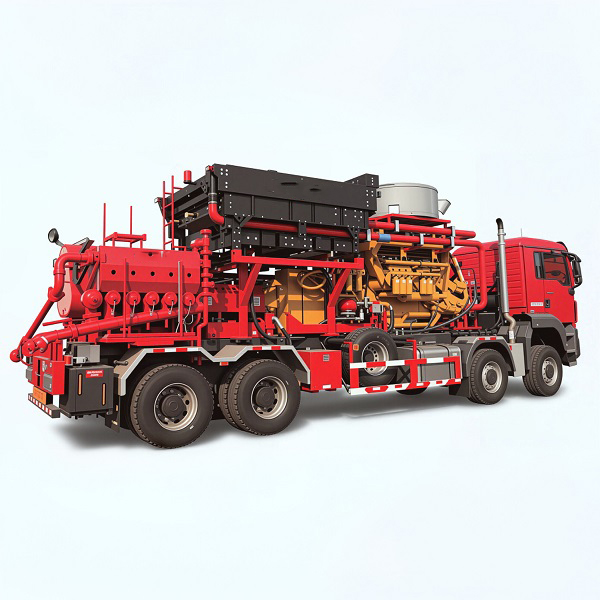
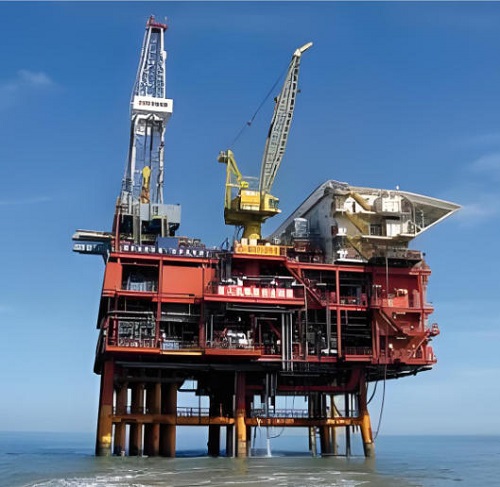
Heavy duty downhole tools
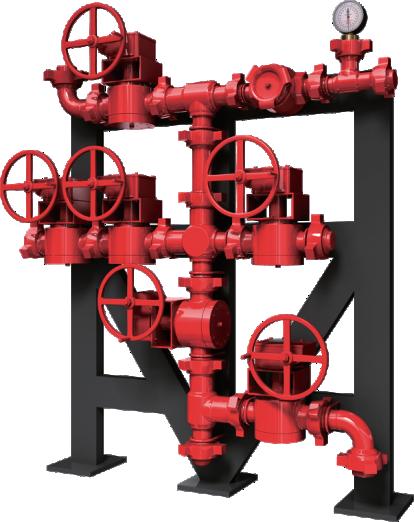
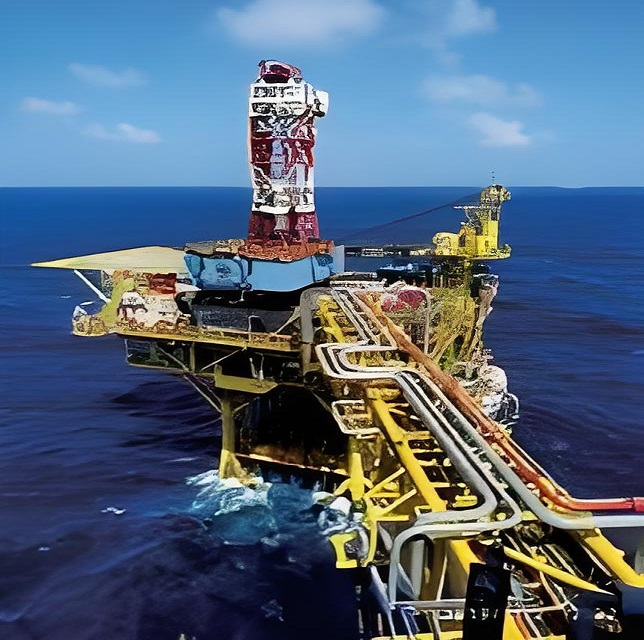
Technical Specifications – Heavy Duty Downhole Tool Families
The table below presents key specifications for our heavy duty downhole tool families. All parameters are configurable based on application, wellbore geometry, and operating conditions.
| Tool Type | OD Range (inches) | Connection Types | Material | Max Temp | Key Application |
|---|---|---|---|---|---|
| SJY Double‑Acting Drilling Jar | 4 3/4" – 8" | NC38 to 7 5/8 REG | AISI 4145H Mod | 200°C | Stuck pipe freeing |
| SJ Two‑Way Shock Absorber | 4 3/4" – 9 1/2" | NC38 to 7 5/8 REG | AISI 4145H Mod | 180°C | Vibration reduction |
| Drill Collar (Standard/Non‑Mag) | 3 1/8" – 11" | NC26 to NC77, REG | 4145H / Non‑mag alloy | 200°C | BHA weight, directional |
| Heavy Weight Drill Pipe | 3 1/2" – 6 5/8" | NC38 to NC50 | 4145H Mod with hardbanding | 200°C | Transition zone, fatigue reduction |
| Integral Blade Stabilizer | 4 3/4" – 12 1/4" | NC38 to NC77 | AISI 4145H | 200°C | Borehole gauge control |
| Multi‑Cycle Circulating Sub | 4 3/4" – 7" | NC38 to NC50 | 4145H Mod, precision casting | 180°C | Downhole circulation |
| Fishing Tools (Various) | 2" – 10" | API connections | 4145H / Alloy steel | 180°C | Lost tool recovery |
| Kelly Valve / IBOP | 3 1/2" – 6 5/8" | REG connections | Alloy steel | 150°C | Well control, back pressure |
| Pup Joints / Subs | 2 3/8" – 9 1/2" | All API connections | 4145H / L80 / P110 | 200°C | Spacing, connection adaptation |
Application Areas – Where Heavy Duty Downhole Tools Are Essential
| Application | Why Heavy Duty Tools Required | Key Tools Used |
|---|---|---|
| Deep well drilling (5,000m+) | Extreme axial and torsional loads; high temperatures | Drill collars, HWDP, jars, shock subs |
| Horizontal / extended reach wells | High torque, severe bending fatigue, difficult hole cleaning | Stabilizers, non‑mag collars, HWDP |
| HPHT reservoirs (20k psi / 200°C) | Seals and materials degrade under extreme conditions | Circulating subs, jars with high‑temp seals |
| Directional drilling with MWD | Magnetic interference corrupts surveys | Non‑magnetic drill collars, stabilizers, subs |
| Deviated / S‑shaped well profiles | Uneven weight transfer, connection fatigue | HWDP for transition zone, shock absorption |
| Fishing operations (lost tools) | High shock loads, uncertain downhole conditions | Overshots, spears, jars, milling tools |
| Well intervention / workover | Limited space, precise force control | Fishing tools, circulating subs |
| Offshore drilling | Conductor and surface casing wear protection | Hardbanded HWDP and drill collars |
Case example: In a Western Siberia field with permafrost sections and severe doglegs, standard drill pipe connections showed fatigue cracks after 500 hours of rotation. Switching to heavy weight drill pipe in the transition zone reduced connection stress by approximately 40% and extended BHA life by 300%.
Product Types – Heavy Duty Downhole Tool Categories
Category 1: BHA Components (Weight and Stabilization)
Drill Collars (Standard and Non‑Magnetic)
-
Slick drill collars for maximum weight concentration
-
Spiral drill collars for reduced wall contact in deviated holes
-
Non‑magnetic for directional survey accuracy
-
Thread connections: NC26 through NC77, plus REG options
Heavy Weight Drill Pipe (HWDP)
-
Thicker wall than standard drill pipe, thinner than drill collars
-
Spiral hardbanding standard on center upset
-
Ideal transition between drill collars and standard DP
-
Reduces bending stress concentration at connection points
Integral Blade Stabilizers
-
One‑piece construction (no welded blades to fail)
-
Straight or spiral blade configurations
-
Sizes matched to bit and hole opener dimensions
Category 2: Drilling Optimization Tools
SJY Double‑Acting Drilling Jar
-
Hydraulic up‑jarring and down‑jarring in one tool
-
Mechanical interlocking for positive release
-
For use in stuck pipe situations without rotating
SJ Two‑Way Shock Absorber
-
Simultaneous axial and lateral vibration damping
-
Increases bit life, protects MWD tools, reduces twist‑offs
-
Connects directly into BHA
Multi‑Cycle Circulating Sub
-
API standard multi‑cycle circulating sub
-
Precision casting construction for uniform strength
-
Cycle from surface without pulling string
Category 3: Fishing and Intervention Tools
Overshots – External catch tools for retrieving fish
Spears – Internal catch tools for retrieving fish
Releasing Spears – Precision‑engineered for engaging and releasing downhole equipment
Milling Tools – For cutting up stuck pipe or casing
Basket Grapples – For catching broken tool parts
Category 4: Well Control and Flow Management
Kelly Valves (IBOP) – Internal blowout preventer for the drill string
Pup Joints and Subs – Available in all API connections and lengths
Float Valves – For back‑pressure control during connections
Why Choose SJ Petroleum for Heavy Duty Downhole Tools?
1. Sinopec Backing – Field‑Proven Engineering
SJ Petroleum is a Sinopec subsidiary. That means our tools are not designed in a laboratory vacuum—they incorporate field feedback from Sinopec's own drilling operations across China's most challenging basins, including Tarim (deep wells to 8,000m), Sichuan (high‑pressure gas), and Songliao (complex geology).
2. API 11D1 Certification for Downhole Oil Tools – Since 2005
We obtained API 11D1 certification for downhole oil tools in 2005 and have maintained it continuously. API 11D1 specifically covers subsurface completion equipment and downhole tools, adding an extra layer of quality assurance beyond API 7‑1.
3. Full In‑House Manufacturing – From Forging to Finish
Unlike tool assemblers who buy forgings and simply machine connections, we control the entire manufacturing chain:
-
Raw material certification – Third‑party tested for chemistry
-
Forging and heat treatment – Full‑length, consistent properties
-
CNC machining – Precision threads that gauge correctly
-
Hardbanding application – Automated welding for uniform wear protection
-
Non‑destructive testing – UT, MT, and MPI in‑house
-
Final gauging – API 7-2 compliant
4. High Pressure Fluid Control Expertise – Up to 20,300 psi
Our manifold branch has supplied hundreds of high‑pressure manifold systems for offshore platforms (including Phillips, Kerr‑McGee) and land rigs worldwide, with pressure ratings from 21MPa to 140MPa (3,000 to 20,300 psi). The same engineering rigor applies to every downhole tool we manufacture.
5. Traceability and Certification
Every heavy duty downhole tool leaves our facility with:
-
Material test reports (chemical analysis, mechanical properties)
-
Heat treatment charts (time, temperature, cooling rate)
-
NDT reports (UT thickness, MT surface inspection)
-
Thread gauging records
-
API monogram license number (where applicable)
6. Custom Manufacturing – Your Specifications, Our Execution
Standard tools do not always fit standard applications. We offer custom manufacturing for:
-
Non‑standard lengths and ODs
-
Special thread connections
-
Proprietary hardbanding specifications
-
Customer‑specified materials
-
Cold‑temperature impact testing (–70°C capability)
7. Global Export Track Record
China's petroleum drilling equipment exports reached $18.83 billion in 2025, with year‑over‑year growth of 18.49%. SJ Petroleum has contributed to this export growth, supplying tools to oilfields across Central Asia, the Middle East, Africa, and Southeast Asia.
Frequently Asked Questions (FAQ) – Heavy Duty Downhole Tools
Q1: What is the difference between "heavy duty" downhole tools and standard downhole tools?
The distinction is not always regulated, but here is our definition:
| Feature | Standard Tool | Heavy Duty Tool |
|---|---|---|
| Material | AISI 4140 or generic 4145 | AISI 4145H Modified |
| Heat treatment | Connection ends only | Full‑length |
| Thread treatment | Machined only | Cold rolled + phosphating/coppering |
| Impact testing | Optional | Standard (Charpy V‑notch) |
| Hardbanding | None | Standard on wear surfaces |
| API compliance | 7‑1 only | 7‑1 and 7‑2 |
| Traceability | Partial | Full lot traceability |
If your application involves high torque, deep depths, directional drilling, or fishing operations, heavy duty tools are the correct choice.
Q2: What API standards apply to heavy duty downhole tools?
Multiple API standards apply depending on the tool type:
-
API 7-1 – Rotary drill stem elements (material, dimensions, general requirements)
-
API 7-2 – Threading and gauging of rotary shouldered connections
-
API 11D1 – Subsurface completion equipment and downhole tools (held since 2005)
We maintain certification for all applicable standards. Confirm with us which specific standards your project requires.
Q3: What material do you use for heavy duty downhole tools?
Our primary material for heavy duty tools is AISI 4145H Modified (or equivalent) – a chromium‑molybdenum alloy steel specifically formulated for downhole service. Key properties:
-
Yield strength: Typically 130,000 – 165,000 psi (varies by tool type)
-
Tensile strength: 140,000+ psi
-
Hardness: 285–341 HB (typical range for sour service)
-
Impact toughness: Available with Charpy V‑notch testing to customer specifications
For non‑magnetic applications, we use austenitic stainless steel grades with controlled permeability (μ ≤ 1.01).
Q4: Can you manufacture tools with non‑standard thread connections?
Yes. We can produce custom threads to match specific bottomhole assembly requirements. Provide us with your connection drawings or a sample tool, and our thread engineers will duplicate or modify as needed.
Q5: What hardbanding options do you offer?
We offer multiple hardbanding materials for different applications:
| Hardband Type | Best For | Casing Wear |
|---|---|---|
| Standard tungsten carbide | General drilling | Moderate wear |
| Casing‑friendly (non‑aggressive) | Cased hole drilling | Minimal wear |
| Extreme duty | Abrasive formations | Higher wear |
| Non‑magnetic hardbanding | MWD intervals | Varies by formulation |
Hardbanding is applied by automated welding systems for consistent thickness and coverage.
Q6: What is your lead time for heavy duty downhole tools?
Lead times vary by complexity:
| Order Type | Typical Lead Time |
|---|---|
| Standard drill collars, HWDP, stabilizers (stock sizes) | 2–4 weeks |
| Standard tools with minor modifications | 4–6 weeks |
| Custom tools (non‑standard lengths, connections, materials) | 6–10 weeks |
| Large quantity orders (50+ tools) | Phased delivery schedule |
Expedited options available for emergency fishing tool requirements.
Q7: Do you provide third‑party inspection services?
Yes. We work with accredited third‑party inspection agencies (BV, DNV, SGS, etc.) at customer request. Our facility is set up for witness testing, including:
-
Material sampling and analysis
-
Dimensional inspection
-
Thread gauging
-
NDT (UT, MT, MPI)
-
Pressure testing (where applicable)
Q8: What certifications do you hold?
SJ Petroleum maintains:
-
API 11D1 (downhole oil tools)
-
API Q1 (quality management)
-
ISO 9001 (quality management system)
-
HSE management system certification
-
DNV certification (for specific products, since 1999)
Q9: How do I select the correct drill collar size for my application?
Drill collar selection depends on:
-
Hole size – Collar OD should leave adequate annular clearance (typically 1–2 inches smaller than bit diameter)
-
Desired weight on bit – Larger OD collars provide more weight per foot
-
Bending strength ratio – Connections should be weaker than pipe body for fatigue protection
-
MWD requirements – Non‑magnetic collars needed around survey instruments
Consult with our engineering team. Provide your well program details, and we will recommend specific collar sizes and configurations.
Q10: What is the typical service life of a heavy duty drill collar?
With proper handling and inspection:
-
Standard rotation drilling: 2,000–5,000 rotating hours
-
Intervals between inspections: API RP 7G recommends inspection every 200–500 hours, depending on corrosive environment
-
Refurbishment: Connections can be re‑cut, hardbanding can be reapplied
Most customers retire collars after 8–10 years due to accumulated wear and fatigue, not catastrophic failure.