Technical Specifications
The tables below cover our standard high pressure flowline control components. Custom pressure ratings, bore sizes, and actuator types are available.
Adjustable Choke Valve (API 6A, Needle & Seat)
|
Parameter
|
SJ‑CHK‑5K
|
SJ‑CHK‑10K
|
SJ‑CHK‑15K
|
SJ‑CHK‑20K
|
|
Working Pressure (psi)
|
5,000
|
10,000
|
15,000
|
20,000
|
|
Nominal Bore (in)
|
2‑1/16
|
2‑1/16 or 3‑1/16
|
3‑1/16
|
3‑1/16
|
|
Trim Material
|
Tungsten carbide
|
Tungsten carbide
|
Tungsten carbide or ceramic
|
Tungsten carbide
|
|
Orifice Range (in)
|
0 – 1.5
|
0 – 1.5
|
0 – 2.0
|
0 – 2.0
|
|
Flow Coefficient (Cv)
|
0 to 15
|
0 to 18
|
0 to 25
|
0 to 25
|
|
Body Material
|
4130 forged
|
4140 forged
|
4145H forged
|
4145H + clad
|
|
Temperature Range
|
-20°F to 250°F
|
-20°F to 350°F
|
-40°F to 350°F
|
-40°F to 350°F
|
|
Actuator Option
|
Manual / Hyd / Pneum
|
Manual / Hyd / Pneum
|
Hyd / Pneum / Elec
|
Hyd / Elec
|
|
End Connections
|
API 6A flanges or threaded
|
API flanges
|
API flanges
|
API flanges
|
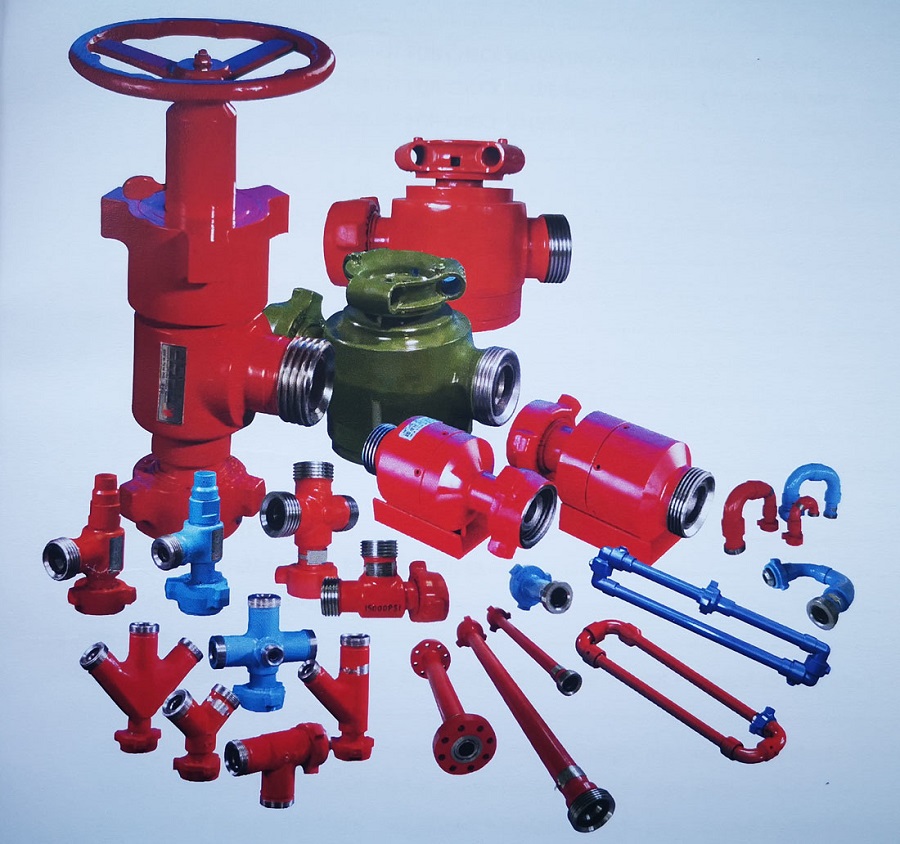
Positive Choke (Bean Type, Fixed Orifice)
|
Parameter
|
SJ‑POS‑5K
|
SJ‑POS‑10K
|
SJ‑POS‑15K
|
|
Working Pressure (psi)
|
5,000
|
10,000
|
15,000
|
|
Bean Insert Sizes
|
1/8″ to 2″ (1/16″ increments)
|
Same
|
Same
|
|
Trim Material (insert)
|
Tungsten carbide
|
Tungsten carbide
|
Tungsten carbide or ceramic
|
|
Body Material
|
4130 forged
|
4140 forged
|
4145H
|
|
Removable Bean
|
Yes – quick change
|
Yes
|
Yes
|
|
Weight (lbs)
|
80
|
120
|
200
|
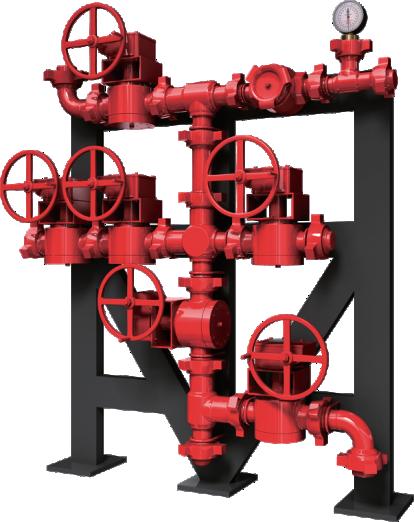
Flowline Control Manifold (Skid‑Mounted)
|
Parameter
|
SJ‑MAN‑5K‑2
|
SJ‑MAN‑10K‑3
|
SJ‑MAN‑15K‑4
|
|
Number of Chokes
|
1 adjustable + 1 positive
|
2 adjustable + 2 positive
|
2 adjustable + 2 positive + 1 bypass
|
|
Number of Block Valves
|
4 (gate)
|
6 (gate)
|
8 (gate)
|
|
Inlet/Outlet Connections
|
2‑1/16″ flanges
|
3‑1/16″ flanges
|
3‑1/16″ flanges
|
|
Pressure Rating (all parts)
|
5,000 psi
|
10,000 psi
|
15,000 psi
|
|
Skid Dimensions (L×W×H)
|
4′ × 3′ × 4′
|
6′ × 4′ × 5′
|
8′ × 5′ × 6′
|
|
Weight (approx, lbs)
|
1,200
|
2,500
|
4,000
|
|
Instrumentation
|
Pressure (2), sample port, bleed
|
Pressure (2), temp, sand detector port
|
Pressure (2), temp, sand, flow meter port
|
Remote Choke Control Panel (SJ‑RCP)
|
Parameter
|
SJ‑RCP‑4
|
SJ‑RCP‑8
|
SJ‑RCP‑16
|
|
Number of Choke Channels
|
Up to 4
|
Up to 8
|
Up to 16
|
|
Actuator Type Supported
|
Hydraulic, pneumatic, or electric
|
Same
|
Same
|
|
Position Feedback
|
4‑20 mA, 0‑10V, or digital
|
Same
|
Same
|
|
HMI Display
|
7″ touchscreen
|
12″ touchscreen
|
15″ touchscreen
|
|
Communication
|
Modbus RTU/TCP, Ethernet/IP
|
Same + Profibus
|
Same + OPC UA
|
|
Power Supply
|
120/240 VAC or 24 VDC
|
120/240 VAC redundant
|
120/240 VAC redundant + UPS
|
|
Enclosure Rating
|
NEMA 4X / IP66
|
NEMA 4X
|
NEMA 4X (Ex rated for Zone 2)
|
|
ESD Integration
|
Yes (hardwired & logic)
|
Yes
|
Yes + SIL 2 capable
|
Applications
High pressure flowline control from SJ is used across production, testing, and injection operations:
1. Wellhead Flowback & Early Production (Frac to Flowback)
After hydraulic fracturing, wells flow back at high pressure (often 5,000–10,000 psi) with abrasive proppant. Our adjustable chokes with tungsten carbide trim handle the sand‑laden fluid without washing out. The remote choke panel allows gradual opening from a safe distance.
2. Gas Well Production (High Rate, High Pressure)
High‑pressure gas wells (e.g., tight gas, deep gas) require precise choke control to prevent hydrate formation and maintain stable flow to the separator. Our heated choke option and downstream pressure regulation are field‑proven.
3. Oil Well Production with Sand
Formation sand erodes ordinary chokes quickly. Our ceramic‑trim chokes (silicon carbide) last 5,000+ hours in sandy oil wells. Sand detectors can be integrated to alert when sand production increases.
4. Well Testing (Exploration & Appraisal)
When testing an exploration well, you need a portable flowline control system that can handle unknown pressures (up to 15,000 psi) and unknown fluid compositions (including H₂S). Our skid‑mounted manifold with full NACE compliance is used by well testing companies globally.
5. Manifold for Multiple Well Pads
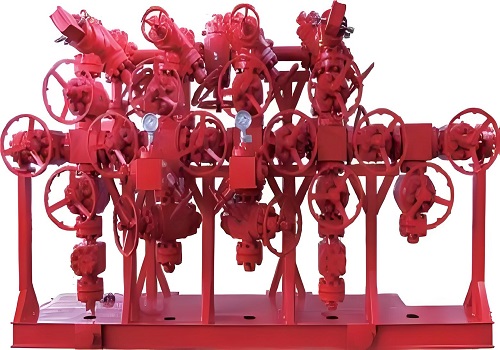
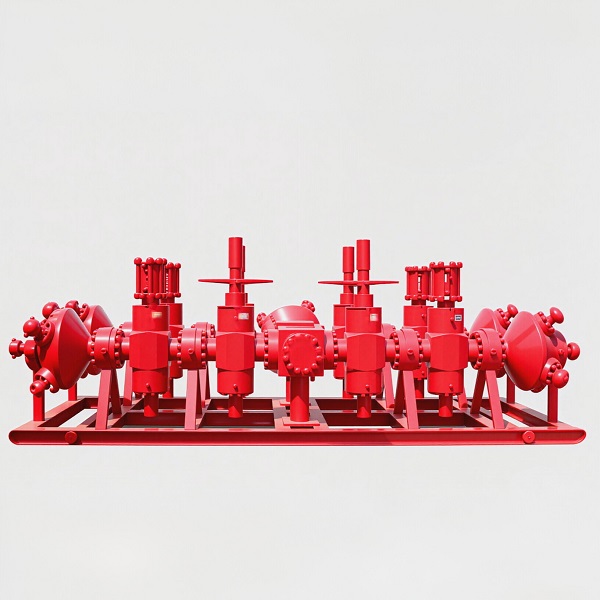
A central choke manifold can serve multiple wells, directing flow from each well to a common test separator or production header. Our SJ‑RCP panel manages all chokes from a single location, reducing field trips.
6. Enhanced Oil Recovery (EOR) & Water Injection
In water injection wells, you need to precisely control injection rate and pressure. Our flowline control chokes (usually 10,000 psi) with pneumatic actuation and SCADA interface are standard for injection manifold systems.
7. Subsea & Deepwater Flowline Control (Topside)
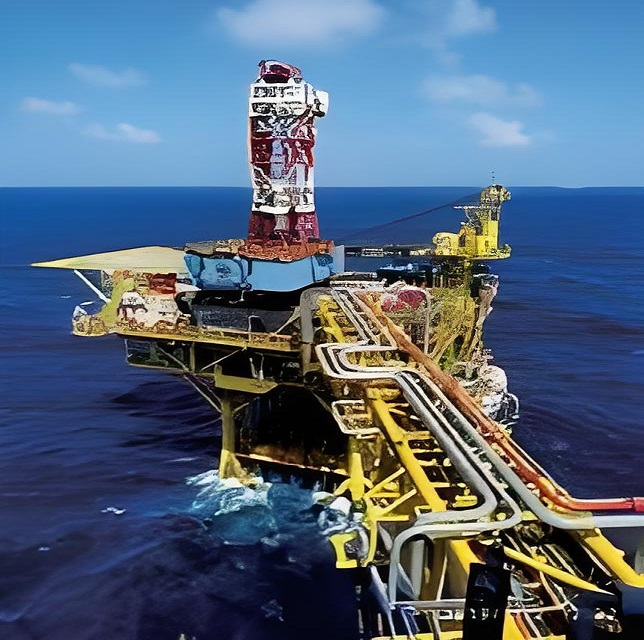
For subsea wells, the flowline control system sits on the platform or FPSO topside. Our chokes handle the high backpressure from the subsea tree and provide flow regulation to the process plant.
Product Types & Models
We offer a full range of high pressure flowline control components and integrated systems:
|
Product Category
|
Series / Models
|
Pressure Rating
|
Key Feature
|
|
Adjustable Choke Valve
|
SJ‑CHK‑5K to 20K
|
5,000 – 20,000 psi
|
Tungsten carbide needle & seat
|
|
Positive Choke
|
SJ‑POS‑5K to 15K
|
5,000 – 15,000 psi
|
Quick‑change bean inserts
|
|
Flowline Control Manifold
|
SJ‑MAN‑5K/10K/15K
|
5,000 – 15,000 psi
|
Skid‑mounted, pre‑piped
|
|
Remote Choke Control Panel
|
SJ‑RCP‑4/8/16
|
N/A
|
Hydraulic/pneumatic/electric actuation
|
|
Hydraulic Choke Actuator
|
SJ‑ACT‑HYD
|
10,000 psi supply
|
Failsafe (spring or accumulator)
|
|
Pneumatic Positioner
|
SJ‑POS‑air
|
150 psi supply
|
I/P converter, 4‑20 mA input
|
|
Gate Valve (Block & Bleed)
|
SJ‑GV‑5K to 20K
|
5,000 – 20,000 psi
|
API 6D, slab or expanding gate
|
|
Sand Detector & Monitor
|
SJ‑SAND‑acoustic
|
Non‑intrusive
|
Alarm & automatic choke trim
|
Custom & OEM Services:
-
Build to your P&ID (specific choke arrangement, material, coatings)
-
Private labeling with your part numbers
-
Third‑party witnessing (SGS, DNV, etc.)
-
Retrofit kits to convert manual chokes to remote actuation
Why Choose SJ Petroleum Machinery?
1. Sinopec‑Owned – Built for Our Own Wells
SJ is a wholly owned manufacturing subsidiary of Sinopec. Our flowline control equipment is first deployed on Sinopec’s own production wells – thousands of them. That means it has been field‑tested in real sand, real H₂S, and real high‑pressure conditions before we ever offer it to outside customers.
2. 80+ Years of Valve & Choke Manufacturing
We’ve been building gate valves and chokes since the 1950s. Over eight decades, we’ve refined our trim materials (from hardened steel to tungsten carbide to ceramic), seal designs (from elastomer to metal‑to‑metal), and actuation methods. You’re buying experience, not a prototype.
3. Full API 6A Compliance – Not Just "Design”
Our chokes and manifolds carry the API monogram – meaning our quality system has been audited, our materials are traceable, and our pressure testing meets API 6A Appendix B. We don’t cut corners on certification.
4. Harder Trim = Longer Life in Abrasive Service
Many competitors use hardened 17‑4PH or Stellite for choke trim. It works – but not for long with frac sand. SJ’s standard trim is tungsten carbide (HRC 75+). For extreme abrasion, we offer ceramic trim (silicon carbide). You’ll replace chokes less often – and reduce production downtime.
5. Shorter Lead Times Than Western Brands
Typical lead time for an adjustable choke: 4–6 weeks. For a complete flowline manifold: 8–12 weeks. For a remote control panel: 10–14 weeks. Western competitors often quote 16–24 weeks. Expedited delivery available.
6. Integrated System – One Supplier for Chokes, Actuators, & Panel
We don’t just sell a choke and tell you to find an actuator elsewhere. SJ manufactures the entire system: choke valve, hydraulic/pneumatic actuator, control panel, and SCADA interface. One phone call for support, not three.
7. Global Support & Fast Spare Parts
We stock common choke trim kits (needle, seat, bean inserts) in Houston, Dubai, Aberdeen, and Jingzhou. Spare parts ship within 24 hours. For remote locations, we can provide full spare choke assemblies – just swap and go.
8. Field Service & Training
Our service engineers can commission your flowline control system on site, train your operators (how to adjust a choke without wire drawing), and integrate with your existing SCADA. We also offer annual service contracts for preventive maintenance.
Frequently Asked Questions (FAQ)
Q1: What’s the difference between an adjustable choke and a positive choke?
An adjustable choke has a moving needle that changes the orifice size continuously. You can regulate flow rate from zero to maximum without changing parts. Good for production wells where flow rate changes over time. A positive choke has a fixed orifice (interchangeable bean). It’s simple, cheap, and reliable for constant flow rates. Many installations have both: adjustable for fine control, positive as a backup or for fixed rate after testing.
Q2: How do I choose between tungsten carbide and ceramic trim?
Tungsten carbide is standard for most oil and gas applications. It handles sand up to about 1% by volume. Ceramic (silicon carbide) is for extreme abrasion – frac flowback, high sand production (>5%), or where you need 10,000+ hours between replacements. Ceramic is more expensive and more brittle (don’t drop it). We recommend tungsten carbide unless you have proven sand problems.
Q3: What’s wire drawing, and how does your choke prevent it?
Wire drawing is high‑velocity erosion that happens when a choke is partially open and fluid velocity is extremely high at the small gap. Our chokes prevent it by:
-
Using tungsten carbide trim (resists erosion)
-
Providing a soft seat design (needle and seat materials are matched)
-
Recommending multi‑stage pressure reduction (two chokes in series) for high pressure drops > 5,000 psi
Proper operation (avoiding prolonged throttling at very low openings) also helps – our control panel can be programmed to avoid "stable but damaging” positions.
Q4: Can your flowline control system be automated to maintain constant downstream pressure?
Yes. With a pneumatic or electric actuator and a positioner, our adjustable choke can respond to a 4‑20 mA pressure control signal. Our SJ‑RCP panel includes a PID controller that reads downstream pressure and automatically adjusts the choke opening. Accuracy is typically ±1% of setpoint. We’ve done this for many gas lift and separator inlet pressure control applications.
Q5: Do you offer chokes with heating to prevent hydrates?
Yes. For gas wells in cold climates or with high pressure drop (Joule‑Thomson cooling), we supply choke bodies with integral heating jackets. Hot water, steam, or electric heat tracing can be added. The body is designed with a double wall and insulation. Let us know your minimum operating temperature and expected pressure drop.
Q6: How do I know when my choke trim needs replacement?
Signs of wear include:
-
Inability to maintain downstream pressure at a given opening
-
Unusual noise or vibration (erosion squeal)
-
Visible wear pattern on needle and seat (inspected during maintenance)
-
Increased sand detection readings downstream
We recommend inspecting trim every 6–12 months in abrasive services. For clean gas, every 2–3 years.
Q7: What certifications do you provide for international shipment?
Every flowline control component comes with:
-
API 6A Certificate of Compliance
-
Material test report (MTR, heat traceable)
-
NDT reports (MT, PT, UT as applicable)
-
Hydrostatic pressure test report
-
Actuator function test report
-
NACE MR0175 documentation (if ordered)
For EU, we provide CE/PED Declaration of Conformity. For offshore, ABS/DNV classification available.
Q8: Can you retrofit my existing manual choke with a hydraulic actuator?
Yes. We have adapter kits for most common API 6A choke brands (Cameron, NOV, etc.). The kit includes the actuator, mounting bracket, coupling, and control valve. We need the choke make, model, and stem size. Retrofit can be done on site in 2–4 hours.
Tag: Drilling and Completion Tools | Drill bit manufacturers | Heavy duty downhole tools