Fluid control technology
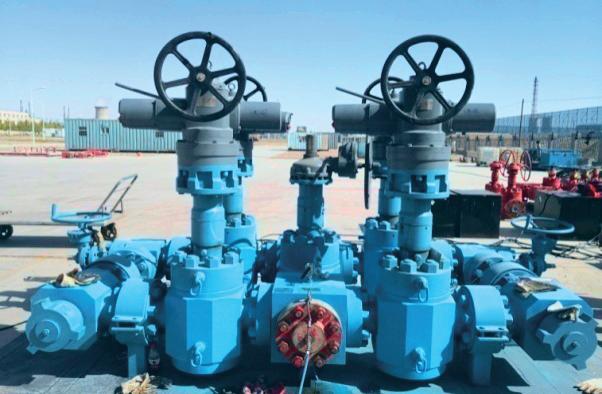
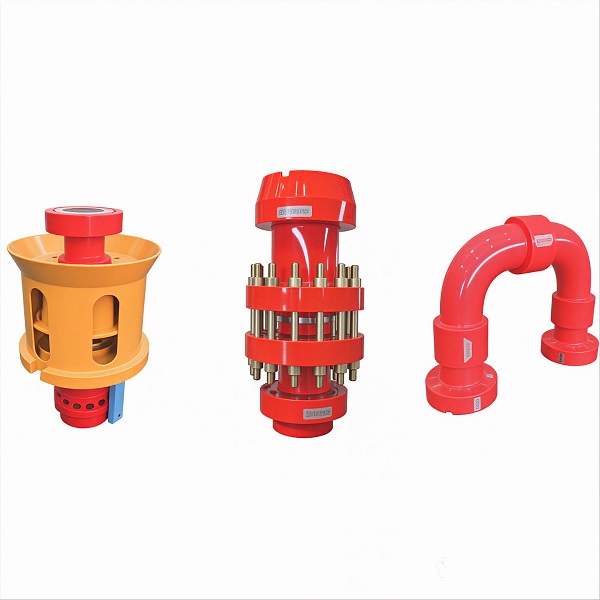
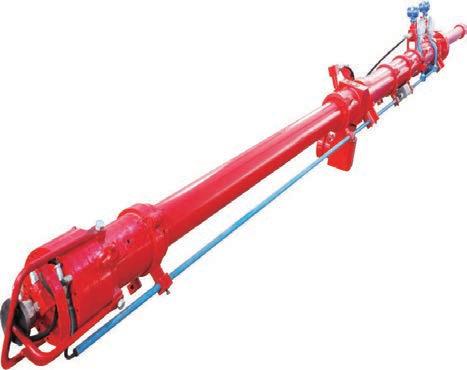
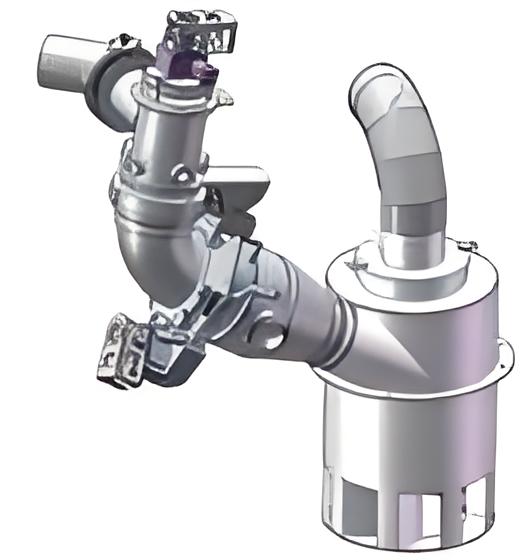
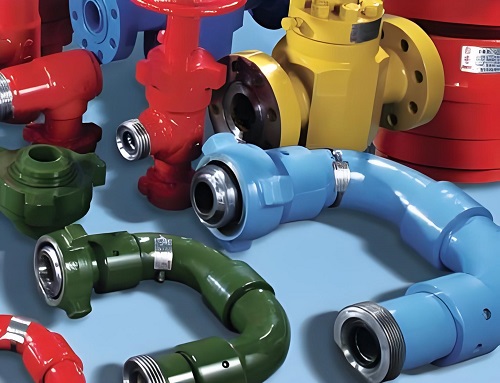
Technical Specifications – Fluid Control Technology Parameters
The following table summarizes the technological capabilities applied across our fluid control product lines.
| Technology Area | Capability / Standard | Typical Application |
|---|---|---|
| Design software | 3D FEA (stress, fatigue, thermal) | All valve bodies, flanges, manifold components |
| Design validation | API 6A PR1 or PR2 | Choke & kill manifolds, gate valves |
| Material classes | AA, BB, CC, DD, EE, FF, HH (per API 6A) | From sweet service to 20% H₂S |
| Low‑temp impact test | Charpy V‑notch at -46°C or lower per customer spec | Arctic drilling manifolds |
| High‑temp rating | Y class: up to +345°C (650°F) | Thermal recovery valves |
| NDT methods | MPI, DPI, UT, hardness, PMI | PSL 2–4 components |
| NDT certification | ASNT Level II / III | All critical pressure‑containing parts |
| Pressure test | Hydrostatic @ 1.5 × WP; gas @ WP (PR2) | All valves and manifolds |
| Seal types | Elastomeric (NBR, FKM, HNBR, Aflas, FFKM); metal‑to‑metal; energized lip | Application‑specific selection |
| Surface coatings | Hard chrome, tungsten carbide, electroless nickel | Erosion resistance for fracturing service |
| Machining tolerance | ±0.01 mm on sealing surfaces | Plug valves, gate valve seats |
| Actuation options | Manual, electro‑hydraulic, pneumatic | Remote or automated well control |
| Communication protocols | Modbus TCP, Profinet, EtherNet/IP | Integration with rig control systems |
| Arctic rating | -46°C operation; -60°C storage | Rosneft projects, Siberian drilling |
| API certifications | 6A, 16C, Q1, 7K (drilling equipment) | All fluid control products |
Product Types – Technology Applied Across Our Range
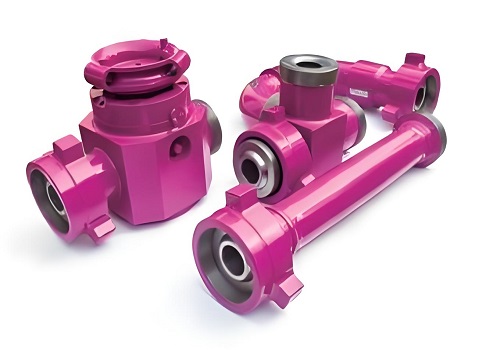
1. Plug Valves – Low‑Torque, High‑Cycle Technology
-
Quarter‑turn operation with patented low‑torque design
-
Replaceable seat technology – no need to replace entire valve
-
Pressure‑energized sealing – tighter seal as pressure increases
-
Sizes: 1″ through 5″; ratings: 3,000–15,000 psi
2. Gate Valves – Slab & Expanding Gate Technology
-
API 6A slab gate valves – bidirectional sealing, simple construction
-
Expanding gate valves – mechanical wedge expansion for positive shut‑off
-
Non‑rising stem design for compact installation
-
Sizes: 2‑1/16″ through 4‑1/16″; ratings: 2,000–15,000 psi
3. Choke Valves – Erosion‑Resistant Trim Technology
-
Tungsten carbide and ceramic trim for abrasive fluids
-
Adjustable, fixed, and cage choke configurations
-
Linear flow characteristic for precise pressure control
-
Sizes: 2‑1/16″ through 4‑1/16″; ratings: 5,000–20,000 psi
4. Choke & Kill Manifolds – PR2‑Qualified Well Control Technology
-
Surface and subsea configurations
-
Manual or automated actuator options
-
Buffer chamber technology to absorb pressure surges
-
Designed and tested to API 16C PSL 3/4
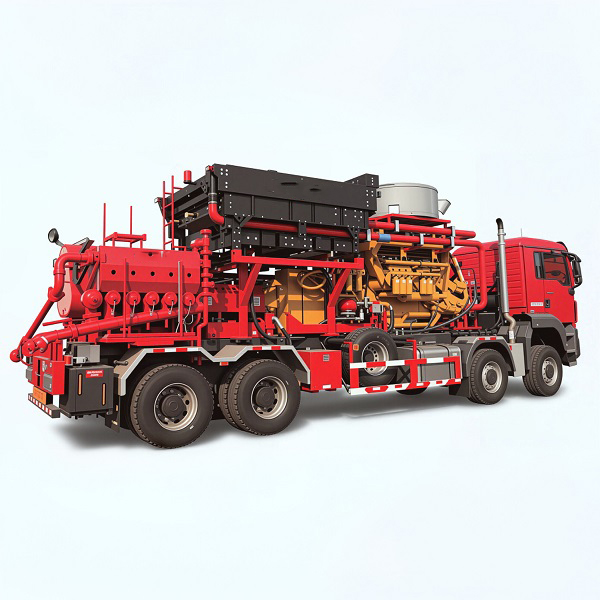
5. Fracturing Manifold Skids – High‑Flow, High‑Pressure Technology
-
Dual‑channel and triple‑channel designs minimize pump surge interaction
-
Computational fluid dynamics (CFD) optimized flow path – minimal pressure drop
-
Erosion‑resistant hardbanding on high‑velocity areas
-
Ratings: 10,000–20,000 psi; sizes: 3″–4″
6. Low‑Temperature Systems – Arctic Technology
-
-46°C rated materials, seals, and lubricants
-
Impact‑tested steel (Charpy at -46°C minimum)
-
Heat‑traced and insulated enclosures
-
Full certification package for Russian GOST compliance
7. Sour Service Systems – H₂S Technology
-
NACE MR0175 / ISO 15156 compliant materials
-
Hardness limited to 22 HRC (or 235 HB) maximum to prevent SSC
-
Sulfide stress cracking (SSC) resistant alloys for EE, FF, HH classes
-
Full material traceability with PMI verification
Application Fields – Where Our Technology Proves Itself
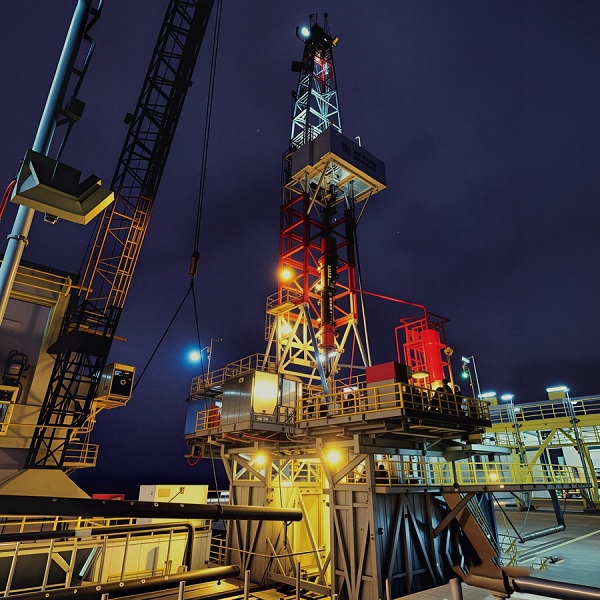
🛢️ High‑Pressure Drilling (10,000+ psi well control)
Our PR2‑qualified choke and kill manifolds are rated for HP/HT drilling environments. Technology highlights: gas‑tight shut‑off, remote actuation, and buffer chambers for surge absorption.
💥 Hydraulic Fracturing (15,000–20,000 psi, sand‑laden fluids)
Our fracturing manifold technology addresses the two biggest challenges: erosion (via tungsten carbide trim and hardbanding) and pressure drop (via CFD‑optimized flow paths). The result: longer seat life and higher pump efficiency.
🧊 Arctic Drilling (-46°C operation)
Our low‑temperature technology has been deployed on Rosneft rigs in Siberia. Key technology: Charpy impact‑tested materials at -46°C, cold‑hardened seals that do not leak, and heated actuators that do not freeze.
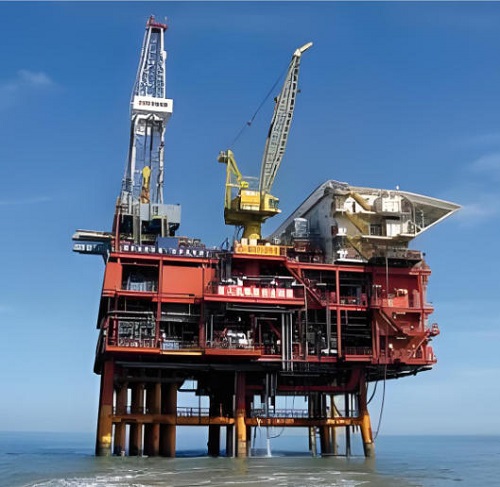
🌊 Offshore Subsea Well Control
Our subsea choke and kill systems meet API 16C for deepwater BOP stacks. Technology: corrosion‑resistant alloys (625 clad), remote actuation, and ROV (remotely operated vehicle) override provisions.
♨️ Thermal Recovery & Steam Injection (350°C+)
Our Y‑class manifolds use high‑temperature alloys (Inconel, 316H) and metal‑to‑metal seals. Technology: thermal stress analysis using FEA, high‑temperature bolting, and expansion compensation.
🧪 Sour Gas Wells (up to 20% H₂S)
Our HH‑class components use nickel alloys with strict hardness controls (≤ 22 HRC). Technology: NACE MR0175 compliance, 100% PMI verification, and enhanced NDT (UT shear wave for HIC resistance).
Why Choose SJ Petro for Fluid Control Technology?
🏭 API 6A & 16C – The Foundation of Our Technology
Our entire fluid control engineering is built on API standards — not as an afterthought, but as the design basis. We are audited annually by API and hold current licenses for 6A, 16C, Q1, and multiple other specifications.
🔬 National‑Level Low‑Temperature Laboratory – Unique Capability
Among Chinese fluid control manufacturers, our national‑level low‑temperature impact testing laboratory is a distinct advantage. We do not rely on mill certificates alone — we test every heat of steel for Arctic projects.
🧠 Engineering Team with Decades of HP/HT Experience
Our Manifold Branch includes a dedicated HP Manifold Research Room staffed by engineers who have designed systems for 20,000 psi fracturing, -46°C Arctic drilling, and 345°C thermal recovery. We are not a sales desk — we are an engineering company that happens to manufacture.
📋 Full Traceability – From Mill to Wellsite
Every component is traceable to its original material mill certification. Our quality management system (API Q1 and ISO 9001) ensures that we can produce documentation for any inspection requirement — from a simple pressure test certificate to a full PSL 4 data book.
🌍 Recognized by CNPC as Class A Manufacturer
The only Class A manufacturer of choke and kill manifolds for CNPC. This rating is based on rigorous technical audits, field performance reviews, and quality system assessments. It is not marketing — it is verification by China’s largest oil and gas operator.
Frequently Asked Questions (FAQ)
Q1: What fluid control technologies are most important for HP/HT wells?
A: Three technologies are critical: (1) Material technology — alloys that maintain strength at high temperatures without sulfide stress cracking; (2) Sealing technology — metal‑to‑metal seals or high‑temperature elastomers that do not degrade; (3) Testing technology — PR2 gas testing to validate zero leakage at rated pressure. We apply all three to our HP/HT product lines.
Q2: How does your low‑temperature technology differ from standard "winterization”?
A: Standard winterization adds insulation and heat tracing. Our low‑temperature technology goes deeper: we use impact‑tested steel (Charpy at -46°C) that does not become brittle; cold‑hardened elastomers that seal at -46°C; and low‑temperature lubricants that do not solidify. Without these material changes, insulation alone cannot prevent failure when the steel itself becomes brittle.
Q3: What is PR2 testing, and why does it matter?
A: PR2 is a performance validation level defined in API 6A. PR1 testing is a single pressure cycle at ambient temperature. PR2 testing involves multiple pressure cycles, temperature cycling (low to high), gas testing, and seat leakage measurement under differential pressure. PR2 equipment has been proven to survive years of field service. We offer PR2 on choke and kill manifolds and gate valves.
Q4: How do you validate erosion resistance for fracturing manifolds?
A: We use two methods: (1) Material selection – tungsten carbide trim and hardbanding on high‑velocity areas; (2) Computational fluid dynamics (CFD) – modeling flow paths to identify erosion‑prone regions and modifying geometry to reduce particle impact velocity. We do not have an in‑house erosion test loop, but we partner with third‑party laboratories for slurry erosion testing when required.
Q5: Can you provide full material traceability for sour service components?
A: Yes. For EE, FF, and HH class materials, we maintain traceability from the original mill test report through heat treatment and final machining. Every component is PMI‑tested (XRF) to verify alloy composition. We can produce a complete material traceability report (MTR) for any component or assembly.
Q6: What actuation technologies do you offer for automated well control?
A: We offer electro‑hydraulic actuators (for choke and kill valves), pneumatic actuators (for BOP manifolds), and manual override with position feedback (for local operation). Actuators can be integrated with your rig control system via Modbus TCP, Profinet, or EtherNet/IP. We also supply local control panels with HMI.
Q7: Do you use FEA for all valve designs?
A: For API 6A PSL 3 and PSL 4 designs, FEA is mandatory. For PSL 2, we use FEA on new designs or significant modifications. All our fracturing manifolds and high‑pressure choke and kill manifolds are FEA‑validated.
Q8: What non‑destructive testing methods do you apply to your fluid control products?
A: We apply MPI or DPI to all pressure‑containing parts (body, bonnet, flanges). For PSL 3/4, we add ultrasonic testing (UT) of all primary pressure boundaries and hardness testing of every component. For sour service, we also perform PMI on all alloy components. All NDT is documented and included in the product data book.
Q9: Can you customize the technology for a specific well condition not covered by API standards?
A: Yes. Our engineering team regularly handles non‑standard requirements: special alloys, non‑API pressure ratings, custom actuator interfaces, and integration with customer‑supplied control systems. Contact us with your technical specification for a feasibility review.
Q10: What is your lead time for a custom fluid control system with advanced technology features?
A: Lead time depends on complexity and current workload:
-
Standard valves (plug, gate, check) with PR1: 8–10 weeks
-
PR2‑qualified valves and manifolds: 14–16 weeks
-
Arctic‑rated or sour service systems: 16–20 weeks
-
Fully automated skids with custom actuation: 20–24 weeks