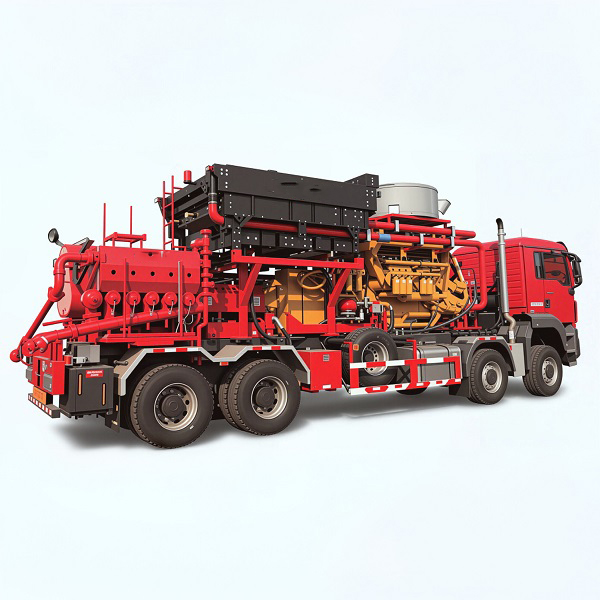
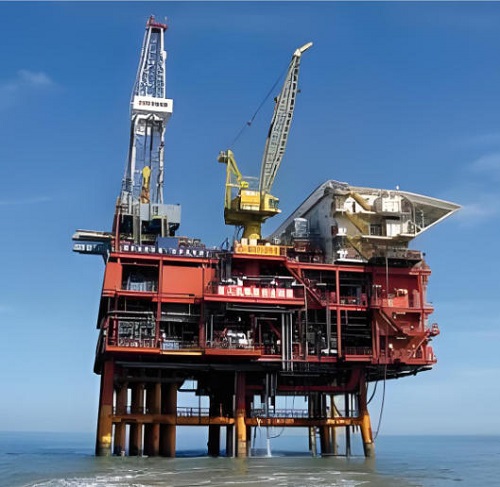
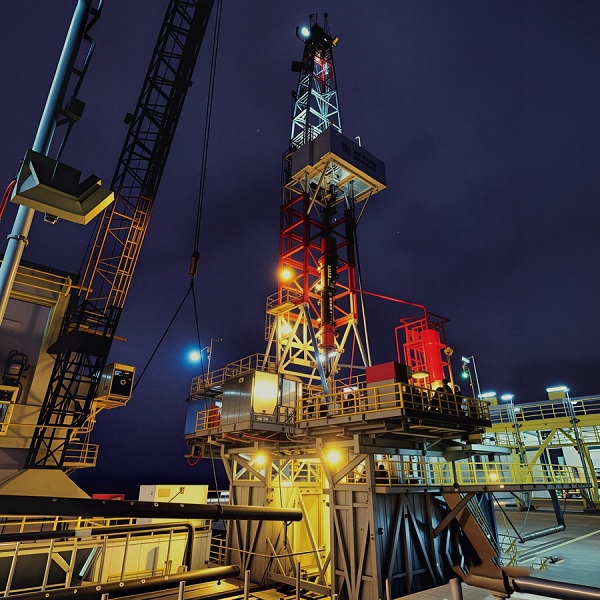
Benefits of modular drilling rigs
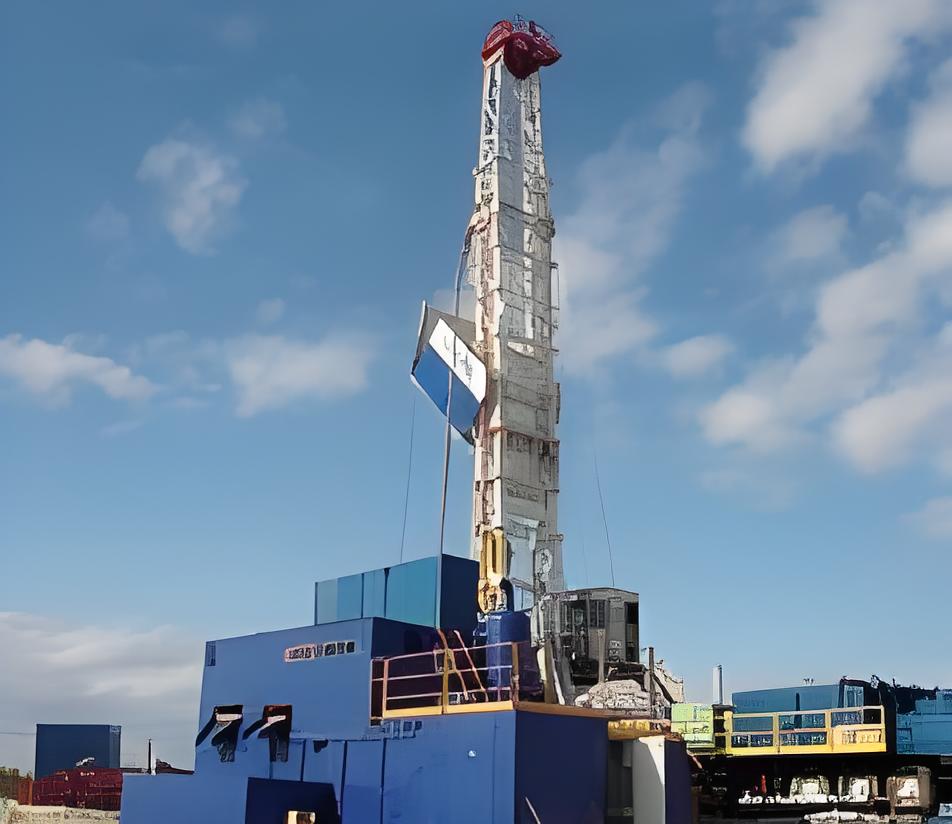
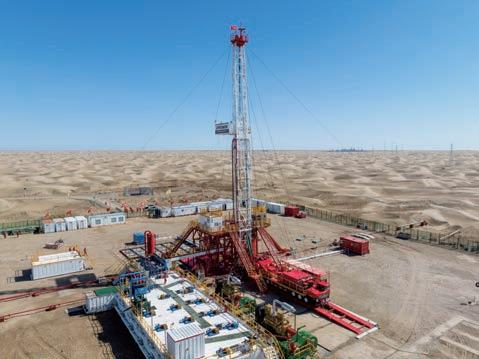
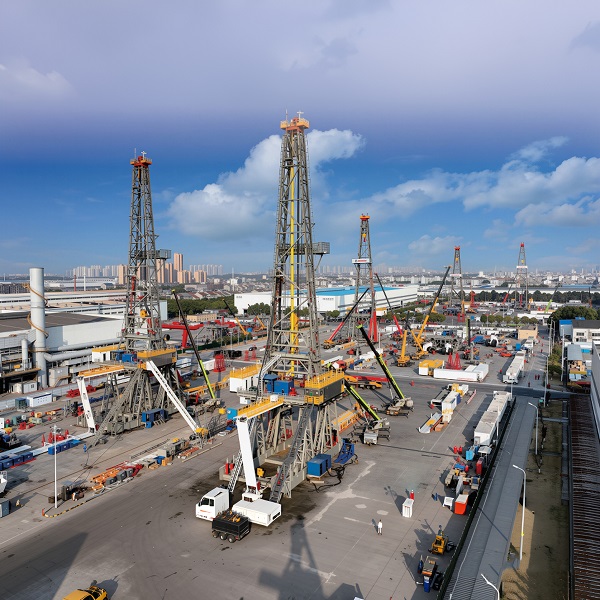
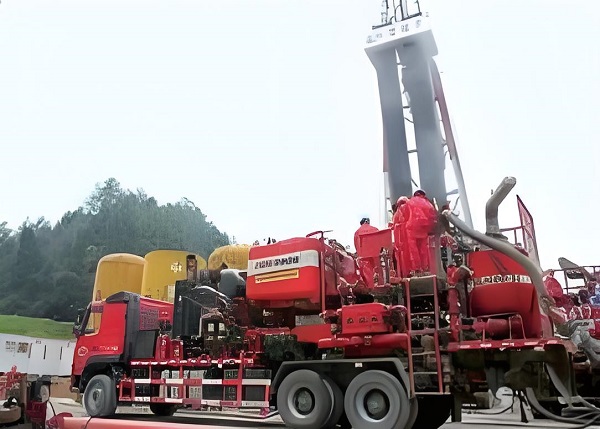
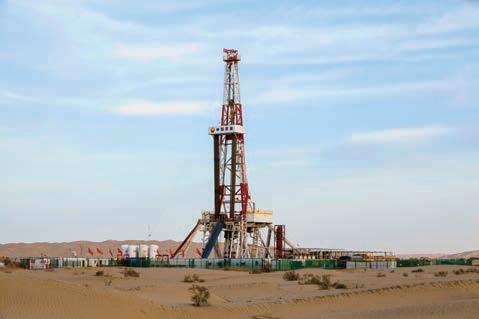
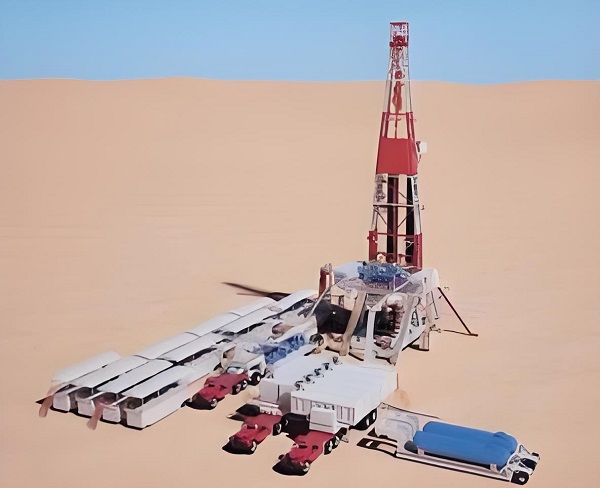
Technical Comparison – Modular vs. Conventional Drilling Rigs
Data based on 5,000m depth rating land rigs typical of each type.
| Parameter | Conventional Land Rig | Modular Drilling Rig (BE Series) | Improvement |
|---|---|---|---|
| Number of truckloads | 60–80 | 6 | 90% fewer |
| Rig‑up time (first well) | 10–15 days | 2–3 days | 70–80% faster |
| Rig‑move time (well to well) | 10–15 days | 1–3 days | 80–85% faster |
| Crane required? | Yes (multiple lifts) | No | 100% crane‑free |
| Crew size for move | 15–20 people | 8–10 people | ~50% less |
| Oversize transport permits | Multiple | Minimal | Lower cost & delay |
| Pad skidding (well‑to‑well) | Not typical | Optional hydraulic system | Hours vs. days |
| Factory pre‑commissioning | Partial | Full module testing | Faster startup |
| Modular upgrade path | Difficult | Simple – swap modules | Longer asset life |
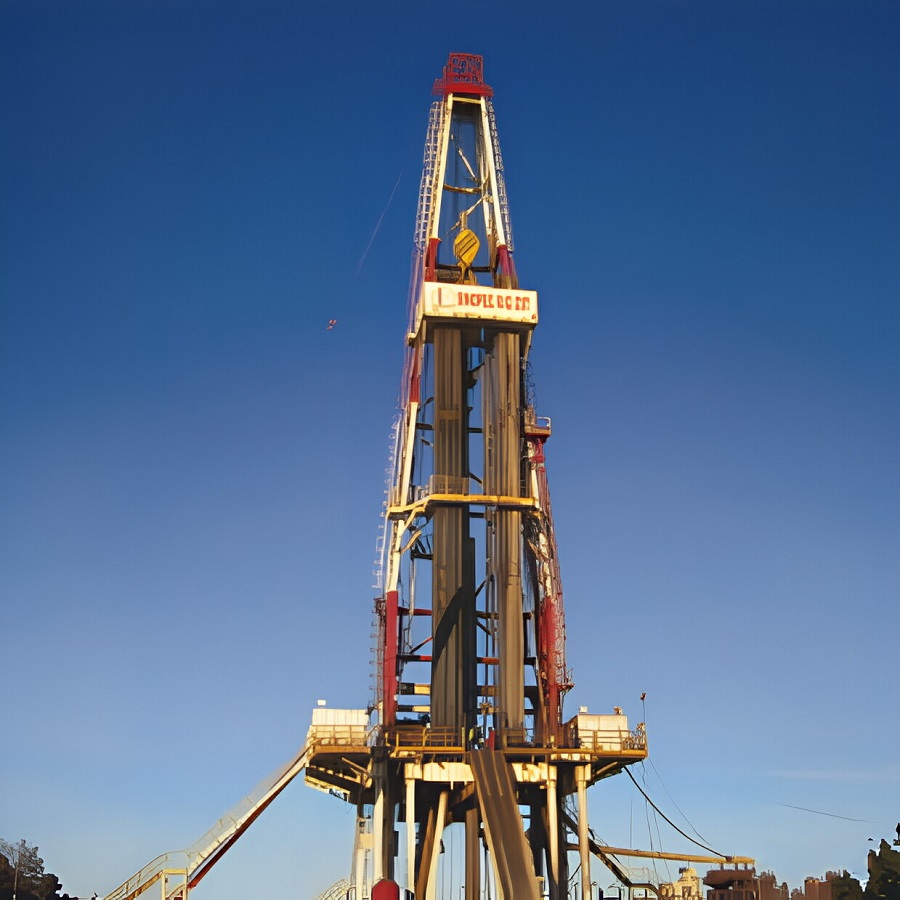
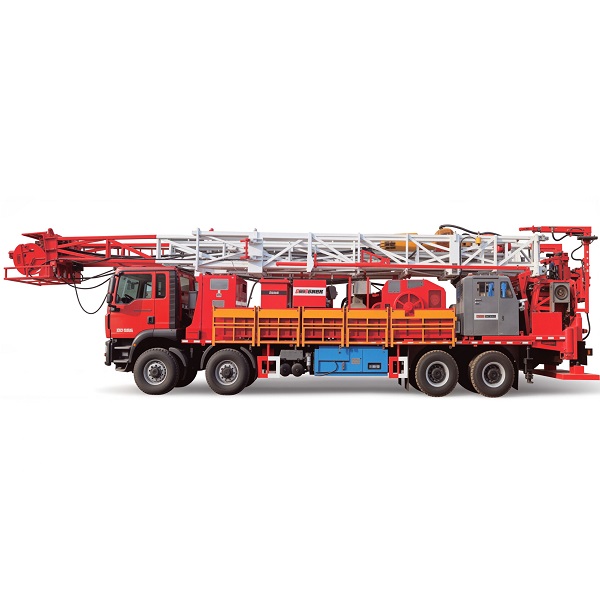
Our BE550 and BE770 modular rigs achieve the improvements shown above. These are not theoretical – they’re documented from field deployments.
Product Types – Modular Rigs We Manufacture
| Series / Type | Depth Rating | Key Modular Feature | Best Application |
|---|---|---|---|
| BE550 | 4,000–5,000m | Crane‑free, 6‑trailer, AC VFD | Fast‑moving land drilling |
| BE770 | 5,000–7,000m | Crane‑free, 6‑trailer, AC VFD | Deeper fast‑moving land |
| Super Single‑Joint Rig | 3,000–5,000m | Patented reduced‑footprint, single‑joint handling | Remote, logistics‑constrained |
| Desert Fast‑Moving Modular | 4,000–9,000m | Skidding + modular, sand‑sealed | Middle East / Sahara multi‑well pads |
| Heli‑Transportable Modular | 1,500–4,000m | Sub‑4,000kg modules | Roadless jungle / mountain / arctic |
| Offshore Modular Package | Platform dependent | ISO‑standardized modules | Fixed platform drilling / workover |
| Arctic Modular Rig | 3,000–7,000m | GOST‑certified, heated enclosures | Siberia / northern Canada / Alaska |
Applications That Maximize Modular Rig Benefits
Multi‑Well Pad Drilling (Shale, Tight Gas, Unconventionals)
Twenty wells on one pad. One rig. Nineteen moves. Modular design turns a losing economics proposition into a winner.
Desert Field Development (Middle East / North Africa)
Wide well spacing, extreme heat, sandstorms. Modular rigs with skidding systems move between distant wells faster than conventional rigs, and sand‑sealed components keep running when others choke.
Remote Jungles & Mountain Basins (South America, Southeast Asia)
Roadless. No heavy transport access. Heli‑transportable modular rigs are the only practical solution. Our five‑rig shipment to Peru in early 2026 proved this model.
Offshore Platform Drilling
Space and crane capacity are always tight on platforms. Modular packages fit the constraints and install quickly – reducing offshore installation days (which are incredibly expensive).
Arctic & Sub‑Arctic Exploration
Short drilling windows mean every day counts. Modular rigs move faster between locations, adding weeks to your effective drilling season before freeze‑up.
International Greenfield Projects
Bringing a rig into a new country? Modular design simplifies customs, transport, and local assembly – reducing startup risk.
Why Choose SJ Petroleum Machinery for Your Modular Rig?
We’ve delivered 297 rigs overseas – many of them modular. We understand the logistics of moving equipment across borders, through customs, and onto location.
We’re a Sinopec subsidiary. Financial stability. Global supply chain. Quality control that meets the world’s most demanding standards. We’re not a trading company – we’re an API‑certified manufacturer.
We offer custom modular engineering as standard. We don’t have a "stock” modular rig. We design to your depth, terrain, and mobility requirements.
We’ll be there after delivery. Commissioning, training, spare parts, service – full lifecycle support. And because we’re Sinopec‑backed, we’ll be here in ten years when you need parts.
Our pricing is transparent and competitive. Same API certifications as Western manufacturers. Lower cost base. No hidden "add‑ons.” Ask for a detailed quotation.
Frequently Asked Questions (FAQ)
Q1: Are modular drilling rigs as strong and reliable as conventional rigs?
A: Yes – stronger in some respects. Our modular rigs use the same API‑certified materials and components as conventional rigs (mast steel, drawworks bearings, mud pump fluid ends). The difference is how they’re packaged – not the quality of the engineering. In fact, factory pre‑assembly and testing often means fewer field assembly errors.
Q2: How much faster is a modular rig move vs. conventional?
A: A conventional land rig typically takes 10–15 days to move between wells. Our BE series modular rigs complete the same move in 1–3 days. That’s an 80–85% reduction. On multi‑well pads with skidding systems, move time is measured in hours.
Q3: Can any drilling rig be converted to modular?
A: No. True modular design requires engineering from the ground up – connection interfaces, weight distribution, transportability. Retrofitting a conventional rig to modular is rarely cost‑effective. You’re better off buying a purpose‑built modular rig.
Q4: What’s the cost difference between modular and conventional?
A: Upfront, a modular rig typically costs 10–20% more than an equivalent conventional rig due to additional engineering and module fabrication. However, that premium is usually recovered within the first 3–5 rig moves. Over the life of the rig, modular saves money through faster moves, lower transport costs, and less downtime.
Q5: Do modular rigs require special trailers or permits?
A: Our BE series modular rigs are designed to fit standard highway dimensions. Six trailers, no oversize loads in most jurisdictions. Some desert or arctic configurations may require permits for specific components – we can advise based on your operating region.
Q6: What certifications do your modular rigs hold?
A: API 4F, 7K, 8C with API monogram. ISO9001, ISO14001, HSE, GOST Russia, CE as applicable. Full documentation available.
Q7: Can I get a modular rig for offshore use?
A: Yes. We supply modular drilling and workover packages for fixed platforms. Modules are ISO‑standardized to fit platform crane lifts and deck space constraints. Contact us with your platform specifications.
Q8: What’s the lead time for a modular rig?
A: 6–9 months for standard modular configurations (BE series, super single‑joint). 9–12 months for custom deep or ultra‑deep modular rigs. Heli‑transportable and arctic modular rigs typically 10–14 months.
Q9: Do you provide training for modular rig assembly?
A: Yes. Our field service engineers train your crews during the first assembly and move. The learning curve is short – most crews are proficient after one or two moves because the process is simple by design.
Q10: How do I get a modular rig quotation?
A: Contact our international sales team with: target drilling depth, number of wells (and spacing if multi‑well pad), terrain/climate conditions, power preference, and any certification requirements. We’ll respond within 48 hours with a technical assessment and quotation timeline.