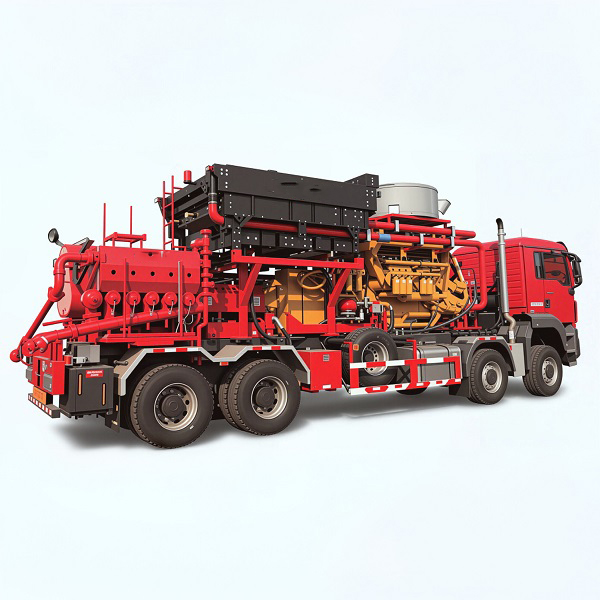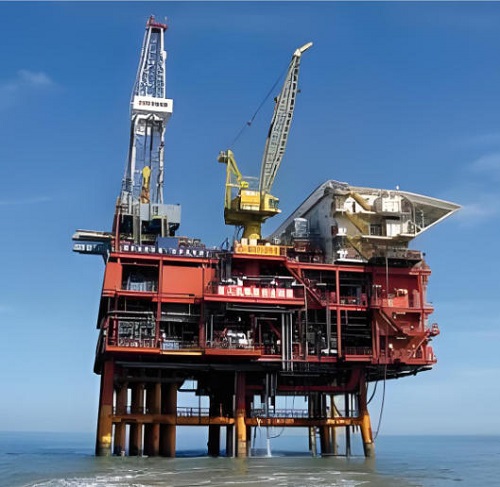
Stepping rig movement
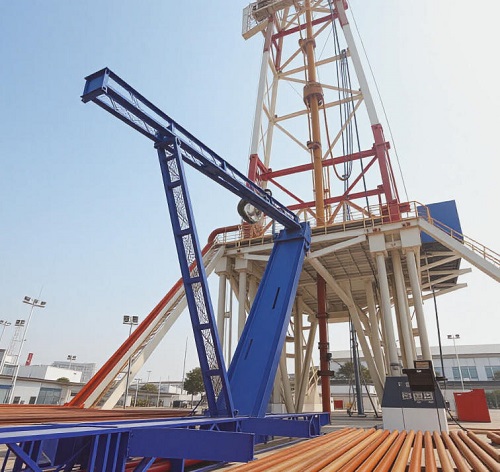
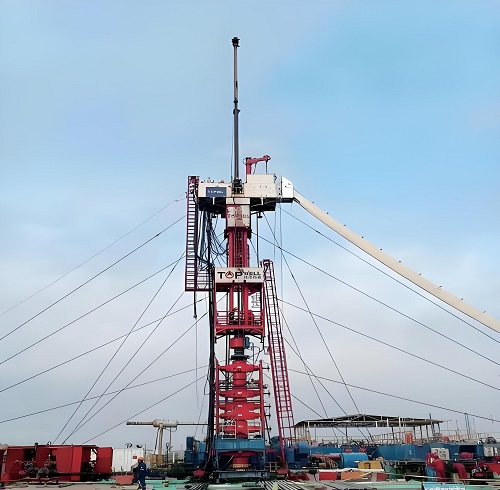


Technical Specifications – Stepping Rig Movement Systems
Our stepping rig movement systems are sized to the rig’s total weight and required stepping speed. Below are our standard configurations:
| Parameter | SMS‑1500 | SMS‑2000 | SMS‑3000 |
|---|---|---|---|
| Maximum rig weight (hook load + deadweight) | 1,500 tons (3.0M lbs) | 2,000 tons (4.0M lbs) | 3,000 tons (6.6M lbs) |
| Number of walking feet | 4 | 4 | 6 |
| Vertical lift per cycle | 7 inches (178 mm) | 7 inches (178 mm) | 8 inches (203 mm) |
| Horizontal stroke per cycle | 12 – 24 inches (305‑610 mm) | 12 – 24 inches | 16 – 24 inches |
| Walking speed (continuous) | Up to 53 ft/hour (16 m/h) | Up to 53 ft/hour | Up to 35 ft/hour (11 m/h) |
| Maximum setback while walking | 720,000 lbs (327 t) | 800,000 lbs (363 t) | 1,000,000 lbs (454 t) |
| Directional movement | 360° (X, Y axes + rotation) | 360° | 360° |
| Ground bearing pressure (max) | ≤ 7,500 lb/ft² | ≤ 7,500 lb/ft² | ≤ 10,000 lb/ft² |
| Hydraulic system pressure | 3,000 PSI | 3,500 PSI | 3,500 PSI |
| Power unit | Electric 2×75 HP | Electric 2×100 HP | Diesel‑electric 2×150 HP |
| Control system | Wireless remote + manual backup | Wireless remote + manual backup | Wireless remote + manual backup |
| Operating temperature | -30°C to 55°C | -30°C to 55°C | -45°C to 55°C (cold pack) |
| API / ISO compliance | API 4F, 7K, ISO 9001 | API 4F, 7K, 8C | API 4F, 7K, 8C |
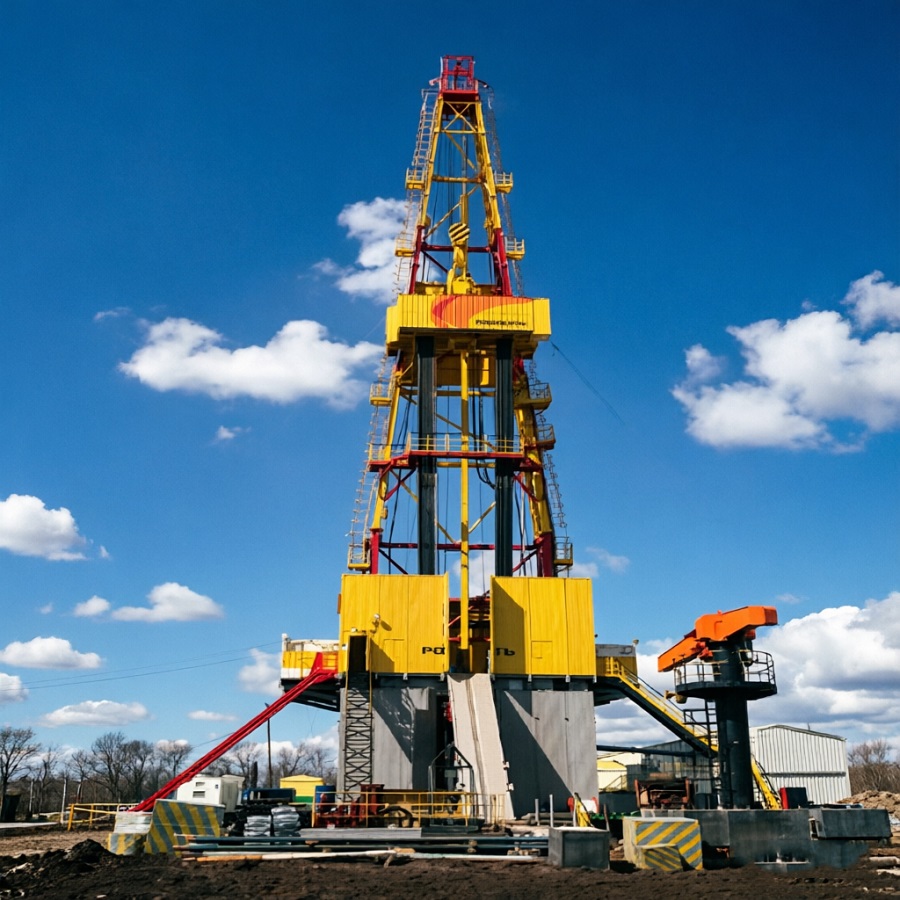
Product Types – Stepping Rig Movement Solutions
We provide stepping rig movement as both an integrated system for new rigs and a retrofit package for existing rigs:
-
Integrated Walking System (SMS Series) – Designed into new drilling rigs during manufacturing. The substructure is built with pin‑on mounting points for the walking feet. No field modifications needed.
-
Retrofit Walking Kit – For rigs already in service. Our engineers survey your substructure and design custom mounting brackets and hydraulic connections. Installation takes 2‑3 weeks in the field or at a service yard.
-
Straight‑Line Skidding System – A lower‑cost alternative for single‑row pads. The rig moves only along one axis (X‑direction). Walking speed is higher (up to 100 ft/hour) but no sideways or rotation.
-
Hybrid Walking + Skidding – For large pads with both lateral and longitudinal moves. The rig walks slowly (omnidirectional) for row‑to‑row moves, then skids quickly along the row.
-
Remote Monitoring & Control Upgrade – For older stepping systems, we offer PLC and wireless pendant upgrades. Add telemetry to track movement cycles and cylinder wear from a remote office.
-
Heavy‑Load Walking Unit (5,000 ton class) – For ultra‑heavy drilling rigs or coiled tubing units. Six or eight walking feet with diesel‑hydraulic power. Custom engineered.
Applications – Where Stepping Rig Movement is Essential
Stepping rig movement has become standard practice in these drilling environments:
-
Shale gas and tight oil multi‑well pads – 8 to 32 wells per pad. Stepping between wells without rig‑down saves 3‑5 days per move. For a 20‑well pad, that is 60‑100 days of saved time per rig year.
-
Desert infill drilling – In mature fields with closely spaced wells (150‑300 ft apart). Walking eliminates truck traffic and road construction across sensitive desert pavement.
-
Urban drilling sites – Noise and traffic restrictions make conventional rig moves difficult. Stepping movement is quiet (electric HPU) and requires no heavy trucks.
-
Arctic ice pads – Winter drilling windows are short. Stepping from well to well maximizes drilling time before the ice melts. Our cold‑weather systems work at -45°C.
-
Island or swamp locations – Limited crane access and soft soil. Large‑foot walking pads spread the load, and no heavy lift equipment is needed for rig moves.
-
Offshore platform batch drilling – Skidding systems (similar principle) move the rig across platform slots without re‑rigging.
Why Choose SJ Petro for Stepping Rig Movement Systems?
-
Sinopec engineering backbone – We are a direct subsidiary of China’s largest oilfield equipment group. Our 314‑engineer R&D team designs every component in‑house, from cylinders to control software.
-
Proven in the field – Our stepping systems have moved rigs on over 200 multi‑well pads in China, Russia, and the Middle East. We can provide client references and site visit arrangements.
-
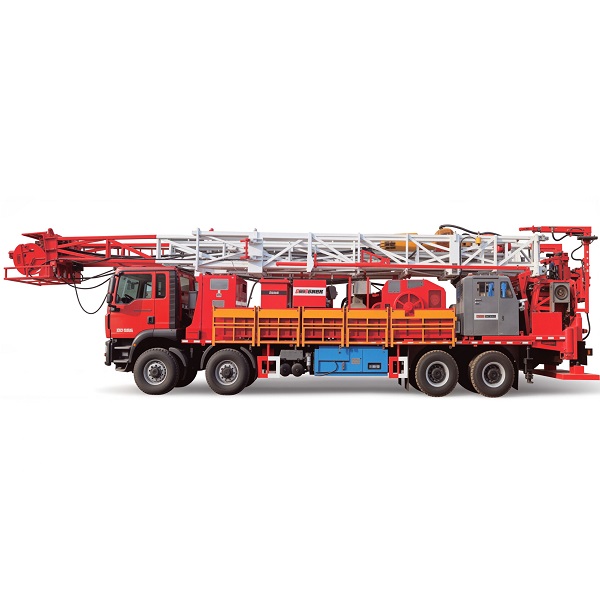
One‑stop rig manufacturer – We build the entire drilling rig (mast, substructure, drawworks, top drive, mud pumps) plus the stepping system. No interface problems between components.
-
API 4F, 7K, 8C certified – Full compliance with international standards. Third‑party inspection (ABS, DNV, BV, SGS) is welcome.
-
Retrofit expertise – Most stepping system suppliers only work on new rigs. We have retrofitted 30+ existing rigs from other manufacturers with our walking systems.
-
Global service network – We keep spare parts (cylinders, valves, PLC modules) in Dubai, Singapore, and Houston (agent). On‑site commissioning and training provided.
-
Short lead times – New integrated system: 90‑120 days. Retrofit kit: 60‑90 days. We stock long‑lead hydraulic components.
-
Direct manufacturer pricing – No trading company markups. You deal with the factory that builds both the rig and the walking system.
-
5‑year structural warranty – Walking foot frames and mounting brackets are warranted for 5 years. Hydraulic components: 12 months (extendable to 36 months).
Frequently Asked Questions (FAQ)
Q1: How does stepping rig movement work in simple terms?
The rig is mounted on four to six hydraulic feet. Each foot lifts the rig a few inches off the ground, then a horizontal cylinder pushes it forward. The feet lower, reset, and repeat. The whole sequence is automated — the operator just presses "walk” on a wireless remote.
Q2: How long does it take to move a rig from one well to the next?
For a typical 200‑foot (60 m) move, our systems complete the walk in 2‑4 hours. Compare that to 2‑4 days for a conventional rig‑down / rig‑up move. The time savings are enormous on multi‑well pads.
Q3: Does the rig need to be completely unloaded before walking?
No — this is a key advantage. Our systems can walk with a full setback (drill pipe standing in the derrick) and with mud still in the tanks. You do not have to lay down pipe or drain the mud system.
Q4: Can your stepping rig movement system be installed on an existing rig from another manufacturer?
Yes. We have retrofitted walking systems to rigs from Ideco, National, and other Chinese manufacturers. We need to inspect your substructure design. If it is a standard beam construction, we can design bolt‑on or pin‑on walking feet.
Q5: What happens if the hydraulic system fails during a move?
Every lift cylinder has a pilot‑operated check valve (counterbalance valve) that locks the load hydraulically. If the engine dies or a hose bursts, the rig stays exactly where it is. It will not drop. Manual release valves are provided for supervised lowering.
Q6: Can the system walk on a slope?
Standard systems handle slopes up to 5 degrees (9% grade). For steeper sites (up to 10 degrees), we offer an enhanced steering system with individual foot‑height adjustment. A site survey is required for slopes above 5 degrees.
Q7: Do I need a concrete foundation or steel mats for the walking feet?
On most compacted soil or gravel pads, the large‑foot area (4 ft × 60 ft) provides enough bearing capacity without mats. On very soft soil, we recommend timber mats or precast concrete beams. We provide ground pressure calculations for your site.
Q8: What training do you provide for our crews?
We send a field service engineer to your site for 1‑2 weeks of hands‑on training: walking sequence, emergency procedures, basic maintenance, and troubleshooting. We also provide a detailed operations manual and remote support for 12 months.
Q9: How do I know which system size (SMS‑1500, 2000, or 3000) I need?
Add your rig’s deadweight (mast, substructure, drawworks, top drive, mud tanks) plus your maximum hook load (drill string + casing). That total should not exceed the system’s rating. Send us your rig specs — we will size it for you.