Advantages of vertical rigs
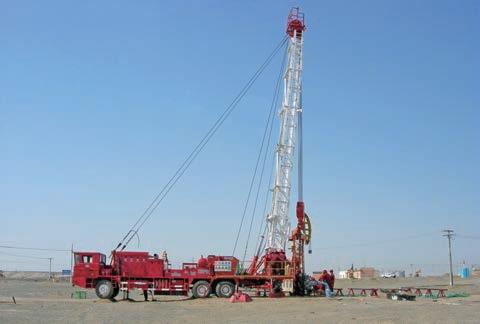
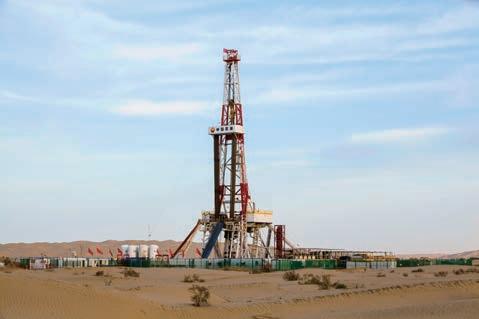
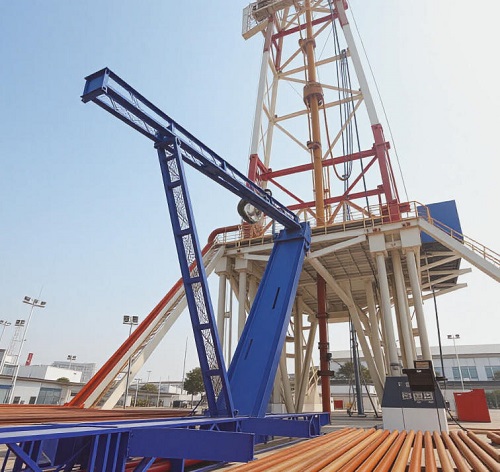
Technical Comparison – Vertical Rig vs. Conventional Rig (Same Capacity Class)
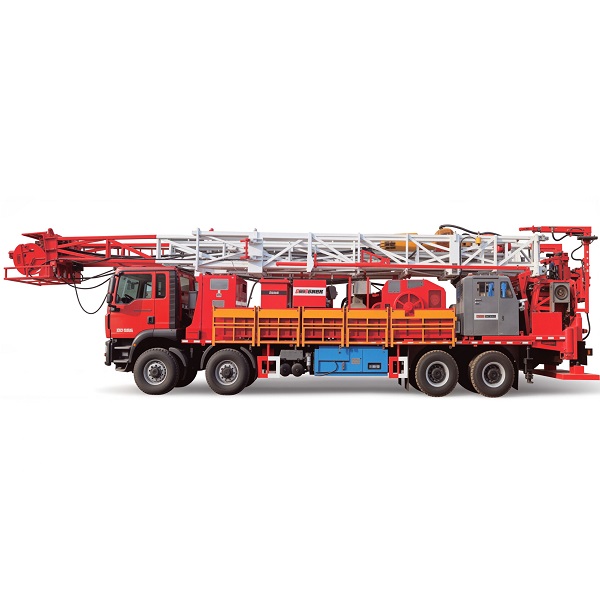
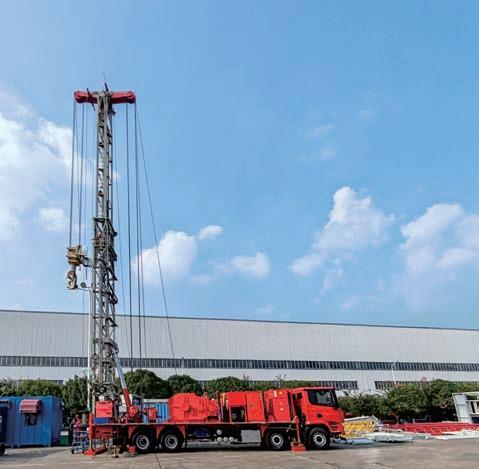
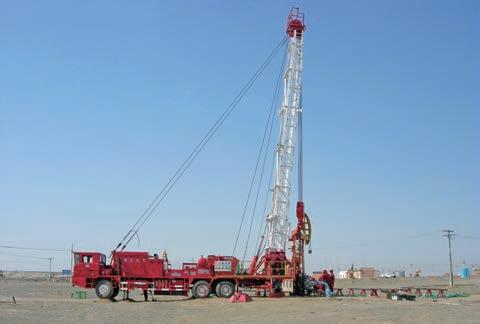
To help procurement engineers run the numbers, here is a side‑by‑side technical comparison of a 50‑ton vertical rig (SJ Petro VLR‑50) versus a typical 50‑ton conventional workover rig:
| Parameter | Conventional Workover Rig | SJ Petro VLR‑50 Vertical Rig |
|---|---|---|
| Hook load capacity | 50 tons (110,000 lbs) | 50 tons (110,000 lbs) |
| Lift mechanism | Winch + wireline (single line) | Dual hydraulic cylinders |
| Max lift speed | 40‑50 ft/min (variable, not smooth) | 0‑55 ft/min, fully variable |
| Creep speed (precision landing) | Not available (min 10‑15 ft/min) | 0‑3 ft/min |
| Holding mechanism | Mechanical brake (drum & band) | Hydraulic counterbalance valve |
| Brake drift | 0.5‑1.5 ft per hour typical | Zero (positive hydraulic lock) |
| Mast type | Inclined A‑frame (8‑12° lean) | True vertical (0° lean) |
| Side load at wellhead | 3‑5% of hook load (creates wear) | None |
| Snubbing capability | No (separate unit required) | Optional integrated jack |
| Rig‑up crew | 3‑4 people, 4‑6 hours | 2 people, 2‑3 hours |
| Power unit | Diesel engine + mechanical drivetrain | Diesel or electric HPU |
| Annual maintenance cost | High (brake lining, wireline replacement) | Low (hydraulic oil & filters) |
| API certifications | API 7K (partial) | API 4F, 7K, 8C |
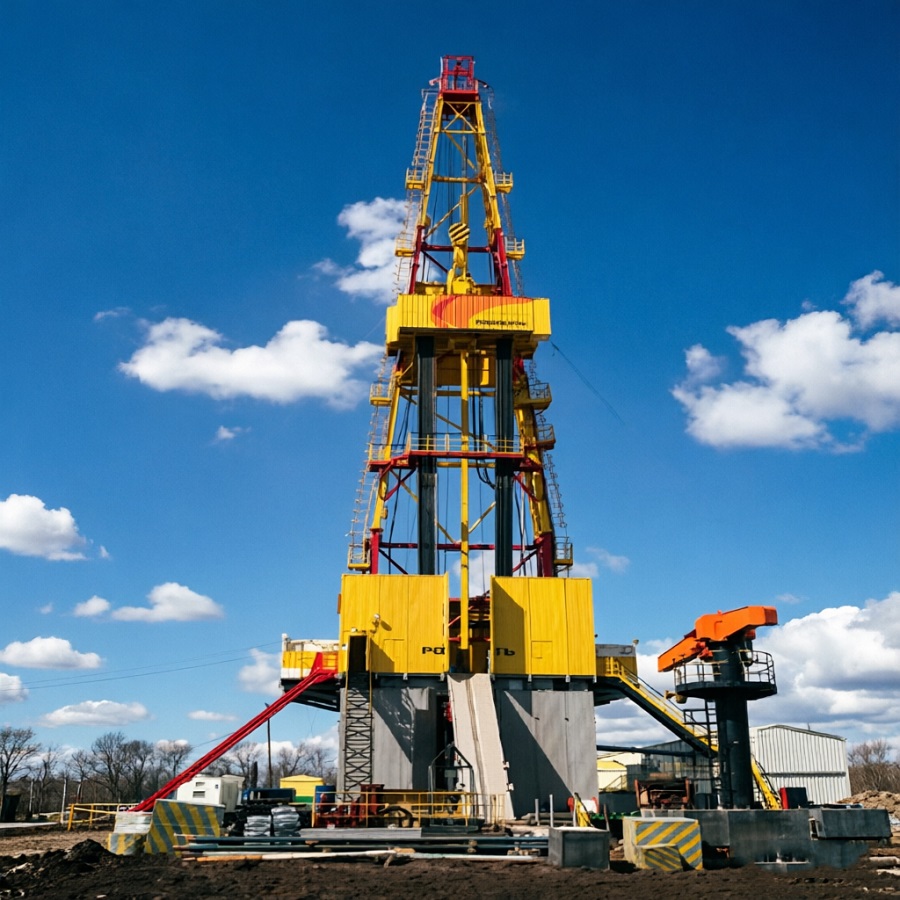
Product Types – Vertical Rigs We Offer
We manufacture several classes of vertical rigs, each optimized for different workover environments:
-
VLR‑30 (30 ton) – Light well servicing, rod pulling, shallow tubing work. Trailer‑mounted, single‑axle. Ideal for small service contractors.
-
VLR‑50 (50 ton) – The workhorse. Most popular model for conventional rod and tubing workover. Optional snubbing jack available.
-
VLR‑80 (80 ton) – For deeper wells and heavier tubing strings (3‑1/2" to 10,000+ ft). Standard snubbing option.
-
VLR‑120 (120 ton) – Heavy‑duty workover and snubbing. Skid‑mounted or truck‑mounted. Full snubbing package included.
-
Offshore Vertical Rig – Marine‑coated, explosion‑proof, compact footprint for platform deployment.
-
Electric‑Powered Vertical Rig – Zero emissions, quieter operation. Ideal for urban or environmentally sensitive areas.
Applications Where Vertical Rigs Deliver the Most Advantage
The advantages of vertical rigs become most visible in these specific applications:
-
High‑pressure wells (live‑well intervention) – Killing the well costs days and risks formation damage. A vertical rig with snubbing jack works against pressure, saving kill fluid and time.
-
Deep rod‑pumped wells – Precise hydraulic lifting prevents rod string shock and reduces breakage. Our customers report 30‑40% fewer rod failures after switching from conventional rigs.
-
Corroded tubing or stuck pipe – Smooth hydraulic pull allows you to apply steady force without shock loading. Conventional winch rigs tend to "snatch,” which can part the string.
-
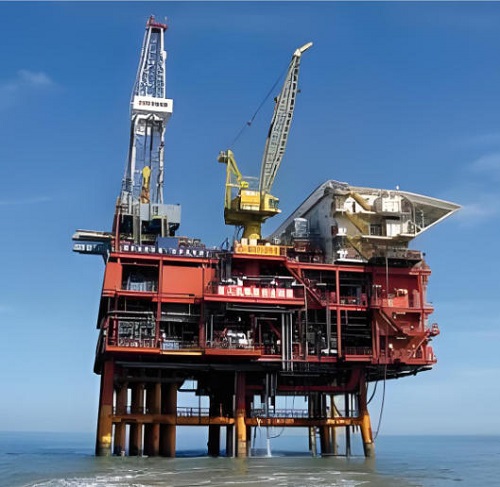
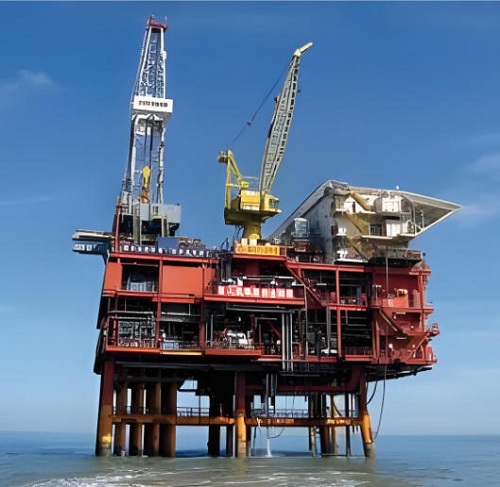
Offshore platform workovers – Space is tight. Vertical rigs have a smaller footprint and require no counterweight or guy lines. Skid‑mounted versions fit where conventional rigs cannot.
-
Arctic / extreme cold operations – Our cold‑weather vertical rigs start and run at -40°C. Conventional rigs struggle with frozen brake bands and stiff wireline.
-
Batch workover campaigns – Fast rig‑up/rig‑down means you can service 2‑3 wells per day instead of one. That is a direct revenue increase for service companies.
Why Choose SJ Petro for Your Vertical Rig?
You have read the advantages of vertical rigs. Now, why buy from SJ Petro specifically?
-
Sinopec‑backed manufacturing – Direct subsidiary of China’s largest oilfield equipment group. We are not a startup or a trading company. Our 180,000+ m² factory employs 314 R&D engineers and runs 2,100 advanced machines.
-
80+ years of oilfield heritage – We have been building drilling and well service equipment since the 1940s. Our vertical rig designs have been refined through thousands of field deployments.
-
API 4F, 7K, 8C certified – Full compliance. Third‑party inspection (ABS, DNV, BV, SGS) is always welcome. Your regulatory team will have no surprises.
-
Field‑proven reliability – Our vertical rigs are operating in Russia (-40°C), Middle East (+55°C), and Southeast Asia (offshore). We provide references upon request.
-
Short lead times – 90‑120 days for standard vertical rigs. Snubbing units as fast as 60 days. We stock critical hydraulic components.
-
Direct factory pricing – No middleman markup. You pay the manufacturer’s price for Sinopec‑level quality.
-
Global service & training – We send field engineers to your site for commissioning and operator training (1‑2 weeks). Remote support available for 12 months after delivery.
-
12‑month standard warranty – Extendable to 36 months. We also keep spare parts in Dubai, Singapore, and Houston (agent) for fast delivery.
Frequently Asked Questions (FAQ)
Q1: What is the single biggest advantage of a vertical rig over a conventional pulling unit?
Safety and control. The hydraulic counterbalance valve holds the load positively even if the engine dies. With a conventional rig, if the brake fails or the operator loses control, the string can fall. That risk does not exist with a properly designed hydraulic vertical rig.
Q2: Can a vertical rig handle snubbing (live‑well) operations without a separate unit?
Yes — if you order the snubbing jack option. Our VLR‑80 and VLR‑120 come with an integrated snubbing jack. The VLR‑50 can be upgraded. You do not need to buy a separate, dedicated snubbing unit.
Q3: How much faster is rig‑up with a vertical rig?
Typically 2‑3 hours from trailer arrival to ready‑to‑lift, with two crew members. A conventional workover rig of similar capacity takes 4‑6 hours with three or four crew members. That is a 50% reduction in non‑productive rig‑up time.
Q4: Does a vertical rig require a concrete foundation or guy wires?
No. The trailer or skid provides a stable base. The mast is self‑supporting and does not require guy lines. This is a major advantage on soft ground, gravel pads, or offshore platforms where guy anchors are impractical.
Q5: Are vertical rigs more expensive than conventional rigs?
Initial purchase price is typically 15‑25% higher for a hydraulic vertical rig. However, lower maintenance (no brake linings, no wireline replacement), faster rig‑up (less NPT), and snubbing capability (savings on kill fluids) usually mean payback within 12‑18 months. Many operators find the total cost of ownership is lower over a 5‑year period.
Q6: Can a vertical rig be retrofitted to an existing well service truck?
We offer complete trailer‑mounted and truck‑mounted vertical rigs. Retrofitting a hydraulic lift system onto an older conventional rig chassis is generally not cost‑effective. However, we can mount our VLR series on your new truck chassis. Contact us for integration engineering.
Q7: What maintenance does a vertical rig require?
Routine: hydraulic oil and filter changes every 2,000 operating hours. Check hoses and cylinder seals annually. No brake adjustments, no wireline replacement. Annual maintenance cost is typically 60‑70% lower than a conventional rig.
Q8: Do you offer training for our local crews?
Yes. We provide on‑site training for 1‑2 weeks, including classroom (hydraulic theory, safety) and hands‑on (rig‑up, operation, snubbing procedures). We also provide a full operations manual in English or your local language.
Q9: What is the typical lifespan of a hydraulic vertical rig?
15‑20 years with proper maintenance. Hydraulic cylinders and hoses are replaceable. The structural mast and frame are designed for indefinite service. Many of our early hydraulic rigs from the 1990s are still working daily in Chinese oilfields.
Q10: How can I get a cost‑benefit analysis for my fleet?
Send us your typical workover data (well count, depth, string type, pressure conditions, current rig‑up times) to export@sjpetro.com. Our engineering team will prepare a customized comparison showing estimated time savings, maintenance reduction, and return on investment for switching to vertical rigs.