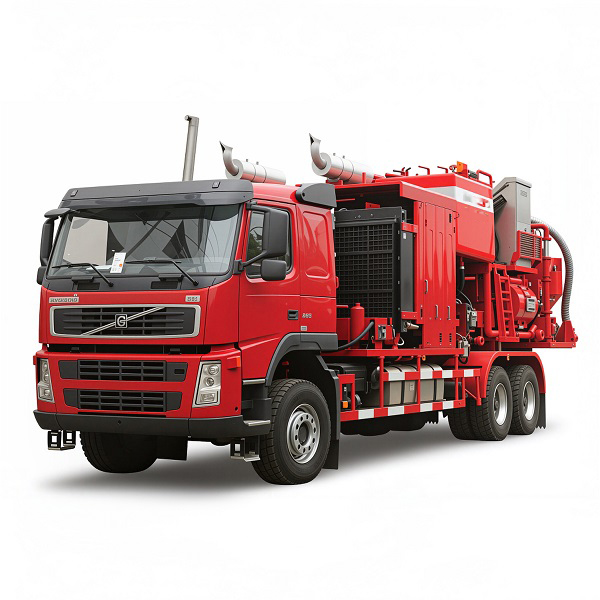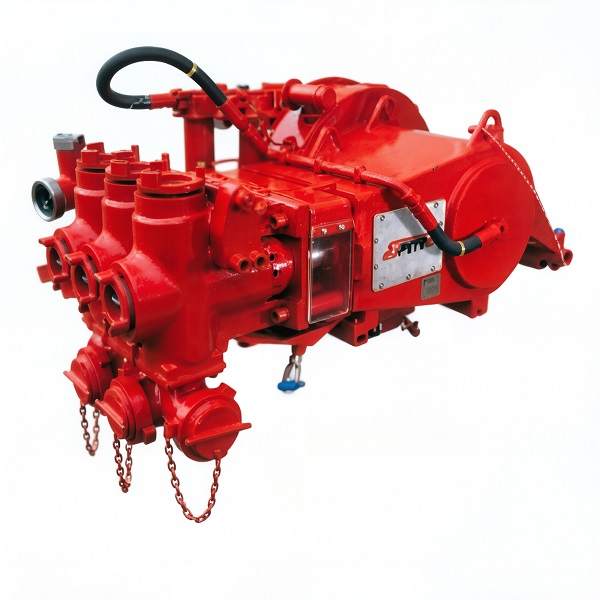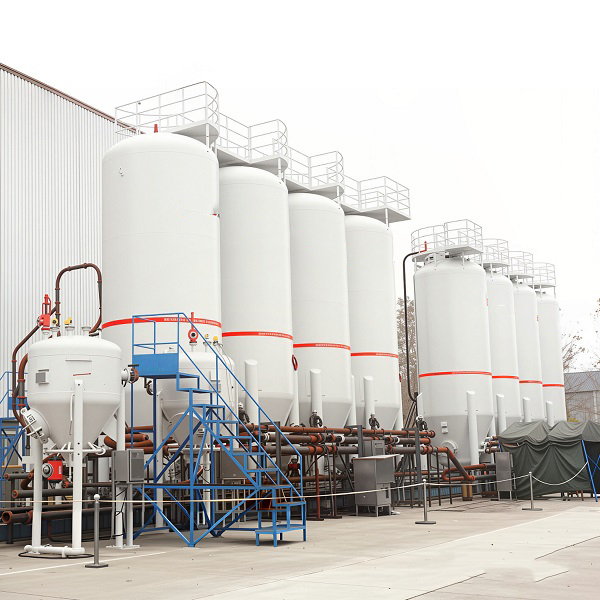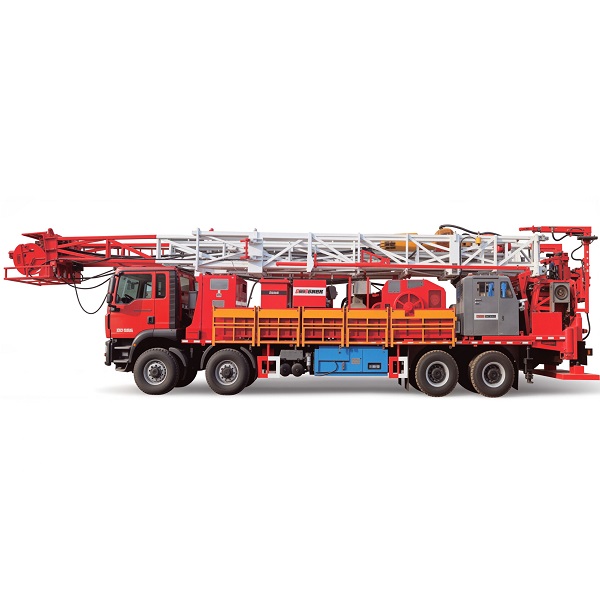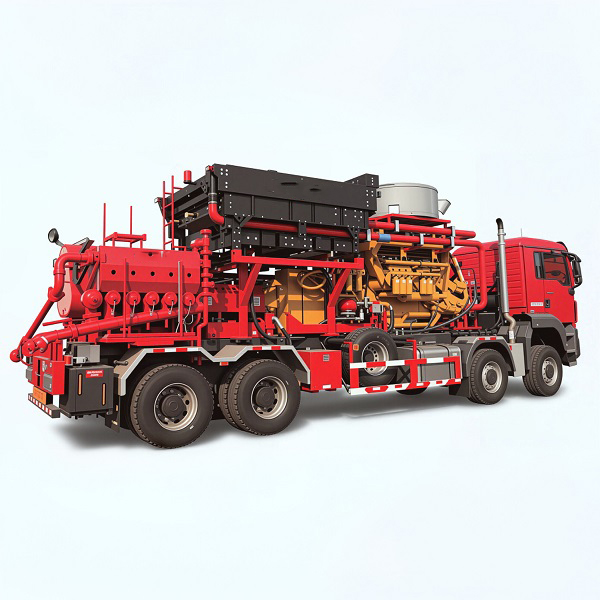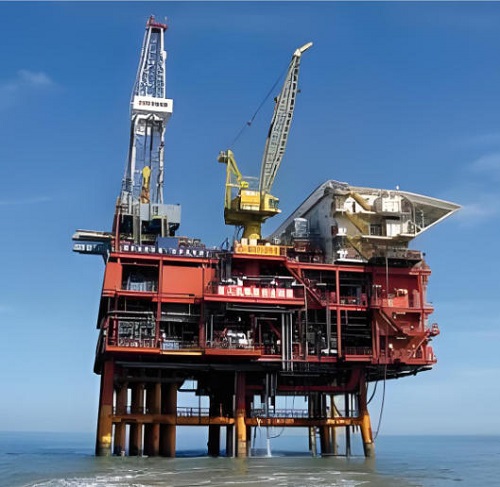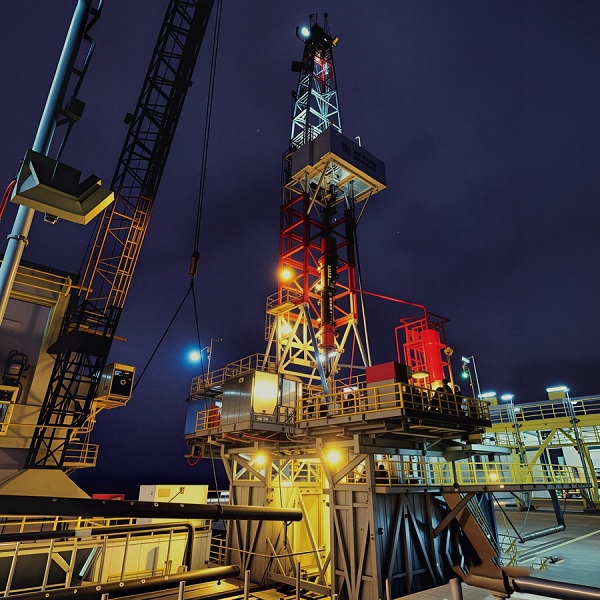
Side-track drilling rigs
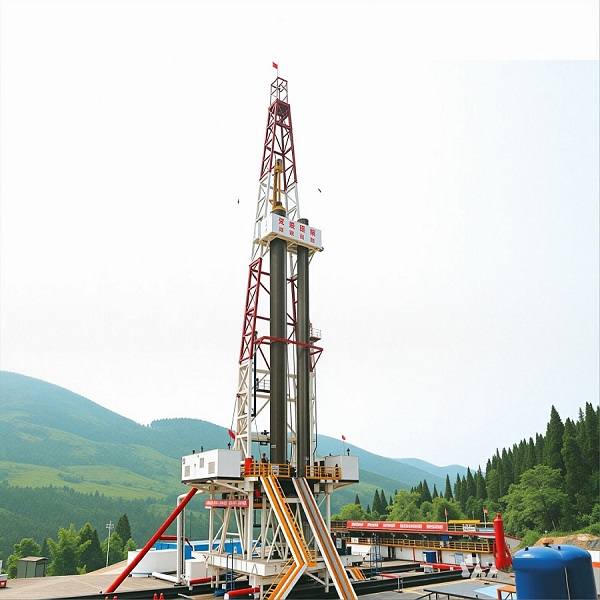
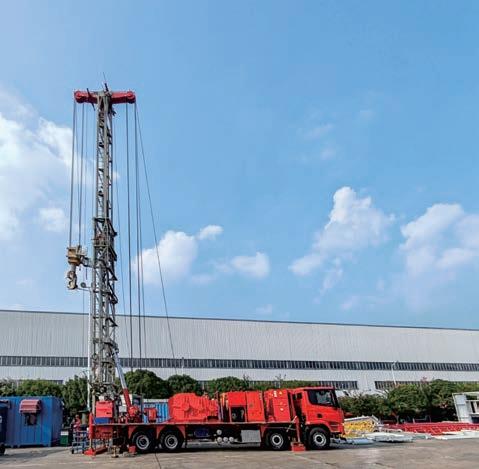
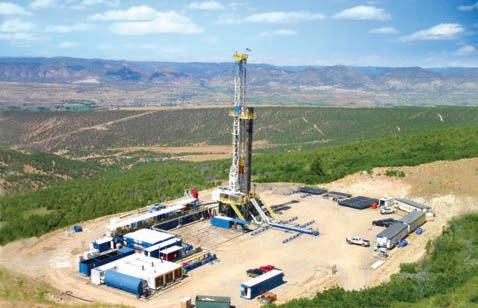
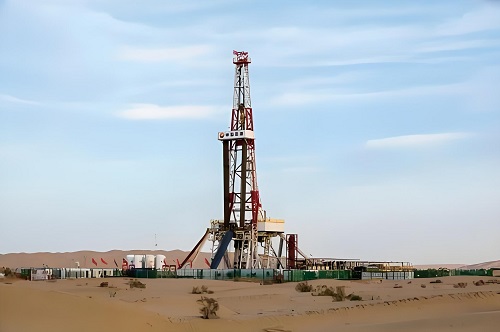
Technical Specifications
Side‑Track Drilling Rig Models
| Parameter | STR‑2000 | STR‑4000 | STR‑6000 | STR‑8000 |
|---|---|---|---|---|
| Nominal depth (m) | 2,000 | 4,000 | 6,000 | 8,000 |
| Max. hook load (kN) | 1,350 | 2,250 | 3,150 | 4,500 |
| Drawworks power (HP) | 600 – 1,000 | 1,000 – 1,500 | 1,500 – 2,000 | 2,000 – 3,000 |
| Maximum number of lines | 8 | 10 | 12 | 12 – 14 |
| Top drive capacity (t) | 250 | 350 | 500 | 650 |
| Rotary table opening (in) | 20.5 | 27.5 | 37.5 | 49.5 |
| Mud pump(s) | 1 × 800 HP | 2 × 1,000 HP | 2 × 1,600 HP | 3 × 1,600 HP |
| Max. circulating pressure (psi) | 5,000 | 5,000 / 7,500 | 7,500 / 10,000 | 10,000 / 15,000 |
| Drive type | Mech / SCR / VFD | SCR / VFD | VFD | VFD |
| Substructure height (m) | 4.0 – 5.5 | 5.5 – 7.0 | 7.0 – 9.0 | 9.0 – 11.0 |
| Mast type | API 4F – 115 ft | API 4F – 130 ft | API 4F – 146 ft | API 4F – 160 ft |
| Control system | Manual / HMI | HMI / Integrated | Integrated | Integrated + remote |
| Crew size (typical) | 5‑6 | 6‑8 | 7‑9 | 8‑10 |
| Rig‑up time (days) | 2‑3 | 3‑4 | 4‑5 | 5‑6 |
| API compliance | API 4F, 7K, 8C | API 4F, 7K, 8C | API 4F, 7K, 8C | API 4F, 7K, 8C |
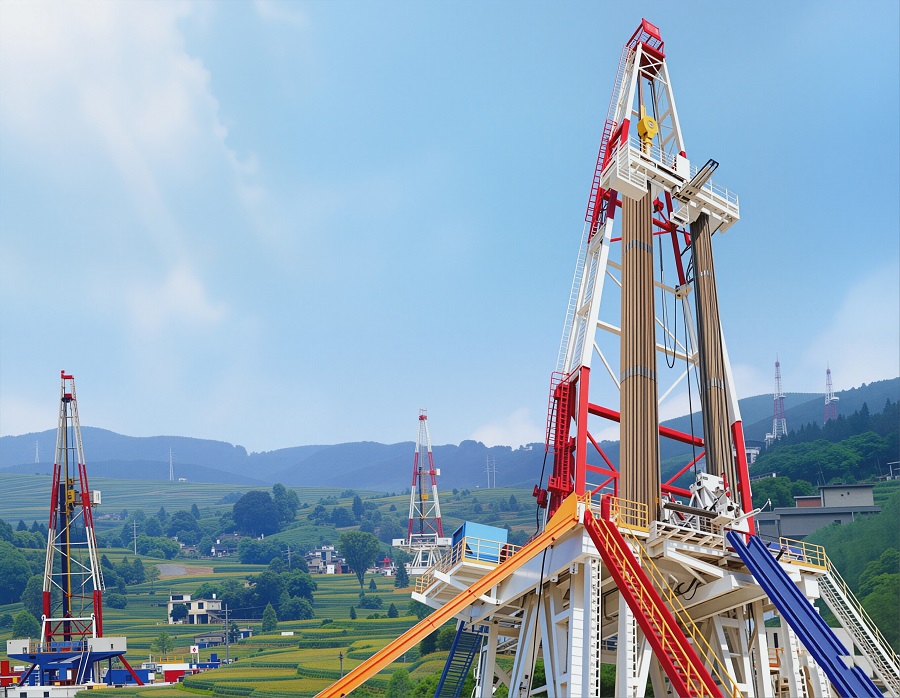
Sidetracking‑Specific Capabilities
| Parameter | Specification / Range |
|---|---|
| Minimum casing size for sidetrack | 5‑1/2″ (139.7mm) |
| Maximum sidetrack lateral length | 3,000m (with advanced BHA) |
| Maximum build‑up rate supported | 30° / 30m (with steerable motor) |
| Casing exit tools | Whipstock + mill / section mill |
| Kick‑off methods | Cement plug / anchored whipstock / bent housing motor |
| Data acquisition | Real‑time torque, WOB, RPM, pump pressure, pit volume |
| WITSML export | Standard |
| Certifications | API Q1, 4F, 7K, 8C; ISO 9001; CE/GOST optional |
Product Types – Side‑Track Drilling Rig Configurations
| Configuration | Depth Range | Key Features | Best For |
|---|---|---|---|
| STR‑M (Modular Land Rig) | 2,000 – 7,000m | Pin‑connected modules, truck transport, standard hydraulics | Land‑based mature fields, scattered well locations |
| STR‑W (Walking Pad Rig) | 3,000 – 8,000m | Hydraulic walking system, side‑saddle mast, stays energized during walks | Multi‑well pads, tight cluster development |
| STR‑O (Offshore Platform Rig) | 3,000 – 8,000m | Marine coatings, ABS/DNV certification, compact footprint | Jack‑ups, fixed platforms, FPSOs |
| STR‑C (Coiled Tubing Hybrid) | 1,500 – 4,000m | Integrated coiled tubing unit for light sidetracks | Depleted reservoirs, underbalanced applications |
| STR‑R (Rental Fleet Grade) | 2,000 – 6,000m | Standardized modules, quick interchange, full documentation | Contractors, short‑term campaigns |
All models can be equipped with:
-
AC VFD drive for precision control
-
Automated pipe handling system (iron roughneck, catwalk, pipe racking)
-
MPD / managed pressure drilling package for depleted reservoirs
-
Real‑time remote monitoring and data transmission
Applications – Where Side‑Track Drilling Rigs Deliver Maximum Value
| Application | Why Side‑track Drilling Rig | Typical Depth |
|---|---|---|
| Mature field revitalization | Tap unswept oil reserves at 30‑50% lower cost than new wells. Sidetracking has been shown to increase recovery factors by 5‑15% depending on reservoir characteristics. | 1,500 – 5,000 m |
| Bypassing mechanical damage | Sidetrack around collapsed casing, junk, or fish in the hole. An anchored whipstock eliminates time spent on waiting for cement curing and cement plug dressing, saving rig time and associated costs. | Variable |
| Offshore platform infill drilling | Maximize hydrocarbon recovery from a single platform without drilling new slots. Sidetracking provides access to multiple reservoir zones from single surface locations, reducing land use and environmental footprint. | 2,000 – 7,000 m |
| Casing integrity failure | Sidetrack through a window cut in the existing casing above the damaged section. Using an anchored whipstock is more reliable than cement plug in hard formations, small diameter wells, and high‑temperature/high‑pressure conditions. | 1,000 – 6,000 m |
| Horizontal sidetrack for enhanced recovery | Drill long horizontal laterals from existing vertical wells to access remaining oil. The global shift toward advanced recovery techniques, including sidetracking, is driven by projections that global oil demand will plateau around 106 million barrels per day by 2030. | 1,500 – 8,000 m |
| Geothermal re‑entry | Convert abandoned oil/gas wells to geothermal production. | 500 – 4,000 m |
| Plug and abandonment (P&A) | Prepare wells for permanent abandonment by setting plugs and isolating zones. Modular drilling rigs are primarily designed for cased hole drilling, well intervention, workovers and plug and abandonment operations (isolating old wells and recovering spent tubulars and casings). | Variable |
Real‑world example: A Statoil sidetrack operation on the Norne field in the Norwegian Sea took just 30 days – while a conventional sidetrack in a well of that type would take longer to drill and incur higher equipment costs. The new sidetrack was expected to flow almost 19,000 barrels of oil per day.
Why Choose SJ Petro for Your Side‑Track Drilling Rig?
1. Decades of Experience with Brownfield Development
SJ Petro is a subsidiary of Sinopec Oilfield Equipment Corporation – part of the world's largest oil refining and marketing company. Sinopec has extensive experience revitalizing mature fields across China’s largest oil basins. We understand what works (and what doesn't) in sidetracking operations because we’ve done it ourselves.
2. Designed for the Economic Case – Not Just Technical
Sidetracking is ultimately about economics. Our rigs are engineered to minimize total project cost, not just meet technical specifications. Features like small crew size, low fuel consumption, fast rig‑up, and long maintenance intervals are not afterthoughts – they are primary design drivers.
3. Compact, Modular, and Offshore‑Ready
For operators working on space‑constrained platforms or remote land pads, our modular design can be assembled in areas as small as 15m × 12m. The rig can be positioned directly over an existing wellhead without removing adjacent equipment. All components are API‑certified (4F, 7K, 8C, Q1) and third‑party inspections are welcome.
4. Flexible Commercial Models – Own, Lease, or Rent
We understand that sidetracking campaigns can vary in length and frequency. Our side‑track drilling rigs are available through:
-
Outright purchase – standard 30/40/30 payment terms
-
Operating lease – 12‑60 months, maintenance included
-
Rental – short‑term rental for single projects (minimum 3 months)
-
Rent‑to‑own – after 24‑36 months, ownership transfers
5. Global Service & Spare Parts Network
We maintain service hubs in Dubai (Middle East), Houston (Americas), and Singapore (Asia‑Pacific), with:
-
24/7 remote diagnostics – our engineers can log into the control system (with your permission) to troubleshoot
-
Critical spare parts inventory – chains, brakes, seals, sensors, and controllers stocked for rapid air freight
-
On‑site commissioning and training – included with every rig
6. Full Sidetracking Tool Integration
Your side‑track drilling rig is only as effective as the tools it runs. We supply or integrate:
-
Whipstock systems (openhole and cased‑hole)
-
Casing exit mills (section mills, watermelon mills, pilot mills)
-
Steerable motors (high‑torque, high‑build‑rate)
-
MWD / RSS (through partners or your preferred brand)
-
Fishing tools (overshots, jars, spears, magnets)
You get one point of contact for the entire sidetracking system.
7. Proven Field Results – Not Just Promises
Our side‑track drilling rigs have been used in:
-
Sinopec's mature fields (Shengli, Zhongyuan, Henan) – thousands of sidetracks completed
-
Offshore Bohai Bay – platform sidetracks in water depths up to 40m
-
Export projects in Kazakhstan and the Middle East – re‑entry and horizontal sidetracking
FAQ – Side‑track Drilling Rigs
Q1: What is the difference between a side‑track drilling rig and a conventional drilling rig?
A: A conventional drilling rig is designed for drilling new wells from scratch – it requires large space, a tall mast, and significant site preparation. A side‑track drilling rig is purpose‑built for re‑entry operations: compact footprint, lower mast height (to clear existing wellhead equipment), modular design for fast rig‑up, and optimized for milling casing windows and drilling short‑to‑medium radius laterals. It can also function as a standard workover rig.
Q2: How deep can your side‑track drilling rig drill?
A: Our STR‑8000 model is rated for 8,000 meters total measured depth – suitable for the deepest sidetracking applications. The STR‑6000 model (6,000m) is sufficient for most mature field re‑entries. Depth capacity depends on the casing program, hole size, and sidetrack angle – contact our engineers for a specific well assessment.
Q3: Can your rig perform both vertical and horizontal sidetracking?
A: Yes. Our rigs are equipped with top drives and control systems compatible with steerable motors, rotary steerable systems (RSS), and measurement‑while‑drilling (MWD) tools. Build‑up rates up to 30° per 30m are achievable with the appropriate downhole motor and BHA configuration.
Q4: How much does a side‑track drilling rig cost compared to a new conventional rig?
A: A side‑track drilling rig is typically 30‑50% lower in capital cost than a full‑size conventional rig of equivalent depth capacity. Operating costs (crew, fuel, maintenance) are also 20‑30% lower due to smaller crew size and lower power consumption. For many operators, the combination of lower capital and operating costs makes sidetracking economically viable where new wells are not.
Q5: How long does it take to rig up the rig on site?
A: With a trained crew of 6‑8 people, a typical modular side‑track drilling rig can be rigged up and ready to start milling within 2‑5 days, depending on the model and site conditions. This is roughly half the time required for a conventional drilling rig of similar depth capacity.
Q6: What casing sizes can your rig work with for sidetracking?
A: Our rigs can perform sidetracking through casing sizes from 5‑1/2″ (139.7mm) up to 13‑3/8″ (339.7mm). For larger casing sizes (16″+), we offer custom configurations. The rig's BOP stack and rotary table are sized to match your specific wellhead equipment.
Q7: Do you offer training for our crew on sidetracking operations?
A: Yes. Every rig purchase includes 7 days of on‑site training covering: rig assembly/teardown, casing exit procedures, whipstock orientation, sidetrack drilling parameters, and emergency response. We also provide simulator‑based training for driller certification.
Q8: What is the typical return on investment for a side‑track drilling rig?
A: For a campaign of 5‑10 sidetracks, the rig can often pay for itself within 12‑24 months. The economics are driven by: (1) 30‑50% lower cost per sidetrack compared to drilling new wells, (2) 5‑15% additional recovery factor from bypassed reserves, and (3) extended field production life by 5‑10 years. We can provide a confidential ROI projection based on your specific field data.