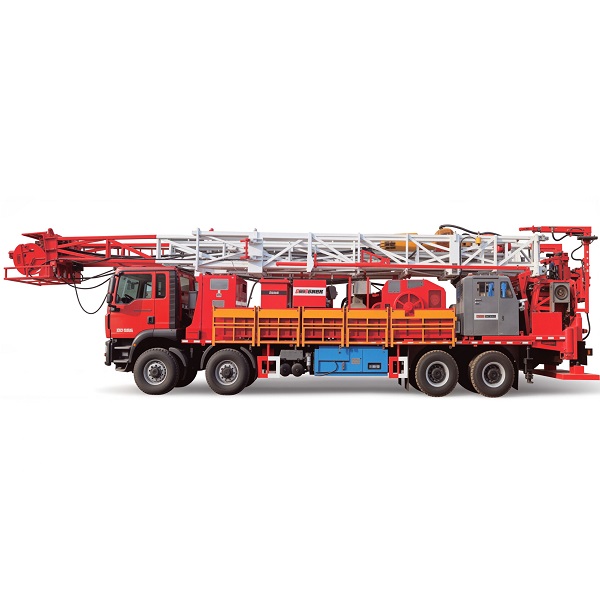
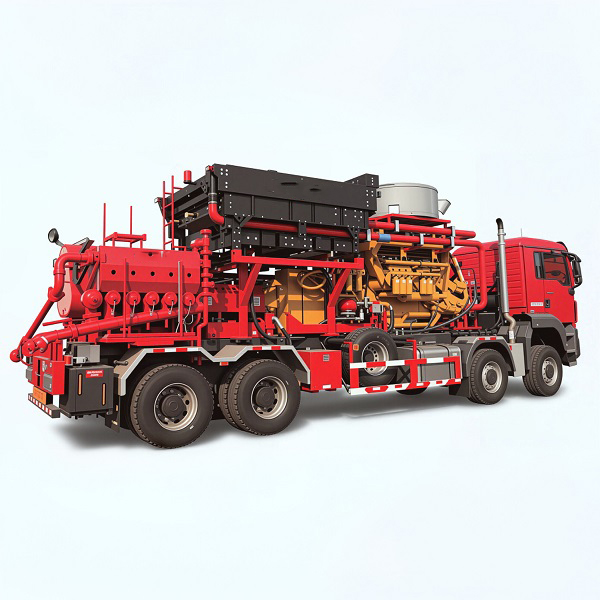
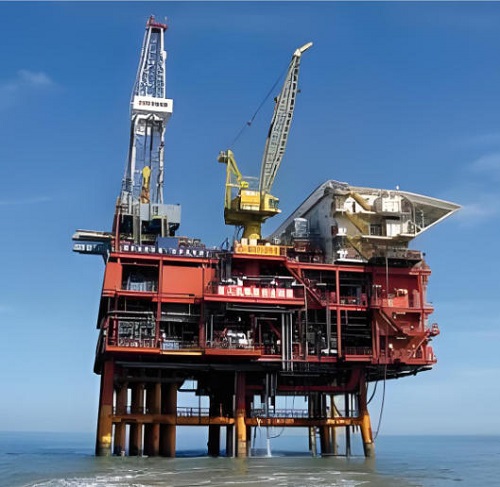
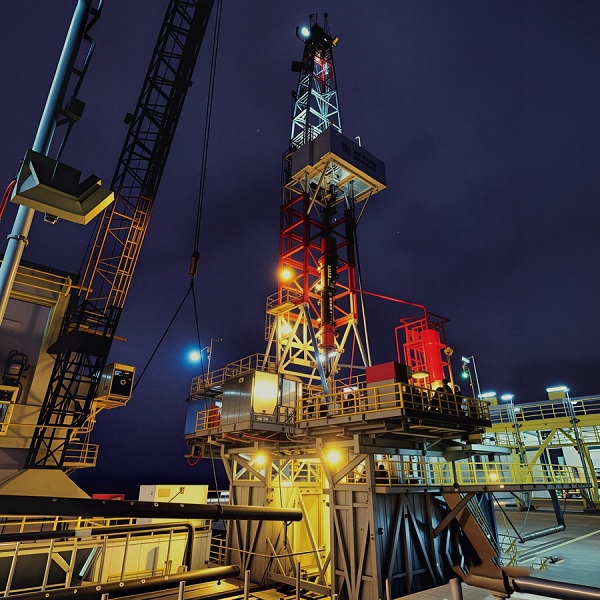
Offset oil drilling rigs
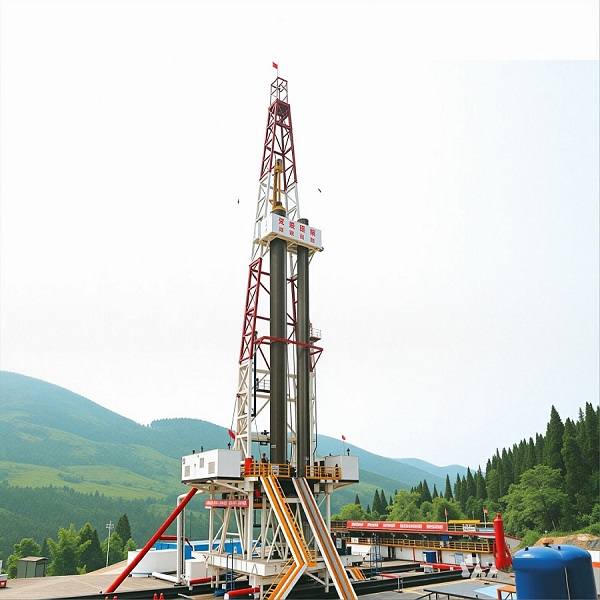
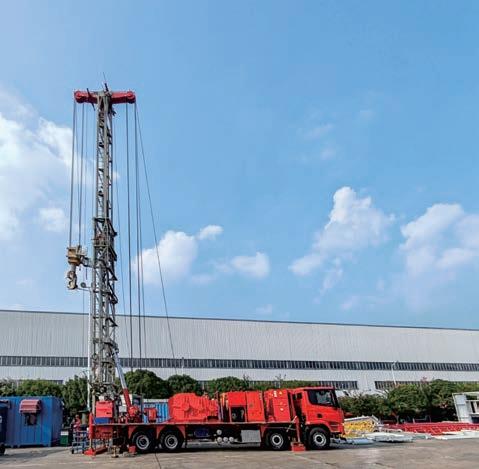
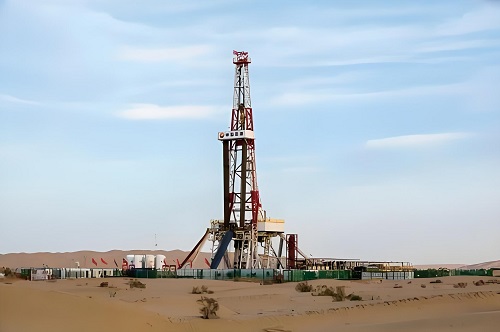
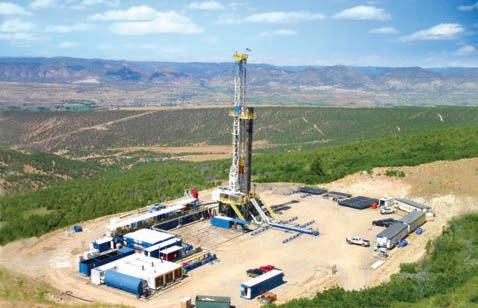
Technical Specifications – Offset Drilling Rig Models
ZJ Series Offset Drilling Rigs (Representative Models)
| Parameter | ZJ40‑OF | ZJ50‑OF | ZJ70‑OF | ZJ90‑OF |
|---|---|---|---|---|
| Nominal depth (m) | 4,000 | 5,000 | 7,000 | 9,000 |
| Hook load (kN) | 2,250 | 3,150 | 4,500 | 6,750 |
| Drawworks power (HP) | 1,000 | 1,500 | 2,000 | 3,000 |
| Drive type | VFD / SCR | VFD | VFD | VFD |
| Derrick type | Offset, API 4F | Offset, API 4F | Offset, API 4F | Offset, API 4F |
| Well center offset – X axis (mm) | 0‑800 | 0‑1,000 | 0‑1,200 | 0‑1,500 |
| Well center offset – Y axis (mm) | 0‑600 | 0‑800 | 0‑1,000 | 0‑1,200 |
| Setback area (m²) | 25‑30 | 30‑38 | 38‑45 | 45‑55 |
| Mobility type | Skid / walking / rail | Skid / walking / rail | Walking / rail | Walking / rail |
| Mast height (ft) | 130 | 140 | 150 | 160 |
| Operating temp (°C) | -35 to +50 | -35 to +50 | -35 to +50 | -35 to +50 |
| API compliance | 4F, 7K, 8C | 4F, 7K, 8C | 4F, 7K, 8C | 4F, 7K, 8C |
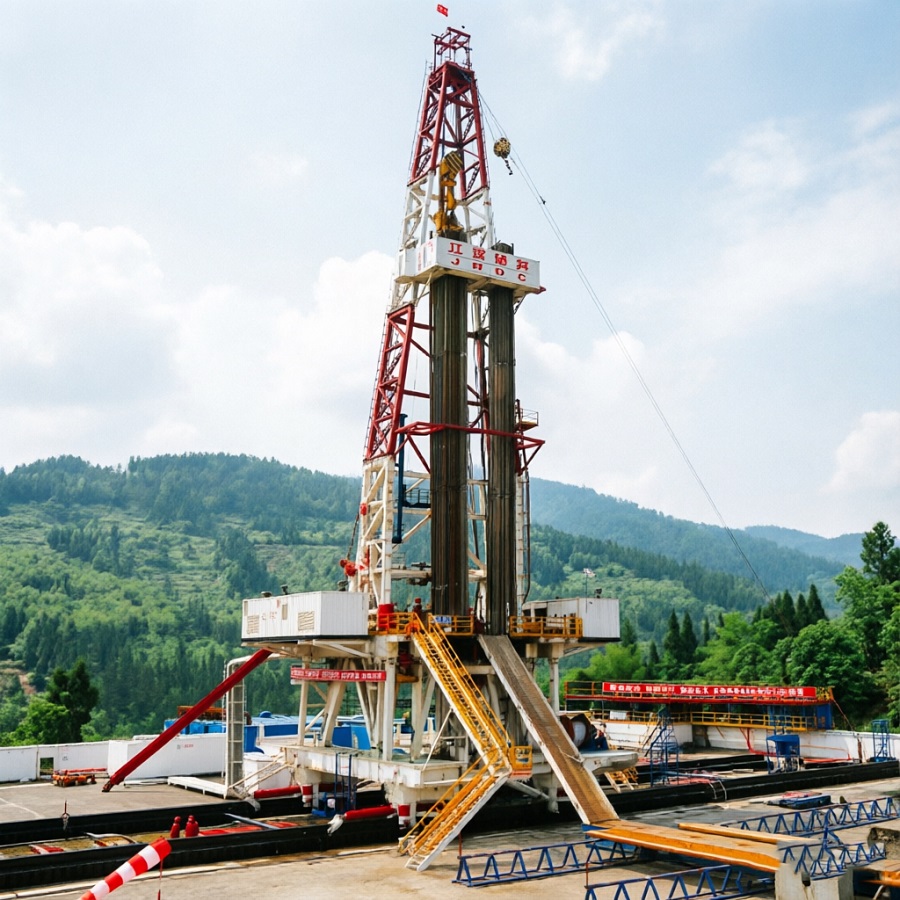
Cantilever Configuration (Offshore Jackup Version)
| Parameter | JACK‑OF‑50 | JACK‑OF‑70 |
|---|---|---|
| Maximum cantilever reach (ft) | 85‑100 | 100‑115 |
| Well center offset range (ft) | 0‑10 (X), 0‑8 (Y) | 0‑12 (X), 0‑10 (Y) |
| Total well slots reachable from one position | 6‑9 | 8‑12 |
| Cantilever skid system | Hydraulic, electric optional | Hydraulic, electric optional |
| Load capacity at full offset | 1,500 kN | 2,200 kN |
| DNV / ABS class | Optional | Optional |
Offset Well Center Geometry
| Parameter | Value |
|---|---|
| Minimum center‑to‑center well spacing supported | 5 m (standard), 3 m (high‑density) |
| Maximum offset travel (walking rig) | 15 m from original position |
| Collision avoidance integration | Real‑time separation factor (OSF) monitoring |
| Offset calibration method | Laser alignment + encoder feedback |
Product Types – Offset Oil Drilling Rig Configurations
| Configuration | Depth Range | Key Offset Features | Best For |
|---|---|---|---|
| Land Offset Walking Rig | 3,000 – 7,000 m | Hydraulic walking, offset well center, integrated skid system | High‑density onshore pads, maximum well coverage per pad |
| Land Offset Skid Rig | 3,000 – 5,000 m | Manual or hydraulic skid, smaller offset range | Conventional pad drilling, moderate density |
| Jackup Offset Derrick | 4,000 – 9,000 m | Dual‑axis offset, extended cantilever, largest setback capacity | Offshore jackup platforms, multi‑well slot coverage |
| Platform Offset Skid Rig | 3,000 – 7,000 m | Fixed platform mount, offset well center for crowded decks | Offshore fixed platforms, infill drilling between existing wells |
| Arctic Offset Walking Rig | 3,000 – 5,000 m | All offset features + heated components, -45°C rating | Permafrost pads, winter drilling with minimum footprint |
All offset models are available with:
-
VFD drive – precise control for offset well center positioning
-
Automated pipe handling – catwalk, iron roughneck, pipe racking system
-
Real‑time collision monitoring – anti‑collision algorithms integrated with offset geometry
-
Remote operation console – driller's cabin with enhanced visibility screens
Applications – Where Offset Oil Drilling Rigs Deliver Maximum Value
| Application | Why Offset Rig | Typical Benefits |
|---|---|---|
| Onshore cluster pad drilling | High‑density pads (10‑30 wells) require covering multiple wellheads without moving the rig extensively. Offset well center + walking system maximizes pad coverage. | 30‑50% reduction in rig move time between wells. Increased well count per pad reduces land footprint and infrastructure cost. |
| Offshore jackup platform | A jackup has a fixed position but can extend its cantilever over a limited area. Offset well center increases the number of reachable slots from that single position. | 20‑40% more well slots per jackup location. Reduced need for repositioning and ballasting. |
| Infill drilling on mature pads | Existing pads have closely spaced wells (as tight as 5m). Conventional rigs cannot drill new wells without colliding with existing wellheads or hitting surface infrastructure. | Offset well center plus anti‑collision trajectory design enables 5m spacing. Access untapped reserves without expanding pad. |
| Simultaneous operations (SIMOPS) | On multi‑well pads, a drilling rig and workover rig may need to operate in close proximity (as little as 95m apart). Offset well center allows better space allocation. | Successfully implemented in North Kuwait where a workover rig was deployed while infill drilling continued on the same pad. |
| Platform slot‑constrained environment | Fixed platforms have a limited number of slots. Offset well center enables sidetracking from existing slots to reach new targets without new slot construction. | Access new reservoir targets at 30‑50% lower cost than drilling new wells from surface. |
| Geothermal field drilling | Geothermal pads often have limited surface area. Offset well design improves well coverage from existing pads. | Reduce environmental footprint while accessing more thermal resource. |
| Urban / environmentally sensitive areas | Limited footprint available. Each well pad must maximize its coverage. Offset rig minimizes number of pads required. | Lower land acquisition cost, reduced surface infrastructure, less community disruption. |
Real‑world reference: ZPEB International first introduced cluster well drilling techniques and sliding rail relocation technology to Kuwait in 2011, which have been widely adopted in the local market. Cluster well drilling offers advantages including land conservation, shortened well construction time cycles, and cost efficiency, while ensuring surface facility safety and underground wellbore trajectory integrity. Our offset drilling rigs take this concept further by optimizing the rig's geometry for these dense pad environments.
Why Choose SJ Petro for Your Offset Oil Drilling Rig?
1. We Engineer Offset Geometry – Not Just "Bolt‑On” Modifications
Many suppliers offer offset well center as an after‑thought – a modified mast mounting position that compromises stability. Our offset oil drilling rigs are engineered from the ground up with the offset geometry integrated into the mast design, substructure, and load path analysis. The center of gravity calculations, cantilever beam stress analysis, and dynamic load cases all account for the offset position. You get a rig that is stable and safe at full offset – not a compromised design.
2. Optimized for Cluster Well Pads – Field Proven
Offset drilling rigs are the natural companion to cluster well drilling. Our designs draw directly from Sinopec's extensive experience with cluster pad development in China’s largest oil basins. We understand the real‑world challenges: close well spacing, collision avoidance, rig move optimization, and surface congestion. The offset well center solves all of these.
3. Maximized Cantilever Reach for Jackups
For offshore jackup operators, every extra foot of cantilever reach translates to additional well slots and reduced rig moves. Our offset design improves load distribution to cantilever support beams, maximizing loading capability and enabling extended reach. The offset well center and setback arrangement positions the center of gravity for maximum drilling and setback load combinations near the center of the drill floor.
4. Enhanced Safety Through Better Visibility
Poor visibility is a leading contributor to drill floor incidents. Our offset well center gives the driller an unobstructed view of the entire drill floor, mousehole, and setback area – not blocked by the mast. This is not a minor convenience; it has been recognized in US patents as a significant safety enhancement.
5. Backed by Sinopec – World's Largest Energy & Chemicals Company
As a wholly‑owned subsidiary of Sinopec Oilfield Equipment Corporation, we are part of a Fortune Global 500 enterprise with decades of drilling experience across land and offshore operations. Our rigs are designed using actual field feedback – not just theoretical calculations. When you buy from us, you get proven engineering.
6. API Certified – No Shortcuts
All our offset drilling rigs are designed and manufactured in accordance with API 4F (masts and substructures), API 7K (drawworks), API 8C (top drives), and API Q1 (quality management). Third‑party inspection (ABS, DNV, BV, SGS) is welcome at every stage. Full documentation packages available for regulatory approval.
7. Global Service & Parts – Reliable Support Anywhere
We maintain regional service hubs in Dubai (Middle East), Houston (Americas), and Singapore (Asia‑Pacific), with:
-
24/7 remote diagnostics – Engineers can log into the control system (with your permission) to troubleshoot offset calibration, safety zone issues, and motion control parameters
-
Critical spare parts inventory – Offset‑specific components (mast interface pins, sliding pads, walking cylinders) are stocked
-
Field service – On‑site commissioning, training, and repairs available globally
8. Flexible Commercial Models – Own, Lease, or Rent
We understand that cluster drilling campaigns vary in length. Our offset drilling rigs are available through:
| Option | Term | Description |
|---|---|---|
| Outright purchase | N/A | Standard 30/40/30 payment terms |
| Operating lease | 12‑60 months | Monthly payments, maintenance included, ideal for dedicated pad campaigns |
| Short‑term rental | 3‑12 months | For specific projects, includes support |
| Rent‑to‑own | 24‑36 months | Ownership transfers at term end |
FAQ – Offset Oil Drilling Rig
Q1: What exactly is an "offset” drilling rig?
A: In an offset drilling rig, the well center (the point over the borehole) is not aligned with the derrick's centerline. The well center is offset in both the X‑ and Y‑axes relative to the mast. This provides a larger setback area, improved driller visibility, and extended cantilever reach – all while keeping the center of gravity stable. It is particularly advantageous for cluster well pads and jackup applications where multiple wells must be drilled from a single position.
Q2: How much offset can your rigs achieve?
A: Our land offset rigs typically provide 300‑1,500mm offset in both X and Y axes, depending on the model and mast design. For offshore jackup versions, the effective well center offset can be greater due to the cantilever extension – up to 3‑4 meters equivalent offset from the original jackup position. Custom offsets are available for specific pad layouts – contact our engineering team with your requirements.
Q3: Is there any loss of stability or load capacity with offset well center?
A: No. Our offset rigs are engineered specifically for the offset geometry. The mast and substructure are reinforced to maintain rated hook load and wind stability at maximum offset. The center of gravity of the derrick is positioned for maximum drilling and setback load combinations near the center of the drill floor. The load capacity at full offset is clearly specified in our technical datasheets.
Q4: Can an offset drilling rig walk between wellheads on a pad?
A: Yes. Our offset walking rig combines the offset well center design with a hydraulic walking system. The offset geometry already accounts for the fact that the rig will be positioned over different wellheads – the walking system simply moves the entire rig laterally. Because the offset well center is built into the mast, you get the benefits of both: wide pad coverage and optimal geometry at each well location.
Q5: What is the difference between your offset rig and a standard rig with a side‑saddle mast?
A: A side‑saddle mast simply shifts the mast to one side of the drill floor. Our offset well center design is more sophisticated – the well center is offset relative to the derrick centerline, not just the mast position. This allows larger setback capacity, better weight distribution, and improved driller visibility from all angles. The offset is typically dual‑axis (X and Y), not just lateral.
Q6: Is the offset drilling rig suitable for offshore jackup applications?
A: Absolutely. The concept was pioneered for jackup rigs to enable extended cantilever reach and greater slot coverage. The offset well center and setback arrangement maximizes load capabilities on cantilever beams and allows for unobtrusive stand‑building operation. We offer both standard offshore offset rigs and fully classed (ABS/DNV) versions.
Q7: Do you offer retrofitting existing rigs to offset well center configuration?
A: Yes, with limitations. For rigs with a modular mast and substructure design, we can retrofit an offset well center by modifying the mast base and floor layout. The process typically requires 6‑8 weeks of engineering and 4‑6 weeks of field modification. A site survey is required – contact us for a feasibility assessment.
Q8: What documentation do you provide for offset well center certification?
A: We provide complete engineering documentation including: offset geometry drawings, center‑of‑gravity calculations, mast stress analysis at maximum offset, load distribution reports, and stability certifications. For offshore versions, we supply class society documentation for ABS/DNV approval of the offset design. API 4F, 7K, and 8C monograms apply.
Q9: How does your offset rig handle anti‑collision monitoring on dense pads?
A: Our control system includes real‑time separation factor (OSF) monitoring. It tracks the position and trajectory of adjacent wells and compares them to the planned offset position. If the collision risk exceeds preset thresholds (typically OSF < 1.5), the system alerts the driller and can automatically slow or stop motion. The offset well center geometry is fully integrated into the collision model.
Q10: What is the typical lead time for a custom offset drilling rig?
A: Standard offset rigs (based on our proven designs) are available in 4‑6 months. Rigs with custom offset geometry (non‑standard X/Y offsets, special pad compatibility) require 6‑8 months. Offshore classed versions require 8‑10 months. Expedited delivery available for certain configurations – contact us with your timeline.