Oilfield cementing service
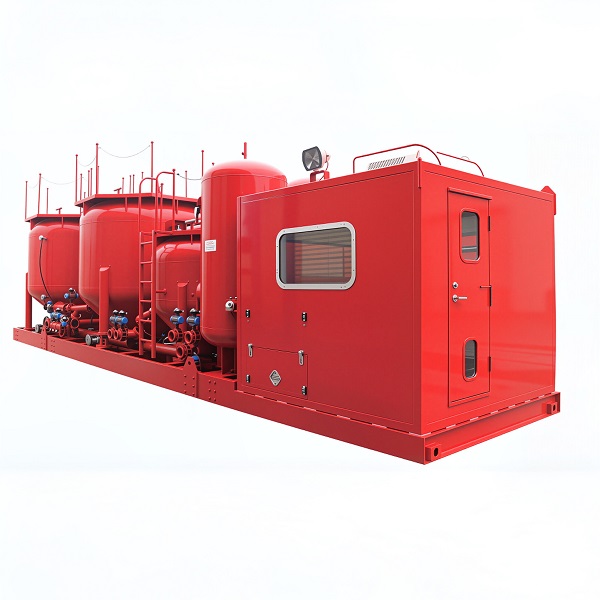
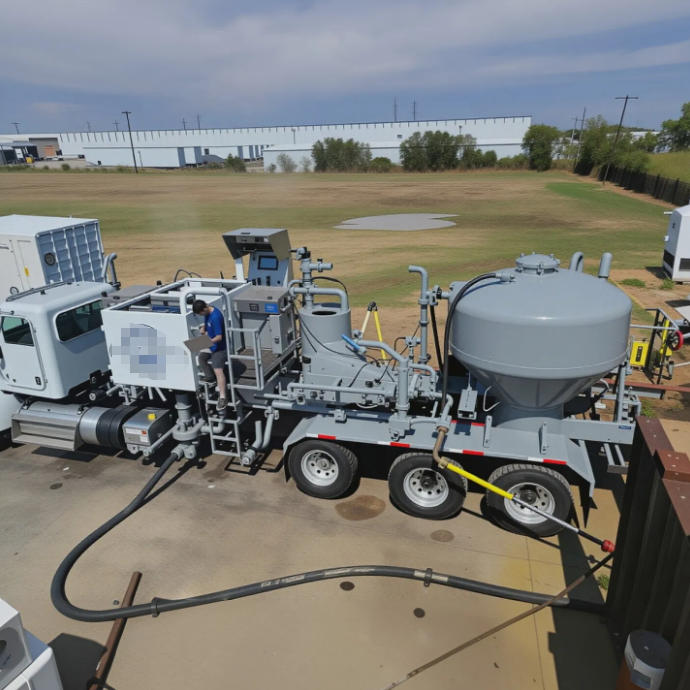
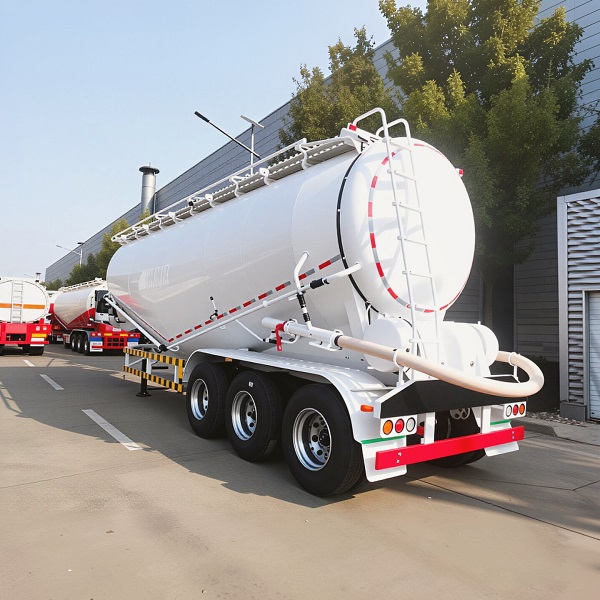
Technical Specifications – Complete Cementing Service Parameters
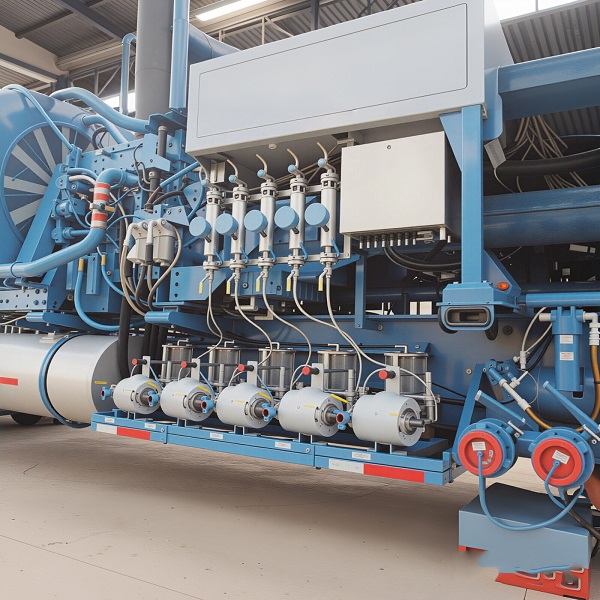
The table below summarizes key technical capabilities across our cementing service platform.
| Parameter | Land (Truck) | Land (Skid) | Offshore (Skid) | Deepwater (High‑Spec) |
|---|---|---|---|---|
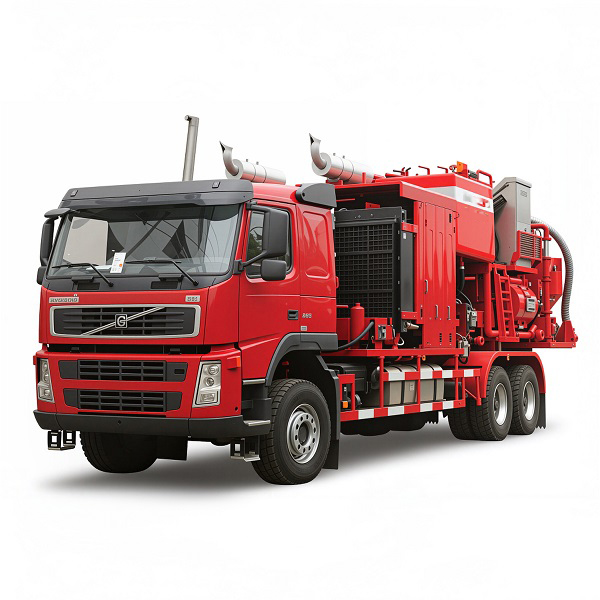
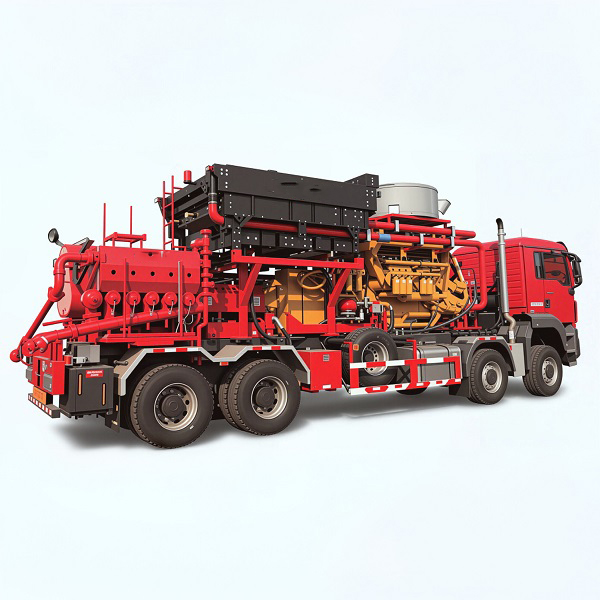
| Unit type | Twin pump truck | Single / twin pump skid | Twin pump skid | High‑HP split skid |
| Drive | Truck chassis + deck engine | Diesel‑hydraulic | Diesel‑electric or hydraulic | Diesel‑electric or AC |
| Total horsepower | ~1,000 HP | 475 – 1,072 HP | 1,000 – 3,000+ HP | 1,600 – 3,450+ HP |
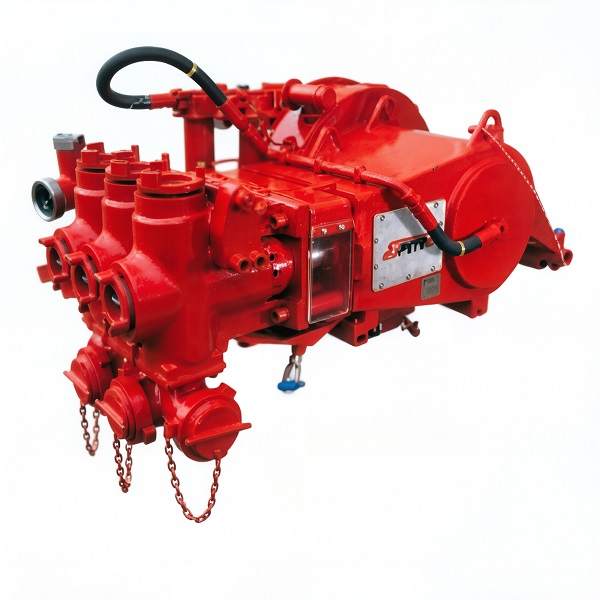
| Max working pressure | 103.5 MPa (15,000 psi) | 77 – 103 MPa | 103 – 138 MPa (15,000 – 20,000 psi) | 138+ MPa (20,000+ psi) |
| Max pump rate | 1.5 m³/min | 0.3 – 2.7 m³/min | 2.7 – 4.0+ m³/min | 4.0 – 5.0+ m³/min |
| Density control | ACM-IV.1 | ACM-IV.1 | ACM-IV.1 / ACC | ACC / dual mixing |
| Control system | PLC + DAS (wired/wireless) | PLC + DAS | PLC + DAS + remote | Automated + remote |
| Downhole tools | Full API 10D suite | Full API 10D suite | Marine‑grade tools | HPHT tools |
| Slurry design | In‑house lab | In‑house lab | Specialized additives | HPHT & foam |
| Applications | Onshore wells | Land / desert / offshore | Platform / jack‑up / drillship | Deepwater / ultradeep |
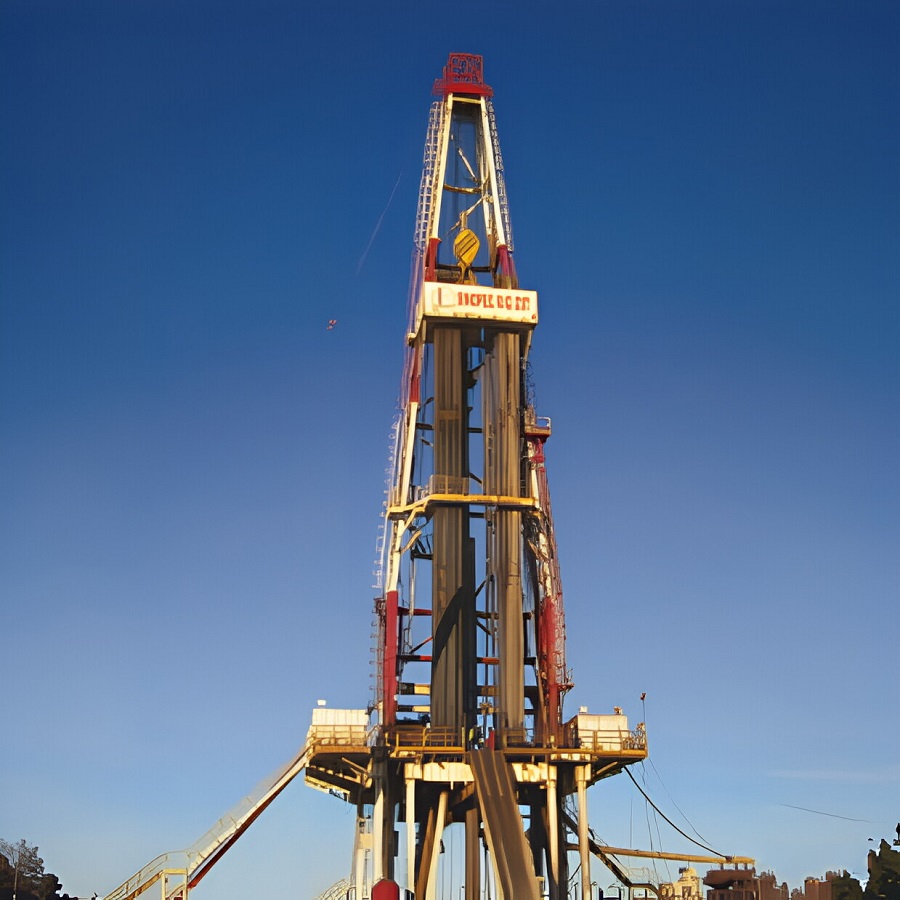
Applications – Where Our Cementing Service Excels
| Application | Service Type | Key Requirement |
|---|---|---|
| Onshore conventional wells | Primary casing cementing | Reliable execution, fast move‑between‑wells |
| Shale / tight gas (multi‑well pads) | Batch cementing | High‑density operations, quick rig‑up / rig‑down |
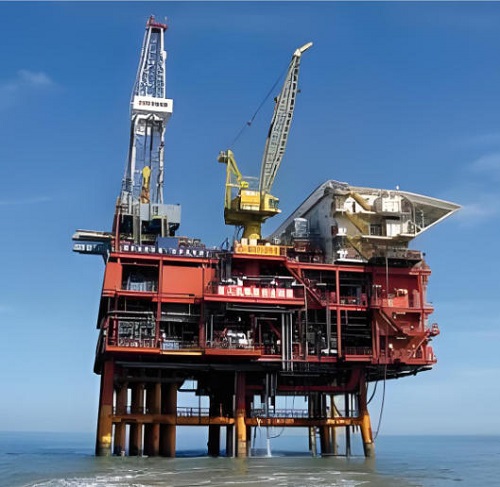
| Offshore platform | Casing / liner cementing | Compact footprint, corrosion‑resistant equipment, remote operation |
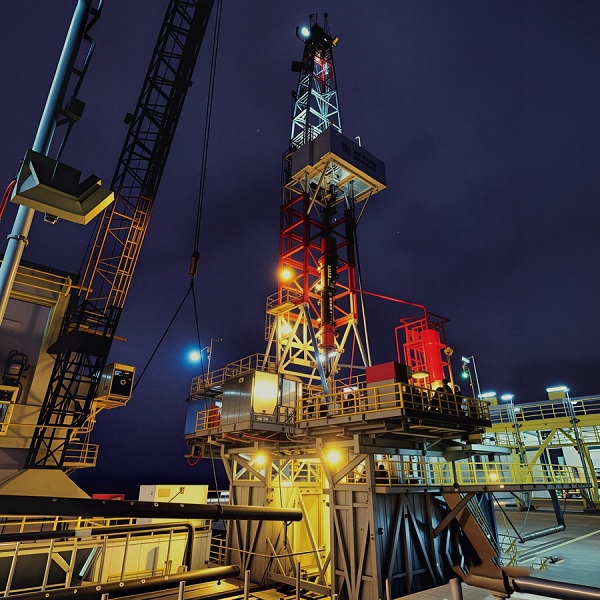
| Deepwater drillship | HPHT cementing | High pressure (15,000+ psi), ultra‑deep slurries, automated density |
| Remote desert / jungle | Full‑service on skid | Self‑contained units, no grid dependence |
| Workover / remedial | Squeeze cementing | Low‑rate precision pumping, pressure control |
| Plug & abandonment (P&A) | Balanced cement plugs | Accurate volume placement, verification methods |
| Acidizing | Stimulation pumping | High pressure, chemical compatibility |
| Geothermal | High‑temperature cementing (>200°C) | High‑temp additives, circulation cooling |
Product Types – Cementing Service Solutions
We offer cementing across five service tiers – from basic equipment rental to fully managed turnkey operations:
| Service Tier | What We Provide | Best For |
|---|---|---|
| Equipment rental | Cementing unit + operator + basic tools | Experienced operators with their own slurry lab |
| Equipment + materials | Unit + operator + all cement & additives | Operators who need materials procurement |
| Full pumping service | Unit + crew + materials + downhole tools + engineering support | Most operators (standard offering) |
| Turnkey cementing | Full service + job design + QA/QC + post‑job evaluation | Complex wells, HPHT, critical integrity |
| Remedial / squeeze | Smaller unit + high‑precision pumps + spotting fluids | Workover, casing repair, P&A |
We also provide acidizing and pressure testing using the same high‑pressure pumping equipment.
Why Choose SJ Petro for Oilfield Cementing Service?
1. Sinopec Backing – Unmatched Resources – As a wholly owned subsidiary of Sinopec Oilfield Equipment Corporation, we have access to proprietary drilling and cementing data from thousands of wells. You benefit from continuous R&D refinement.
2. Complete In‑House Cementing Lab – We do not guess. We test each slurry formulation for your specific well conditions – temperature, pressure, fluid loss, compressive strength – before we pump a single barrel.
3. Field‑Proven ACM Technology – Our ACM-IV.1 automatic cement mixing system delivers density accuracy of ±0.02 g/cm³ – comparable to the most advanced systems in the industry. The control is repeatable across jobs and crews.
4. Dual‑Pump Redundancy – All our skid‑mounted and offshore units feature twin engine + twin pump configuration. If one pump fails, the second continues – no lost job.
5. Global Certifications – CCS, ABS, DNV, and ABS‑CDS for offshore units. Explosion‑proof (Zone II) certification available for hazardous areas.
6. Full Downhole Tool Inventory – We stock API 10D certified float equipment, cementing heads, plugs, centralizers, stage tools, and baskets. No last‑minute sourcing.
7. Experienced Field Crews – Our cementing supervisors average 10+ years of field experience. They have pumped cement in desert heat, arctic cold, and offshore storms.
8. Global Service Support – Regional offices in Houston, Dubai, and Singapore. 24/7 technical support for cementing issues – from slurry chemistry to pump troubleshooting.
9. Cost‑Effective without Corner Cutting – As a manufacturer, we control our equipment costs. We pass the savings to you – without compromising on cement quality or safety.
Frequently Asked Questions (FAQ)
Q1: What is the difference between primary cementing and remedial cementing?
Primary cementing is the initial cement placement behind the casing to secure the pipe and isolate zones. Remedial cementing (squeeze cementing) repairs existing cement deficiencies – such as channels, voids, or casing leaks – by pumping cement into the problem zone under pressure.
Q2: What cement classes do you handle?
We formulate all API Spec 10 classes (A through H), as well as custom blends for special conditions – light‑weight (extended slurries) for weak formations, heavy‑weight for high pressure, and high‑temperature blends for deep geothermal or HPHT wells.
Q3: How accurate is your automatic density control?
Our ACM-IV.1 system maintains density accuracy of ±0.02 g/cm³ across the mixing range. The Micro Motion non‑radioactive densitometer provides real‑time feedback with no radioactive source – safer and easier to permit.
Q4: Do you provide cementing head and downhole tools as part of the service?
Yes. All downhole tools – float shoes, float collars, wiper plugs, cementing heads, centralizers, stage tools – are included in our full pumping and turnkey services. We use API‑certified equipment.
Q5: Can you operate in hazardous areas (Zone II / H2S service)?
Absolutely. We have explosion‑proof cementing units certified for Zone II areas, with spark‑arresting exhaust, intrinsically safe controls, and NACE‑compatible wetted parts. Specify wellsite conditions at time of inquiry.
Q6: What is your typical pump rate for primary cementing?
For standard casing cementing: 0.5 – 1.5 m³/min (3 – 9 bpm). For deepwater or large casing (>13-3/8″): up to 3.5 – 4.0 m³/min (22 – 25 bpm) using our high‑spec twin pump units.
Q7: Do you offer foam cementing?
Yes. Our high‑spec units (offshore and deepwater packages) are automated foam cement capable – mixing nitrogen with cement slurry to create light‑weight, high‑quality foamed cement for deepwater or loss circulation zones.
Q8: What certifications do your offshore units hold?
CCS, ABS, DNV 2.7, and ABS CDS (Certified Drilling System). We can also provide client‑specified third‑party witnessing and certification.
Q9: How do you handle lost circulation during cementing?
We formulate lost‑circulation slurries with fiber, granular, or LCM (lost circulation material) additives. For severe losses, we recommend multi‑stage cementing or lightweight foamed slurries. Our lab tests the formulation before pumping.
Q10: Do you provide cementing for geothermal wells (high temperature)?
Yes. Geothermal wells (up to 200°C+) require specialized retarders and high‑temperature stabilizers. We have successfully cemented multiple geothermal projects – both production and injection wells. Share your downhole temperature profile for custom formulation.
Q11: What is the typical lead time for scheduling a cementing job?
Standard: 2 – 4 weeks notice (depending on cement volumes and additive availability). Emergency / workover cementing: 48 – 72 hours response time in regions with our equipment stock.
Q12: Do you provide cementing services outside your local region?
Yes. With our global logistics network and regional offices in Houston, Dubai, and Singapore, we can mobilize equipment and crews to most oil‑producing regions. Air‑freight of critical components available for urgent jobs.
Q13: Do you offer remote data monitoring during cementing?
Yes. Our DAS (data acquisition system) supports both wired and wireless real‑time data transfer. Your office engineer can monitor density, pump rate, pressure, and volume live during the job – with post‑job PDF reports automatically generated.
Q14: Can you provide a cementing engineer for on‑site technical support?
Yes. Our full pumping and turnkey services include a senior cementing engineer on location – responsible for slurry quality assurance, job execution, and real‑time optimization. Equipment‑only rental does not include engineering support.