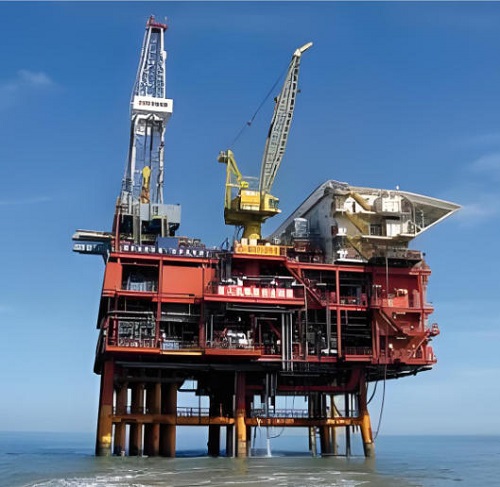
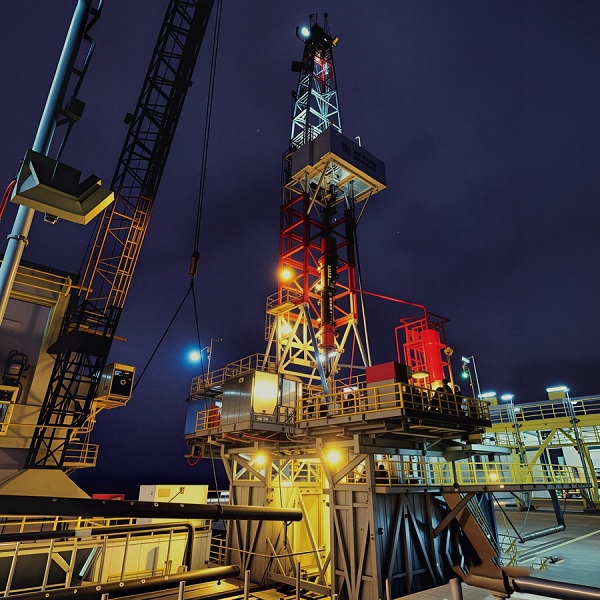
Heavy duty inter-well moving
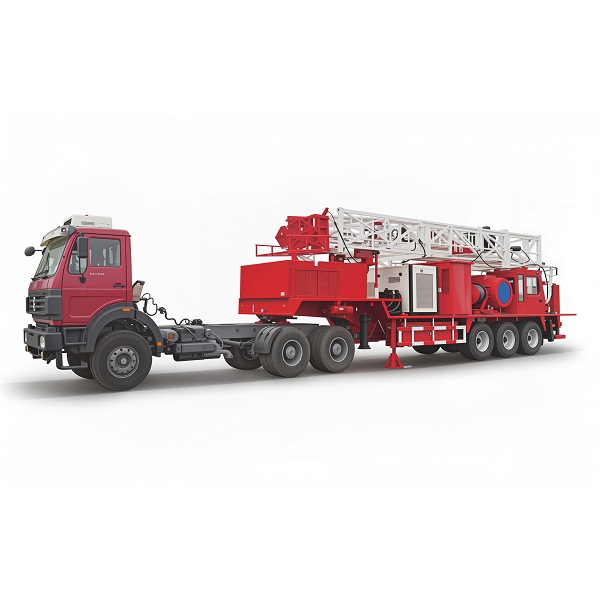
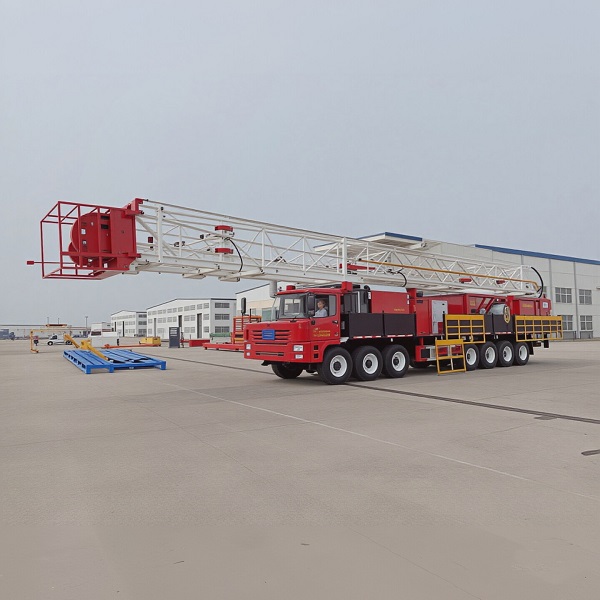
Technical Specifications
The table below shows typical specifications for our heavy duty inter-well moving systems. Custom systems available for specific rig weights and pad layouts.
| Parameter | Skidding System (Straight Line) | Walking System (Multi-Directional) |
|---|---|---|
| Max rig weight capacity | 500 – 1,200 tons | 800 – 2,000 tons |
| Number of hydraulic units | 2 push-pull gripper jacks | 4 lifting/walking units |
| Push/pull force per unit | 100 – 500 tons | N/A (walking – self-contained) |
| Lift cylinder capacity per unit | N/A | 200 – 500 tons |
| Walking speed (on level pad) | 50 – 100 ft/hour | 30 – 60 ft/hour |
| Movement direction | Straight line (one axis) | 360° (any direction) |
| Maximum move distance per setup | 200 ft (rails extended) | Unlimited (walking step-by-step) |
| Ground bearing pressure | < 5,000 psf | < 7,500 psf |
| Alignment accuracy | ± 5 mm | ± 10 mm |
| Control system | Wired remote console | Wireless remote + manual override |
| Power source | Rig hydraulic system or standalone power pack | Rig hydraulic system or standalone power pack |
| API certification | API 4F (substructure elements) | API 4F (substructure elements) |
| Typical rig-up time | 1–2 days (initial installation) | 2–3 days (initial installation) |
| Move time between wells | 2 – 6 hours | 4 – 10 hours |
Applications
| Application | How Inter-Well Moving Helps |
|---|---|
| Multi-well shale gas pads (8–20 wells per pad) | Drill 8 wells without a single rig-down. NPT reduced by 90%. |
| Dense offshore platform well slots | Skid from slot to slot without crane-assisted moves. |
| Workover campaigns on existing pads | Move between wells in 2–4 hours, complete 3 wells per week instead of 1. |
| Batch drilling operations | Drill all surface holes across the pad, then come back for production sections – all without moving the rig conventionally. |
| Remote desert or jungle locations | Eliminate heavy transport between wells – no roads or trucks needed on pad. |
| Environmental sensitive areas | One rig-up, zero spills during moves (flex hoses remain connected). |
Types of Inter-Well Moving Systems We Offer
| System Type | Capacity | Best For | Key Feature |
|---|---|---|---|
| SJ-SK Series (Skidding) | 500 – 1,200 tons | Single-row pads, straight-line moves | Simple design, lowest cost, fastest move times |
| SJ-WK Series (Walking) | 800 – 2,000 tons | Multi-row pads, complex layouts | 360° mobility, can walk around obstacles |
| Retrofit Kit | Custom to existing rig | Upgrading existing rigs for inter-well moving | Add walking/skidding capability without new rig |
We also provide integrated moving packages – where we supply the entire substructure with built-in walking/skidding, plus hydraulic power unit, controls, and operator training.
Why Choose SJ Petro for Heavy Duty Inter-Well Moving?
1. Sinopec Engineering DNA
As a Sinopec subsidiary, our inter-well moving systems have been tested and proven on Sinopec’s own multi-well pads across China and internationally. We know what works in the field.
2. Proven Field Performance
Our engineers have successfully moved 500+ ton rigs over 100 meters with sub-4-inch alignment accuracy using hydraulic skidding. Field-proven hydraulic pressure parameters: 10 Mpa for system pressure, 7.5 Mpa for sliding operation.
3. Fastest Pad-Move Records
Our systems enable inter-well moves in under 4 hours for typical 200–300 ft skids. On one project, the complete inter-well move (including disconnecting/ reconnecting utilities) was completed in 83 hours – including full rig disassembly, transport, and reinstallation.
4. Designed for Rough Terrain
Our walking systems use large foot pads and active leveling to maintain stability even on unpaved pads or reclaimed land with soft formation.
5. Full Utility Integration
We provide not just the moving hardware, but the flexible mud lines, cable tracks, and BOP skids that make truly rapid moves possible. No piecemeal solutions.
6. Comprehensive Training & Support
Inter-well moving requires skilled operators. We provide:
-
On-site training for your crew
-
Detailed operating manuals and checklists
-
24/7 remote support during moves
-
Annual maintenance inspections
7. Retrofits for Existing Rigs
Already have a rig? We can design and install a walking or skidding system to fit your existing substructure. No need to buy a new rig.
Frequently Asked Questions (FAQ)
Q1: What is the difference between rig skidding and rig walking?
Skidding moves the rig in a straight line along fixed rails or beams. Walking uses independent hydraulic units that lift, move, set down, and repeat – allowing multi-directional (360°) movement. Both keep the mast vertical.
Q2: How long does an inter-well move take with your system?
For a typical 300 ft skid on a flat pad: 2–4 hours using skidding system. For walking system (multi-directional, more complex path): 6–10 hours. Traditional rig-down and move: 2–5 days.
Q3: What is the maximum rig weight your system can move?
Our skidding systems handle up to 1,200 tons. Walking systems handle up to 2,000 tons (with 4 units). For heavier rigs, we can add more walking units.
Q4: Does inter-well moving require special ground preparation?
Skidding requires compacted gravel or concrete pads with embedded guide rails. Walking works on unpaved pads but needs level, stable ground (< 5% slope). We can advise on site prep based on your soil conditions.
Q5: Can the system move the rig while the mast is fully loaded with pipe?
For safety, we recommend no pipe in the derrick during moves (setback should be empty). However, modern walking systems are rated for full setback capacity – ask about our full-load walking option.
Q6: How accurate is the final positioning?
Our systems typically achieve ±5 mm for skidding, ±10 mm for walking. Well center alignment is verified using laser or wireline before spudding.
Q7: Can you retrofit an inter-well moving system to my existing rig?
Yes. We have retrofitted both skidding and walking systems to rigs from other manufacturers. We require a site visit to measure your substructure and assess modifications needed.
Q8: What utilities stay connected during the move?
Flexible mud and cement lines, electrical cables via cable track systems, and control lines remain connected. Hard-piped utilities must be disconnected.
Q9: Do you provide the hydraulic power pack, or does the rig provide power?
Either. We can supply a standalone diesel-hydraulic power pack (150–600 HP) or integrate with your rig’s existing hydraulic system. Most clients prefer standalone for redundancy.
Q10: How many people are needed to operate the inter-well moving system?
Typically 3–4 people: one operator at the control console, two to monitor skid/walking units and alignments, one to manage utilities. With wireless controls, the operator can observe from a safe distance.
Q11: What happens if the system fails during a move?
All hydraulic cylinders have integral holding valves – load stays in place if pressure is lost. Manual override valves allow controlled pressure release. Every move is planned with recovery procedures.
Q12: What is the lead time for a custom inter-well moving system?
For a standard skidding system: 6–8 months from order. For walking system or retrofit: 8–12 months. Faster delivery possible for repeat configurations.