
Products
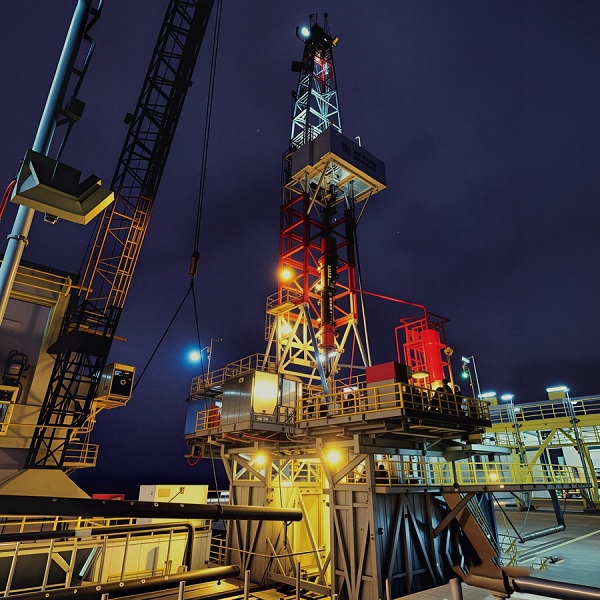
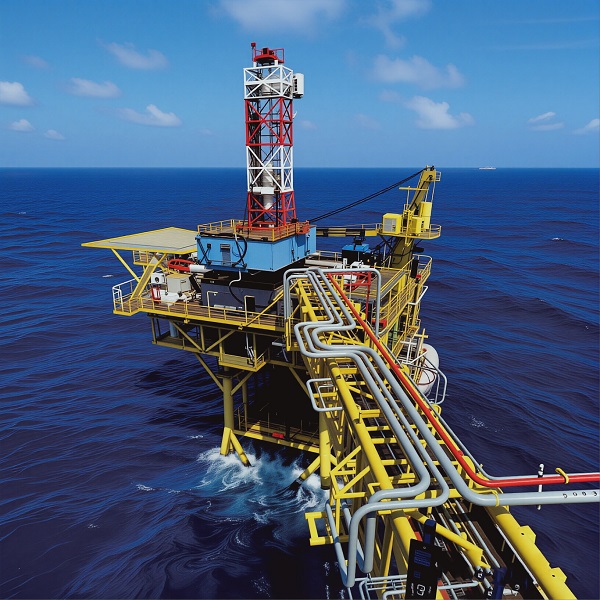
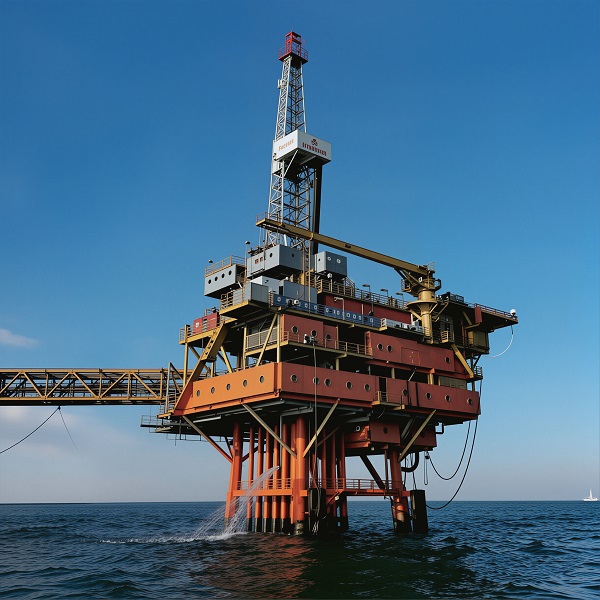
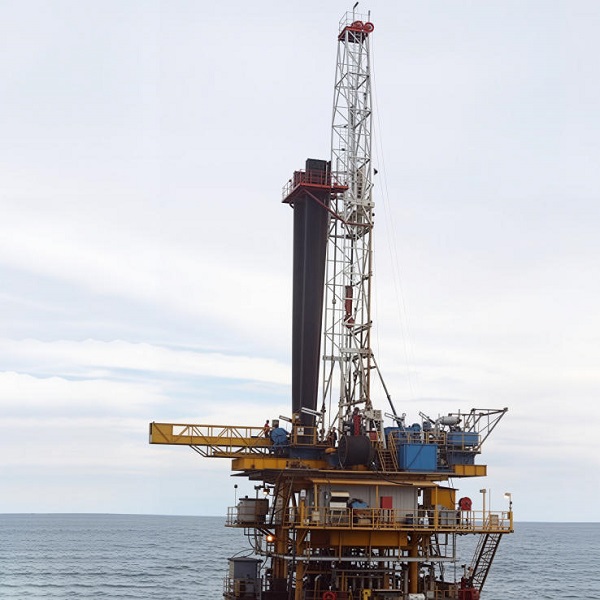
Fixed Platform Workover Rig
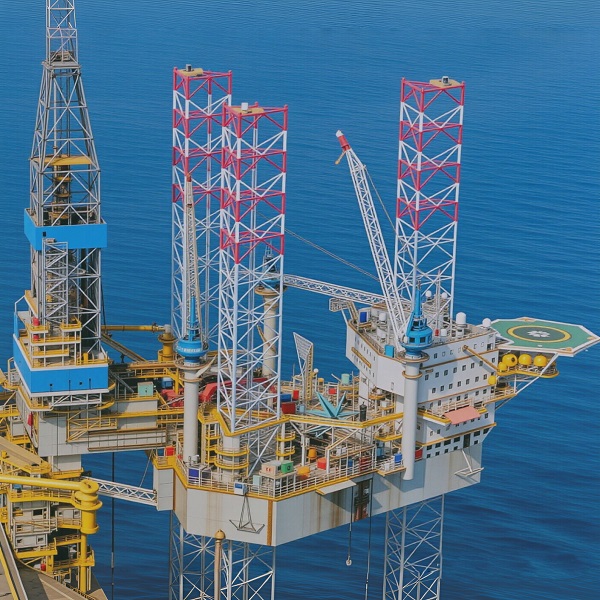
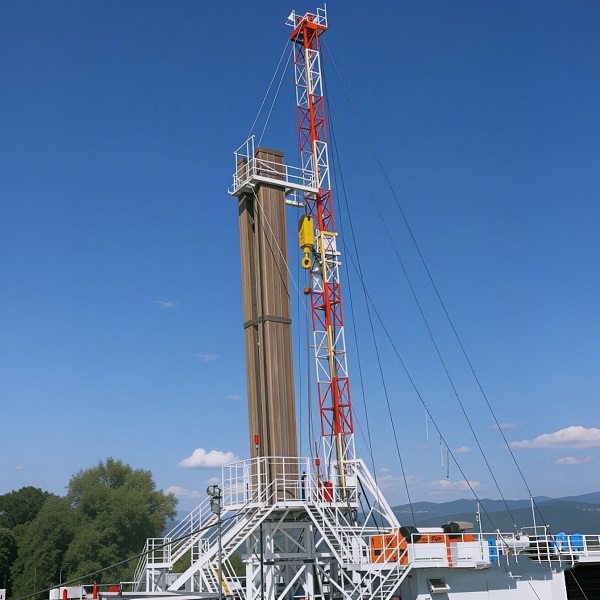
Technical Specifications (Typical Range – Contact Us for Exact Model Data)
| Parameter | SHXJ90 | SHXJ112 | HXJ135 | SHXJ158 | SHXJ225 |
|---|---|---|---|---|---|
| Hook load (kN) | 900 | 1,120 | 1,350 | 1,580 | 2,250 |
| Hook load (tons) | 90 | 112 | 135 | 158 | 225 |
| Drawworks power (kW) | 110 | 185‑220 | 220 | 400 | 550 |
| Workover depth (2‑7/8" tubing) | 3,000m | 3,500m | 3,800m | 4,200m | 6,000m |
| Mast height (m) | 24 | 31 | 31 | 33 | 38 |
| Substructure height (m) | 3.5 | 4.5 | 4.5 | 5.0 | 6.0 |
| Max module weight (std) | 8t | 12t | 16t | 18t | 25t |
| Total deck load (approx) | 53t | 68t | 78t | 98t | 135t |
| Top drive option | No | Yes (on DB) | No | Yes | Yes (standard) |
| Certifications | API 4F, 7K, 8C | Same | Same | Same | Same |
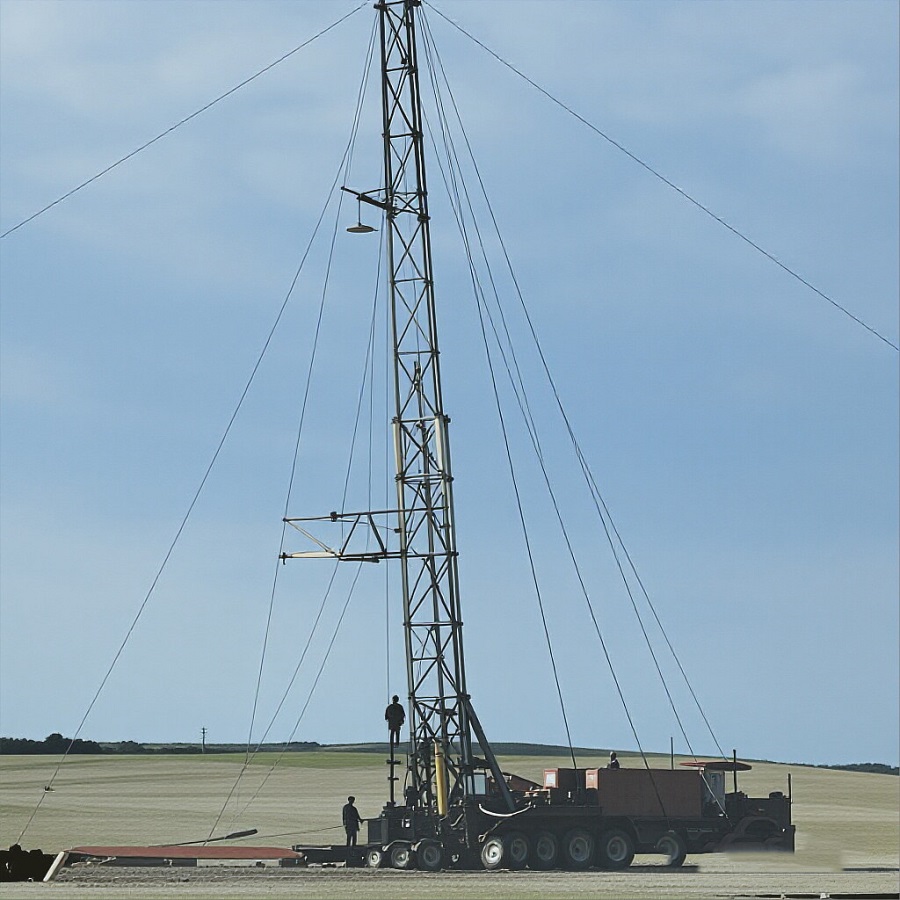
Applications – Where Fixed Platform Workover Rigs Are Used
| Application | Description | Recommended Model |
|---|---|---|
| Routine pump & rod changes | Replacing downhole pumps, sucker rods – frequent, light loads | SHXJ90 or SHXJ112 |
| Tubing pulls (scale, corrosion) | Pulling stuck or damaged tubing, 3,000‑4,000m | SHXJ112, HXJ135, SHXJ158 |
| Fishing operations | Retrieving broken rods, tubing, bits, hand tools | HXJ135 to SHXJ225 (depending on fish weight) |
| Sidetracking (short to medium radius) | Milling window, kicking off, drilling 100‑500m horizontal | SHXJ158, SHXJ225 (with top drive) |
| Well deepening | Extending existing wells 200‑500m beyond TD | SHXJ158, SHXJ225 |
| Cement squeeze & plug setting | Abandonment prep, squeeze jobs, plug setting | Any model – lighter loads |
| Batch drilling of new wells | Drilling 5‑20 new wells from an existing platform | SHXJ225 (light drilling) or SJF drilling rig |
| Platform abandonment | Pulling all tubulars, cutting casing, setting plugs | SHXJ158, SHXJ225 |
Typical field examples:
-
Bohai Bay, China: 12 SHXJ112 units performing daily workover on 3,200m wells, 15‑ton platform cranes.
-
South China Sea: SHXJ225 used for sidetracking and deepening on 4,500m wells, 30‑ton crane.
-
Middle East: HXJ135 hydraulic rigs on remote satellite platforms with no permanent power.
Product Types – How We Classify Our Fixed Platform Workover Rigs
SJ’s fixed platform workover rigs fall into three sub‑families:
1. SHXJ Series (Electric‑First, AC VFD Available)
-
Models: SHXJ90, SHXJ112, SHXJ158, SHXJ225
-
Default drive: Standard electric (90,112) or AC VFD (158,225)
-
Best for: Platforms with reliable AC power and crews comfortable with electrical systems
-
Top drive available: Yes (models 112‑DB, 158, 225)
2. HXJ Series (Hydraulic‑First)
-
Models: HXJ90, HXJ135
-
Default drive: Diesel‑hydraulic (self‑contained)
-
Best for: Remote platforms, no grid power, or crews preferring hydraulics
-
Top drive: No (rotary table only)
3. Custom / Hybrid
-
Any combination of drive types, module splits, special masts
-
Examples: Hydraulic primary with AC top drive; all‑electric with generator backup
Don’t see your exact need? We do full custom. Tell us your constraints.
OEM Customized Solutions – We Build for Your Platform, Not a Catalog
Because every fixed platform has a different crane, deck layout, and well arrangement, we treat every workover rig as a semi‑custom build. Here’s what we routinely customize:
| Constraint | Our Customization |
|---|---|
| Low crane capacity | Split modules down to 5‑8 tons (even on SHXJ225) |
| Tight deck space | Narrow skid base (as little as 2.2m wide), fold‑able work decks |
| No crane at all | Davit crane kit + self‑erecting mast |
| No platform power | Hydraulic drive (diesel), or add generator skid |
| Inconsistent well spacing | Longer skid beams (up to 5m stroke) |
| Special wellhead access | Offset substructure to reach wellheads not centered on skid |
| Harsh environment (H₂S, high humidity) | TSA coating, 316L hydraulic lines, explosion‑proof everything |
| Remote operation | 4G/5G remote control with cameras – we’ve done up to 50km from shore |
Our Customization Process:
-
You send us: platform deck plan, crane capacity curve, well program, power availability.
-
Within 2 weeks: preliminary module split, deck load report, 3D layout.
-
Joint review (online or in‑person).
-
Final engineering & manufacturing.
-
Full load test at our yard – you witness.
-
Shipping & offshore commissioning.
Why Choose SJ Petroleum Machinery as Your Fixed Platform Workover Rig Partner?
| Reason | What You Actually Gain |
|---|---|
| Sinopec Group backing | Financial stability, group‑wide technical resources, and a track record of delivering large offshore projects on time. |
| Over 500 workover rigs delivered | We’ve learned what breaks, what wears, and what crews appreciate. Our designs are refined by decades of field feedback. |
| One‑stop responsibility | We supply the entire rig – mast, substructure, drawworks, top drive, controls, BOP handling, and mud systems. No finger‑pointing between suppliers. |
| API & ISO certified – not just on paper | Every pressure component API‑monogrammed. Full traceability. We regularly pass inspections from Chevron, Shell, CNPC, and others. |
| Global parts & service | Spare parts hubs in Houston (USA), Dubai (UAE), and Singapore. 24/7 remote support. Our field service team includes former workover supervisors. |
| Real load testing | All rigs are assembled and proof‑tested to 110% of rated hook load in our 50,000 m² yard. You’re invited to witness. |
| Flexible commercial terms | Direct purchase, leasing via Sinopec finance partners, or milestone payments (30/40/30). |
Frequently Asked Questions (FAQ)
Q1: What is the difference between a fixed platform workover rig and a mobile offshore workover rig?
A: A fixed platform rig is installed permanently (or semi‑permanently) on a specific platform. A mobile rig (barge or jack‑up) moves between locations. Fixed rigs have lower operating costs for frequent workover but higher upfront investment. We supply both types – this page focuses on fixed platform rigs.
Q2: How do I choose the right model for my platform?
A: Use this quick guide:
| Your well depth (2‑7/8" tubing) | Recommended model |
|---|---|
| ≤3,000m | SHXJ90 or SHXJ112 |
| 3,000‑3,500m | SHXJ112 or HXJ135 |
| 3,500‑4,200m | SHXJ158 |
| 4,200‑5,000m | SHXJ225 |
Then check your crane capacity – if your crane is under 15 tons, we may need to split modules (possible on all models).
Q3: Can a fixed platform workover rig be moved to another platform later?
A: Yes – all our rigs are modular. However, moving a rig larger than SHXJ112 is expensive (requires a derrick barge or heavy lift vessel). Most operators install and leave them. For frequent moves, consider a jack‑up workover rig.
Q4: What’s the typical lead time for a fixed platform workover rig?
A: Standard models (SHXJ90, 112, HXJ135): 5‑7 months from order. SHXJ158: 7‑9 months. SHXJ225: 9‑11 months. Custom module splitting adds 1‑3 months.
Q5: Do you provide offshore installation and commissioning?
A: Yes – every rig includes on‑site supervision of rig‑up, load testing, and first job assistance. Typical on‑site duration: 2‑4 weeks depending on model complexity.
Q6: What training do you provide?
A: Standard: 3‑5 days on‑site training for up to 8 crew members. We also offer simulator‑based training at our Jingzhou facility (especially for AC VFD and top drive operation).
Q7: What warranty comes with the rig?
A: 18 months from shipment or 12 months from commissioning (whichever first). Major components (top drive, AC VFD drives, hydraulic pumps) have 24 months. Extended warranty available.
Q8: Do you have reference lists of platforms using your workover rigs?
A: Yes – but we cannot publish customer names without permission. We can provide anonymized case studies and, under NDA, a list of operational fields.
Q9: Can you supply a fixed platform workover rig for a concrete gravity base platform (not steel jacket)?
A: Yes – we have supplied rigs to concrete platforms. The main difference is mounting: we use spread footings or bolt‑down anchors instead of padeyes. Tell us your deck material.
Tag:
