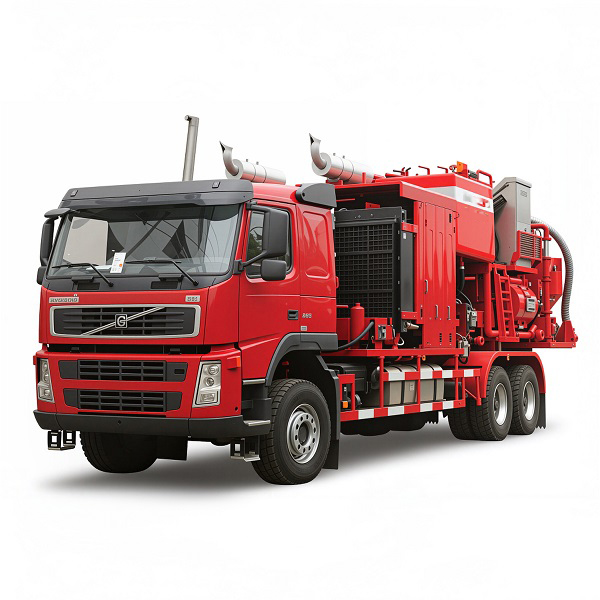
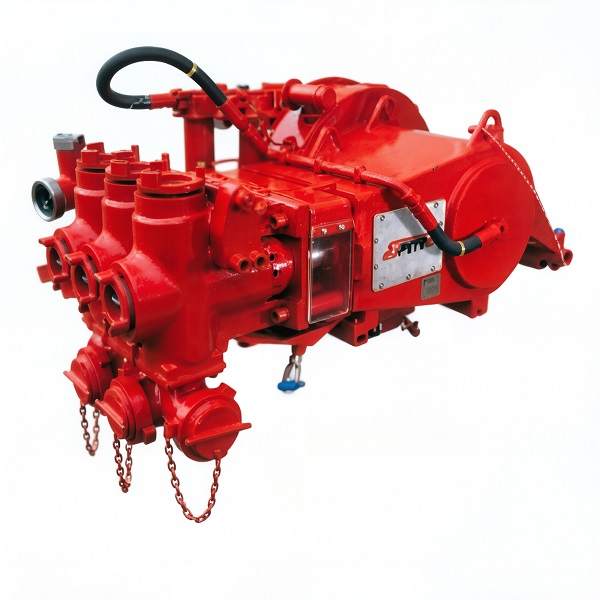
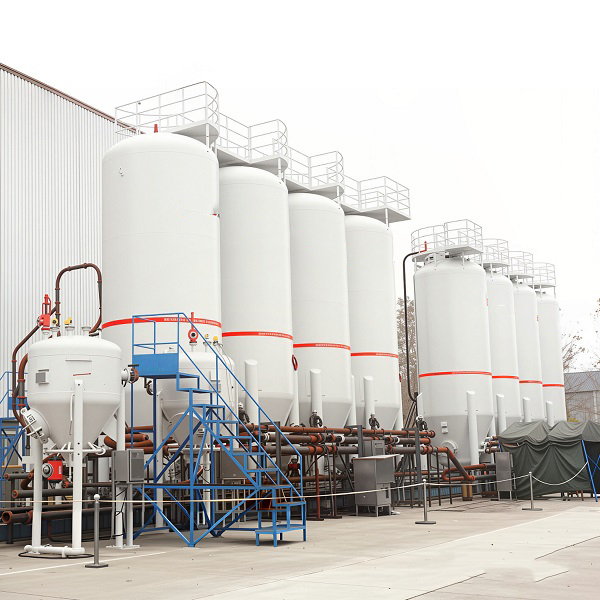
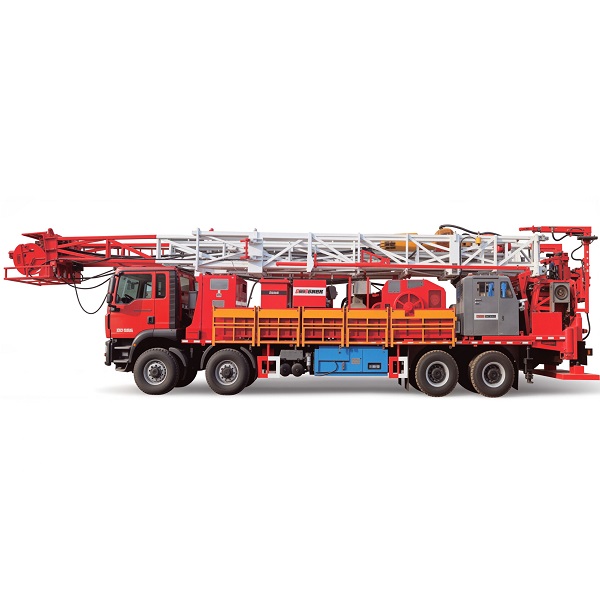
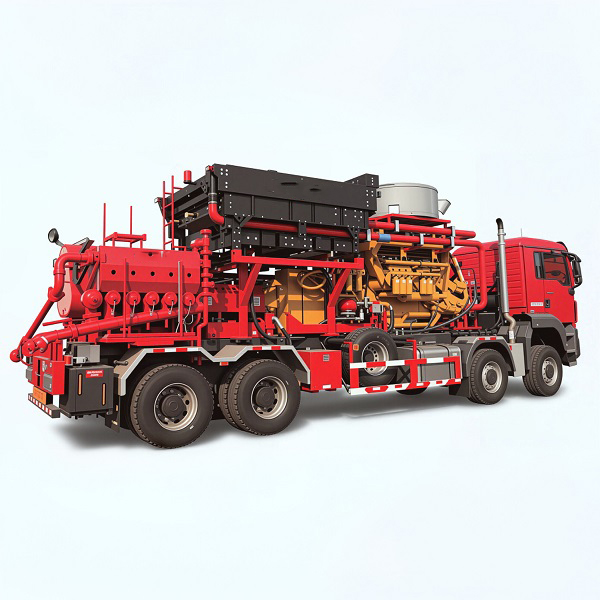
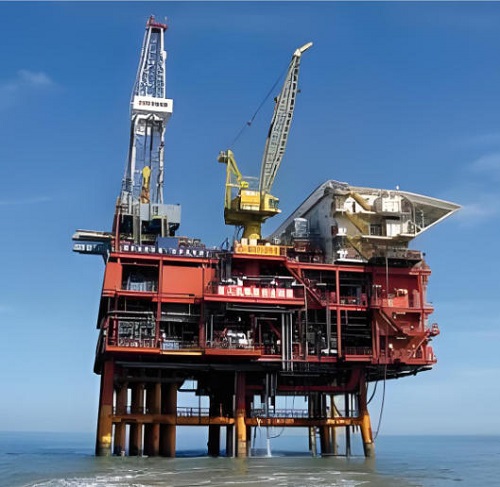
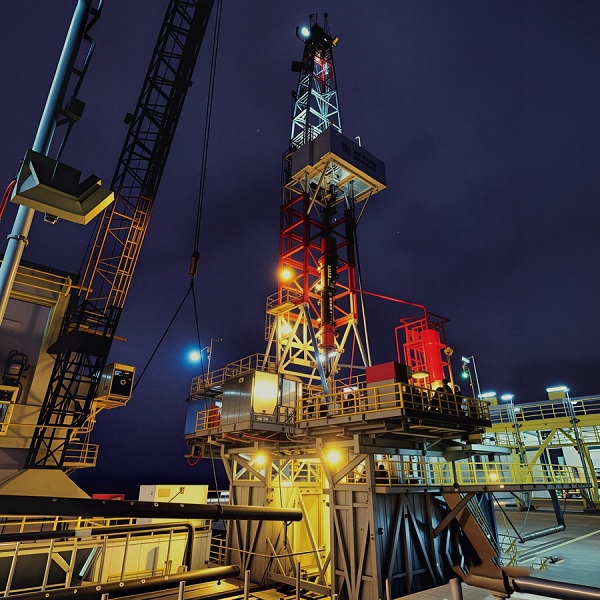
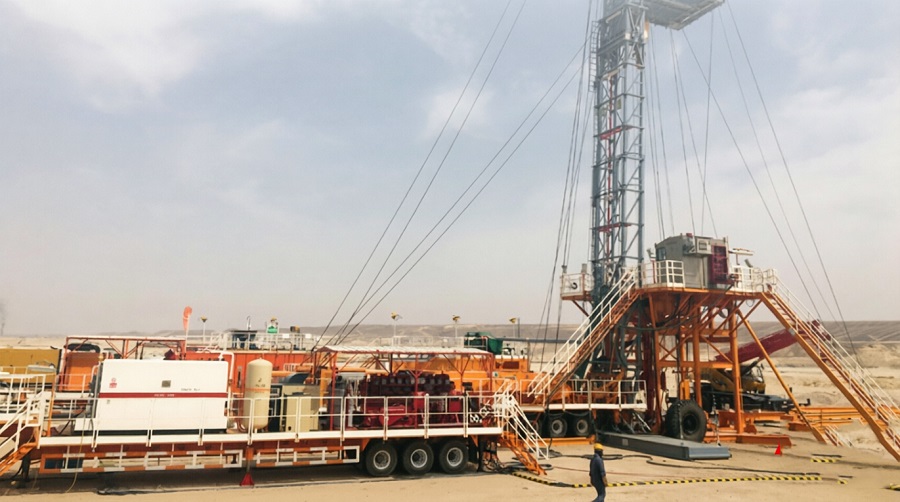
Dual well drilling rig system
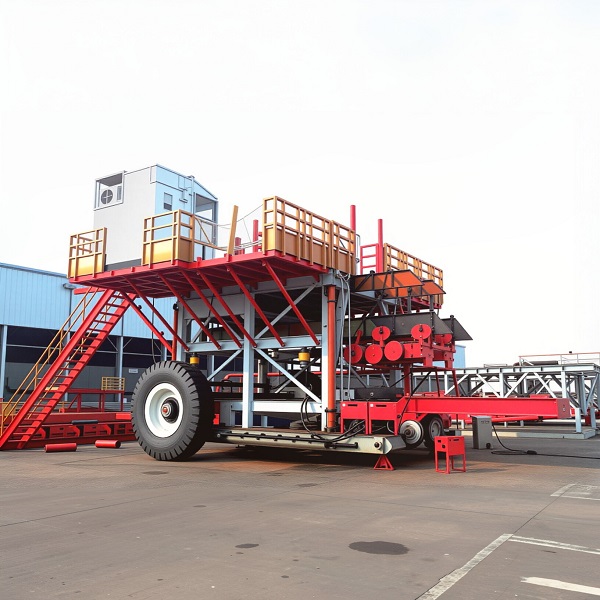
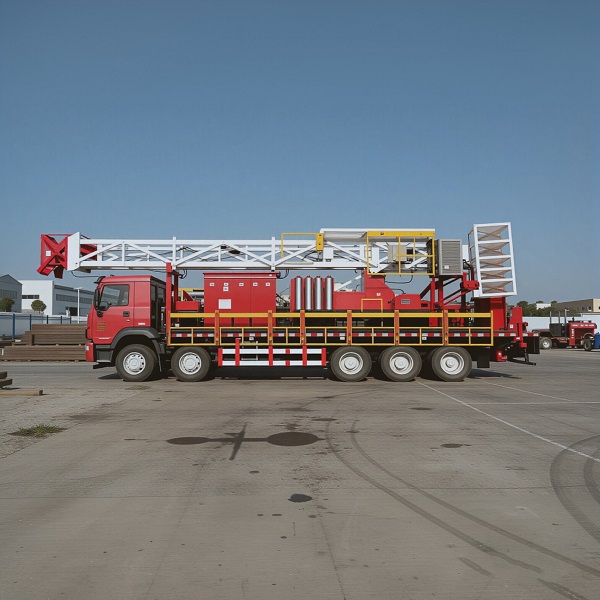
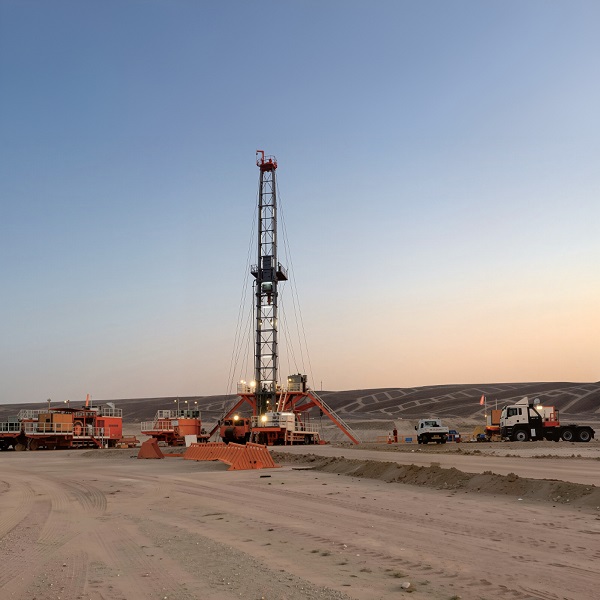
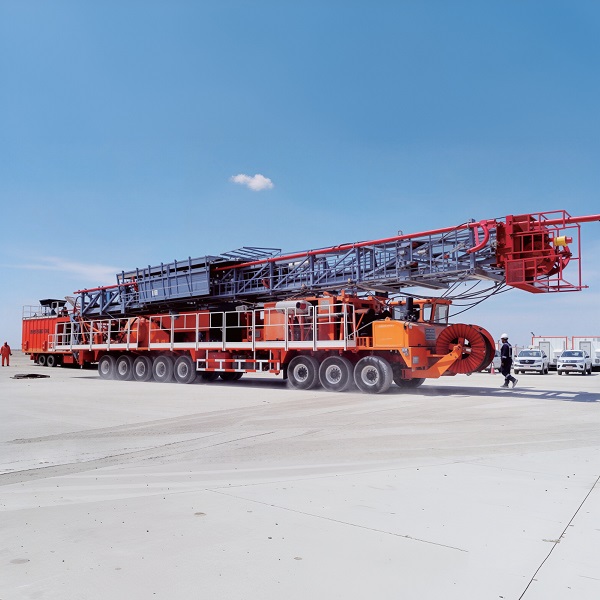
Technical Specifications (Typical – 5000m Class)
| Parameter | Value / Range |
|---|---|
| Nominal Drilling Depth (each well) | 4000m – 6000m (4½" DP) |
| Number of Well Centers | 2 (fixed spacing, customizable) |
| Max Hook Load (per mast) | 3150 kN – 4500 kN |
| Drawworks (each side) | AC-VFD, 2 × 1100 kW |
| Mud Pumps | 2 × 1600 HP (plus cross-feed line) |
| Mast Type | Cantilever or telescopic, 45m height |
| Substructure Height | 6m – 9m (clearance for BOP) |
| Power Generation | 4–6 × 1650 kVA diesel or grid |
| Control System | Dual independent + supervisory SCADA |
| Skidding System | Hydraulic walking (0.5m/min) |
| Transport Module Count | 28–35 modules (40ft equivalent) |
| Rig Up Time (first pad) | 14 days (with SJ crew support) |
| Rig Down & Move Time (next pad) | 5–7 days |
Applications
Our dual well drilling rig system is ideal for:
-
Multi-Well Onshore Pads (Shale / Tight Gas / CBM) – Drill two wells in the same time it takes a single rig to drill one. Especially effective for 6+ well pads.
-
Offshore Fixed Platforms & Jack-ups – Maximize platform slots with limited deck space. Many platform owners have converted from single to dual well systems.
-
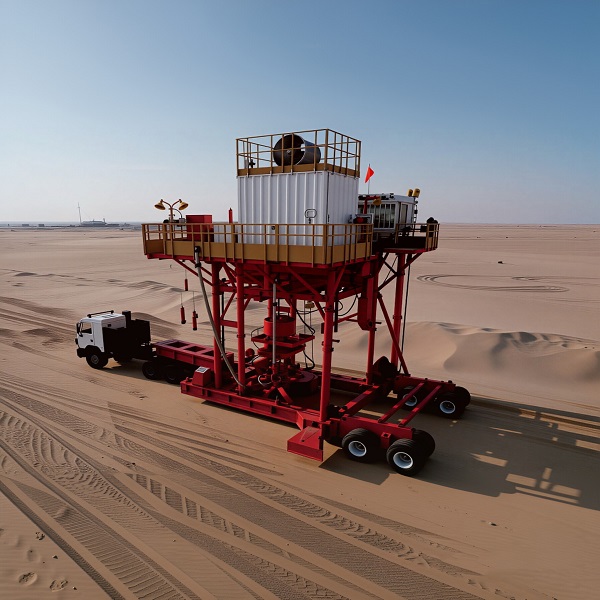
Desert & Remote Operations – Reduce truck convoys, camp size, and water usage by running one camp for two drilling lines.
-
Mature Field Re-development – Drill infill wells while keeping adjacent production alive. The system’s small footprint fits between existing facilities.
-
Geothermal Well Pairs – Drill injection and production wells as a matched pair without moving the rig.
Product Types / Configurations
We offer three platform-specific configurations of the dual well drilling rig system:
| Configuration | Primary Use | Key Feature |
|---|---|---|
| Land Skid-Mounted Dual Rig | Shale gas pads, tight oil fields | Fast skidding, road-legal modules |
| Offshore Platform Dual Well System | Jack-up / fixed / TLPs | Corrosion-resistant, compact footprint |
| Desert Dual Well Package | Middle East / North Africa | Sand-sealed components, 55°C ambient cooling |
We also provide dual well drilling rig system upgrade packages for existing single rigs (converting to dual well center capability – structural assessment required).
Why Choose SJ Petroleum Machinery for Your Dual Well Drilling Rig System?
1. Decades of Integrated System Experience
We don’t just build rigs – we engineer complete drilling systems. As a Sinopec subsidiary, we have drilled over 5,000 wells using our own equipment. That practical knowledge is built into every system we sell.
2. True Customization, Not "Configurable”
Many manufacturers offer limited options. We ask for your well pad layout, target depths, geology, and climate. Our engineering team creates a custom dual well drilling system that matches your exact well spacing and elevation requirements.
3. Cost Transparency
We provide a full bill of materials and lifecycle cost estimate before you sign. No hidden charges for "options” that should be standard.
4. Global Compliance & Third-Party Certification
All our dual well drilling rig systems meet API 4F, 7K, and 8C. We can arrange ABS, DNV, or Lloyd’s certification for offshore projects. Our quality system is ISO 9001:2015.
5. Onsite Commissioning & Crew Training
Our field service team stays with you for the first 60 days of operation – training local crews, optimizing drilling parameters for both wells, and ensuring smooth handover.
6. Spare Parts Availability
We stock critical spares (drawworks bearings, top drive parts, mud pump liners) in regional warehouses – Houston, Dubai, and Singapore. Emergency shipments within 72 hours.
Frequently Asked Questions (FAQ)
Q1: What is the difference between a dual well drilling rig system and two separate single rigs?
A dual well system shares substructure, power generation, camp, and logistics. You save on capital cost (20–25% lower), operational footprint, and crew size. Two single rigs require separate pads, separate moves, and duplicate utilities.
Q2: Can both wells be drilled at the same time?
Our standard dual well drilling rig system is designed for sequential drilling (drill well A, then skid the top drive to well B). However, we offer a simultaneous-capable version with two independent top drives and mast systems – ask our sales team for the "Dual-Activity” package.
Q3: How long does it take to move the system between pads?
For land skidded version, rig down takes 5–7 days with an experienced crew (first move may take 10 days). Skidding within the same pad (between rows) takes only 4–6 hours using hydraulic walking pads.
Q4: What is the maximum well center spacing you can accommodate?
Standard spacing is 3m to 6m center-to-center. For wider spacing (e.g., 8–10m), we use a wider substructure or a split substructure design. Contact us with your specific well plan.
Q5: Is the system suitable for H2S (sour gas) service?
Yes. We can supply full sour service materials per NACE MR0175 for all wetted parts, including BOPs, mud systems, and drill pipe handling equipment.
Q6: Do you provide financing or lease options?
We work with several international leasing partners. Operating leases, finance leases, and rent-to-own structures are available for qualified clients.
Q7: What is your typical delivery lead time?
For a standard 5000m class dual well drilling rig system: 10–12 months from contract to FOB China port. Expedited (8 months) available for repeat configurations.
Q8: Can I visit your factory and see a dual well system in operation?
Absolutely. We welcome client visits to our Jingzhou manufacturing base. We can arrange a demonstration at our test site or arrange a client site visit (subject to end-user permission).
Q9: How many people are required to operate the dual well system?
Typically 8–10 crew members per shift (driller, assistant driller, derrickman, two floor hands, mud engineer, mechanic, electrician). That’s roughly 1.5× the crew of a single rig, not 2×.
Q10: Do you provide remote monitoring and data analytics?
Yes. Our DualWell iSys platform streams real-time drilling data from both wells to your office. Alerts for abnormal torque, vibration, or mud losses. Historical data for performance benchmarking.