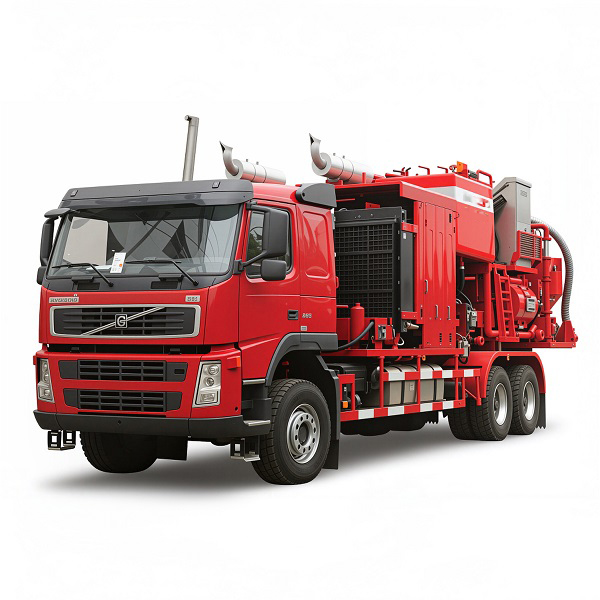
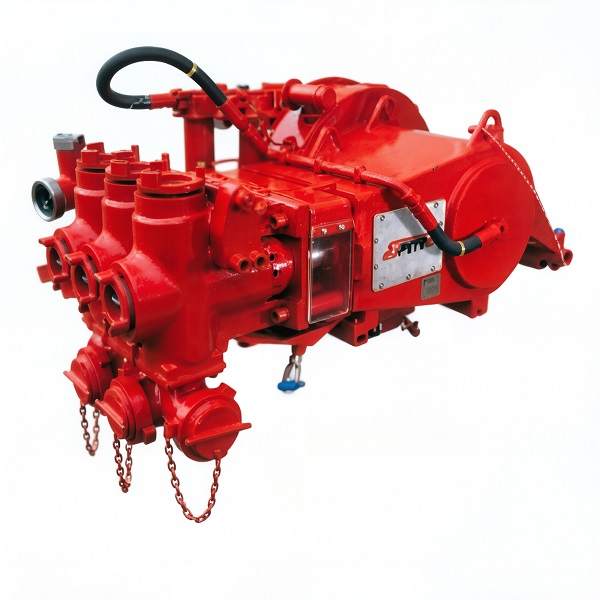
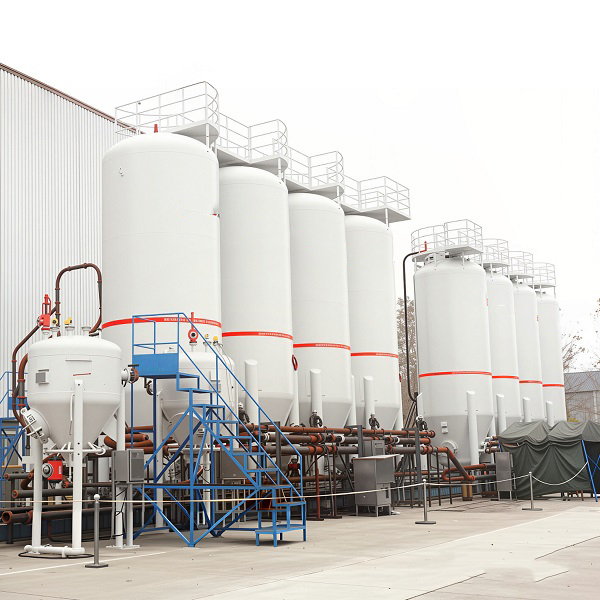
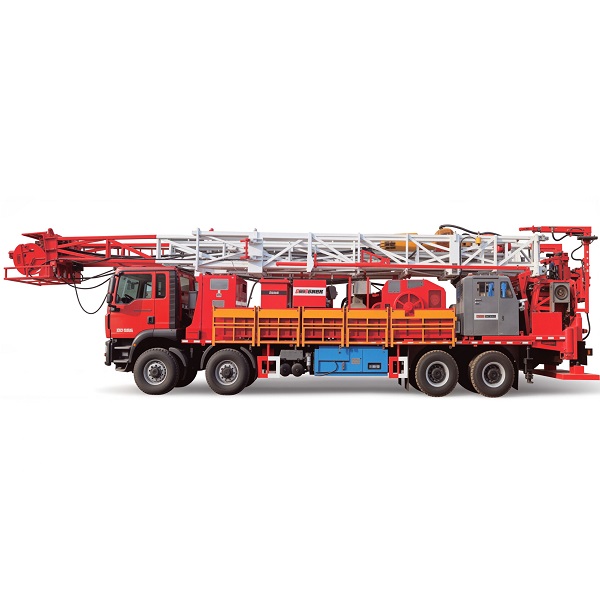
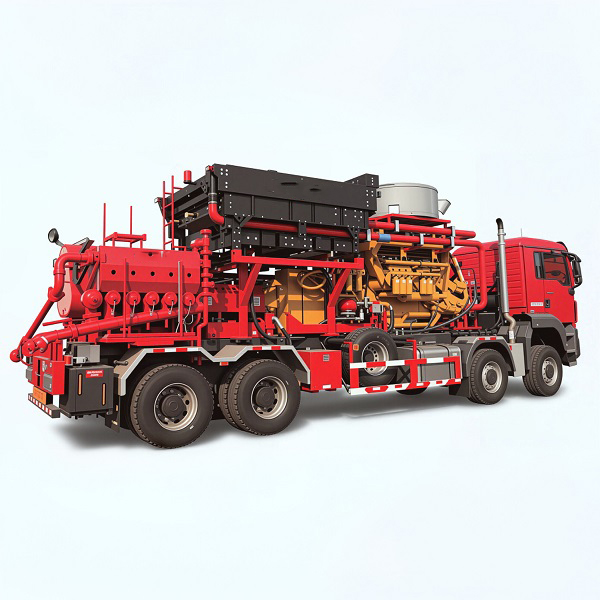
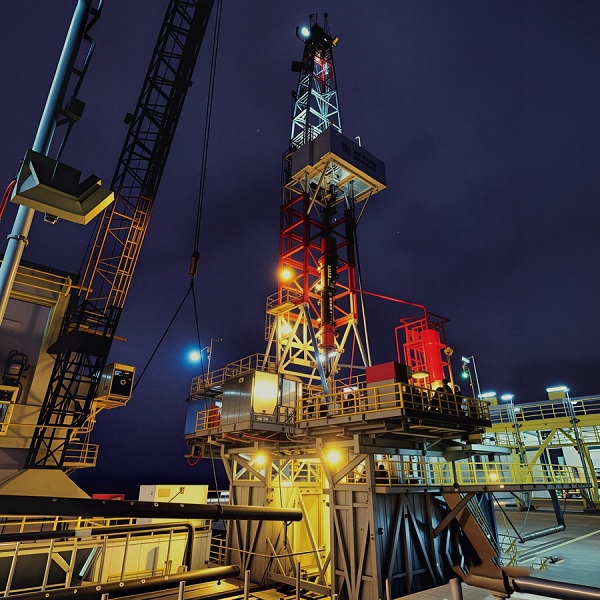
Cementing data acquisition system
Technical Specifications – SJ Cementing Data Acquisition System
Below are the standard specifications. Custom configurations (additional channels, special sensor types) are available on request.
| Parameter | Specification |
|---|---|
| Input Channels | Up to 8 analog inputs (expandable) + 4 digital inputs |
| Measured Parameters | Pressure (1–4 channels), slurry density, pump flow rate, return flow rate, mixing water flow, temperature, pump stroke count |
| Pressure Range | 0–10,000 psi (custom 0–15,000 psi available) |
| Density Sensor Type | Coriolis (0–3.0 sg, ±0.002 sg accuracy) or radioactive source-free nuclear-type |
| Flow Meter Type | Coriolis (mass flow) or magnetic flow meter (0–30 bbl/min) |
| Sampling Rate | 1–10 Hz (user-selectable) |
| Display | 12″ industrial tablet (IP67, 1000 nits) or 14″ laptop |
| Data Storage | Internal SSD (10,000+ jobs) + USB export |
| Wireless Range | 500m line-of-sight (optional module) |
| Operating Temperature | -20°C to +55°C (arctic package available to -40°C) |
| Power Supply | 12/24V DC (from cementing unit) or 110-240V AC adapter |
| Enclosure Rating | Sensor junction box: IP65; Display: IP67 (tablet) |
| Software Language | English, Russian, Arabic, Chinese (others on request) |
| Reporting Format | PDF, CSV (raw data), export to well reporting software |
| Certifications | CE, ATEX (Zone 2 optional for sensors), ISO 9001 |
Application Fields
Where does a cementing data acquisition system add the most value? Here are the primary use cases:
1. Primary Cementing (Casing & Liner Jobs)
Track every stage — from lead slurry to tail slurry, from bump plug to pressure test. Generate a permanent record for regulatory compliance and future reference.
2. Squeeze Cementing (Remedial Work)
Low squeeze rates and high pressures require precise monitoring. Our CDAS records pressure buildup rates and identifies when the squeeze has reached formation parting pressure — helping you avoid fractures.
3. Offshore Cementing Operations
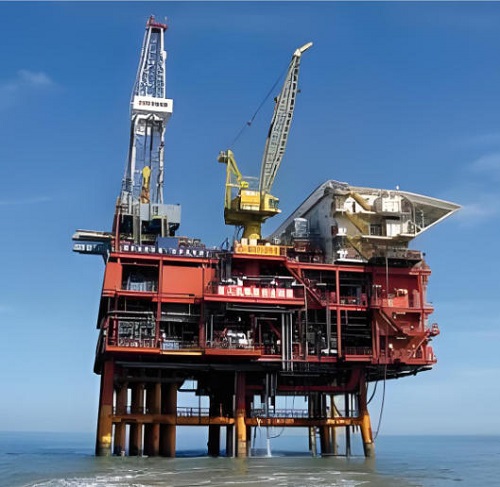
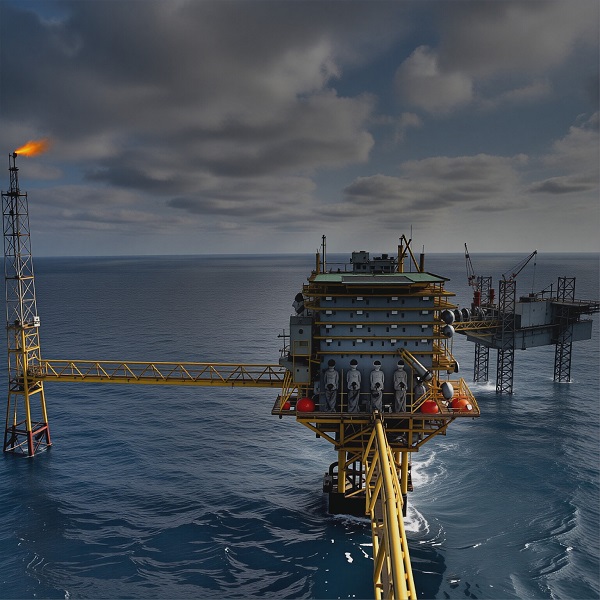
Space is tight and data is critical. Our wireless sensor option and compact tablet display eliminate cable clutter on offshore decks. Remote viewing lets onshore engineers monitor jobs in real time.
4. Deepwater & High-Pressure Wells
When margins are narrow, every data point matters. High sampling rates (10 Hz) capture pressure spikes and density fluctuations that slower systems miss.
5. Plug & Abandonment (P&A) Cementing
Regulations increasingly require continuous monitoring during abandonment cementing. Our automated reporting meets regulatory expectations with minimal administrative burden.
6. Training & Quality Audits
Use recorded job data to train new cementing engineers on what "good” looks like. Or, when a client disputes a job quality, pull the data and settle the argument in minutes instead of days.
Product Types – System Configurations
We offer three standard configurations of our cementing data acquisition system:
| Configuration | Components | Best For |
|---|---|---|
| Basic Wired System | 1 pressure sensor, 1 density sensor, 1 flow meter, control box, laptop with software | Small cementing units, occasional jobs, tight budgets |
| Standard Wireless System | 2 pressure sensors, density sensor, pump flow + return flow meters, wireless transmission, industrial tablet, rugged carrying case | Most land operations — best balance of cost and convenience |
| Premium Multi-Sensor System | Up to 4 pressure sensors, dual density sensors (redundant), pump flow + water flow + return flow, wireless or wired, tablet + remote viewing license | Large offshore, deepwater, or high-profile jobs where redundancy and remote access matter |
| Retrofit Kit | Sensors, junction box, tablet, software — for adding CDAS to existing cementing units (any brand) | Operators who want data without buying a whole new cementing unit |
Why Choose SJ Petroleum Machinery as Your CDAS Supplier?
1. We Know Cementing — Not Just Data
We’ve manufactured cementing units since the 1980s. Our engineers understand slurry rheology, displacement rates, and pressure limits. That domain knowledge is built into our software’s alarm logic and reporting templates. You’re not getting a generic industrial data logger — you’re getting a tool designed by cementing people for cementing people.
2. Direct Sinopec Subsidiary — No Middlemen
As a wholly-owned Sinopec company, we have direct access to materials, testing facilities, and engineering talent. Your CDAS comes with full traceability, API/ISO certifications, and a warranty backed by a US$ billions parent company.
3. Works With Any Cementing Unit
Lock-in is a trap. Our CDAS interfaces with most pressure, density, and flow sensors on the market. If you later switch cementing unit brands, you keep the data system. We’ll even help you reconnect it.
4. Field-Proven in Harsh Environments
Our CDAS has logged thousands of cementing jobs across:
-
Desert wells (Middle East, North Africa) — 50°C+ ambient
-
Arctic wells (Russia, Canada) — -35°C operations
-
Offshore Southeast Asia — high humidity, salt spray
-
Deep wells (6,000m+) in China’s Tarim basin
5. Fast, Practical Support
When a sensor fails or software glitches, you need answers now — not after three email exchanges. Our support team includes former field engineers who speak oilfield language. Remote diagnostics, replacement parts air freight, and (for large fleets) on-site service contracts available.
6. Affordable Entry Point
You don’t need to buy a full new cementing unit to get modern data acquisition. Our retrofit kit starts at a fraction of the cost of a new unit — and typically pays for itself within 2-3 jobs by preventing cementing failures and reducing client disputes.
FAQ – Cementing Data Acquisition System
Q1: Do I really need a dedicated cementing data acquisition system? Can’t I just use a regular PLC and SCADA?
You can — but a general-purpose SCADA system won’t give you cementing-specific features like density-flow correlation alarms, automatic plug bump detection, or job reporting formatted for well files. Our CDAS is purpose-built. The difference is like using a spreadsheet vs. dedicated accounting software — both work, but one is much faster and less error-prone.
Q2: Is the system easy to set up? How long does rig-up take?
For the wired system: about 1-2 hours for first-time setup, then 45 minutes for subsequent jobs. For the wireless system: first setup 1 hour, then 30 minutes or less. Our quick-connect sensor cables (military-spec circular connectors) and color-coded wiring make it straightforward.
Q3: What sensors are included? Can I use my existing sensors?
Each system includes new sensors (pressure transducers, density meter, flow meter) unless you specifically request otherwise. However, we can interface with your existing sensors as long as they provide standard 4-20mA or frequency outputs. Just send us the make and model — we’ll confirm compatibility.
Q4: What kind of accuracy can I expect?
-
Pressure: ±0.25% full scale
-
Density (Coriolis): ±0.001 sg (typical)
-
Flow rate: ±0.5% of reading
-
Temperature: ±1°C
These accuracies meet or exceed API recommended practices for cementing monitoring.
Q5: Does the system handle high-pressure (15,000 psi) cementing jobs?
Yes. We offer pressure sensors rated to 15,000 psi (working) with 22,500 psi proof pressure. Specify high-pressure requirement when ordering.
Q6: How is the data stored? Can I export it to other software?
Data is stored as encrypted job files on the tablet/laptop SSD. Export options: PDF (human-readable report), CSV (raw time-series data for Excel or analysis software), and direct export to certain well reporting platforms (inquire for compatibility).
Q7: What training do you provide?
We provide:
-
1-day on-site or remote training (sensor connection, software operation, job setup)
-
Printed quick-reference guide
-
Video tutorials (downloadable)
-
For large fleets, we can do a 2-day certified operator course
Q8: Can I get a demo version of the software before buying?
Absolutely. We provide a free 30-day demo license that runs on your own Windows laptop (simulated sensor input). You can click through all screens, generate sample reports, and evaluate the interface. Contact us to request a download link.
Q9: What’s your warranty and after-sales support?
-
Hardware: 12 months (sensors, tablet, control box)
-
Software: free updates for 24 months, then optional annual maintenance
-
Technical support: email and WhatsApp during business hours (global time zones covered). Premium 24/7 support available for an additional fee.
Q10: How do I get a quote for a cementing data acquisition system?
Email our sales team with:
-
What cementing unit you’ll be using (make and model)
-
Number of pressure channels needed (1,2,3,4)
-
Preferred sensor type (wired or wireless)
-
Whether you need new sensors or retrofit to existing ones
-
Any special environmental requirements (offshore, arctic, ATEX)