Technical Specifications (Marine Triplex Plunger Pump Skid – Seawater Injection)
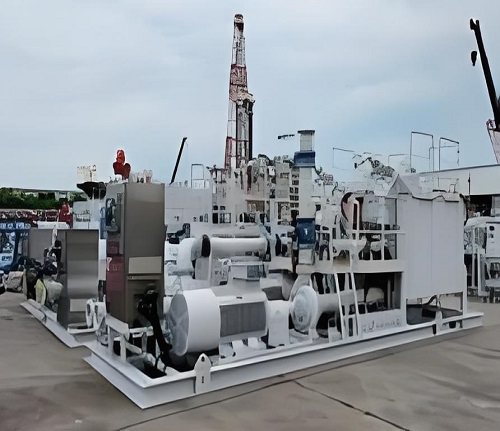
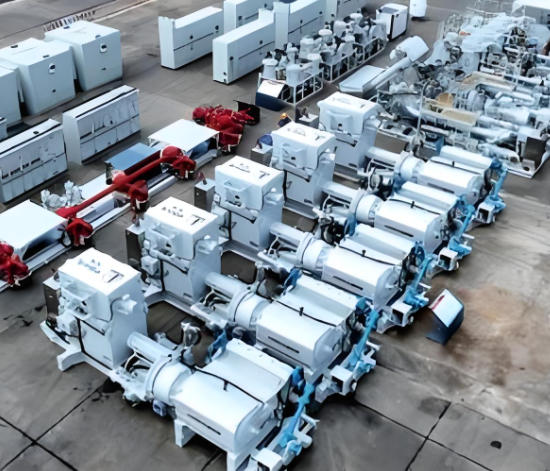
Below is a typical marine skid for seawater injection on a platform or FPSO.
|
Parameter
|
Specification
|
|
Pump Type
|
Triplex plunger, horizontal, direct drive
|
|
Maximum Flow Rate
|
120 GPM (27 m³/h) @ 5,000 psi
|
|
Maximum Pressure
|
10,000 psi (69 MPa) – de‑rated for continuous service
|
|
Power Requirement
|
350 HP (260 kW) electric motor, 460V/60Hz or 690V/50Hz
|
|
Drive
|
VFD (included on skid or separate cabinet)
|
|
Plunger Diameter
|
1.5″ (38 mm) × 3.0″ stroke
|
|
Fluid End Material
|
22Cr duplex (NACE MR0175), with ceramic plungers
|
|
Valves
|
Tungsten carbide seats and balls
|
|
Pulsation Dampener
|
3‑gal bladder type, 316L, precharged with nitrogen
|
|
Relief Valve
|
316L, adjustable 5,000–10,000 psi, full‑lift
|
|
Suction Strainer
|
316L basket, 60 mesh
|
|
Piping (Suction/Discharge)
|
3″ / 2″ 316L schedule 10S, butt‑weld
|
|
Isolation Valves
|
316L ball valves, full bore
|
|
Instruments
|
Pressure gauge (SS, glycerin filled), pressure transmitter (4‑20 mA), temperature switch
|
|
Control Panel
|
Stainless steel IP66, with start/stop, emergency stop, status lights, and VFD speed pot. Modbus TCP output.
|
|
Skid Dimensions (L×W×H)
|
2.5 m × 1.8 m × 2.0 m (8.2′ × 5.9′ × 6.6′)
|
|
Skid Weight (dry)
|
3,200 kg (7,050 lbs)
|
|
Corrosion Protection
|
Skid: hot‑dip galvanized + epoxy. Wetted: 22Cr duplex. Fasteners: A4‑80.
|
|
Certifications
|
ABS (class), API 674 (reciprocating pumps), NACE MR0175
|
|
Operating Temperature
|
–20°C to +50°C (ambient) – winterization available
|
Application Fields
Marine pump skids are used across all types of offshore installations.
-
Seawater Injection for Pressure Maintenance
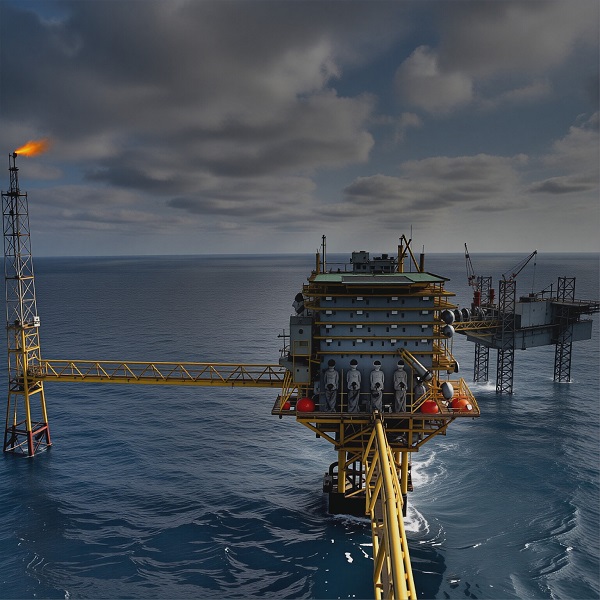
On FPSOs and platforms, seawater is filtered, deaerated, and injected into the reservoir to maintain pressure. Our high‑pressure triplex pump skids (10,000 psi) deliver precise flow and pressure, with duplex fluid ends resisting chloride stress cracking.
-
[Image Placeholder: Seawater injection pump skid on an FPSO]
Firewater Pump Systems
Every offshore installation requires firewater pumps (NFPA 20). Our diesel‑driven centrifugal pump skids sit in a dedicated pump room or protected area, ready to start automatically. We supply the full package: pump, diesel engine, day tank, controls, and cooling system.
-
Chemical Injection (Methanol, Scale Inhibitor, Corrosion Inhibitor)
Small, high‑pressure plunger pumps (10–50 GPM, 5,000–10,000 psi) inject chemicals into wellheads or flowlines. Our skids include multiple pump heads (up to 6 independent pumping sections) with variable speed drives for precise dosing.
-
Hydraulic Power Units (HPU) for Subsea Controls
Subsea production trees require clean, high‑pressure hydraulic fluid (3,000–5,000 psi). Our triplex pump skids (with stainless steel fluid ends and filtration) supply multiple subsea control lines via umbilicals.
-
Crude Oil Transfer & Offloading
Large centrifugal pump skids (up to 5,000 GPM) move crude from platform storage to shuttle tanker during offloading. Our skids include explosion‑proof motors (Zone 1) and leak detection.
-
Cooling Water & Utility Services
Platforms need seawater cooling for generators, compressors, and air conditioning. Our multistage centrifugal pump skids (low pressure, high flow) are coated for seawater and located on lower decks.
-
Well Service & Workover Support
During coiled tubing or snubbing operations, we provide portable plunger pump skids for pumping fracturing fluid, acid, or cement slurry. These are designed to be lifted by platform crane (max weight 5 tonnes) and moved between well slots.
Why Choose SJ Petroleum Machinery for Marine Pump Skids?
1. Designed to Last in Saltwater
We do not just paint carbon steel and hope. Our base material for wetted parts is 22Cr duplex or 316L; for the skid frame we use hot‑dip galvanized steel plus epoxy. We have skids that have run 12 years on North Sea platforms with no structural corrosion.
2. Compact Layout – Fits Where Others Won’t
Our engineers visit your platform or review 3D scans to design the smallest possible footprint. We integrate valves, strainers, and controls into the skid frame, eliminating external piping runs that take up space.
3. Low Maintenance for Remote Offshore Sites
Everything is accessible: fluid end valves can be changed without removing piping, bearings are greasable from the front, and the motor has space heaters to prevent condensation during idle periods. We provide a detailed maintenance schedule with common spares list.
4. Class Society Approved – No Surprises
We work with ABS, DNV, Lloyd’s, and CCS from the start. Our design, material selection, welding, and testing meet class rules. You receive a full documentation package that your class surveyor will accept.
5. Factory Tested Including Offshore Conditions
Each skid undergoes:
– Hydrostatic test of piping and pump (1.5× working pressure)
– Mechanical run test (4 hours at rated conditions)
– Vibration measurement and balancing
– Control system function test
– Painting inspection (dry film thickness, adhesion)
We can also perform a simulated offshore motion test on request.
6. Global Spares & Field Service
We stock pump wear parts (plungers, packing, valves, seats, gaskets) and control spares in Houston, Aberdeen, Dubai, Singapore, and Jingzhou. For emergency repairs, we can fly a technician to your platform within 72 hours.
Frequently Asked Questions (FAQ)
Q1: What is the difference between your marine skid and a standard industrial pump skid?
Our marine skid uses corrosion‑resistant materials (316L/duplex), marine‑grade motors (IP56, tropicalized), higher coating thickness (600 μm vs 200 μm), stainless steel instrumentation, and meets ABS class requirements. A standard industrial skid will corrode and fail within 2–3 years offshore.
Q2: Can you supply a pump skid for an existing platform without deck drawings?
We can send a survey team to your platform (or you can provide photographs and rough dimensions) to design a skid that fits. For brownfield projects, we often recommend a smaller modular skid that can be split into two pieces and carried through narrow doorways.
Q3: What is the typical lead time for a marine pump skid?
Standard centrifugal skid (1,000 GPM, 1,500 psi): 16–20 weeks. High‑pressure triplex skid (10,000 psi): 24–30 weeks (due to special materials and class approval). Rush orders may be possible with existing stock components – call our sales team.
Q4: Do you provide installation and commissioning on the platform?
Yes – included. Our field service engineer will travel to the offshore site, supervise offloading and positioning, connect suction/discharge lines and electrical power, and perform a full function test. We also train your maintenance crew on operation and basic repair.
Q5: How do you prevent galvanic corrosion between pump and piping?
We use the same material (22Cr duplex) for pump fluid end, piping, and fittings. If connecting to carbon steel platform piping, we provide a dielectric isolation spool (316L with gasket and coated bolts). The skid itself is electrically isolated from the deck using neoprene pads.
Q6: Can I get a pump skid with explosion‑proof electric motor (Zone 1)?
Yes – we offer ATEX / IECEx certified motors (Ex d IIB T4) for hazardous areas. The control panel and instruments are also explosion‑proof. For Zone 0 (gas inside piping), we use a hydraulic drive or seal‑less magnetic drive pump – consult us.
Q7: What is the maximum operating temperature for your pumps?
Centrifugal pumps: up to 120°C (fluid) with suitable mechanical seal. Triplex plunger pumps: up to 80°C for standard packing, 150°C with high‑temp seals (AFLAS). For hot crude or steam, we offer a cooled stuffing box.
Q8: Do you offer a pump skid with variable frequency drive (VFD) included?
Yes – we can mount the VFD inside a separate cabinet (or on the skid if space permits). The VFD is marine‑grade (conformal coated circuit boards), with line reactor and EMC filter. Control via 4‑20 mA or network.
Q9: How do I winterize the skid for cold climate (North Sea, Arctic)?
We offer: (1) Electric heat tracing on piping and pump body, (2) Enclosure around skid with space heater, (3) Low‑temperature lubricants and seals, (4) Automatic drain system to prevent freezing when idle. Specify "winterization” on your order.
Q10: What is the typical warranty period?
24 months from delivery, covering defects in materials and workmanship. Wetted wear parts (valves, seats, packing, plungers) are covered for 12 months or 2,000 operating hours, whichever comes first. Extended warranty available for purchase.
Tag: