Wellhead automation system
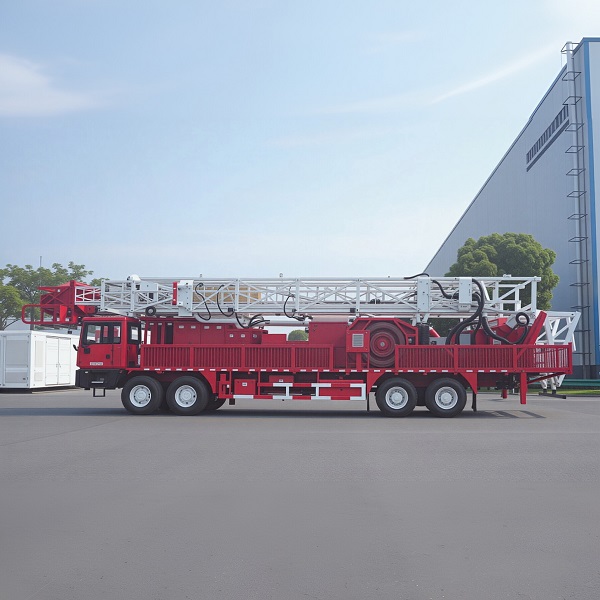
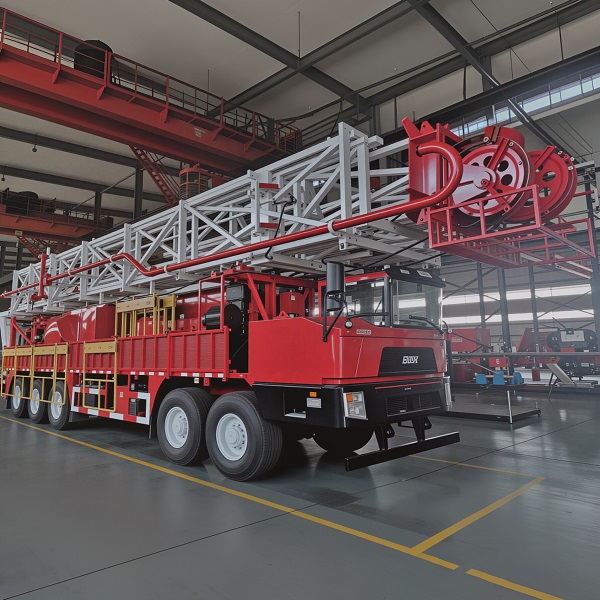
Technical Specifications – Wellhead Automation System
Wellhead Control Panel (WHCP) – Key Specifications
| Parameter | Specification |
|---|---|
| Wellhead Standards Compliance | API Spec 6A (21st Edition), ISO 10423, GB/T 22513, NACE MR0175 |
| Safety Performance Standards | API 14C, API 14B, API 17C (as applicable for offshore), IEC 61508 / IEC 61511 (SIL) |
| Control Panel Type | Hydraulic, pneumatic, electric, or hybrid (field configurable) |
| Number of Wells Controlled | Single‑well (dedicated) or multi‑well (up to 6+ wells per panel, scalable via master‑local) |
| Power Supply | 110/220 VAC (48 V DC optional) with redundant power modules, battery backup (8+ hours) |
| PLC / RTU Type | Industrial‑grade RTU with integrated PLC functions and soft logic |
| I/O Capacity | Configurable up to 64 analog inputs, 128 digital inputs, 64 digital outputs per panel (expandable) |
| Communication Protocols | Modbus RTU (RS‑232/RS‑485), Modbus TCP/IP, DNP3, IEC 60870‑5‑104, OPC UA, MQTT |
| SCADA Integration | Full integration with major SCADA platforms (GE, Emerson, Siemens, Schneider, ABB) |
| Sampling Rate | Up to 10 points/second for high‑speed data logging |
| Local HMI | 7″ to 15″ sunlight‑readable touchscreen (optional) |
| Data Historian | Embedded historian with 1‑year archive (factory default), extendable |
| Enclosure Rating | IP66 (outdoor, dust‑tight, water‑tight) |
| Operating Temperature | Standard: -20 °C to +55 °C (-4 °F to 131 °F) / Arctic package: -45 °C (-49 °F) |
| Primary Valve Actuation | Hydraulic (fail‑safe close/open), pneumatic, or electric |
| Remote Access | Web SCADA dashboard via secure VPN or cellular (4G/5G) |
| Emergency Shutdown | Automatic (pressure/temperature thresholds, fire/gas) + manual (local & remote) |
| Well Types Supported | Oil wells, gas wells, injection wells, water disposal wells, geothermal wells |
| API Monogram | Available upon request for API‑monogrammed components |
| Certifications | API Q1, API 6A, ISO 9001, ISO 14001, ISO 45001, CE |
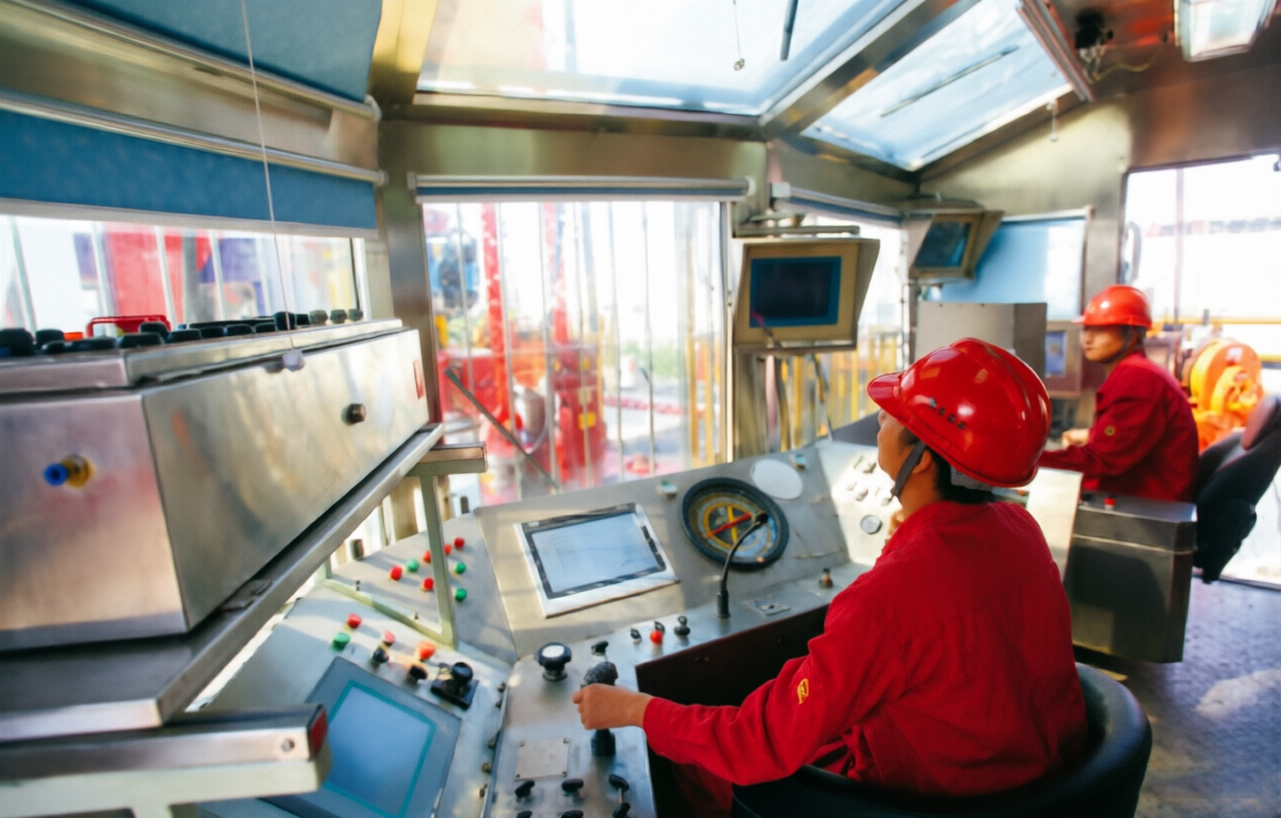
Product Types – Wellhead Automation System Configurations
We offer a range of wellhead automation system configurations, from basic safety shutdown to full‑field digital oilfield management.
1. Single‑Well Standalone WHCP (Basic Configuration)
Best for: Remote exploration wells, small‑production wells, locations without communication infrastructure, applications requiring only local safety shutdown.
A standalone WHCP is installed directly at the wellhead and provides: local monitoring of pressure, temperature and flow; automatic ESD response to out‑of‑limit conditions; manual control of the surface safety valve (SSV) and wing valves; optional data logging; and battery backup. No SCADA communication is required, though communication ports can be added later. This configuration is ideal for low‑cost safety compliance on wells that are not part of a wider digital oilfield.
Key features: Simplicity, low initial investment, robust local safety functionality and easy future upgradability to remote monitoring.
2. Single‑Well WHCP with Remote Monitoring (SCADA Ready)
Best for: Wells where production data needs to be viewed from a central office, but remote control is not yet required.
This configuration adds a cellular (4G/5G) or satellite communication interface to the standalone WHCP, plus a basic SCADA viewer dashboard. Operators can see real‑time well pressures, temperatures and valve status, receive email or text alarm notifications, and view historical trend charts. Remote operation of valves and setpoint changes is not enabled at this level (view‑only). The hardware is identical to the full remote control configuration, providing a simple software upgrade path when remote operation is needed.
3. Single‑Well WHCP with Full Remote Operation & Control
Best for: Wells where remote shutdown, valve operation and setpoint adjustments are required from a central control room.
This configuration adds secure remote access and full two‑way control capability to the SCADA dashboard. Authorized operators can view real‑time data, acknowledge alarms, change pressure or temperature setpoints and remotely command the surface safety valve, wing valves and choke valve to open or close. All remote actions are logged with user identification and timestamp for full auditability. Network security is handled via VPN, and all communication is encrypted. The WHCP remains capable of local control even if the communication link fails.
4. Multi‑Well Master‑Local WHCP System (Cluster Pad)
Best for: Multi‑well pads (e.g., shale gas pads, cluster oil wells) where all wells share a common control room.
A master panel is installed in the central equipment building, communicating with remote I/O termination boxes at each wellhead via hardened digital communication links (Ethernet, fiber optic or RS‑485). The master panel provides the operator interface and central SCADA connection. This approach reduces the number of fully featured control panels, simplifies maintenance and lowers overall cost for multi‑well installations. The system supports simultaneous monitoring and control of up to 6 wells per master panel, with multiple master panels communicating further up to a field SCADA system.
5. Full‑Field SCADA System with Distributed WHCPs
Best for: Oil and gas fields with dozens or hundreds of wells scattered over a wide geographic area.
This is a true digital oilfield solution. Each wellhead is equipped with a smart WHCP that can operate autonomously when communication is lost. All WHCPs report to a central SCADA server (or cloud‑based SCADA platform) via secure, reliable communication links (cellular, satellite, fiber optic or radio). The central SCADA provides a unified view of the entire field with real‑time data, alarm management, reporting, historical trending, and the ability to control any well from a single workstation. The system also supports demand‑based optimization, such as automated production cycling for plunger‑lift wells or intermittent gas wells. The SCADA platform complies with IEC 61131‑3 programming standards and can be integrated with corporate ERP and production accounting systems.
6. Offshore / Onshore High‑Pressure HPHT Wellhead Automation System
Best for: High‑pressure, high‑temperature (HPHT) wells, deep gas wells and offshore platforms requiring remote emergency shutdown.
This configuration uses API 6A pressure‑class components and specially rated sensors for pressures up to 20,000 PSI (138 MPa) and temperatures up to 250 °F (121 °C). The WHCP is housed in a hazardous area (Zone 1/Zone 2) certified enclosure with explosion‑proof instrument connections. Redundancy is increased, with dual power supplies, dual communication paths and triple‑redundant safety logic (SIL‑3). The system is designed to operate in offshore environments with the appropriate environmental protection and certification (DNV, ABS, Lloyds) as required. Emergency shutdown (ESD) response time is sub‑second. All API 6A components are fully documented and the system can be API‑monogrammed.
7. Artic‑Rated Wellhead Automation System (Cold Climate)
Best for: Fields in Siberia, northern Canada, Alaska and other regions with sustained sub‑freezing temperatures.
Our arctic package extends the operating temperature range to -45 °C (-49 °F) and includes heated enclosures (electric heat tracing), low‑temperature hydraulic fluids and seals, battery heaters and oversized battery banks, insulated wiring and weather‑proofed connectors, and nitrogen‑purged instrument enclosures for high‑humidity or freeze‑thaw cycles.
Applications – Where Our Wellhead Automation Systems Excel
-
Onshore conventional oil & gas fields – Replace manual wellhead checks and paper logs with remote real‑time monitoring, automated production data collection, and immediate alarm notification.
-
Offshore production platforms – Reduce personnel exposure to hazardous areas, manage wellhead safety shutdown systems, and integrate with platform DCS (distributed control system).
-
Unconventional (shale / tight) fields – Monitor and control dozens of wells from a central pad equipment building, reduce truck rolls for well checks, and optimize production through automated plunger‑lift and intermittent well control.
-
High‑pressure, high‑temperature (HPHT) wells – Achieve safety compliance with API 6A pressure‑containing components while providing remote monitoring and automatic ESD for extremely high‑pressure wells.
-
Remote & unmanned well sites – Operate with minimal or no on‑site personnel, rely on automated safety shutdown systems, and use cellular or satellite communication for remote surveillance and control.
-
Enhanced oil recovery (EOR) / injection wells – Monitor waterflood, steam injection and gas injection wells remotely, and adjust injection rates based on reservoir response.
-
Abandoned well monitoring – Retain automated monitoring on suspended or abandoned wells to detect pressure changes or leaks, meeting regulatory surveillance requirements without routine site visits.
Why Choose SJ Petro for Your Wellhead Automation System?
Because a wellhead automation system is a critical safety and production asset. You need a manufacturer that designs, tests, and supports the entire system.
| Your Challenge | SJ Petro’s Answer |
|---|---|
| "My wellhead equipment must meet API 6A for an international tender.” | We design and manufacture all pressure‑containing components to API 6A (21st Edition), including automatic closure requirements, and provide the full documentation package – material test reports, hydrostatic certificates, NDT reports. |
| "I have a mix of oil, gas and injection wells on the same pad.” | Our system supports all well types with configurable control logic and the same operator interface, simplifying training and maintenance. |
| "I need remote monitoring but I am concerned about security.” | Our SCADA communication uses VPN, encryption and role‑based access controls. The WHCP maintains local control even if the communication link fails, ensuring safety functions are always active. |
| "My field is widely scattered with limited electricity.” | Our WHCPs include low‑power components (less than 50 W typical) and optional solar‑charging battery systems for off‑grid wells. Communication can be via cellular or satellite. |
| "I need to integrate with my existing SCADA system.” | Our WHCPs support Modbus RTU, Modbus TCP, DNP3, IEC 60870‑5‑104, OPC UA and MQTT. We also provide the IEC‑1131 programming environment to match your existing standards. |
| "I operate in an arctic environment.” | The arctic package is available with heating, low‑temperature hydraulics and extra battery capacity. This configuration has been field‑proven in Russia’s Orenburg region at -45 °C. |
More reasons to trust SJ Petro:
-
Sinopec Group heritage – 80+ years of oilfield equipment engineering, founded in 1941, rooted in Jingzhou, Hubei.
-
API 6A, API Q1, ISO 9001 certified – full international certification, not "designed to.”
-
In‑house manufacturing – we design, fabricate and test our own WHCPs, RTU/PLC systems and API‑certified wellhead components.
-
Global track record – wellhead equipment and control systems delivered to the Middle East, Central Asia, Russia, South America, Africa and Southeast Asia.
-
Flexible commercial terms – milestone payments, operating leases and direct financing available for qualified buyers.
Frequently Asked Questions (FAQ) – Wellhead Automation System
Q1: What is a wellhead automation system?
A: A wellhead automation system is an integrated technology solution that controls, monitors and safeguards a well. It consists of a wellhead control panel (WHCP) with a PLC or RTU, sensors and actuators, and optional SCADA remote monitoring software. It continuously measures parameters such as pressure, temperature and flow, can automatically shut in the well if setpoint limits are exceeded, and can report data and alarms to a central control room in real time.
Q2: What is a wellhead control panel (WHCP)?
A: A wellhead control panel (WHCP) is the local hardware unit installed near the well. It houses the control logic processor (PLC or RTU), power supplies, operator interface, emergency shutdown buttons and valve control solenoids. It serves as the "brain” of the wellhead automation system, executing safety shutdown logic and communicating with remote SCADA servers.
Q3: What is the difference between ESD, PSD and basic wellhead shutdown?
A: ESD (Emergency Shutdown) is the highest‑priority safety function, triggered by well‑level conditions such as high/low pressure, high temperature, fire detection or manual ESD pushbutton. It shuts down the entire well. PSD (Process Shutdown) is typically triggered at the facility level, such as by separator high level or flare flame failure. Basic wellhead shutdown may refer to routine valve closure for maintenance or workover, not emergency automatic closure. Our automation system includes all three types with clear prioritization.
Q4: Can the WHCP be retrofitted to an existing well without replacing the whole Christmas tree?
A: Yes. Our WHCPs are designed for retrofit applications. We can interface with existing API‑flanged valves and add actuator kits (hydraulic, pneumatic or electric) to automate manual valves. Many customers upgrade from fully manual wells to remote monitoring by adding our WHCP and actuator packages without changing the underlying wellhead equipment.
Q5: What communication options are available for remote monitoring?
A: We support Modbus RTU (RS‑232/RS‑485), Modbus TCP/IP, DNP3, IEC 60870‑5‑104, OPC UA and MQTT for integration with SCADA hosts. Physical communication can be via 4G/5G cellular, satellite, fiber optic, licensed or unlicensed radio, or direct Ethernet connection.
Q6: Is the WHCP powered by grid electricity or solar?
A: We provide WHCPs for both. For grid‑powered locations, we use 110/220 VAC with battery backup. For off‑grid sites, we can supply a solar‑charging battery system sized for the well’s power requirements, including enough battery capacity for multiple days of autonomous operation during poor solar conditions.
Q7: What is the expected lifespan of a wellhead automation system?
A: With proper maintenance (periodic battery replacement, actuator service, software updates), our system is designed for a 10‑ to 15‑year operational life. Many of our API 6A wellhead components have field life exceeding 20 years.
Q8: Can the system support plunger‑lift or intermittent well control?
A: Yes. The RTU/PLC includes native logic functions for plunger‑lift optimization (timed and pressure‑based operation) and intermittent well control (automated open/closed cycles based on time, production volume or reservoir pressure response). These are pre‑configured options in our software library.
Q9: What kind of training do you provide for operators?
A: For every system purchase, we provide 2–5 days of on‑site training during commissioning, covering WHCP local operations, SCADA usage, alarm handling and basic maintenance. Digital manuals, video tutorials and remote support are also included.
Q10: Can I get an API monogram on the WHCP components?
A: Yes. The wellhead valves, chokes, flanges and other pressure‑containing components can be API‑monogrammed. The control panel itself does not carry the API monogram, but it is certified to meet the functional safety requirements of API 14C, API 14B and API 17C, which complement the API 6A mechanical standard. Third‑party witness testing (SGS, BV, DNV) is available upon request.
Q11: What documentation do you provide for regulatory compliance?
A: We provide a complete documentation package: API 6A data sheets, material test reports (EN 10204 3.1), hydrostatic test certificates, NDT reports, cause‑and‑effect matrix for ESD logic, SIL assessment certificates, electrical schematic diagrams, as‑built drawings and operation manuals.
Q12: What is the lead time for a complete wellhead automation system?
A: Standard lead times:
-
Single‑well WHCP: 6–8 weeks
-
Multi‑well master‑local system: 10–12 weeks
-
Full‑field SCADA system: 14–20 weeks
-
Custom / arctic / offshore packages: add 4–6 weeks
Q13: Do you provide financing or leasing for wellhead automation systems?
A: Yes. For qualified buyers, we offer direct financing through partner banks (terms up to 5 years), operating leases (low monthly payments) and milestone payment plans (30/40/30). Contact our sales team for a lease proposal.
Q14: How does your system handle loss of communication between the WHCP and SCADA server?
A: The WHCP continues to execute its control logic and safety functions autonomously. Sensor data is logged locally to the embedded historian. When communication is restored, the SCADA server automatically retrieves the backlogged data, ensuring no records are lost.
Q15: Do you integrate with existing wellhead valves from other manufacturers?
A: Yes. Our WHCP can interface with most major brands of API 6A gate valves, chokes and surface safety valves, provided the actuator mounting and control requirements are compatible. We can supply adapter kits and conversion assemblies where needed.