Vertical lifting technology
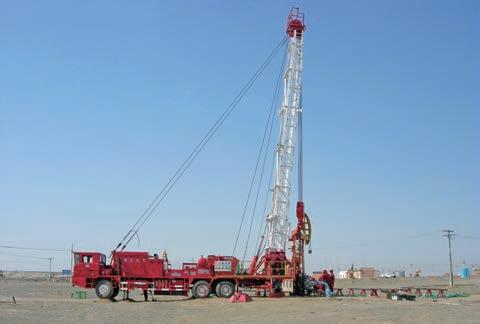
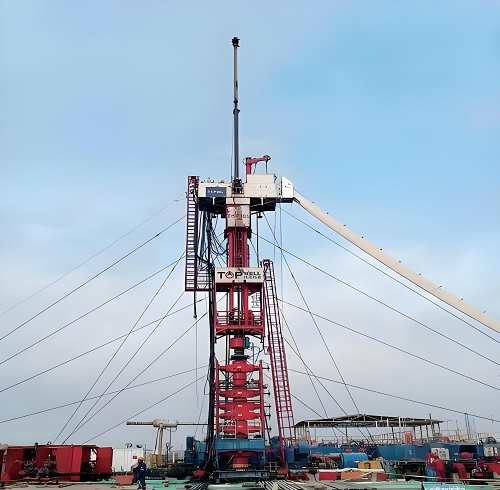
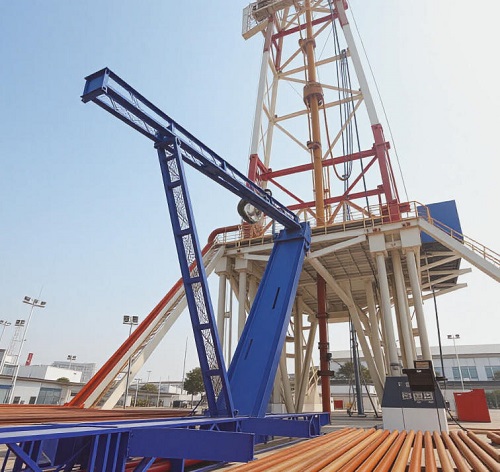
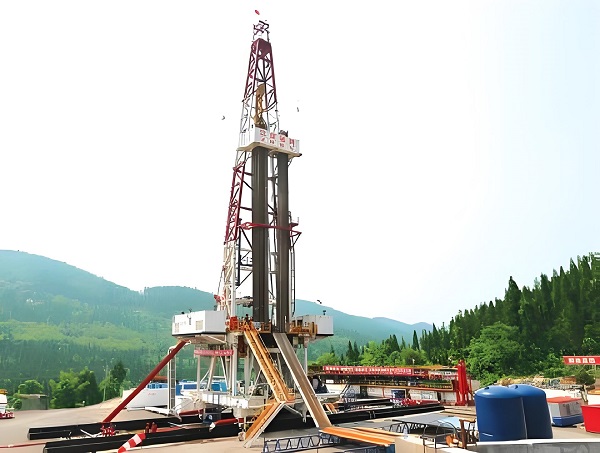
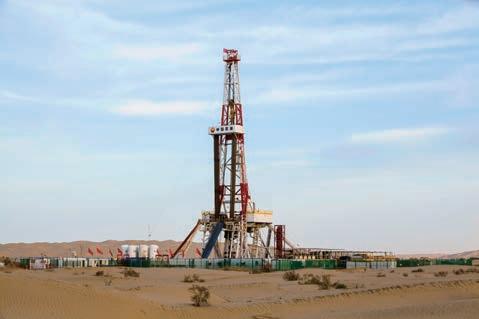
Technical Specifications – Vertical Lifting Technology Components
Our vertical lifting technology is built around these core components, which can be configured into complete systems.
Hydraulic Lift Cylinders
| Parameter | HLC‑20 | HLC‑50 | HLC‑100 | HLC‑150 | HLC‑200 |
|---|---|---|---|---|---|
| Bore diameter | 4" | 6" | 8" | 10" | 12" |
| Rod diameter | 3" | 4" | 5.5" | 7" | 8" |
| Stroke (std / max) | 10 ft / 15 ft | 12 ft / 20 ft | 14 ft / 25 ft | 16 ft / 30 ft | 18 ft / 35 ft |
| Max operating pressure | 2,500 PSI | 3,000 PSI | 3,000 PSI | 3,500 PSI | 3,500 PSI |
| Cylinder construction | Steel tie‑rod | Welded steel | Welded steel | Forged steel | Forged steel |
| Seal type | PolyPak + wear rings | PolyPak + wear rings | PolyPak + cast iron | PTFE + cast iron | PTFE + cast iron |
| Integrated load cell | Optional | Optional | Standard | Standard | Standard |
| Integrated position sensor | Optional | Optional | Standard | Standard | Standard |
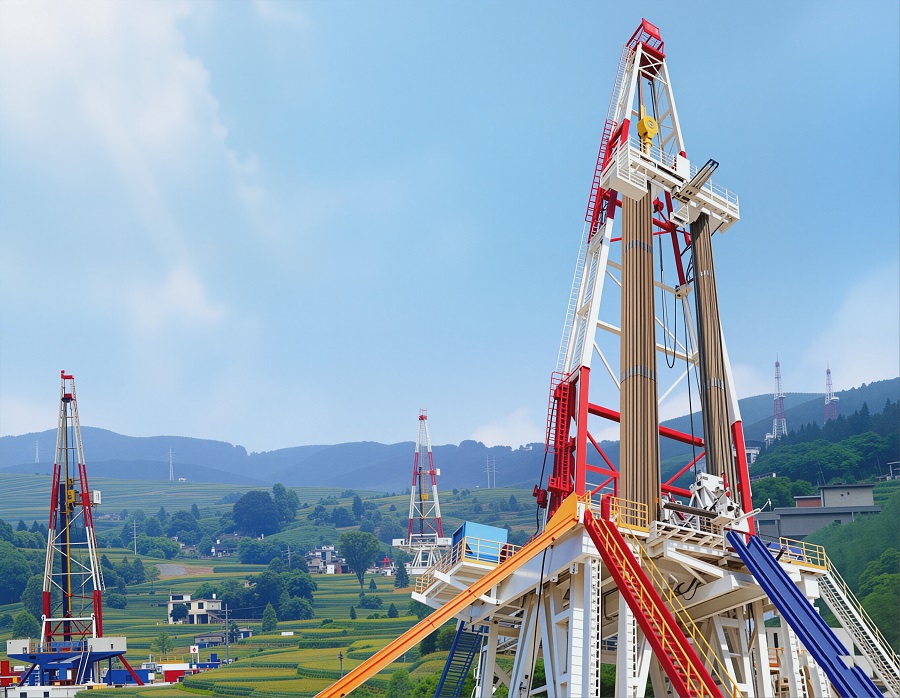
Hydraulic Power Unit (HPU) for Vertical Lifting
| Parameter | HPU‑25 | HPU‑50 | HPU‑75 | HPU‑100 | HPU‑150 |
|---|---|---|---|---|---|
| Flow rate (GPM @ rated PSI) | 8 | 16 | 24 | 32 | 48 |
| Reservoir capacity | 40 gal | 80 gal | 120 gal | 160 gal | 200 gal |
| Power source | Electric 20 HP | Electric 50 HP / Diesel | Diesel 75 HP | Diesel 100 HP | Diesel 150 HP |
| Cooling method | Air | Air | Air + oil cooler | Water‑to‑air | Water‑to‑air |
| Control valve type | Manual lever | Proportional solenoid | Proportional + manual backup | Proportional + manual | Full proportional |
| Weight (dry) | 800 lbs | 1,500 lbs | 2,200 lbs | 3,000 lbs | 4,000 lbs |
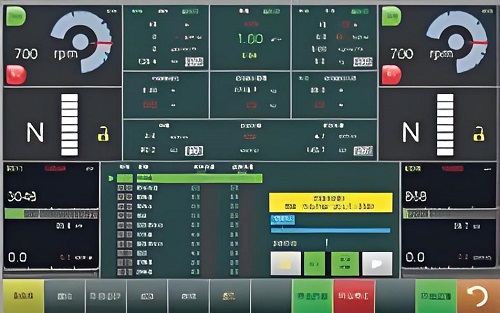
Control System (PLC & HMI)
-
Processor: Siemens S7‑1200 or Allen‑Bradley CompactLogix
-
Display: 7" or 10" touchscreen, sunlight‑readable
-
Inputs: 2 analog (load), 2 analog (position), 4 digital (limit switches)
-
Outputs: 4 proportional valve drives, 4 digital (interlocks)
-
Communication: Ethernet/IP, Modbus TCP, optional 4G
-
Enclosure: NEMA 4X (IP66) stainless steel or ABS
Applications of Vertical Lifting Technology
Vertical lifting technology is used wherever precise, safe, and controlled lifting of downhole strings is required:
-
Sucker rod replacement – Pulling rods from beam pump wells. Creep speed of 1‑2 ft/min prevents rod string bounce.
-
Tubing workover – Lifting tubing strings for scale removal, leak repair, or packer retrieval. Smooth acceleration reduces risk of parting the string.
-
Snubbing (live well intervention) – Using the same hydraulic cylinders to push pipe into a live well against pressure. No separate snubbing unit required.
-
Coiled tubing support – Providing backup lifting force during coiled tubing fishing or milling operations.
-
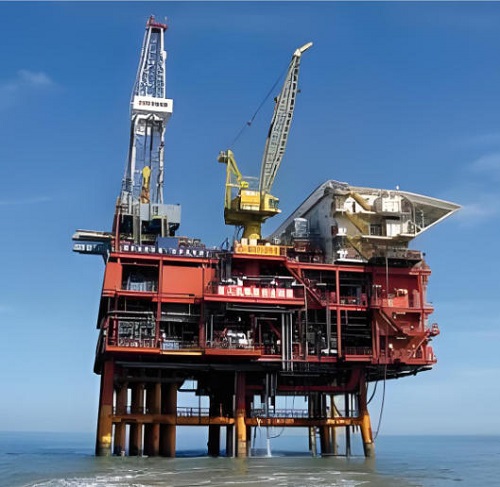
Platform well maintenance – Skid‑mounted vertical lifts on offshore platforms for pump changes and wireline operations.
-
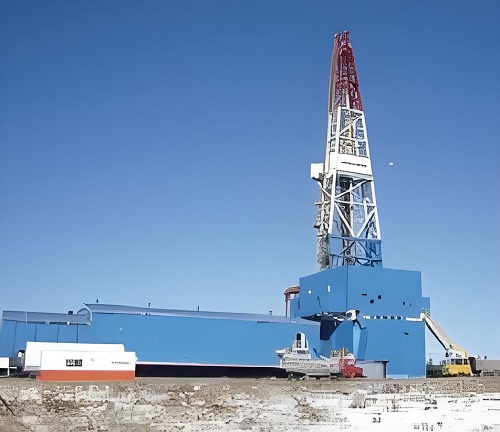
Arctic well servicing – Heated hydraulic systems that work at -45°C while winch brakes fail.
-
Abandoned well plug pulling – Heavy lifting (200 tons) to extract stuck casings or cement plugs.
Why Choose SJ Petro for Vertical Lifting Technology?
-
Sinopec‑owned OEM – We are not a hydraulic shop; we are an API‑certified oilfield equipment manufacturer with 80+ years of history.
-
Proven technology – Over 1,500 hydraulic vertical lift systems in operation globally. Field data shows 40% lower maintenance costs vs. winch hoists.
-
Engineer‑level support – Our hydraulic and control engineers help you size cylinders, select the HPU, and integrate with existing mast structures.
-
API 8C & 7K certified – All pressure‑containing components are certified. Third‑party inspection welcome.
-
Short lead times – Standard cylinders (20‑100 ton) in stock. Custom systems: 60‑90 days.
-
Global service – Seal kits, cartridge valves, and sensors stocked in Dubai, Singapore, and Houston agent. We can also send field service engineers.
-
Competitive pricing – As a direct manufacturer, we are 20‑30% below Western hydraulic specialist companies for equivalent API certification.
-
Warranty – 24 months on cylinder barrels and rods; 12 months on seals, valves, and electronics.
Frequently Asked Questions (FAQ)
Q1: What is the main technical limitation of winch hoists that vertical lifting technology solves?
Load drift. A winch’s mechanical brake cannot hold a load perfectly still – it will slip 0.5‑1.5 ft per hour under heavy load. Hydraulic counterbalance valves lock the load with zero drift. This is critical when landing plugs or setting packers at precise depths.
Q2: Can I retrofit vertical lifting technology to my existing workover rig mast?
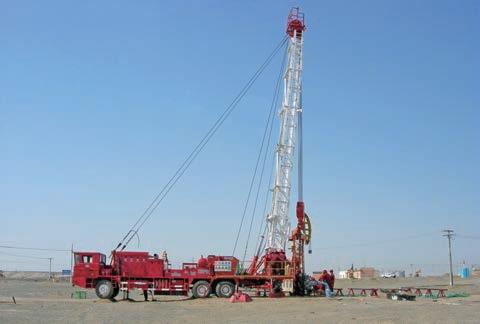
Yes – we supply "cylinder retrofit kits” that replace the wireline and winch. Our engineers will survey your mast and design mounting brackets for the hydraulic cylinders. The kit includes cylinders, hoses, HPU, and control system. Field installation takes 5‑7 days.
Q3: How does energy‑regenerative lowering work?
When lowering a heavy string, the weight of the string pushes hydraulic fluid out of the cylinder return port. That fluid drives the hydraulic pump in reverse, which acts as a motor. If your HPU has an electric motor, it can send power back to the grid (if equipped). In a diesel HPU, the pump assists the engine, reducing fuel consumption.
Q4: What is the typical service life of a hydraulic lift cylinder?
20+ years. The cylinder barrel and rod are hardened steel. Seals need replacement every 3‑5 years depending on cycle count. We maintain an exchange program for worn cylinders – you send the old one, we send a rebuilt unit.
Q5: Does vertical lifting technology work in deviated or horizontal wells?
Yes – because there is no wireline to wear against the casing, hydraulic cylinders work fine in deviated wells. The side load is taken by the mast and wellhead. For snubbing in deviated wells, we add centralizers to guide the jack.
Q6: Can the system be operated remotely (e.g., from a control van)?
Yes – all our proportional valve systems are designed for remote operation. The pendant or console can be located up to 100 ft from the HPU. For fully remote control (like from an office), we add a cellular modem and camera system. Fail‑safe defaults to hold load if signal is lost.
Q7: How precise is the load measurement?
Our integrated load cells (pressure transducers) are calibrated to ±1% of full scale. For example, a 50‑ton system reads loads within ±0.5 tons. This is sufficient for most well intervention; for scientific coring, we offer higher‑precision (±0.25%) sensors.
Q8: What safety certifications are available for hazardous areas?
We supply Zone 1 / Zone 2 certified systems with ATEX or IECEx labeling. The HPU and cylinders are non‑electrical (no ignition source). The pendant and control box can be intrinsically safe (Ex ib) or explosion‑proof (Ex d). Tell us your zone classification.
Q9: How do I size a vertical lifting system for my deepest well?
You need the maximum string weight (rods + tubing + any stuck force). Add 25% safety margin. Then select cylinder capacity ≥ that number. For example, if your worst‑case string weighs 40 tons, choose a 50‑ton system. Send us your well diagram – we will calculate.
Q10: How can I get a technical white paper on vertical lifting technology?
Email tech@sjpetro.com with "Vertical Lifting Technology Whitepaper” in the subject line. We will send a 15‑page technical document covering hydraulic circuit design, safety analysis, and field performance data from 50+ installations.