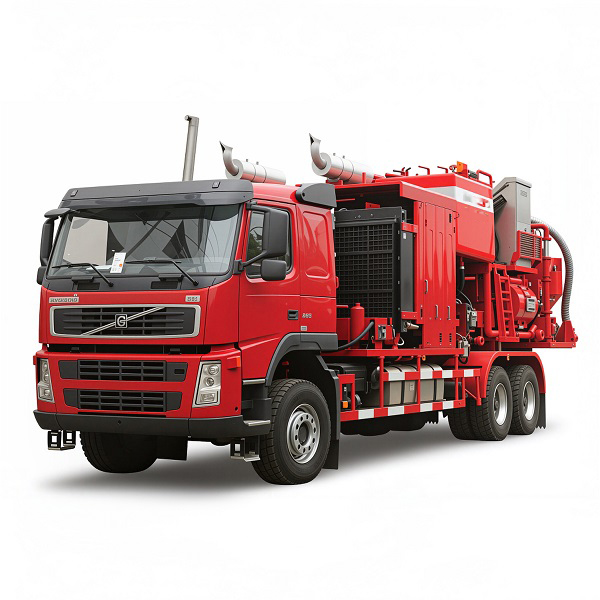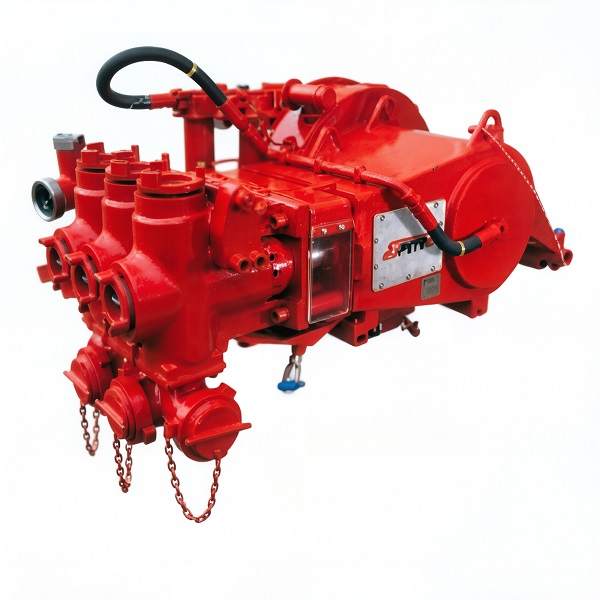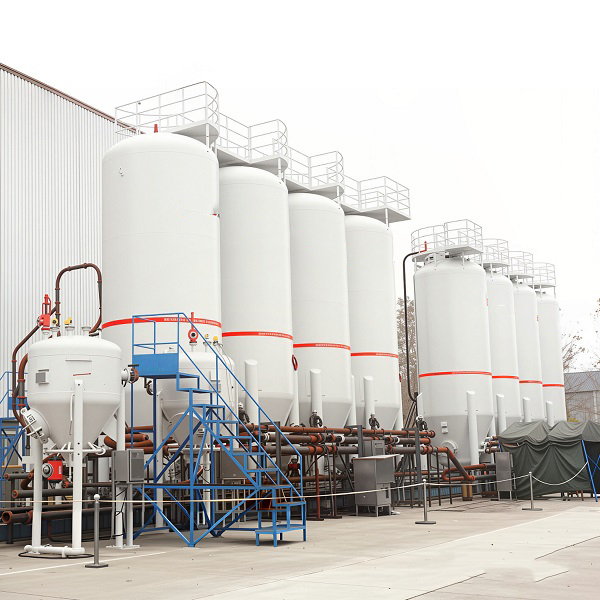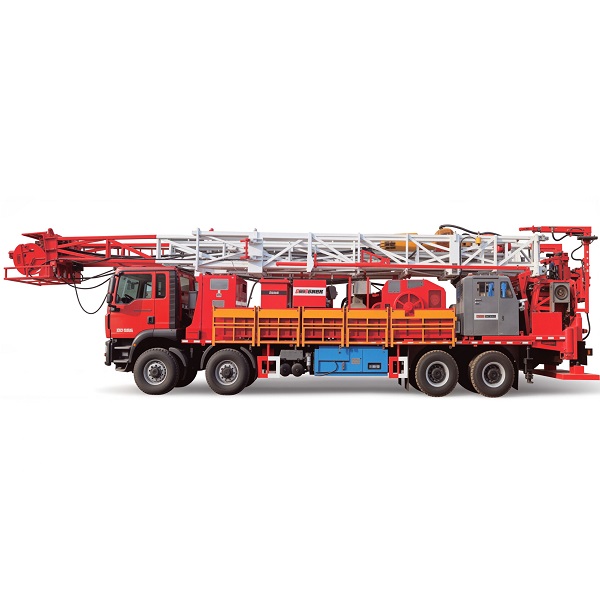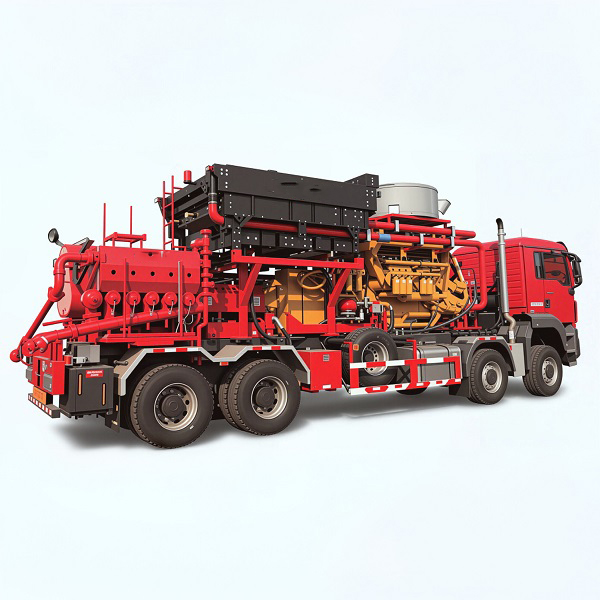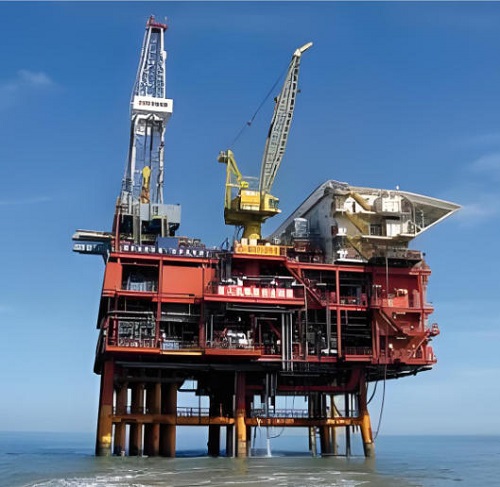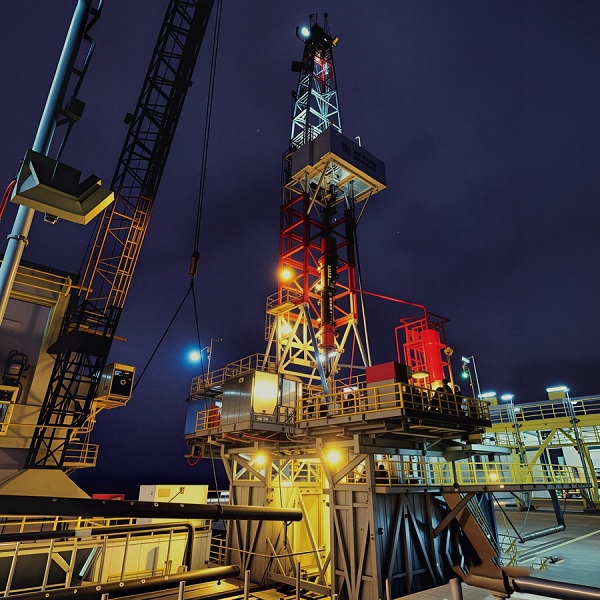
Synchronous operation drilling rig
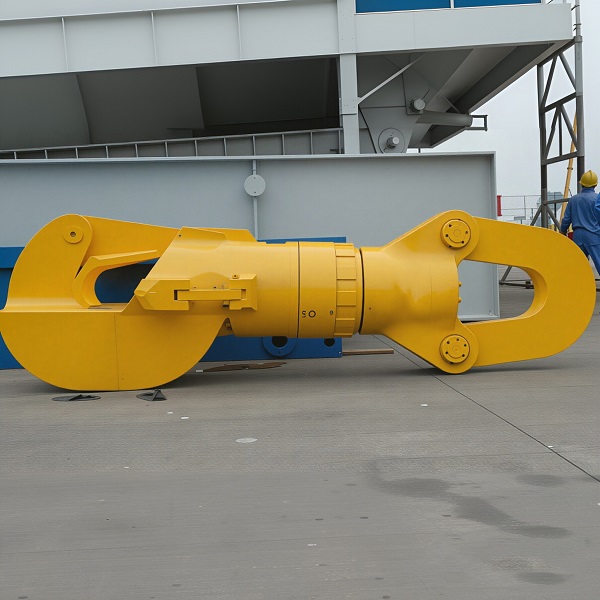
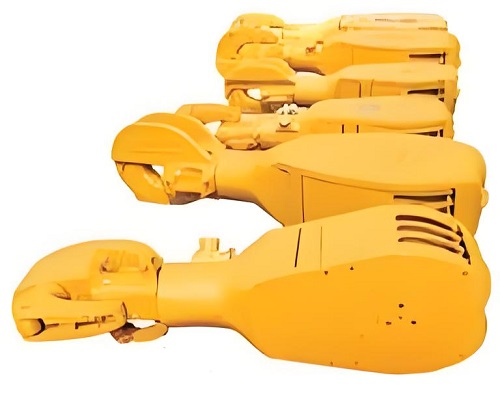
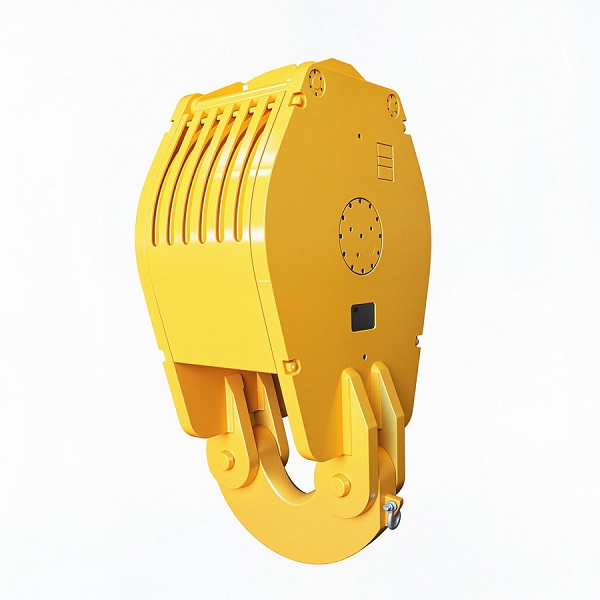
Technical Specifications
| Parameter | Specification |
|---|---|
| Drilling Depth Capacity (each well) | 3,000 m / 4,000 m / 5,000 m / 7,000 m (options) |
| Number of Well Centers | 2 (main + auxiliary) |
| Hook Load per Well Center | 1,700 kN ~ 3,150 kN |
| Drawworks Power per Side | 600 HP ~ 1,500 HP (AC VFD) |
| Mast Type | Dual cantilever masts, API 4F |
| Power Source | Diesel-electric (SCR/VFD) with optional grid |
| Synchronous Control Precision | ±5 ms response time |
| Overall Footprint (L×W) | Approx. 32m × 18m (varies by model) |
| Crew Required | 8–10 persons (same as single rig) |
| Typical NPT Reduction | 35–40% compared to single-rig sequential operations |
| Certifications | API Q1, 4F, 7K, 8C; CE; GOST |
| Environment Rating | -30°C to +50°C, offshore humidity ≤95% |
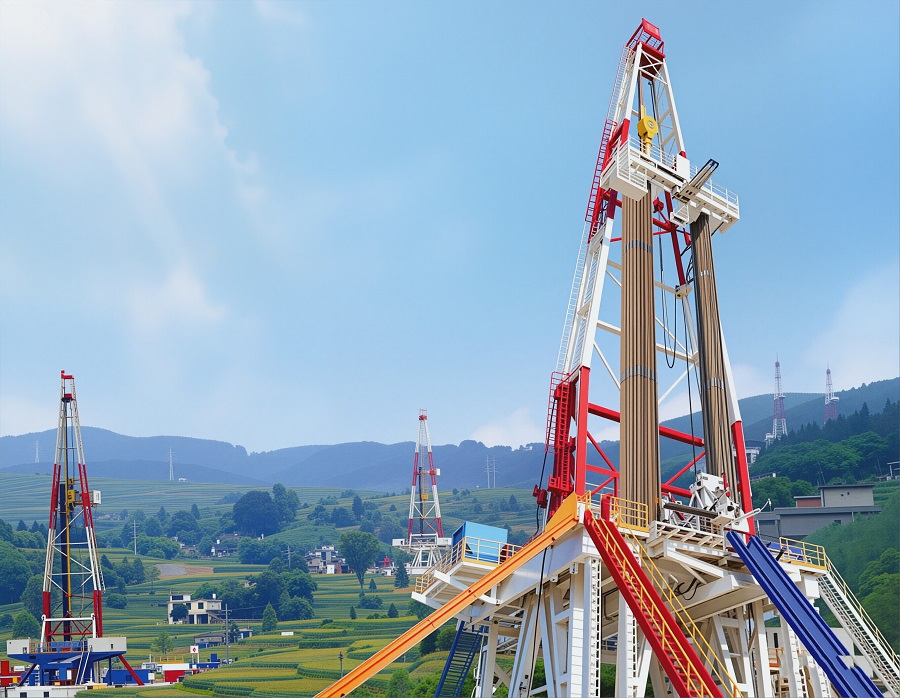
Product Types
| Series | Depth per Well | Ideal Application | Key Feature |
|---|---|---|---|
| DZC Series (Dual-Zenith Combo) | 3,000m – 5,000m | Onshore cluster wells, shale gas pads | Compact single-substructure |
| DOW Series (Dual Offshore Work) | 5,000m – 7,000m | Jack-up rigs, platform extensions | Corrosion-resistant for marine |
| DDC Series (Desert Dual Combo) | 3,000m – 4,000m | Middle East multi-well pads | Sand-tolerant cooling + crawler transport |
| DHT Series (Dual Heavy Travel) | 5,000m – 7,000m | Deep well + simultaneous completion | Independent top drive on each well |
All series support AC variable frequency drive as standard, with options for mechanical or SCR drive on the auxiliary side for lower-cost configurations.
Applications
-
Offshore Platform Drilling – When daily rig cost exceeds $200,000, running two well centers from the same jack-up or semi-sub is a no-brainer. Our synchronous rigs have been used to drill development wells while simultaneously performing wellhead workovers on adjacent slots.
-
Onshore Shale Gas / Oil Pads – With 6-12 wells per pad, moving a single rig between wellheads costs days of rig move time. A synchronous rig handles two wells at once – drill one, complete the other – and can walk laterally to the next pair.
-
Batch Drilling Programs – For field development with identical well designs, run surface casing on the auxiliary side while drilling ahead on the main side. That’s like having two rigs for 1.4× the cost.
-
High-Cost Logistics Zones – Jungles, arctic, or remote deserts where moving a second rig is prohibitively expensive. One synchronous rig does the work of 1.5–1.8 conventional rigs.
-
Workover + Drilling Combo – Need to drill a new well while keeping an old well on artificial lift? The dual design allows drill mode on one side and workover mode on the other.
Why Choose SJ Petro?
We don’t just sell iron – we engineer profitability into every rig.
-
Sinopec DNA – As a subsidiary of Sinopec Oilfield Equipment Corporation (SOFE), we have direct access to decades of drilling data, field feedback, and R&D resources from the world’s largest oil & gas producer.
-
Proven Dual-Activity Track Record – Our first synchronous rig delivered to China’s Sichuan shale gas play reduced the drilling cycle for a 8-well pad from 210 days to 132 days. That’s 78 days saved – over $3 million in rig cost alone.
-
Bespoke Engineering, Not a Catalog – We don’t force a standard model on your well pattern. Our engineers visit your site (or analyze your well layout) and design the dual-well center spacing, mast height, and control logic to match exactly your well spacing and target depth.
-
Global Service & Spares – 24/7 remote diagnostic support. Regional spare parts hubs in Dubai, Houston, and Singapore. On-site commissioning and crew training included.
-
Certified Quality – API Q1, 4F, 7K, 8C monogram. Third-party inspections welcomed (ABS, DNV, Lloyd’s). Full material traceability.
-
Cost Advantage Without Cutting Corners – Price typically 20-30% lower than European or American dual-activity rigs, with the same or better performance. Our vertical integration (steel fabrication, forgings, electronic controls) is the reason.
FAQ
Q1: How many crew members do I need to run a synchronous operation drilling rig?
A: The same as a conventional single rig – typically 8 to 10 persons. Our control system automates many coordination tasks, so you don’t need two separate crews. One driller manages both well centers from a unified console.
Q2: What if both well centers need maximum power at the same time?
A: Our intelligent power management system uses a "load priority” algorithm. Critical operations (drilling ahead, pulling stuck pipe) get higher priority than non-critical tasks (pipe racking, light hoisting). The system can also allocate temporary power from a stored energy module if installed. In practice, simultaneous peak loads rarely happen because operational timing is staggered.
Q3: Can the two well centers operate completely independently?
A: Yes, with one exception – the mud system. They share mud tanks and pumps, but we can equip separate pumps and tanks for full independence if your budget allows. Most customers find shared mud circulation sufficient, as one well center is often on non-circulating operations (casing running, logging).
Q4: How long does it take to move a synchronous drilling rig between pads?
A: For onshore dual-activity rigs, the rig is designed into 8-12 transport modules. Typical rig move time (disassemble → transport → reassemble) is 7-10 days for a 50 km move, which is actually shorter than moving two separate single rigs. Offshore versions are skid-mounted for slot-to-slot movement.
Q5: Is a synchronous operation rig suitable for my shallow gas fields (2,000m depth)?
A: Absolutely. We have a compact DZC-3000 model specifically for 3,000m or shallower wells. It uses a smaller footprint (24m × 15m) and lighter module weight, making it cost-competitive even for shallow applications.
Q6: What training do you provide?
A: 4 weeks of on-site training: 1 week classroom (safety + control system logic), 2 weeks hands-on with our instructors running both well centers, and 1 week shadow operation by your crew. We also provide full simulator software for ongoing training.
Q7: Do you offer financing or leasing?
A: Yes. Through Sinopec’s financial partners, we can arrange operating leases, finance leases, or shared-savings models (you pay based on days saved). Minimum lease term is 12 months. Contact us for details.
Q8: How is quality control handled for export?
A: Every critical weld is UT/MT inspected. Every major component (drawworks, top drive, iron roughneck) is factory load-tested with witnessed reports. You can appoint any third-party inspector (SGS, BV, DNV) to be present during final assembly and load test. We also provide complete document packages for your local certification.