
Synchronous drilling equipment
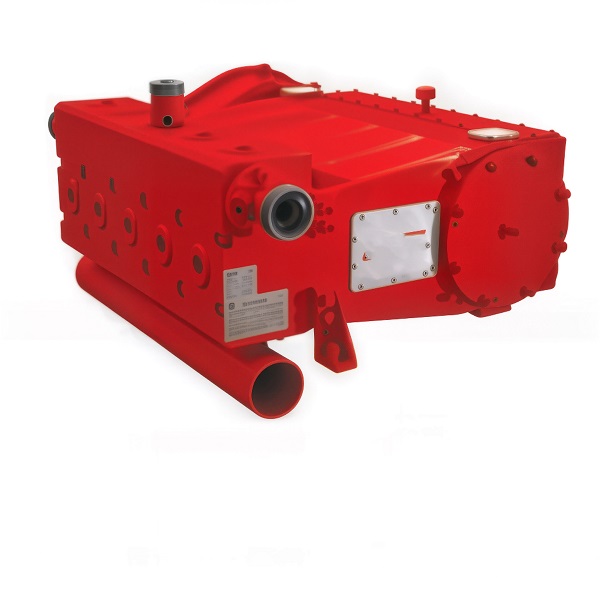
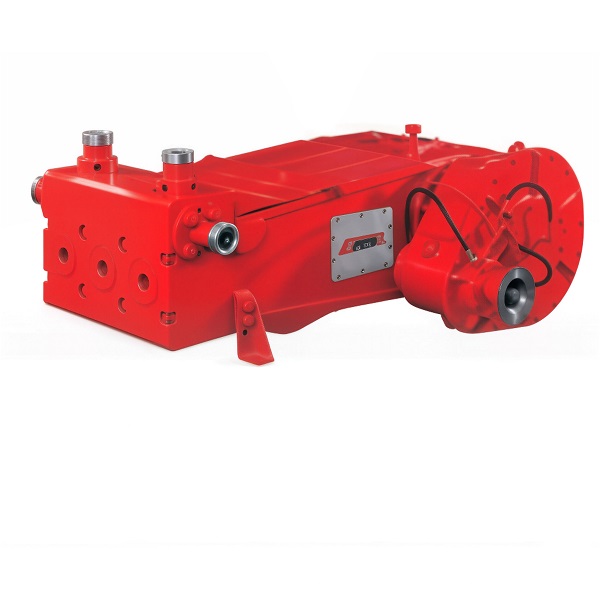

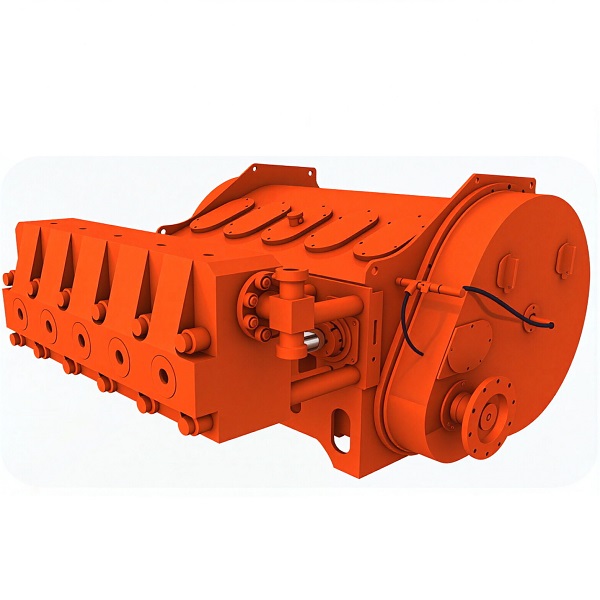
Technical Specifications – Synchronous Drilling Equipment
The table below covers a typical 5,000‑6,000 m synchronous system. Custom configurations for shallower or deeper depths are available.
| Parameter | Primary Mast (Production) | Auxiliary Mast (Top‑Hole / Casing) |
|---|---|---|
| Hook load capacity | 500,000 – 800,000 lbs | 250,000 – 400,000 lbs |
| Mast extended height | 140 – 170 ft (43 – 52 m) | 100 – 130 ft (30 – 40 m) |
| Mast type | 3‑4 section telescopic | 2‑3 section telescopic |
| Top drive | 75,000 – 135,000 ft‑lbs | 35,000 – 60,000 ft‑lbs |
| Drawworks power | 1,500 – 2,500 HP | 800 – 1,500 HP |
| Wireline diameter | 1‑1/4″ – 1‑3/4″ | 1″ – 1‑1/4″ |
| Mud pump (per side) | 2 × 1,600 – 2,200 HP | 1 × 1,600 HP (or shared backup) |
| Well center spacing | 20 – 40 ft (6 – 12 m) custom | same |
| Control system | Individual PLC + master SCADA | same |
| Data logging | 1,000+ channels, 20 Hz | same |
| Total rig weight | 900 – 1,500 tons | – |
| Transport modules | 50 – 80 (depending on depth) | – |
| Rig‑up time (first pad) | 20 – 30 days | – |
| Inter‑pad move time | 4 – 12 hours (skid / walk) | – |
| Certifications | API 4F, 7K, 8C, ABS/DNV optional | same |
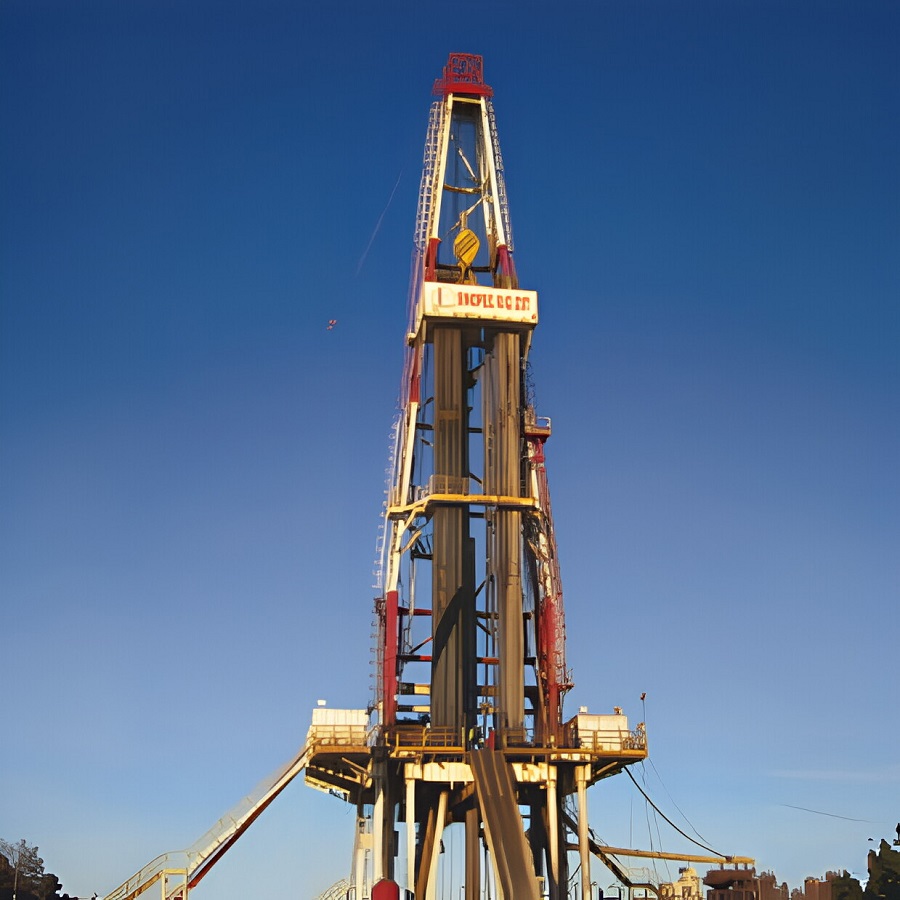
Applications
| Application | Why Synchronous Drilling Is Ideal |
|---|---|
| Large multi‑well pads (shale / tight gas) | 10‑40 wells; while primary drills production, auxiliary drills surface hole for next well |
| Offshore subsea template drilling | Main rig in BOP/riser mode; auxiliary drills top hole and installs casing – time savings up to 43% |
| Batch drilling campaigns | Drill all surface holes across the pad, then intermediate, then production – without ever stopping |
| Deepwater / HPHT exploration | Simultaneous casing running and BHA preparation reduces vessel days by 30‑40% |
| Platform slot drilling | Drill through one slot while nippling up BOP or Xmas tree on the next slot |
| Workover / re‑drill campaigns | One side drills the new wellbore, the other services an existing well |
Product Types – Synchronous Drilling Configurations
| Configuration | Mast Sizes | Well Center Spacing | Best For |
|---|---|---|---|
| SJ‑SYNC‑L (Land parallel) | 2 × full‑depth masts | 6 – 12 m | High‑density land pads, shale |
| SJ‑SYNC‑O (Offshore dual) | Primary full, auxiliary top‑hole | 8 – 15 m | Subsea templates, platform slot drilling |
| SJ‑SYNC‑S (Skid‑mounted) | 2 × full‑depth masts | 10 – 20 m | Move‑over multi‑row pads |
| SJ‑SYNC‑R (Retrofit kit) | Custom (existing primary) | Existing substructure | Upgrade single‑rig fleet |
All configurations are available with the full automation suite: auto‑driller, auto‑connection, and remote operation from a centralized driller’s cabin. Lead time: 12‑18 months for new‑build; 8‑12 months for retrofit.
Why Choose SJ Petro for Synchronous Drilling Equipment?
1. Decades of Dual‑Rig Engineering – We have supplied dual‑mast systems to major national oil companies. Our team has engineered the challenges of load sharing, spacing, and parallel sequencing.
2. Field‑Proven Time Savings – Our clients consistently report 30‑40% reduction in pad drilling time. One offshore operator saved 1.5 days per operation, equating to over USD 1.2 million.
3. True Independent Redundancy – Two complete drawworks, two top drives, two mud systems, two PLCs. If one side fails, the other continues to drill or case.
4. API 4F, 7K, 8C Certified – Full certification for all structural, hoisting, and pumping components. Third‑party witnessing available.
5. Seamless Integration – Our systems are compatible with all major brand top drives, BOP stacks, and data acquisition systems. No vendor lock‑in.
6. Global Service & Spares – Dual‑rig specific spares (drawworks components, top drive parts, mast hydraulic cylinders) stocked in Houston, Dubai, and Singapore. 24/7 support.
7. Flexible Commercial Models – Purchase new, retrofit an existing single rig, or enter a leasing / revenue‑sharing agreement.
8. Sinopec Engineering Backing – Our dual‑rig designs incorporate learnings from hundreds of synchronous drilling campaigns across Sinopec’s offshore and onshore fleet.
Frequently Asked Questions (FAQ)
Q1: What is the difference between "synchronous drilling equipment” and a conventional dual‑well rig?
A conventional dual‑well rig generally uses a single mast and skids between wells – you still have one active drilling center. Synchronous equipment has two complete independent masts operating in parallel, drastically reducing flat time by running casing, making up BHA, and building stands offline.
Q2: Can the auxiliary mast drill a complete well?
Yes. Depending on the configuration, the auxiliary mast is rated to drill the entire surface section and intermediate casing. For deep or HPHT wells, the primary mast handles the deeper intervals while the auxiliary stages the next well.
Q3: How much time can I realistically save?
Field‑proven results from a major operator show 1.5 days saved per dual drilling operation, with total pad time reduced by 30‑40%. Theoretical maximum on subsea templates reaches 43%.
Q4: Does the system require more crew?
No – the number of personnel may even decrease because operations are de‑conflicted. One driller can oversee both masts from a central cabin, supported by a reduced floor crew. Many operators report the same headcount with higher output.
Q5: What is the typical spacing between the two well centers?
Standard spacing is 6‑12 meters (20‑40 ft). We can custom‑design spacing for your pad or platform layout.
Q6: Can I retrofit my existing single‑mast rig to become synchronous?
Yes – our SJ‑SYNC‑R retrofit kit adds an auxiliary mast, top drive, drawworks, and substructure extension. A site survey is required to assess foundation and load capacity. Lead time: 8‑12 months.
Q7: Are there any weight or transport restrictions for land rigs?
The complete synchronous rig is heavier than a conventional single mast rig. Our modular design breaks it into 50‑80 truckable modules (max 25‑30 tons each). We work with your logistics team to plan permitting and routing.
Q8: What happens if one top drive fails?
The independent design allows the working side to continue drilling while the faulty top drive is repaired. The failed unit can be removed and replaced without taking the entire rig offline.
Q9: How is pipe handled between the two masts?
Our stand transfer system is a dedicated rail or arm that moves pre‑made stands from the auxiliary mast to the primary’s setback area. It is fully remote‑controlled and interlocked for safety.
Q10: Do you provide training for simultaneous drilling operations?
Yes – we offer a 2‑week training program that covers dual‑rig sequencing, conflict avoidance, emergency procedures, and coordinated drilling with our simulator.
Q11: What is the typical lead time for a synchronous drilling system?
New‑build: 12‑18 months depending on depth rating and automation level. Retrofit: 8‑12 months.
Q12: How do I get a quote for synchronous drilling equipment?
Provide your pad layout (number of wells, spacing, anticipated depths) and well profile (casing program, formation pressures). Our engineers will model your campaign and deliver a fixed price within 10‑15 business days.






