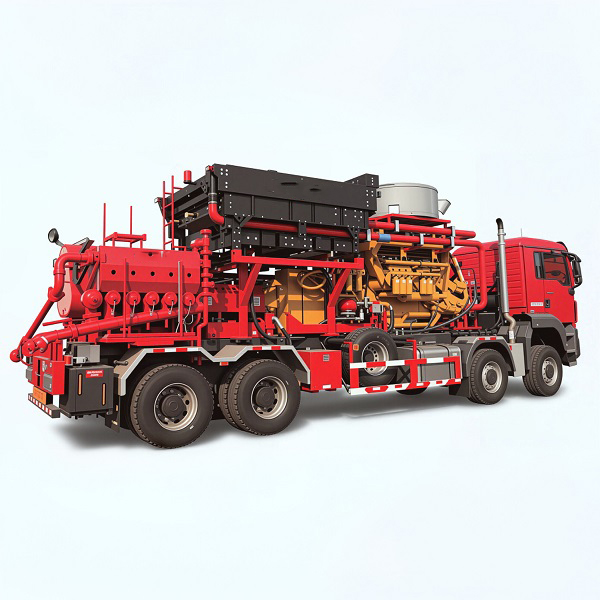
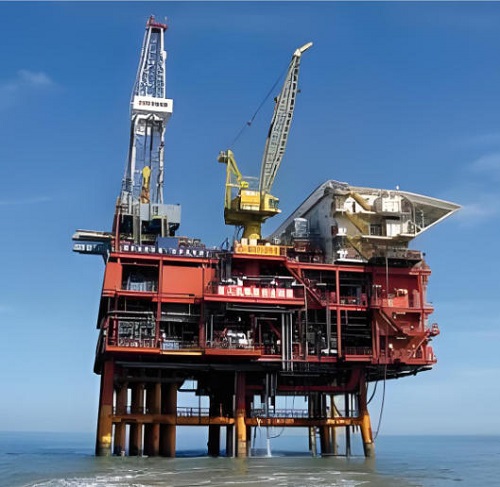
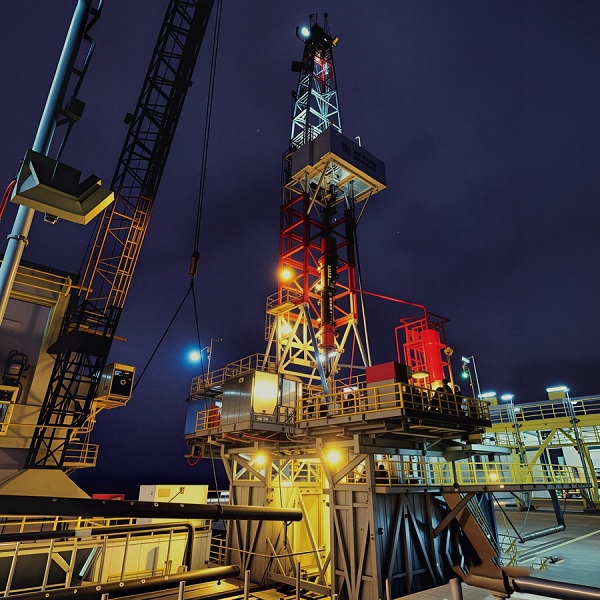
Smart drilling system
Innovative Technology & Key Features
1. AI‑Driven Drilling Optimization
The core of our smart drilling system is a set of machine learning models trained on thousands of drilling hours across multiple rigs and formations.
-
Real‑time ROP optimizer – The model recommends the optimal combination of WOB, RPM, and flow rate for current formation, given current drilling dysfunctions. It learns from the response of the formation to previous parameter changes, updating its recommendation every 10‑30 seconds.
-
Vibration & stick‑slip detector – Using spectral analysis of torque and RPM signals, the system identifies the type of vibration (lateral, torsional, axial) and severity. It then suggests a parameter change (e.g., "reduce WOB by 2 klb, increase RPM by 10”). The driller can accept with one click.
-
Bit wear prediction – Based on real‑time torque, ROP, and depth, the model estimates how many meters of life remain in the current bit. It alerts the driller when to pull the bit before it fails.
2. Predictive Maintenance – Catch Failures Before They Happen
Downtime from unexpected equipment failure is one of the largest sources of NPT. Our smart drilling system continuously monitors key mechanical components:
-
Pump fluid end – Analyzes pressure pulses and liner wear patterns. Alerts when a liner or valve seat is approaching end of life, typically 2‑3 days in advance.
-
Drawworks brake pads – Tracks brake usage, calculates remaining thickness, and suggests replacement before the pad wears to the metal.
-
Top drive gearbox & bearings – Monitors vibration spectrum, oil temperature, and torque ripple. Detects bearing wear or gear pitting early enough to plan maintenance during a rig move.
All predictive alerts appear on the driller’s screen and are also sent to the remote operations center via email or SMS.
3. Real‑Time Collaborative Remote Operations Center
The smart drilling system includes a web‑based remote collaboration platform that brings the office onto the rig floor (virtually).
-
Live data streaming – Office engineers see the same real‑time strip charts, alarms, and dashboards as the driller.
-
Secure chat & voice – The driller and office team can communicate via integrated chat or VOIP, with automatic tagging of time and context.
-
Instant playback – When an unusual event occurs, office engineers can scroll back through the data stream to analyse the minutes leading up to the event.
-
Remote advisory mode – An office‑based drilling expert can "take the controls” (with driller approval) for short periods to demonstrate optimal parameter settings, then hand back to the rig.
4. Automated Reporting & Data Management
Paper logs and manual Excel entries are a thing of the past.
-
Automatic daily drilling report – Generated at midnight in IADC format, including all required KPIs, time breakdowns, and notable events. Emailed to the distribution list automatically.
-
Bit record – Automatically populated with run depth, total rotating hours, average ROP, average WOB, and dull grade (manual entry still needed for grading).
-
NPT tracker – Any time the rig stops drilling for more than 15 minutes, the system prompts the driller to select a reason code. This data feeds into an NPT dashboard for the office.
-
Seamless integration – Data can be pushed to corporate systems via API or OPC‑DA.
5. Digital Twin & Well Planning Integration
Before you even spud, the smart drilling system can run a digital twin simulation using offset well data.
-
Parameter benchmarking – The system shows what ROP, WOB, and torque ranges were achieved in nearby wells, and suggests starting parameters.
-
What‑if analysis – Simulate a different bit or BHA and see predicted ROP and drilling hours.
-
Training simulator – New drillers can practice on the same interface in a safe, virtual environment.
Technical Specifications – Smart Drilling System
| Parameter | Specification |
|---|---|
| Hardware platform | Industrial edge server (Dell PowerEdge or similar), 32‑64 GB RAM, 4 TB SSD RAID 1 |
| Real‑time OS | Linux real‑time kernel or Windows IoT (customer choice) |
| Data acquisition | OPC‑UA, Modbus TCP, Profinet, EtherNet/IP, direct sensor I/O |
| Maximum tags | 10,000+ |
| Sampling rate | Up to 100 Hz for critical parameters, 1‑10 Hz standard |
| Machine learning models | TensorFlow runtime, retrained monthly (or on demand) |
| Model update latency | < 100 ms from sensor input to recommendation |
| Remote platform | Web application (HTML5), works on desktop, tablet, smartphone |
| Cloud hosting | AWS GovCloud or Azure (customer choice), SOC2 Type II |
| Data retention | 30 days cloud (standard), 5 years optional |
| Cybersecurity | ISO 27001, role‑based access, MFA, end‑to‑end encryption |
| Integration APIs | REST, OPC‑DA, MQTT, Sparkplug |
| Supported languages | English, Chinese, Spanish, Arabic (more on request) |
| Upgrade path | Over‑the‑air (OTA) software updates |
| Operating temperature (edge server) | -20°C to +55°C (‑40°C with industrial enclosure) |
Typical Performance Improvements (Field Data)
| Metric | Manual / Conventional | With Smart Drilling System | Improvement |
|---|---|---|---|
| ROP (shale section) | 40 ft/hr | 58 ft/hr | +45% |
| Connection time | 100 sec | 65 sec | -35% |
| Vibration‑related NPT | 2.5% of rotating time | 0.8% | -68% |
| Bit life (TCI in limestone) | 180 ft per bit | 260 ft per bit | +44% |
| Unexpected pump failure | 2.2 events per 1000 hrs | 0.6 events | -73% |
| Daily report time (driller) | 45 minutes | 5 minutes | -89% |
Data from pilot deployments on 12 rigs across 3 basins (one year comparison). Your results may vary.
Product Types – Smart Drilling System Configurations
We offer the smart drilling system in three tiers to match your digital maturity and budget:
-
Smart Monitoring (Basic) – Real‑time data acquisition, remote dashboard, automated IADC reporting, basic alarms (no ML). Ideal for operators starting their digital journey.
-
Smart Optimization (Advanced) – Adds AI‑driven ROP optimizer, vibration/stick‑slip detection, predictive maintenance models, and remote collaboration tools.
-
Smart Autonomy (Expert) – Adds digital twin simulation, automated parameter updating (closed‑loop optimization), and full remote operations center integration. Requires the rig to be equipped with automated controls (auto‑driller, top drive remote setpoints).
All tiers can be deployed on any SJ Petro rig or retrofitted to third‑party rigs with appropriate sensor and control interfaces.
Applications – Where the Smart Drilling System Excels
-
Multi‑well pad drilling (shale, tight oil, CBM) – The system learns from the first well and automatically improves parameters for subsequent wells. Field data shows a 15‑20% ROP improvement from well #1 to well #5 on the same pad.
-
Deep & HP/HT wells – Predictive maintenance is critical when a failure means a $1 million fishing job. Early warnings of pump or top drive issues save millions.
-
Offshore drilling – Remote collaboration reduces the need to fly experts to the platform. Office‑based engineers can support multiple rigs simultaneously.
-
Remote / frontier exploration – The system acts as a force multiplier, allowing a small office team to monitor and advise several distant rigs.
-
Drilling with complex bottom‑hole assemblies – The vibration detection model helps avoid damaging expensive tools like RSS and MWD.
-
Training & development – The digital twin simulator trains new drillers on the exact same interface they will use on the rig.
Why Choose SJ Petro for Your Smart Drilling System?
-
Sinopec‑backed AI expertise – We are not a pure software startup. We have 80+ years of drilling domain knowledge and access to one of the world’s largest drilling data sets through our parent company.
-
Open architecture – The smart drilling system works with any rig, any control system, any sensor. No vendor lock‑in.
-
Proven results – Pilot deployments across 12 rigs in 3 countries have consistently delivered 15‑45% ROP improvements and significant NPT reduction.
-
Built by drillers, for drillers – Our user interface was designed through hundreds of hours of driller feedback. It is intuitive, not intimidating.
-
Cybersecurity by design – We follow ISO 27001 and NIST frameworks. Your data is encrypted and access is strictly controlled.
-
Flexible deployment – Cloud, on‑premise, or hybrid. We work with your IT security policies.
-
Global 24/7 support – Our remote operations center provides immediate assistance via chat, voice, or screen share.
-
Competitive pricing – Software‑as‑a‑service (SaaS) subscription model with no long‑term lock‑in. Pay monthly for what you use.
-
Warranty – 99.5% uptime guarantee for cloud services. On‑premise hardware warranted for 24 months.
Frequently Asked Questions (FAQ)
Q1: How is a smart drilling system different from an auto‑driller?
An auto‑driller maintains a setpoint (e.g., "keep WOB at 15 klb”). A smart drilling system continuously recommends changing the setpoint based on real‑time formation response, vibration data, and predictive models. It is an advisor, not just a regulator.
Q2: Do I need to buy a new rig to use this system?
No. The smart drilling system is designed as a retrofit. We add sensors (if missing), install the edge server, and connect to your existing PLCs. The system works with any make of drawworks, top drive, and mud pumps.
Q3: How much does the system cost?
We offer a SaaS subscription model: $X,XXX per month per rig (tier dependent), plus a one‑time hardware and installation fee. For multi‑year contracts, we offer significant discounts. Contact us for a detailed quote.
Q4: Does the system replace the driller?
Absolutely not. The system is a decision support tool. The driller remains in full control at all times. Recommendations are clearly shown, and the driller can accept, modify, or ignore them with one click. We believe in human‑in‑the‑loop automation.
Q5: How long does it take to install and start seeing benefits?
Retrofit installation on a single rig typically takes 2‑3 days (sensors + edge server). The machine learning models begin providing useful recommendations within 24 hours of drilling the first formation, and they become more accurate as more data is collected (typically 2‑3 wells for full maturity).
Q6: What happens if the internet connection goes down?
All core functions (real‑time optimization, vibration detection, predictive maintenance) run locally on the edge server. The system works 100% offline. When connectivity is restored, data is synced to the cloud. The remote collaboration features require internet, but drilling continues unaffected.
Q7: Can I integrate the system with my existing reporting software (e.g., WellView, OpenWells)?
Yes. We provide APIs and can push data directly to your corporate system. Many clients use the smart drilling system as their primary data source for drilling reports.
Q8: How do you handle data privacy?
You own your data. We never share or sell it. You choose where the data resides – in our cloud (secure, compliant) or in your own cloud/VPC. We sign standard data protection agreements.
Q9: What training do you provide?
We provide 3 days of on‑site or virtual training for drillers, supervisors, and office engineers. The course covers system operation, interpreting recommendations, and basic troubleshooting. Refresher training is available quarterly.