Hydraulic Elevator
Technical Specifications – Hydraulic Elevators from SJ Petro
The following tables provide key specifications for our primary hydraulic elevator models. All units are designed and manufactured per API Spec 8C and include 100% NDT of critical components.
General Specifications (All Models)
| Parameter | Specification / Range |
|---|---|
| API standard | API Spec 8C (latest edition) PSL‑2 |
| Proof testing | Hydraulic test at 1.5× rated working load per API 8C |
| NDT coverage | 100% MPI / UT on all critical load‑carrying components |
| Material | Forged high‑strength alloy steel (heat‑treated) |
| Operating temp (standard) | -20°C to +50°C |
| Operating temp (Arctic) | -45°C to +50°C (special seals and fluids) |
| Hydraulic pressure | 2,000–2,500 psi (14–17 MPa) |
| Control options | Manual hydraulic (remote pendant) / Machine‑electrical‑hydraulic integrated (CDZY) |
| Deflection range | Up to ±90° (CDZY / power‑assisted CDZH) |
CDZH (Side‑Door) Hydraulic Elevator Specifications
| Model | Pipe Range – DP (in) / 18° Taper | Pipe Range – Casing (in) | Pipe Range – Tubing (in) | Rated Load (short tons) |
|---|---|---|---|---|
| CDZH‑150 | 2‑⅜″ to 5‑½″ | 4‑½″ to 7‑⅝″ | 2‑⅜″ to 4‑½″ | 150 |
| CDZH‑250 | 2‑⅜″ to 5‑½″ | 4‑½″ to 9‑⅝″ | 2‑⅜″ to 4‑½″ | 250 |
| CDZH‑350 | 3‑½″ to 5‑½″ | 4‑½″ to 9‑⅝″ | 2‑⅜″ to 4‑½″ | 350 |
| CDZH‑500 | 3‑½″ to 6‑⅝″ | 4‑½″ to 9‑⅝″ | 2‑⅜″ to 4‑½″ | 500 |
Key Features: Double‑valve structure, side‑opening design, interchangeable bushing system, remote hydraulic control.
DDZH (Center Latch) Hydraulic Elevator Specifications
| Model | Pipe Range – DP (in) / 18° Taper | Rated Load (short tons) |
|---|---|---|
| DDZH‑150 | 2‑⅜″ to 5‑½″ | 150 |
| DDZH‑250 | 2‑⅜″ to 5‑½″ | 250 |
| DDZH‑350 | 3‑½″ to 6‑⅝″ | 350 |
| DDZH‑500 | 3‑½″ to 6‑⅝″ | 500 |
Key Features: Center latch design (360° uniform load distribution), split‑type body, interchangeable bushings, hydraulic control system.
CDZY (Fully Automated) Hydraulic Elevator Specifications
| Model | Pipe Range (in) | Rated Load (short tons) | Control Integration |
|---|---|---|---|
| CDZY‑250 | 2‑⅜″ to 7‑⅝″ | 250 | Integrated control of machine, electricity & hydraulics |
| CDZY‑350 | 2‑⅜″ to 9‑⅝″ | 350 | Automatic opening, closing, turning, signal feedback |
| CDZY‑500 | 2‑⅜″ to 9‑¾″ | 500 | Interlock integration with rig PLC |
Source: Adapted from CDZY series specifications.
Key Features: Machine‑electrical‑hydraulic integrated control; automatic operation; ±90° powered deflection; position sensors and signal feedback; designed for fully automated drill floors and remote operation campaigns.
Product Types – Hydraulic Elevators from SJ Petro
We offer three primary configurations of hydraulic elevators to match different operational requirements and automation levels:
1. CDZH (Side‑Door) Hydraulic Elevator – Most Popular
-
Design: Side‑opening elevator with double‑valve hydraulic circuit structure
-
Pipe handling: Drill pipe, drill collars, casing, tubing via interchangeable insert bowls
-
Operation: Remote hydraulic control from driller's station (power‑assisted deflection available)
-
Best for: Standard land drilling rigs (ZJ series), workover operations (XJ series) where side‑opening access is preferred
-
Load range: 150–500 short tons
2. DDZH (Center Latch) Hydraulic Elevator
-
Design: Center‑latch elevator with hydraulic latching mechanism
-
Pipe handling: Drill pipe, drill collars, casing, tubing through bushing change (18° taper fit)
-
Operation: Remote hydraulic control; mechanical backup available
-
Best for: Heavy‑duty drilling rigs (ZJ70–ZJ90), deep wells requiring robust center latch design
-
Load range: 150–500 short tons
3. CDZY (Fully Automated) Hydraulic Elevator
-
Design: Machine‑electrical‑hydraulic integrated control system
-
Pipe handling: Fully automatic opening, closing, turning (deflection), and signal feedback
-
Operation: Remote control from HMI with sensor feedback; integrates with rig automation system via PROFINET / Modbus TCP / EtherNet‑IP
-
Best for: Fully automated drilling rigs, remote operation campaigns, unmanned drill floor projects
-
Load range: 250–500 short tons
4. Arctic‑Rated Hydraulic Elevators (All Models)
-
Temperature rating: Continuous operation at -45°C, storage to -60°C
-
Key features: Low‑temperature hydraulic seals, special low‑pour‑point fluids, heated control valve enclosures, impact‑tested steel
-
Best for: Siberian, Canadian Arctic, Alaskan drilling programs (proven on Rosneft campaigns)
5. Retrofit Hydraulic Elevator Kits
-
For existing rigs: Replace manual elevators with hydraulic control without replacing the entire hoisting system
-
Includes: Hydraulic elevator body, control console, hoses, integration with existing traveling block
-
On‑site installation: Available for SJ Petro and third‑party rigs following a site survey
Application Fields – Where Hydraulic Elevators Deliver Maximum ROI
(Insert image: Hydraulic elevator in operation on a drilling rig – elevator closed around drill pipe, hydraulic hoses connected, control pendant visible)
Land Drilling Rigs (ZJ Series, 1,500–9,000 m depth)
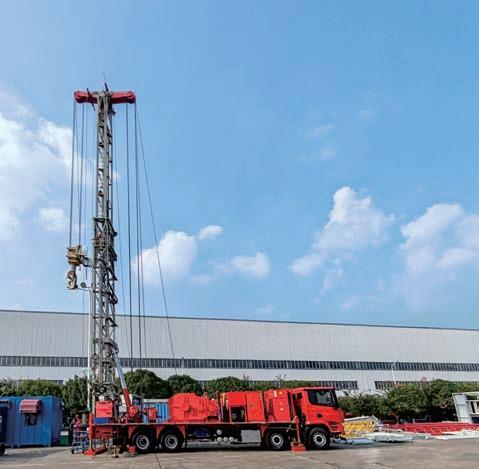
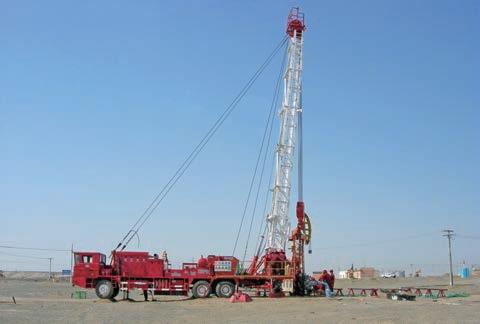
Tripping drill pipe is the most frequent, repetitive, and safety‑critical operation on any drilling rig. Hydraulic elevators eliminate manual latching and unlatching—the movements that cause most hand injuries on the drill floor. The driller commands the elevator from the cabin; the crew stays clear of the well center until the pipe is positioned. For ZJ40 through ZJ90 rigs, a 250–500 ton hydraulic elevator is standard equipment in automated drilling packages.
Workover and Well Servicing (XJ Series)
Workover rigs trip tubing repeatedly across multiple wells. Each trip involves hundreds of connections. Manual elevators at that frequency cause fatigue, repetitive stress injuries, and slowed tripping speeds. A hydraulic elevator reduces the crew's physical workload by eliminating the need to swing and latch the elevator for every connection.
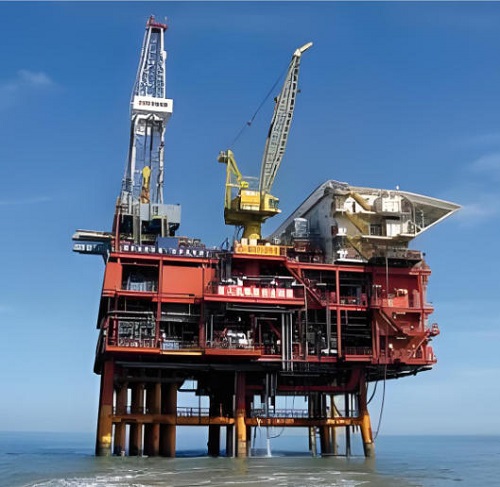
Offshore Platform Drilling
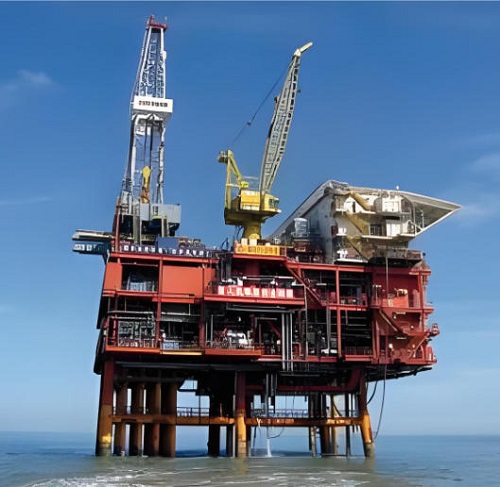
Space on an offshore platform is limited. Manual elevator operation requires crew members to work within inches of the well center. Hydraulic elevators are remote‑controlled from the driller's cabin, keeping personnel off the crowded platform deck during tripping. Marine‑grade finishes and corrosion‑resistant materials protect against saltwater exposure.
Arctic and Remote Land Drilling
In extreme cold, manual equipment becomes hazardous. Gloved hands cannot operate small latches. Standard hydraulic seals fail at -20°C. Our Arctic‑rated hydraulic elevators are engineered for -45°C continuous operation with cold‑hardened seals, low‑temperature hydraulic fluids, and heated valve enclosures. These units have been field‑proven on Rosneft drilling campaigns in Siberia.
Automated Drill Floor and Remote Drilling Campaigns
Hydraulic elevators are essential components of fully automated drill floors. Integrated with the rig's control system via Modbus TCP, PROFINET, or EtherNet‑IP, the elevator opens, closes, deflects, and signals its position—all without human intervention. For operators moving toward reduced‑crew or zero‑personnel drill floors (remote Arctic, deepwater, or hazardous field operations), hydraulic elevators are the standard.
Hydraulic vs. Pneumatic Elevators: Key Difference
Many operators face the choice between hydraulic and pneumatic elevators. Hydraulic systems deliver higher force output and greater load‑holding capability, making them the preferred choice for heavy loads (150–500+ tons). Pneumatic systems (air‑operated) are faster, lighter, and simpler to maintain but cannot match the lifting capacity of hydraulics in the same package size. If your operation involves heavy drill pipe, drill collars, or casing, hydraulic elevators are the correct technical choice.
The hydraulic elevator market is substantial and growing. The global industrial hydraulic elevators market was valued at approximately $4.39 billion in 2024, with a projected CAGR of 6.8% driven by automation trends in industrial applications, including oilfield hoisting.
Why Choose SJ Petro for Hydraulic Elevators?
(Insert image: SJ Petro hydraulic elevator undergoing API 8C proof load test – test load applied, elevator body under stress, pressure gauge visible)
Backed by Sinopec – One of China’s Top 500 Manufacturers
SJ PETROLEUM MACHINERY Co., Ltd. is a wholly‑owned subsidiary of Sinopec Oilfield Equipment Corporation, a China Critical Technological Equipment Nationalization Base and National Hi‑tech Enterprise. We are ranked No.2 among China Top 10 Petroleum Drilling and Production Equipment Manufacturers and rated AAA by China Petrochemical Industry and Banks.
We manufacture over 200 product models across four major categories and 12 series. Our hydraulic elevators are designed specifically for our ZJ series drilling rigs and XJ series workover rigs—not generic products adapted to unknown platforms.
API 8C Fully Certified – Load Tested, NDT Verified
All SJ Petro hydraulic elevators are designed, manufactured, and tested according to API Spec 8C (latest edition) PSL‑2 requirements. We provide complete certification documentation: material test reports (MTRs), dimensional inspection records, NDT (MPI/UT) reports, and hydraulic test certificates with every shipment. Third‑party inspection (BV, SGS, DNV, ABS) is welcome at any stage of manufacturing.
Our elevators are 100% non‑destructively tested for critical parts and undergo hydraulic proof testing at 1.5× rated working load per API 8C requirements.
Integrated with SJ Petro Rig Control Systems – One Interface
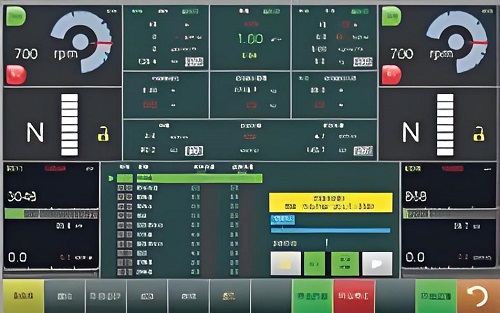
Our hydraulic elevators are designed to communicate directly with SJ Petro's PLC‑based control architecture—the same system that manages drawworks, top drive, mud pumps, and pipe handling automation. The driller controls the elevator from the same HMI used for the rest of the rig. No separate control box. No additional learning curve.
National‑Level Low‑Temperature Testing Laboratory – Arctic Proven
We operate one of China's few national‑level low‑temperature impact testing laboratories, qualifying materials down to -60°C. For Arctic‑rated hydraulic elevators, we test every critical component—steel forgings, seals, hydraulic cylinders—to ensure reliable operation at -45°C. This same laboratory has validated materials for the 11 low‑temperature drilling rigs delivered to Rosneft.
Global Export Track Record – 30+ Countries
SJ Petro hydraulic elevators are currently operating in over 30 countries, including Russia, Kazakhstan, the United States, Canada, the Middle East, and Southeast Asia. Our export team provides complete customs documentation and GOST certification packages for Russian and Eurasian markets.
Frequently Asked Questions (FAQ)
Q1: What is the difference between a hydraulic elevator and a pneumatic elevator?
A: A hydraulic elevator uses hydraulic fluid (oil) to actuate the opening, closing, and latching mechanisms. It delivers significantly higher force output—capable of producing more than 25 times the force of pneumatic systems—and holds torque and force at a constant level without continuous fluid flow. Hydraulic systems are less energy‑intensive, as more kinetic energy is translated directly into confined force due to the sealed hydraulic liquid. A pneumatic elevator uses compressed air, which is generally faster and simpler to maintain but cannot match the lifting capacity or load‑holding ability of hydraulics in heavy drilling applications. Pneumatic systems are preferred for lighter loads and environments where space is limited.
Q2: Are SJ Petro hydraulic elevators API 8C certified?
A: Yes. All SJ Petro hydraulic elevators are designed, manufactured, and tested according to API Spec 8C – Specification for Drilling and Production Hoisting Equipment (latest edition) PSL‑2 requirements. We can supply API monogrammed products and complete certification documentation including material test reports (MTRs), NDT reports, and hydraulic test certificates.
Q3: What pipe sizes can one hydraulic elevator handle?
A: A single hydraulic elevator body handles a wide range of tubulars through interchangeable latch bushings / insert bowls. Our CDZH‑500 model covers pipe sizes from 2‑⅜″ up to 9‑¾″ across drill pipe (18° taper), casing, and tubing. By changing the bushing, the same elevator can clamp tapered drill pipe, drill collars, casing, and tubing.
Q4: What load capacities are available for SJ Petro hydraulic elevators?
A: SJ Petro hydraulic elevators are available in load capacities from 150 short tons up to 500 short tons. This range covers everything from XJ series workover rigs (150–250 tons) up to ZJ90 drilling rigs (500 tons). Contact our engineering team for load requirements above 500 tons or for the 750‑ton range occasionally used in deep offshore drilling.
Q5: What is the difference between side‑door (CDZH) and center latch (DDZH) hydraulic elevators?
A: Side‑door (CDZH) elevators swing open from the side, similar to a door, using a double‑valve hydraulic circuit structure for smooth control. They are ideal for general drilling and workover operations where fast pipe handling is needed. Center latch (DDZH) elevators close at the center, providing 360‑degree uniform load distribution around the pipe. They are preferred for heavy‑duty drilling and deep wells where load concentration is a concern.
Q6: Can the hydraulic elevator swing to the V‑door without manual effort?
A: Yes. Our CDZY and power‑assisted CDZH hydraulic elevators feature power‑assisted deflection up to ±90°. The driller commands the elevator to swing from well center to the V‑door or pipe racking area at an adjustable speed. No crew member needs to push or pull the elevator manually.
Q7: Do you offer Arctic‑rated hydraulic elevators for extreme cold environments?
A: Yes. SJ Petro Arctic‑rated hydraulic elevators are designed for continuous operation at -45°C with storage to -60°C. They include low‑temperature hydraulic seals, special low‑pour‑point hydraulic fluids, heated control valve enclosures (for CDZY models), and impact‑tested steel (Charpy V‑notch at -46°C or lower). These units are proven on Rosneft drilling campaigns in Siberia and qualified in our national‑level low‑temperature impact testing laboratory.
Q8: What is the typical lead time for a hydraulic elevator order?
A: Lead time depends on the model, load capacity, and environmental rating:
-
Standard CDZH / DDZH elevator (150–500 tons): 6–8 weeks
-
CDZY fully automated elevator: 8–10 weeks (includes control system integration and HMI programming)
-
Arctic‑rated models (any capacity): 10–12 weeks (includes material impact testing and certification)
-
Large fleet orders (5+ units): 12–14 weeks
Expedite options may be available for emergency replacement—contact our sales team for current availability.
Q9: What warranty do you provide on hydraulic elevators?
A: Standard warranty is 12 months from date of shipment against defects in material and workmanship. Extended warranty options (up to 5 years) are available for fleet operators. The warranty covers repair or replacement of defective parts; it does not cover normal wear items (bushings, seals, inserts) or damage from misuse, overloading, or improper installation.