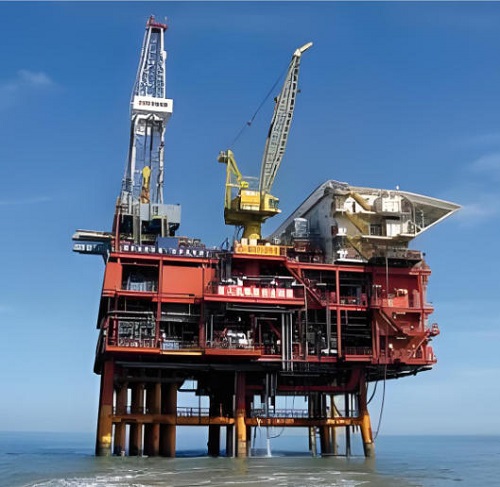
Dual well drilling efficiency
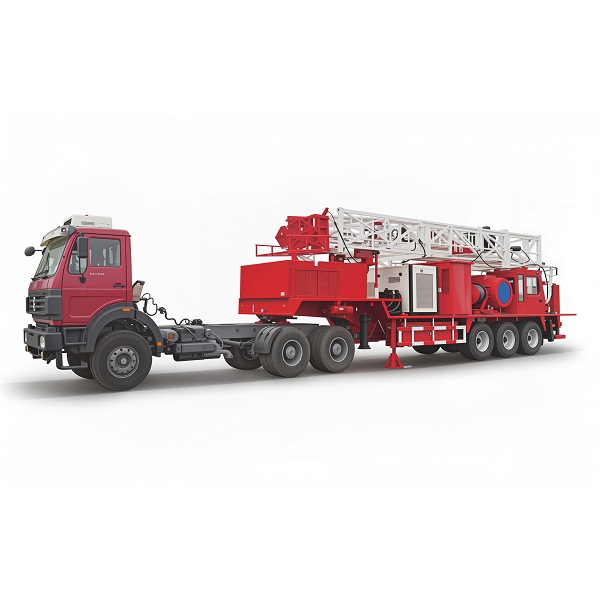
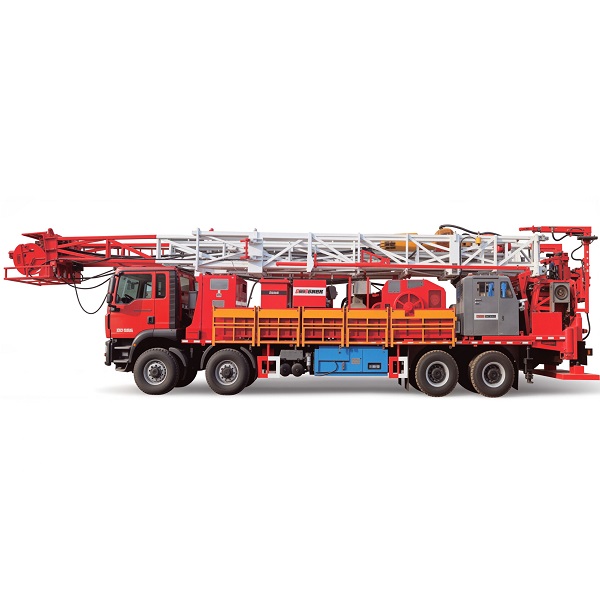
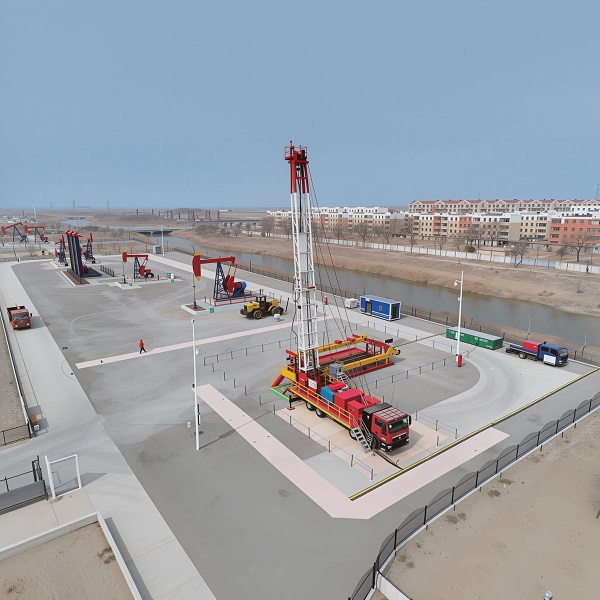
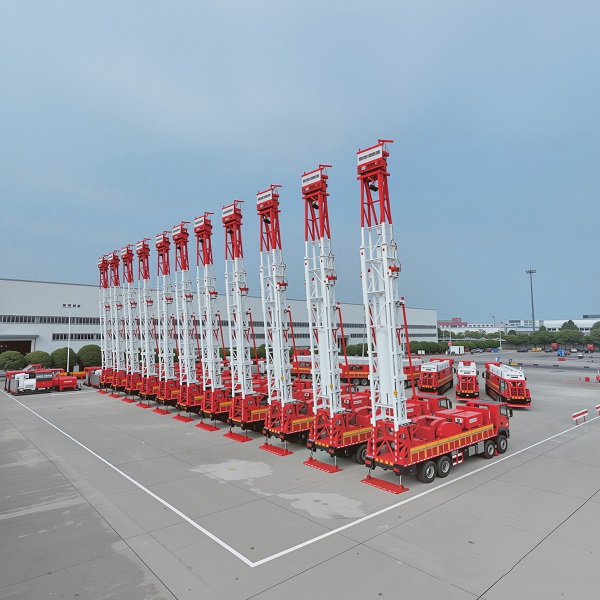
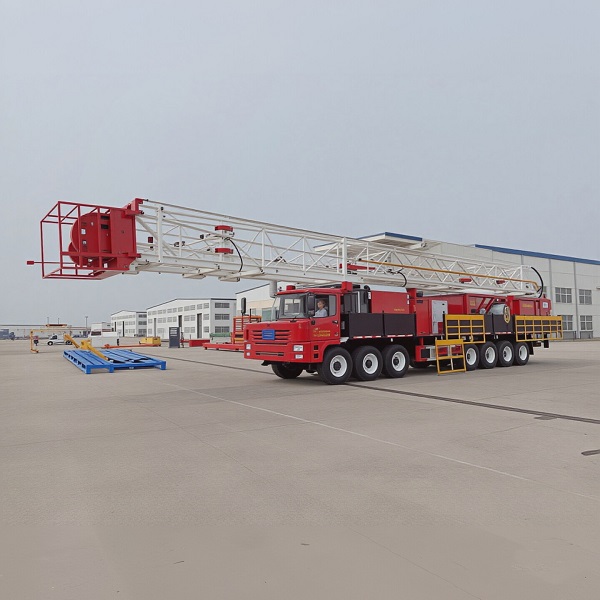
Technical Specifications – Efficiency Parameters
The table below shows key efficiency specifications for SJ Petro dual well rigs.
| Efficiency Parameter | Sequential Dual Rig | Simultaneous Dual Rig | Single Rig (Baseline) |
|---|---|---|---|
| Rig‑up time (first well) | 10–14 days | 14–18 days | 7–10 days |
| Move time between wells (typical 20 m) | 2–4 hours | 4–6 hours | 2–5 days |
| Move frequency (per 10‑well pad) | 9 moves | 9 moves | 9 moves (plus rig‑down/up) |
| Total NPT from moves (10 wells) | 18–36 hours | 36–54 hours | 18–45 days |
| Parallel operations capability | No | Yes (full independent) | No |
| Typical rig utilization (drilling + tripping) | 75–80% | 80–85% | 50–60% |
| Crew size (per shift) | 6–8 | 8–10 | 6–8 |
| Pad completion time (8 wells, 3,000 m) | 55–60 days | 45–50 days | 75–85 days |
| Meters drilled per rig‑day | 40–50 | 55–65 | 30–40 |
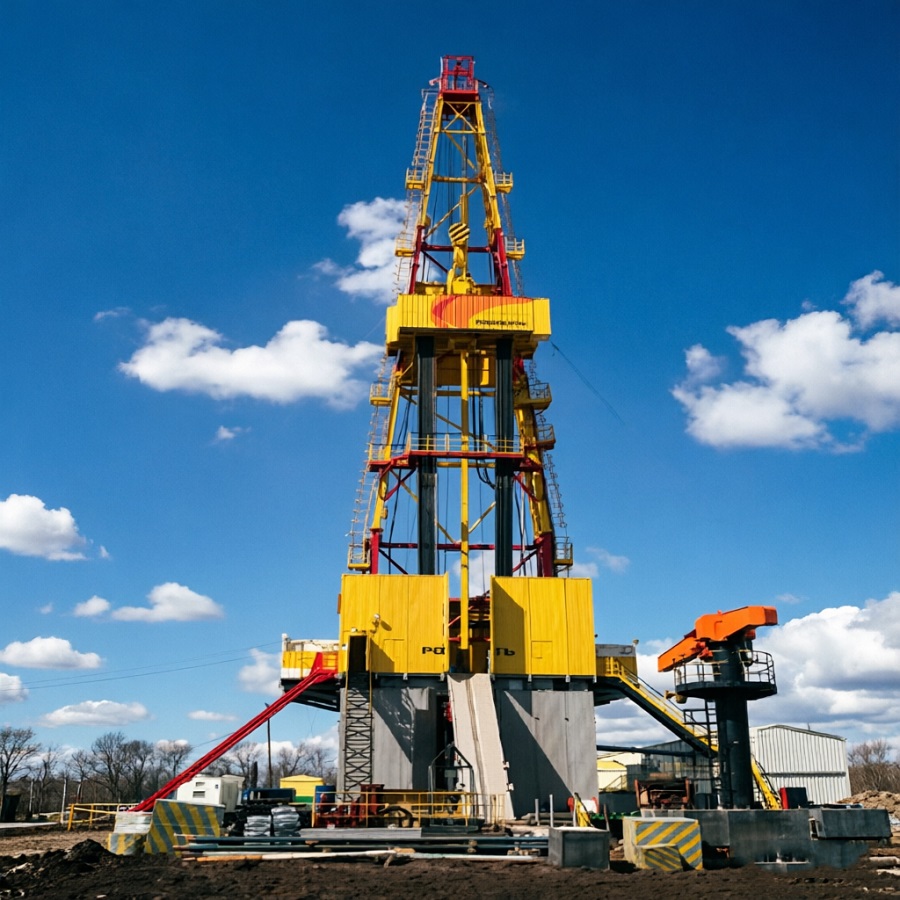
Efficiency in Different Applications
| Application | Single Rig Baseline | Dual Rig Efficiency Gain | Key Efficiency Driver |
|---|---|---|---|
| Shale gas (8 wells, 4,000 m) | 80 days | 40% faster | Eliminating moves + parallel tripping |
| Tight gas (20 wells, 3,000 m) | 200 days | 50% faster | Batch drilling + fast skidding |
| Offshore platform (6 slots) | 120 days | 35% faster | No crane-assisted moves; simultaneous ops |
| CBM (50 shallow wells) | 250 days | 60% faster | Rapid skidding (2-hour moves) |
| Workover campaign (12 wells) | 60 days | 55% faster | Move between wells in hours, not days |
Product Types for Maximum Efficiency
| Model | Configuration | Efficiency Feature | Best For |
|---|---|---|---|
| SJ-DS (Sequential skid) | Single mast, skids between wells | Fastest move time (2–4 hours) | Pads with moderate well count |
| SJ-DP (Parallel simultaneous) | Two independent masts | 40% pad time reduction | High-density pads, offshore |
| SJ-DW (Walking dual) | Omni‑direction movement | No beams required, flexible sequence | Multi-row pads, complex layouts |
| SJ-DR (Retrofit kit) | Convert existing single rig | Low-cost efficiency upgrade | Operators with existing rigs |
We also provide efficiency guarantee programs – we contractually commit to a minimum pad completion time, with penalties if not met.
Why Choose SJ Petro for Dual Well Drilling Efficiency?
1. Field‑Proven Efficiency Data – We do not just claim efficiency. We provide pre‑job simulations and post‑job reports. Our average pad time reduction vs single rig: 35% across 30+ projects.
2. Engineered for Minimal NPT – Every component – from quick‑disconnects to skid beam design – is optimized to reduce non-productive time. We have timed every operation to identify waste.
3. Custom Efficiency Analysis – Before you buy, we model your pad (number of wells, spacing, depths) and show you expected time savings. You see the ROI before committing.
4. Training for Efficiency – We train your crews not just on equipment, but on efficiency workflows – parallel activity coordination, batch drilling sequences, and move optimization.
5. Remote Efficiency Monitoring – Our Workover iSys (adapted for drilling) tracks real‑time efficiency metrics. You get daily reports on NPT, ROP, connection times, and move durations.
6. Continuous Improvement – We update our control software with efficiency enhancements every 12 months. Free for clients with active support.
7. Sinopec Engineering Backing – Access to the same dual rig technology that Sinopec uses internally – refined over hundreds of pads.
Frequently Asked Questions (FAQ)
Q1: What is the most important efficiency metric for a dual well rig?
For most operators, pad completion time (first spud to last well TD) is the single most important metric. It directly affects when production starts and rig release date. Our dual rigs typically cut pad time by 30–50%.
Q2: How much NPT is eliminated by dual rig skidding?
A single rig spends 2–5 days per move (rig‑down, transport, rig‑up). On a 10‑well pad, that is 18–45 days of NPT. A dual rig reduces move time to 2–10 hours – eliminating 90%+ of move-related NPT.
Q3: Can a dual rig achieve 100% utilization?
No – there will always be waiting on cement, BOP tests, weather, or support services. However, dual rigs (especially simultaneous) can reach 80–85% utilization vs 50–60% for single rigs.
Q4: What is the efficiency gain of simultaneous vs sequential dual drilling?
Sequential (one active side) saves move time – typically 20–30% pad time reduction. Simultaneous (both sides active) adds parallel operations – typically 35–45% reduction. The extra gain comes from overlapping tripping, casing, and cementing with drilling.
Q5: How do you measure efficiency during a dual rig job?
We track: daily drilling hours, tripping speed (stands/hour), connection time (minutes), move duration, and waiting time categories. All data is logged and available in real time via the control cabin display.
Q6: Does dual rig efficiency require a larger crew?
Sequential mode uses the same crew size as a single rig (6–8). Simultaneous mode uses 8–10 (1.5×), but the productivity gain (40% time reduction) more than compensates. Crew cost per well is lower overall.
Q7: What is the fastest inter‑well move you have achieved?
On a 3‑well pad with 10‑meter spacing, a SJ Petro dual skidding system moved the rig in 1 hour 47 minutes from finishing well #1 to spudding well #2. That includes utility disconnects and BOP nippling up.
Q8: How does batch drilling improve efficiency on a dual rig?
Batch drilling (drilling all surface holes first, then all intermediate, etc.) reduces BOP and casing change-out frequency. A dual rig with fast skidding is ideal for batch drilling – you can move between wells in hours, not days, between batches.
Q9: Can you provide an efficiency guarantee?
Yes, for pads with known conditions (well count, depth, formation). We will contractually agree on a target pad completion time. If we exceed it, we pay penalties. Contact us for terms.
Q10: What is the typical payback period from efficiency gains alone?
Even ignoring capex savings, the time saved on a 10‑well pad (e.g., 40 days at $40,000/day rig rate) is $1.6M. This often pays for the dual rig premium within the first pad.
Q11: Do you have efficiency data from actual jobs?
Yes. We can share anonymized case studies showing time per well, move durations, and NPT breakdowns for single vs dual rig on similar pads. Request via our sales team.
Q12: How do I get an efficiency estimate for my pad?
Provide: number of wells, well spacing, target depths, expected formation drillability, and current single rig performance (ROP, move times). We will run a simulation and provide a detailed efficiency forecast within 5 business days.