Technical Specifications
| Parameter | Standard Offshore | High‑Capacity | Subsea (ROV‑Assisted) |
|---|---|---|---|
| Max Pulling Force | 140,000 – 200,000 lbs | 240,000 lbs | 140,000 lbs |
| Max Snubbing Force | 100,000 – 150,000 lbs | 180,000 lbs | 100,000 lbs |
| Pipe Size Range | 1.25″ – 2.875″ OD | 1.5″ – 3.5″ OD | 1.25″ – 2.375″ OD |
| Chain Configuration | 4 chains, 12–16 gripper blocks per chain | 4 chains, 16 gripper blocks | 4 chains, 12 gripper blocks |
| Drive Type | Hydraulic (closed‑loop) | Hydraulic (dual motor) | Hydraulic with subsea compensation |
| Max Line Speed | 60 ft/min (pull) / 80 ft/min (snub) | 50 ft/min (pull) / 70 ft/min (snub) | 40 ft/min (pull/snub) |
| Brake System | Spring‑apply hydraulic release (dual failsafe) | Same | Same + ROV manual override |
| Weight (dry) | 8,500 – 12,000 lbs | 15,500 lbs | 9,800 lbs |
| Dimensions (L×W×H) | 1800×1600×2400 mm | 2100×1800×2800 mm | 1900×1700×2500 mm |
| Max Operating Depth | N/A (surface) | N/A (surface) | 3,000 m (9,840 ft) |
| Corrosion Protection | Marine coating + stainless steel hardware | Same | Super duplex + cathodic protection |
| Certifications | DNV GL, ABS, Lloyds (optional) | Same | DNV GL (subsea) |
| Standard Inclusions | Load cell, depth encoder, chain wear sensors | Same + dual load cells | ROV panel, pressure compensator |
Key Applications
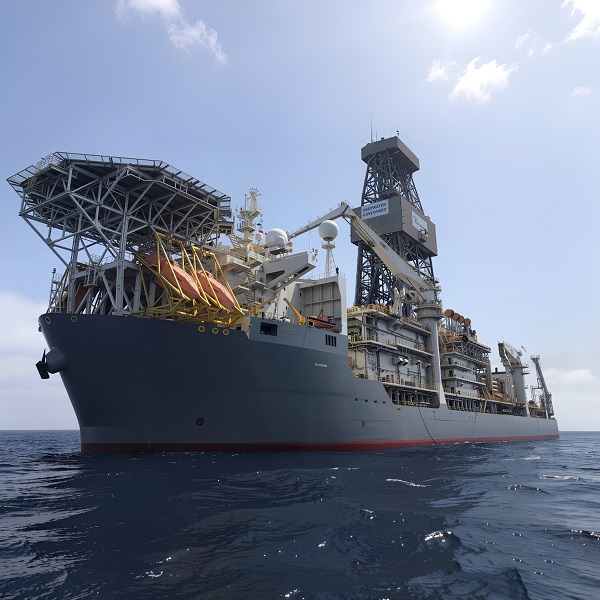
Offshore Platform Well Intervention
Platform wells often need milling, cleanout, or stimulation. Our injector head mounts directly above the BOP stack or workover riser, pushing coiled tubing to depths exceeding 15,000 feet. The failsafe brakes and corrosion resistance ensure safe operation in splash zones where salt spray destroys lesser equipment.
Subsea Well Intervention (Rig‑Based)
For subsea wells accessed from a drilling rig or light intervention vessel, our surface injector head (standard configuration) is mounted on the rig floor while coiled tubing runs through the riser. The load cell and depth encoder give the operator real‑time feedback, critical for navigating subsea tree components.
Subsea Well Intervention (Vessel‑Based, No Riser)
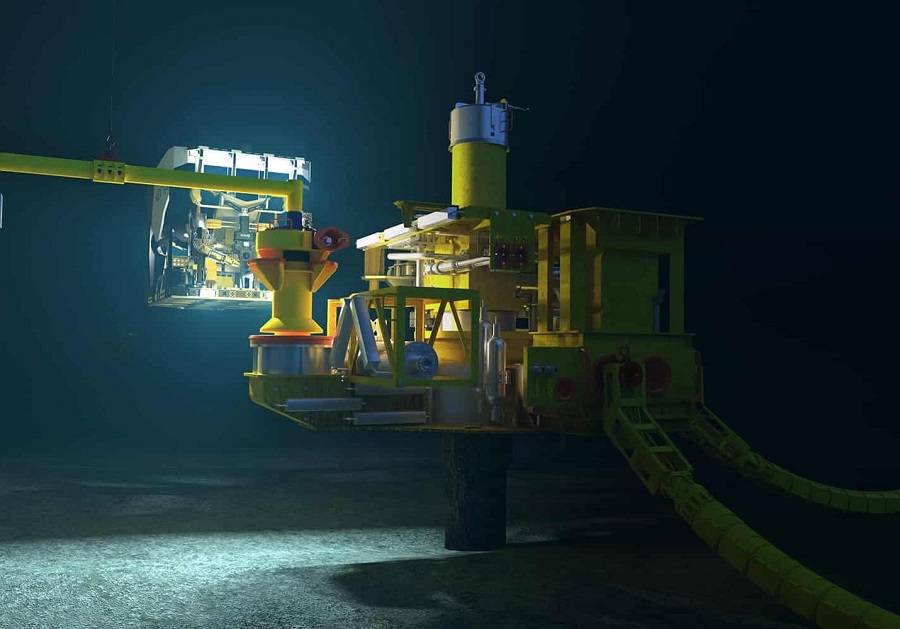
For true subsea interventions using a coiled tubing vessel with a subsea injector head, our ROV‑assisted subsea unit is deployed directly onto the subsea tree or BOP. The pressure‑compensated hydraulics and cathodic protection allow it to operate at 3,000 meters water depth. ROV hot‑stab connections provide hydraulic power and control.
Platform Decommissioning & Abandonment
When it's time to plug and abandon platform wells, coiled tubing is often the most efficient method for cement placement. Our high‑capacity injector head handles the heavy strings needed for deep set‑down cement jobs, and the corrosion‑resistant frame survives the harsh offshore environment during extended abandonment campaigns.
Hydrate Remediation
Subsea hydrate plugs are a major flow assurance headache. Coiled tubing deployed from a vessel with our subsea injector head can circulate warm fluid or chemicals directly at the hydrate plug – much more precise than depressurization alone.
Deepwater Sand Cleanout
Sand accumulation in subsea wells reduces production. Our injector head, paired with a jetting tool, can agitate and lift sand to surface. The high pulling capacity ensures you can retrieve the string even if the tool gets stuck.
Why Choose SJ Petroleum Machinery?
A Sinopec Subsidiary with Offshore Heritage
SJ Petroleum Machinery is a wholly‑owned subsidiary of Sinopec Oilfield Equipment Corporation. We have supplied coiled tubing units – including injector heads – to offshore operations in the South China Sea, Bohai Bay, Middle East, and West Africa. Our injector heads are designed and tested to the same standards as the oilfield equipment we've built for decades.
Built for Corrosion, Not Just Coated
Many injector heads start as land units with an extra paint layer. Ours start with marine-grade materials: duplex stainless steel for critical load pins, 316L for hydraulic fittings, and aluminum‑bronze for bushings. We then add a three‑coat marine epoxy system (500+ hours salt spray tested). Fasteners are either A4‑80 stainless or zinc‑nickel with topcoat. You can practically hose it down with seawater and walk away.
Failsafe by Design, Not by Option
Dual, independent spring‑apply brakes are standard on every offshore injector head we sell – not a $50,000 option. We also include chain break detectors, gripper wear indicators, and redundant load measurement. Our philosophy: offshore is no place for cost‑cutting on safety.
Field‑Proven Hydraulic Compatibility
Our injector head works with virtually any offshore coiled tubing power pack – Halliburton, Schlumberger, NES, or your own custom unit. We provide mating hydraulic schematics, hose sizing, and pressure/flow requirements upfront. If you have an existing control cabin, we can adapt our electrical and hydraulic interfaces to match.
Global Service Network with Offshore Experience
We maintain certified service technicians who have worked offshore (including HUET/BOSIET training). For critical offshore campaigns, we can place a technician on your vessel or platform for the duration of the job. Remote support via satellite link is also available 24/7.
Short Lead Times, Reliable Delivery
Standard offshore injector heads: 12–14 weeks EXW (fast‑track to 8–10 weeks available). Subsea units: 20–24 weeks due to specialized components. We have delivered to major offshore operators in the North Sea, Brazil, and Southeast Asia without a single late shipment penalty.
Frequently Asked Questions (FAQ)
Q1: What makes your injector head different from a land unit for offshore use?
Three major differences:
-
Materials: Stainless steel or duplex where land units use carbon steel (fasteners, load pins, hydraulic fittings).
-
Corrosion coating: Marine‑grade epoxy system vs. standard industrial paint.
-
Brake reliability: Dual, independent spring‑apply brakes standard – land units often have single brakes or rely on hydraulic holding.
Also, our offshore units come with full DNV or ABS documentation package.
Q2: Can your injector head be used in a subsea environment (below water)?
Yes – our subsea variant is rated to 3,000 meters water depth. It features pressure‑compensated hydraulic reservoirs, cathodic protection, and ROV‑compatible hot stabs. All electrical components are removed or housed in pressure‑balanced oil‑filled chambers. We have delivered subsea injector heads to several deepwater projects.
Q3: What happens if we lose hydraulic power while the pipe is in the hole?
The spring‑apply brakes engage automatically, holding the pipe at full rated load. There is no "creep” or slow bleed‑down. The brakes remain engaged until hydraulic power is restored and the operator releases them. You also have a manual override (hex drive) that can be operated by ROV or a long wrench from a safe distance.
Q4: How do you protect against chain wear and sudden failure?
We include chain wear sensors on every offshore unit. These are proximity sensors that measure chain stretch and gripper block height. When wear reaches a preset threshold, an alarm sounds in the control cabin. You can then schedule a chain replacement before a failure occurs. We also recommend annual chain inspection using our go/no‑go gauge – supplied with each unit.
Q5: What is the typical lifespan of gripper blocks in offshore service?
In clean pipe with moderate sand, gripper blocks last 300–500 running hours. In abrasive environments (sand production, milling returns), 100–200 hours. We supply gripper blocks in three hardness grades – soft (max grip, short life), medium (balanced), and hard (long life, less grip for shallow wells). Our field service team can help you select the right grade.
Q6: Can I get DNV or ABS type approval for the injector head?
Yes. We offer design assessment by DNV, ABS, or Lloyds Register at the customer's request. This includes review of design calculations, material certifications, and witness of factory acceptance testing. The cost and lead time for third‑party approval is additional – please ask for a quote.
Q7: How do you handle spare parts for offshore units?
We maintain dedicated offshore spare parts kits that include:
-
Complete set of gripper blocks (one chain’s worth)
-
Spare chain links and pins
-
Hydraulic seals and o‑rings for the drive motors
-
Brake springs
-
Sensors and encoders
These kits are stocked in our Houston, Dubai, and Shanghai hubs for rapid air freight.
Q8: What training do you provide for offshore crews?
We offer a 3‑day onshore training course covering: injector head mechanical overview, hydraulic system troubleshooting, chain and gripper replacement, brake testing, and emergency procedures. For offshore campaigns, we can send a field service technician to the platform for the first 7 days of operation to train your crew hands‑on.
Q9: Do you offer financing or leasing options for offshore injector heads?
Yes – through our partner finance companies, we can offer operating leases, finance leases, or rental terms for offshore campaigns. Minimum rental period is 90 days. Contact our sales team for current rates.
Q10: How do I get a technical proposal for my offshore project?
Please provide:
-
Maximum anticipated pulling and snubbing forces (or well depth and pipe size)
-
Operating environment (platform splash zone, subsea depth, or rig floor)
-
Required certifications (DNV, ABS, etc.)
-
Desired delivery timeline
Our offshore applications engineer will respond with a detailed proposal, 3D model, and fixed price within 5 business days.