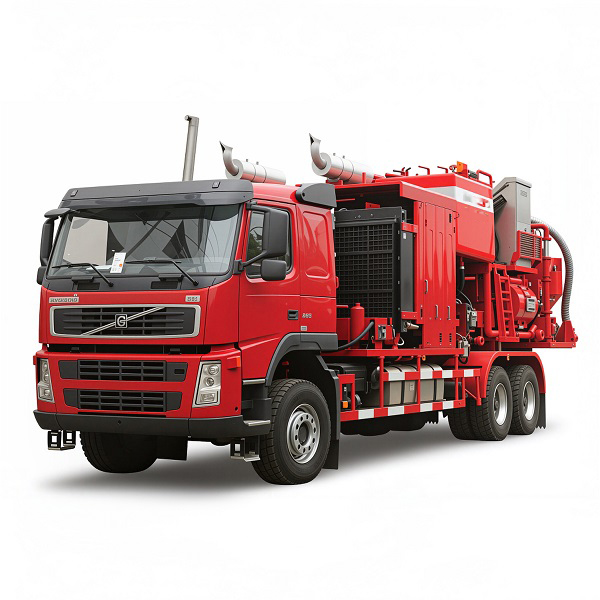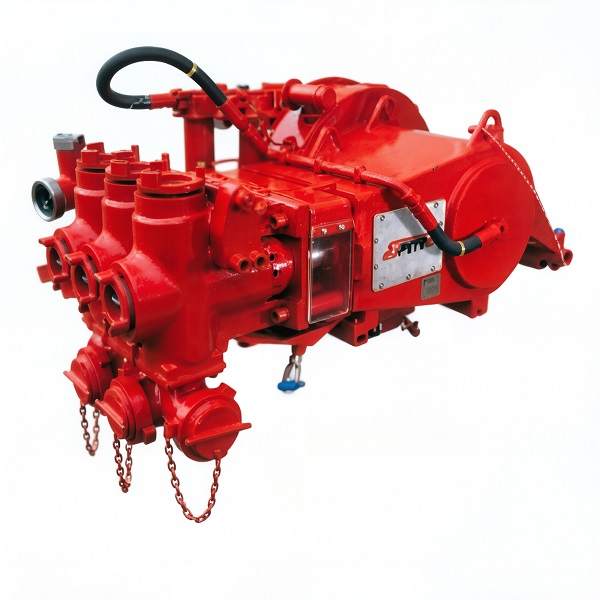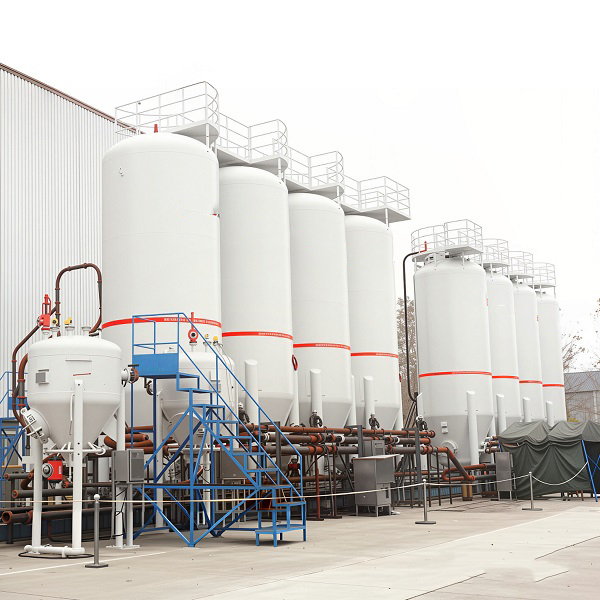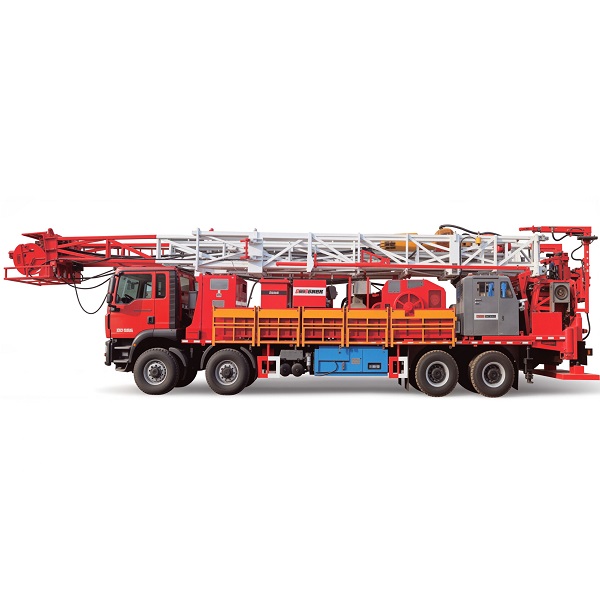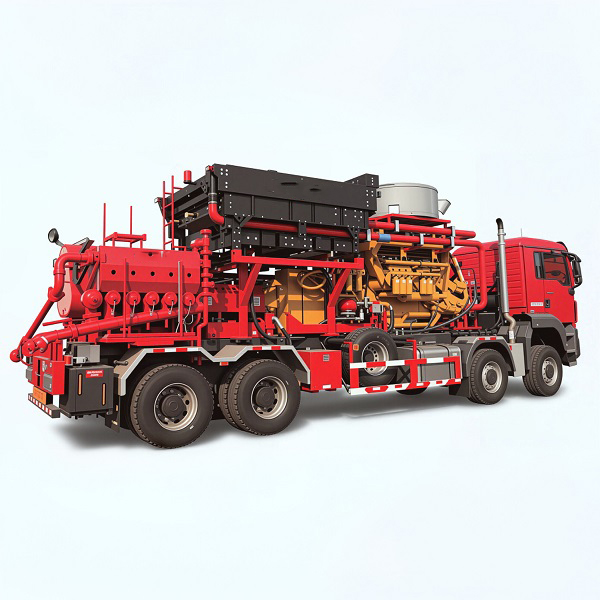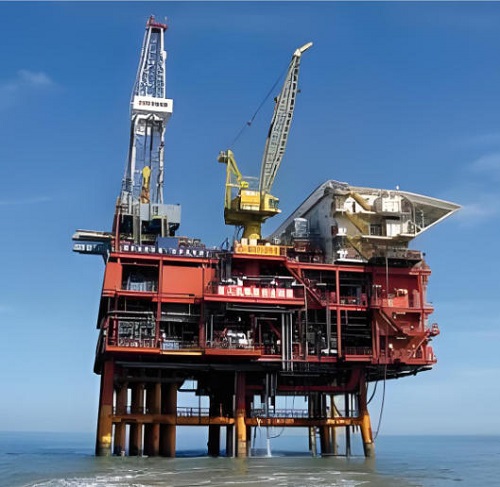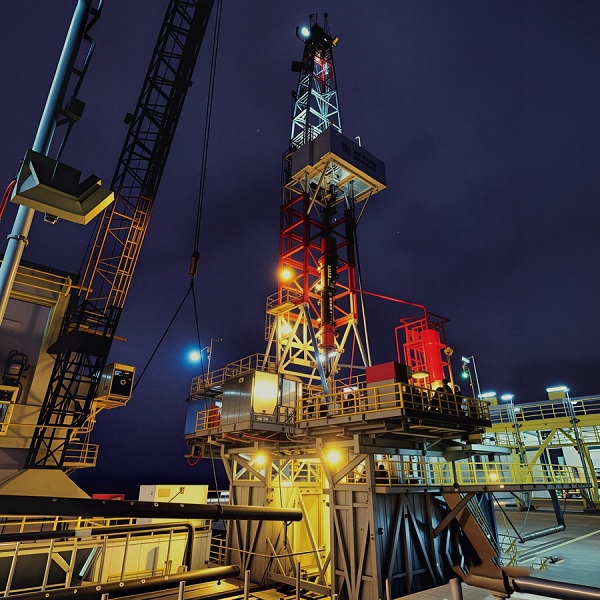
Cementing mixing system
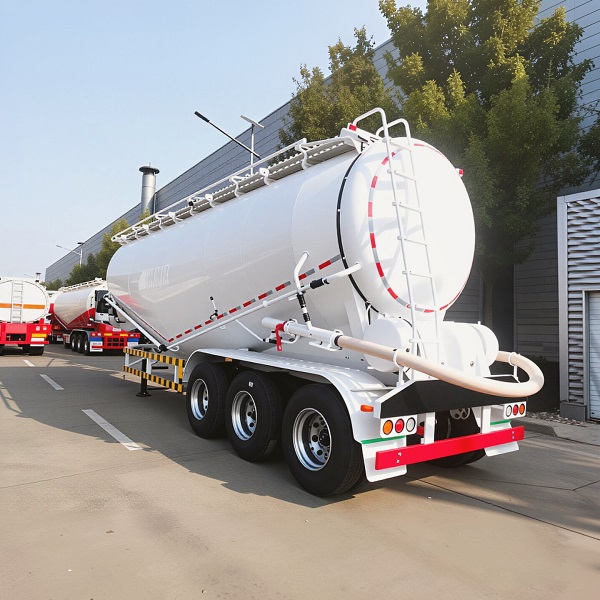
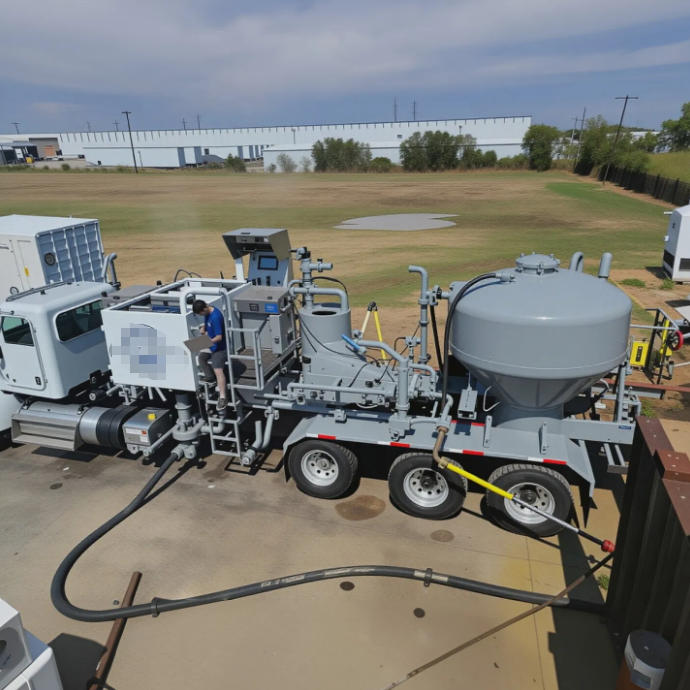
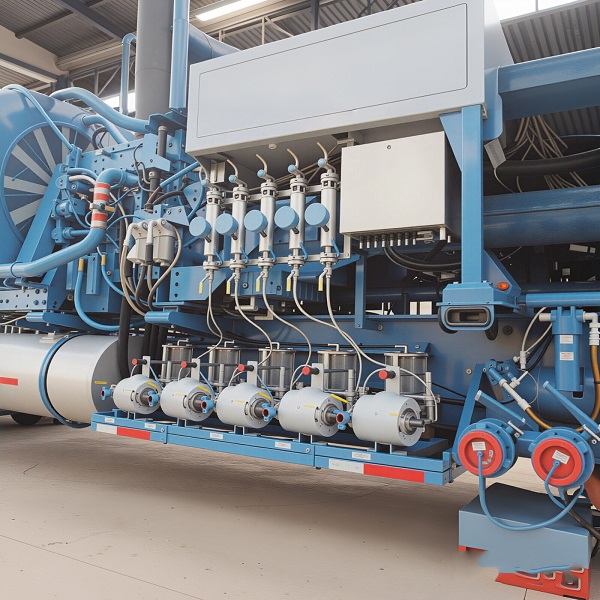
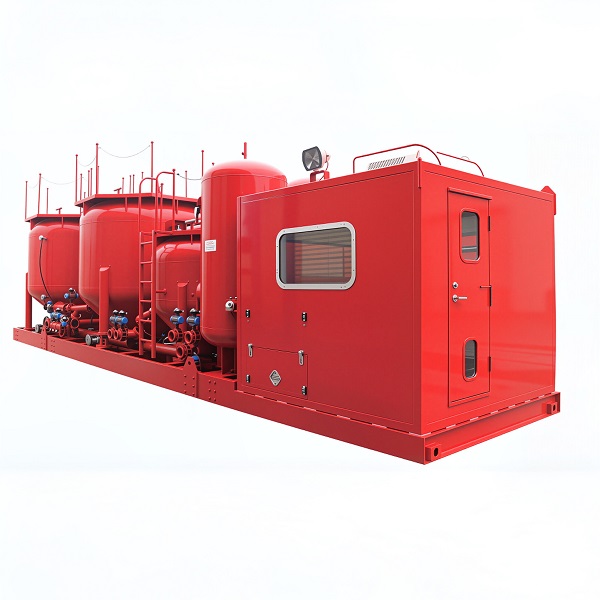
Technical Specifications – Cementing Mixing System
The table below shows specifications for our ACM‑IV.1 mixing system. Custom configurations available.
| Parameter | ACM‑IV.1 Standard | ACM‑IV.1 High‑Rate | Batch Mixer (Standalone) |
|---|---|---|---|
| Mixing principle | Recirculating jet mixer | Recirculating jet mixer | Paddle / agitation |
| Mixing rate (continuous) | 0.3 – 2.3 m³/min (2‑14.4 bpm) | 0.5 – 3.5 m³/min (3‑22 bpm) | 0.1 – 0.5 m³ per batch |
| Density range | 1.3 – 2.5 g/cm³ (10.8‑20.8 ppg) | 1.0 – 2.8 g/cm³ (foam to heavy) | 1.3 – 2.5 g/cm³ |
| Density accuracy | ±0.02 g/cm³ | ±0.02 g/cm³ | ±0.03 g/cm³ (manual) |
| Density sensor | Micro Motion Coriolis (non‑radioactive) | Micro Motion Coriolis | None or optional |
| Water control | Automated control valve + flow meter | Same | Manual valve |
| Cement feed | Variable‑speed auger | Dual auger | Manual or auger |
| Liquid additive pumps | Up to 4 (electric or hydraulic) | Up to 6 | Up to 2 (optional) |
| Mixing tank volume | 1.5 m³ (recirculation) | 2.5 m³ | 1.0 – 3.0 m³ |
| Control system | PLC + 12″ HMI | PLC + 15″ HMI | Manual panel |
| Data acquisition | Yes (density, rate, volume) | Yes + foam quality | No |
| Power requirement | 30 – 50 kW (hydraulic) | 50 – 80 kW | 10 – 20 kW |
| Weight (mixing skid only) | 4,500 kg | 6,500 kg | 1,500 – 3,000 kg |
| Dimensions | 3.5 × 2.2 × 2.4 m | 4.5 × 2.4 × 2.6 m | 2.0 × 2.0 × 2.2 m |
Applications
| Application | Recommended Mixing System | Why |
|---|---|---|
| Primary casing cementing (large volume) | ACM‑IV.1 Standard or High‑Rate | Continuous mixing, precise density |
| Deepwater / foam cementing | ACM‑IV.1 High‑Rate + foam module | Lightweight slurry, automated foam quality |
| Remedial squeeze cementing (small volume) | Batch mixer | Small batches, low cost |
| HPHT wells (high density) | ACM‑IV.1 Standard | Heavyweight slurries, precise control |
| Lost circulation zones | ACM‑IV.1 + foam or lightweight additive | Mix lightweight consistently |
| Workover / P&A balanced plugs | Batch mixer or recirculating (small mode) | Accurate volume and density |
| Multi‑well pad batch operations | ACM‑IV.1 with DAS | Repeatable recipes, job data for quality control |
Product Types – Cementing Mixing Systems
We offer three mixing system families:
| Family | Configuration | Key Feature | Best For |
|---|---|---|---|
| ACM‑IV.1 Skid | Recirculating jet mixer + density control + DAS | Fully automatic, ±0.02 g/cm³ accuracy | All primary cementing |
| ACM‑IV.1 High‑Rate | Larger pumps, dual auger, higher mixing rate | Up to 3.5 m³/min, foam capable | Deepwater, large casing |
| Batch Mixer | Paddle agitator, manual or auto density option | Simple, low cost, portable | Small jobs, squeeze, testing |
| Retrofit ACM Kit | Add ACM density control to existing cementing units | Bolt‑on Micro Motion & PLC | Upgrade existing equipment |
We also supply complete mixing systems as part of integrated cementing spreads – ask for turnkey package.
Why Choose SJ Petro for Your Cementing Mixing System?
1. Field‑Proven Accuracy – Our ACM systems have mixed over 5,000 jobs with ±0.02 g/cm³ accuracy. Density trace reports available for any job.
2. Non‑Radioactive Sensor – Micro Motion Coriolis meter has no radioactive source – safer for crews, no transport or storage permits required.
3. High Energy, No Clumps – The jet mixer design ensures complete dispersion of cement powder. No "noodles” or unmixed cement going downhole.
4. Built for Tough Slurries – Lightweight microspheres, heavyweight hematite, high‑yield cement – we have mixed them all successfully.
5. Recirculating + Batch in One – One system gives you continuous mixing for large jobs and batch mode for small jobs. No second machine needed.
6. Full Data Traceability – Every job is recorded. You can prove density quality to your client or regulator.
7. Retrofit Existing Units – You do not need to buy a new cementing unit to get ACM. We can add our mixing system to your existing pump skid.
8. Global Support – Spare parts for ACM (Micro Motion meters, valves, PLC modules) stocked in Houston, Dubai, and Singapore.
9. Sinopec Engineering – Our mixing system design is refined from thousands of cementing jobs across Sinopec’s global operations.
Frequently Asked Questions (FAQ)
Q1: What is the difference between recirculating and batch mixing?
Recirculating mixes continuously – slurry is recirculated through the jet mixer until density stabilizes, then sent to the pump. Batch mixing mixes a fixed volume (e.g., 5 bbl) in a tank, then pumps it. Recirculating is better for large volumes; batch for small jobs.
Q2: How accurate is the density control?
±0.02 g/cm³ (±0.16 ppg) under steady pumping conditions. Even during rate changes or density step changes, overshoot is minimal and recovers within seconds.
Q3: Does the ACM system work with foam cement?
Yes – with the optional foam cement module. The system controls nitrogen injection to maintain foam quality (40‑60%) while keeping the base slurry density stable.
Q4: Can I add ACM to my existing cementing unit (any brand)?
Yes – we offer retrofit ACM kits. We need to inspect your unit’s mixing tub and water/cement feed systems. Most units can be retrofitted in 2‑3 days.
Q5: What is the maximum mixing rate?
Standard ACM: 2.3 m³/min (14.4 bpm). High‑rate version: 3.5 m³/min (22 bpm). For rates above that, we offer custom dual‑mixing systems (up to 5.0 m³/min).
Q6: How do you handle lightweight slurries (e.g., microspheres)?
Our jet mixer design provides high energy without crushing microspheres. The recirculation loop is gentle enough to prevent sphere damage. We have mixed slurries as light as 1.0 g/cm³ (foam) and 1.2 g/cm³ (microspheres).
Q7: What happens if the density sensor fails during a job?
The system reverts to manual mode – operator controls water and cement based on pre‑calibrated charts. Job continues with reduced accuracy. Redundant sensors available as an option.
Q8: Do you provide training for operating the mixing system?
Yes – 2 days on‑site training covering: ACM setup, calibration, recipe programming, troubleshooting, and data report generation. Simulator training also available.
Q9: What is the typical lead time for an ACM mixing system?
Standard ACM‑IV.1 skid: 3‑4 months. High‑rate version: 4‑5 months. Retrofit kit: 6‑8 weeks. Batch mixer: 8‑12 weeks.
Q10: Can the mixing system be used for other fluids (e.g., acid, fracturing fluid)?
Yes, with compatible wetted parts (stainless steel or special coatings). Standard carbon steel is not acid‑resistant. Specify your intended fluids.
Q11: What certifications does the system carry?
API 10A (cement compatibility), ISO 9001, and CE for control panel. NACE options available. Third‑party witnessing available.
Q12: How do I get a quote for a cementing mixing system?
Provide: desired mixing rate (m³/min or bpm), density range, recirculating or batch type, and whether you need foam capability. Also specify if retrofit to existing unit. We will respond with a proposal within 5 business days.