Automatic drill string handling
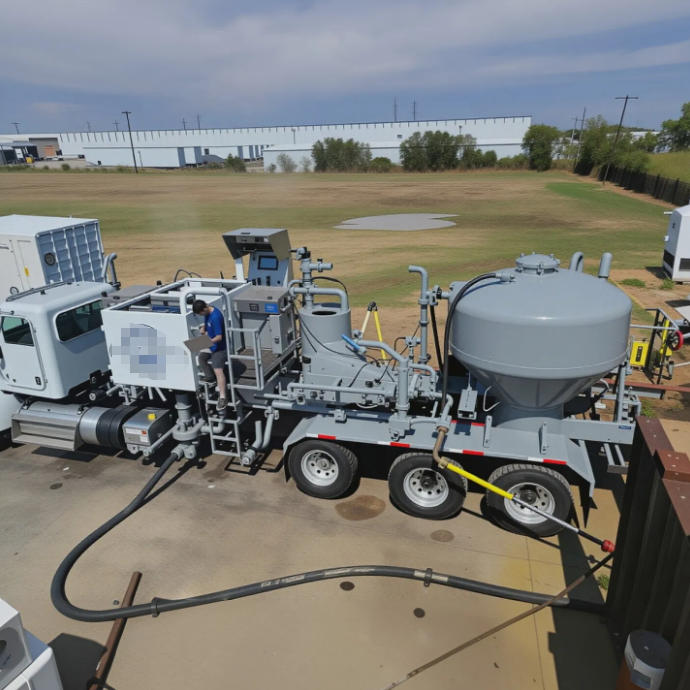
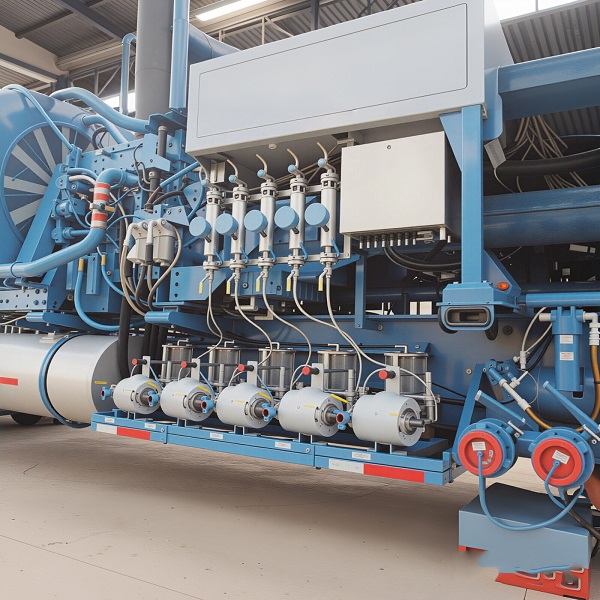
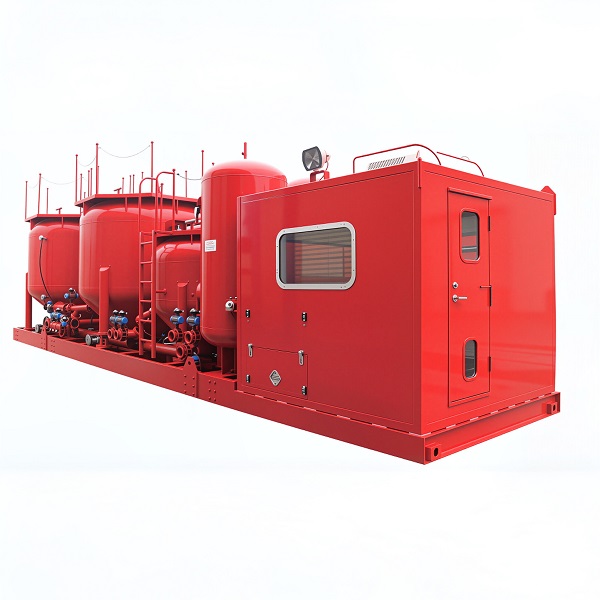
Technical Specifications – Automatic Drill String Handling System
The table below shows specifications for a complete drill string handling system. Custom configurations for rig size and depth.
| System Component | Specification / Range |
|---|---|
| Hydraulic Catwalk (Drill Pipe & BHA) |
|
| Pipe length | 30 – 45 ft (9 – 14 m) |
| Single joint OD | 2‑3/8″ – 9‑1/2″ (drill pipe & collars) |
| Maximum joint weight | 15,000 lbs (single drill collar) |
| Stand length (2‑3 joints) | 60 – 135 ft |
| Incline angle | 20° – 35° |
| Cycle time (single joint) | 45 – 60 seconds |
| Iron Roughneck (Drill String Rated) |
|
| Make‑up torque (max) | 60,000 – 160,000 ft‑lbs (by model) |
| Break‑out torque | 80,000 – 180,000 ft‑lbs |
| Torque accuracy | ±2% with calibration |
| Spinner speed (5″ DP) | 0 – 120 rpm |
| Tool joint OD range | 4‑1/2″ – 10″ |
| Hydraulic pressure | 3,000 – 3,500 psi |
| API 7K safety factor | ≥2.25:1 |
| BHA Handler |
|
| Max lift capacity | 15,000 lbs |
| OD range | 4‑3/4″ – 9‑1/2″ |
| Transfer time (rack to elevator) | < 2 minutes |
| Pipe Racking System |
|
| Stand length | 60 – 135 ft (2 or 3 joints) |
| Racking capacity | 4,000 – 15,000 ft of DP (derrick dependent) |
| Positioning accuracy | ±0.4 in (±10 mm) |
| Control System |
|
| PLC | Siemens S7‑1500 / Rockwell CompactLogix |
| HMI | 15″ touchscreen, drilling dashboard |
| Data logging | Torque‑turns curve, connection count, stand ID |
| Remote operation | Console up to 100 m away (wired/wireless) |
| Environmental Ratings |
|
| Standard temp | -20°C to +50°C |
| Arctic package | -40°C to +40°C |
| Desert package | 55°C ambient, dust protected |
| Enclosure IP rating | IP54 (cabin), IP66 optional |
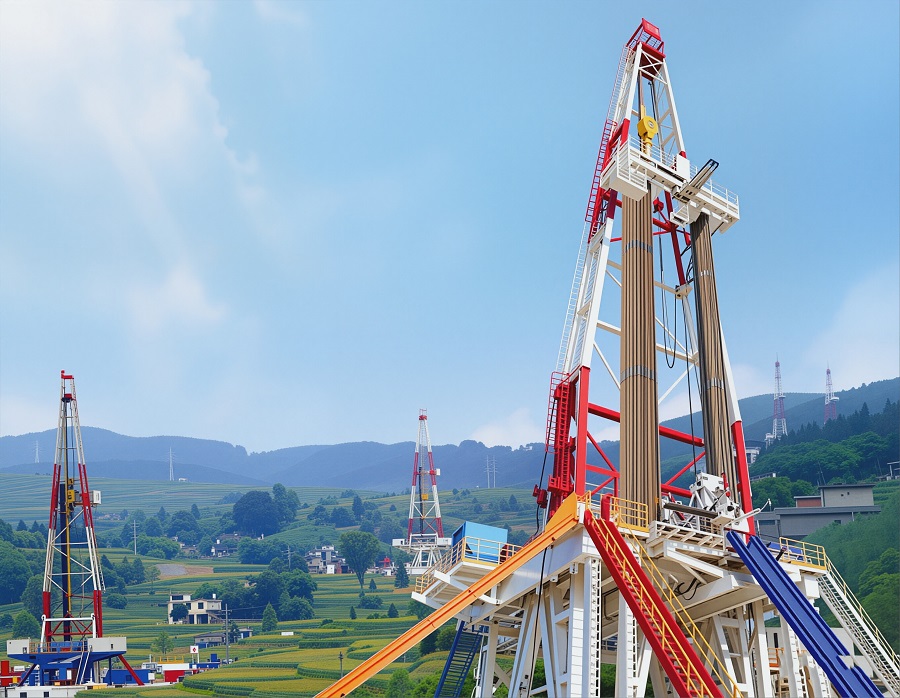
Applications
| Operation | How Drill String Automation Helps | Key Components |
|---|---|---|
| Deep drilling (>5,000 m) | Long tripping times; automation cuts 30% of trip time | Full system + high‑torque roughneck |
| Horizontal / extended reach drilling | Heavy BHAs, long laterals – manual handling dangerous | BHA handler + offline stand building |
| Offshore platform | Limited floor space; remote operation from control room | Compact racking, wireless control |
| Shale gas multi‑well pads | Fast moves between wells; quick rig‑up / rig‑down | Modular catwalk, quick‑disconnect |
| Workover / deep well servicing | Frequent trips for pump changes, fishing | Iron roughneck + catwalk (BHA optional) |
| Arctic drilling | Crew safety critical; extreme cold slows manual work | Arctic‑rated hydraulics, heated control cabin |
Product Types – Drill String Automation Levels
| Level | Components Included | Automation Features | Crew Reduction |
|---|---|---|---|
| Level 1 – Assisted | Hydraulic catwalk + iron roughneck | Remote control for each step; manual stand building | 1‑2 people |
| Level 2 – Semi‑Auto | Level 1 + racking system + unified console | Pre‑programmed sequences; operator initiates each stand | 2‑3 people |
| Level 3 – Full Auto | Level 2 + BHA handler + offline stand building | One‑button tripping; automatic stand building; remote cabin | 3‑4 people |
| Level 4 – Autonomous | Level 3 + AI sequencing + full instrumentation | Automated drilling cycles; self‑optimizing speed | 4‑5 people |
Why Choose SJ Petro for Automatic Drill String Handling?
1. Drill String Specialists – We understand drill pipe, tool joints, BHA components, and the torque requirements for deep wells. Not a generic pipe handling company.
2. API 7K Certified Roughnecks – Our iron roughnecks are rated for continuous high torque, with API safety factors. Third‑party witnessing available.
3. Integrated BHA Handler – Most competitors ignore drill collars and heavy tools. We include a dedicated BHA handler as a core component.
4. Fast Tripping – Field Verified – Clients report tripping speeds of 25‑30 stands per hour consistently (with 3‑joint stands). Manual: 15‑18 stands per hour.
5. One‑Button Operation Option – For Level 3 and above, the driller executes a complete round trip by pressing "Start” – the system handles everything.
6. Torque‑Turns Data Logging – Every connection is recorded. You can prove thread integrity and comply with torque turn requirements for high‑pressure wells.
7. Retrofit Friendly – Our modules bolt onto existing rig floors with minimal welding. We have retrofitted over 30 land rigs to Level 2 and Level 3.
8. Global Support – Spares for iron roughneck jaws, BHA handler grippers, and hydraulic valves stocked in Houston, Dubai, and Singapore.
9. Sinopec Engineering – Proven on hundreds of Sinopec rigs. The system has handled millions of connections without major failure.
Frequently Asked Questions (FAQ)
Q1: What is the difference between "automatic drill string handling” and "automatic pipe handling”?
Drill string handling focuses on drill pipe, HWDP, drill collars, and BHAs – with higher torque, heavier loads, and specialized BHA grippers. General pipe handling includes casing and tubing with lower torque and lighter loads.
Q2: What is the maximum drill collar size your BHA handler can handle?
Up to 9‑1/2″ OD and 15,000 lbs single collar. Larger sizes available on request – contact engineering.
Q3: How accurate is the torque control on your iron roughneck?
±2% of setpoint, with real‑time display and data logging. The system can also record torque‑turns curves for each connection – essential for HPHT wells.
Q4: Can your system handle tapered drill strings (different pipe sizes)?
Yes. The iron roughneck automatically adjusts jaw spacing based on pipe OD. The system stores the drill string configuration (sizes, depths) and adjusts torque setpoints accordingly.
Q5: How fast can the system trip 5″ drill pipe in a 5,000 m well?
A Level 3 system typically achieves 25‑27 stands per hour – a round trip from 5,000 m takes approximately 10‑12 hours (depending on connection times and racking capacity). Manual: 16‑18 hours.
Q6: Does the system require modifications to my existing derrick?
For the racking system, we may need to add guide rails to your fingerboards. For the catwalk and roughneck, they are floor‑mounted and require no derrick modifications. A site survey determines exactly what is needed.
Q7: How many people are needed to operate the system?
Level 1: 3‑4 (operator + helper + floor hand). Level 2: 2‑3 (operator + helper). Level 3: 1‑2 (operator in remote cabin + one ground assistant). Level 4: 1 operator.
Q8: Can the system be used during drilling (making connections while drilling)?
Yes – the iron roughneck and catwalk are used for every connection while drilling. The system automatically sequences: top drive → elevator → set slips → spin out → new joint → makeup.
Q9: What is the typical lead time for a custom drill string handling system?
Level 1: 3‑4 months. Level 2: 4‑6 months. Level 3: 6‑8 months. Level 4: 8‑12 months. Retrofit to existing rig: add 1‑2 months for site survey and custom brackets.
Q10: Do you provide training for the system?
Yes – 5 days on‑site training for operators and maintenance staff. Includes simulator exercises (virtual tripping), emergency procedures, and PLC troubleshooting.
Q11: What safety features are included?
Emergency stop lanyards at multiple locations, collision sensors on racking arm, load limit detection on catwalk, automatic stall protection on roughneck, and manual overrides for all functions.
Q12: How do I get a quote for a drill string handling system?
Provide: rig type (land/offshore), max depth, drill pipe size range, BHA component sizes, desired automation level, and existing rig photos/drawings. We will respond with a system proposal and fixed price within 10 business days.