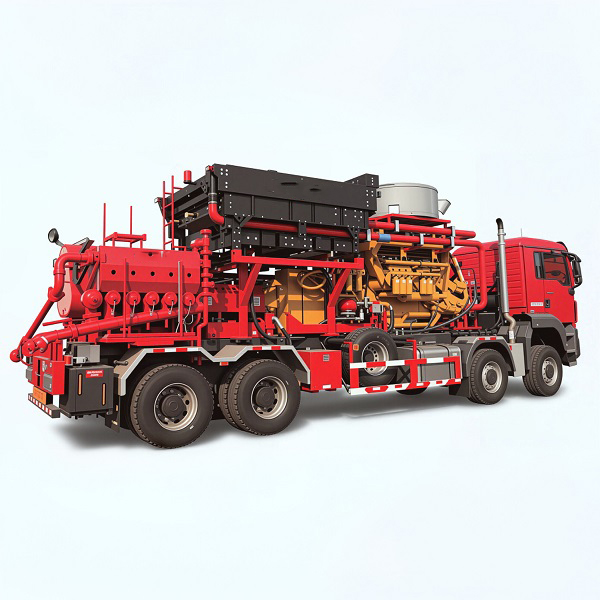
Cementing Truck/Unit
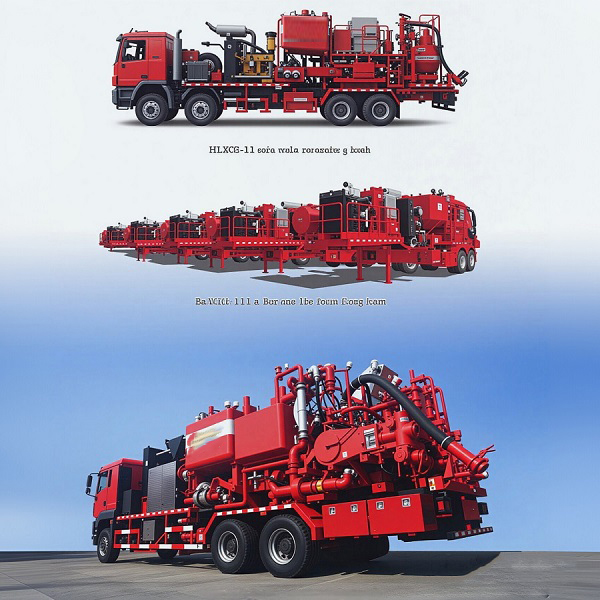
Technical Specifications – Cementing Trucks & Units
The table below covers our most popular models. Custom configurations available.
| Model | Mounting | Pump | HP | Max Pressure | Max Rate | Weight | Dimensions (L×W×H) | Lead Time |
|---|---|---|---|---|---|---|---|---|
| SJ‑CS‑1 | Skid | Single | 475 | 15,000 psi | 1.5 m³/min | 14,000 kg | 7.2×2.5×2.8 m | 4‑5 months |
| SJ‑CS‑2 | Skid | Twin | 1,072 | 15,000 psi | 2.7 m³/min | 24,500 kg | 9.0×2.5×2.8 m | 5‑6 months |
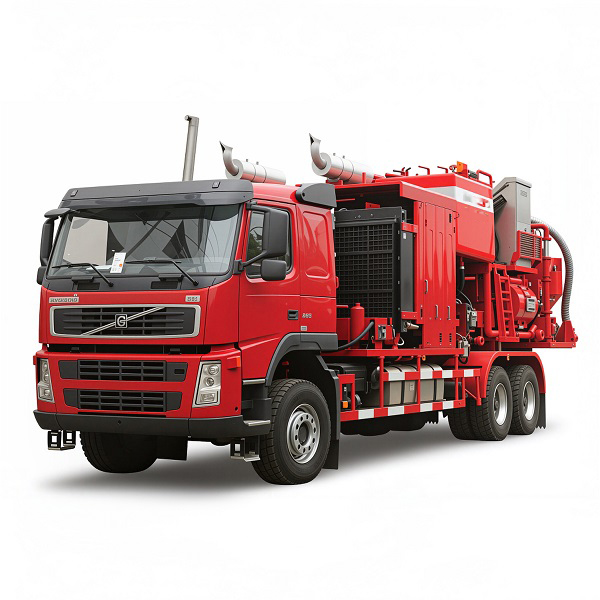
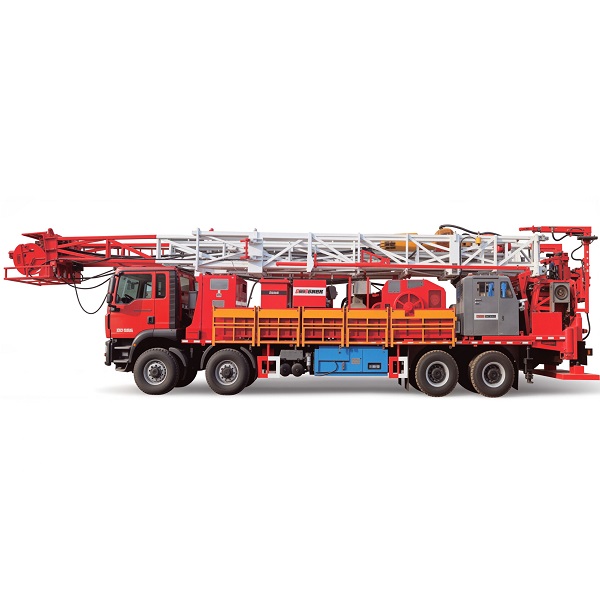
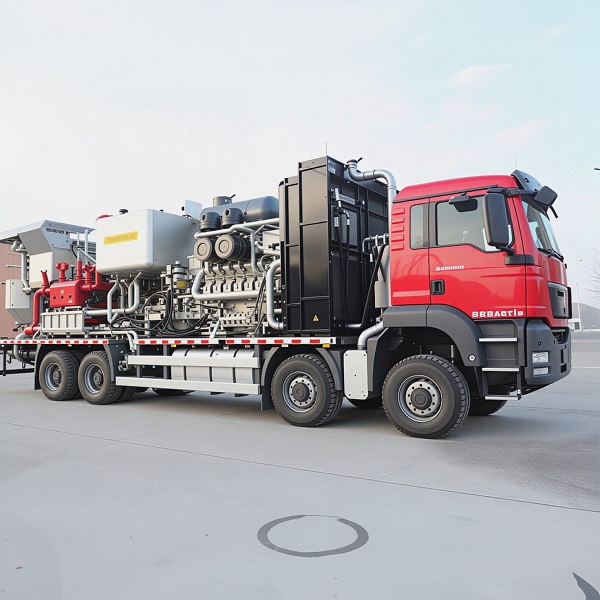
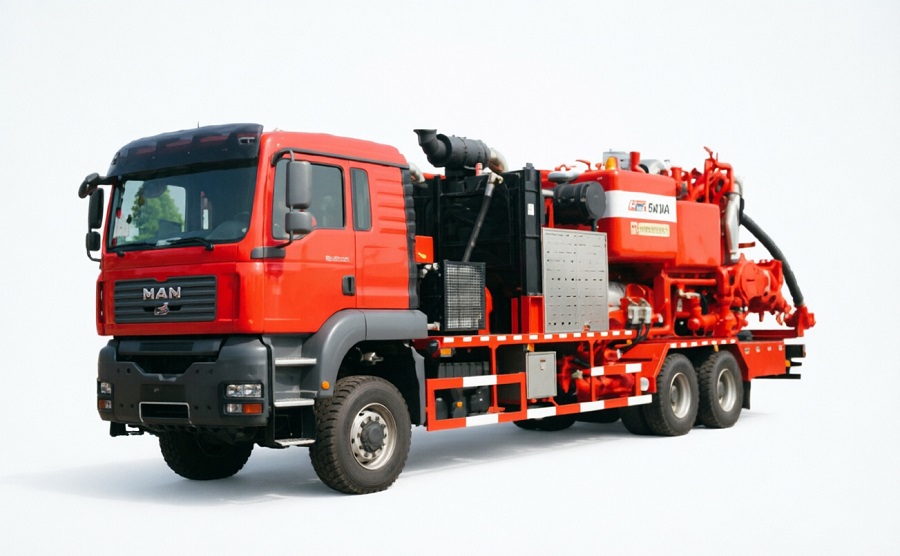
| SJ‑CT‑2 | Truck | Twin | 540 + chassis | 15,000 psi | 1.5 m³/min | 32,000 kg | 12.5×2.55×3.8 m | 6‑7 months |
| SJ‑CS‑2S | Split skid (offshore) | Twin | 1,072 | 15,000 psi | 2.7 m³/min | <15t per half | 8.0×3.3×3.9 m per half | 6‑8 months |
| SJ‑CC‑1 | Container | Single | 475 | 15,000 psi | 1.5 m³/min | 17,000 kg | 6.0×2.4×2.6 m (20ft) | 5‑7 months |
Applications – Matching Model to Operation
| Your Operation | Recommended Model | Why |
|---|---|---|
| Land primary cementing (standard depth <3,000m) | SJ‑CS‑1 (skid) or SJ‑CT‑2 (truck) | Single pump sufficient, truck for mobility |
| Land deep well (4,000‑6,000m) | SJ‑CS‑2 (twin skid) | Redundancy, higher pressure capability |
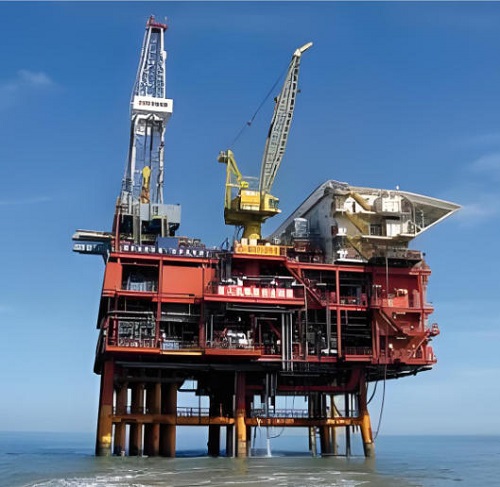
| Offshore platform (crane limited) | SJ‑CS‑2S (split skid) | Each half <15t for platform cranes |
| Offshore platform (no crane limit) | SJ‑CS‑2 (standard skid) | Lower cost, same performance |
| Multi‑well pad (shale / tight gas) | SJ‑CT‑2 (truck) | Fast moves between wells |
| Remedial / squeeze cementing | SJ‑CS‑1 (smaller unit) | Lower rate, precise control |
| Corrosive environment / tender vessel | SJ‑CC‑1 (container) | ISO container protects equipment |
| Deepwater / HPHT (8,000m+) | Custom high‑pressure skid | 18,000 psi, 2,200+ HP |
Why Choose SJ Petro Cementing Trucks & Units?
1. Full Product Range – Skid, truck, container, single, twin. One supplier covers all your cementing equipment needs – from shallow land wells to deepwater HPHT.
2. Proven ACM Accuracy – ±0.02 g/cm³ density control across 5,000+ jobs. Non‑radioactive sensor – safer, no permits.
3. API 7K Certified – Not "designed to” – actually certified. Full traceability.
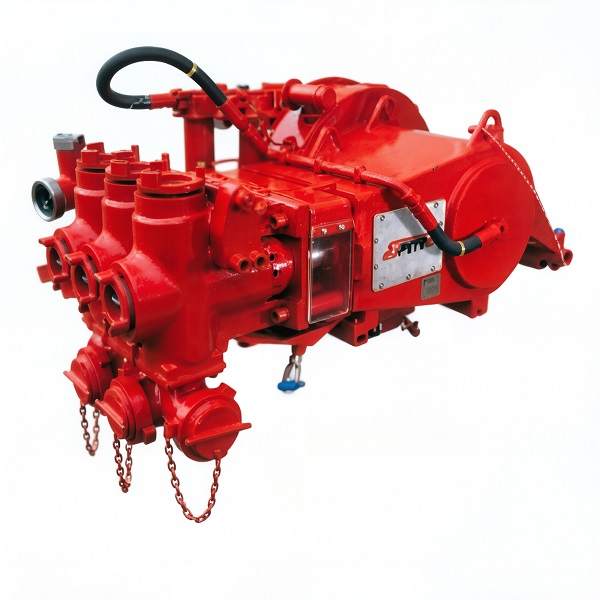
4. Field‑Reliable Pumps – TPH400 triplex with stainless steel fluid end. Tungsten carbide valves & seats last thousands of barrels.
5. Single Source for Mounting & Pump – Choose any combination of mounting (skid/truck/container) and pump (single/twin). We build it all.
6. Global Spares Network – Pump parts, ACM sensors, control modules stocked in Houston, Dubai, Singapore. 48‑hour emergency air freight.
7. Short Lead Times – 4‑7 months for most models (vs 8‑12 months from many competitors). Stock chassis available for truck units.
8. Sinopec Engineering Backing – Designed by engineers who pump cement every day. Field‑tested, not "lab certified.”
Product Types – Quick Reference
| Family | Mounting | Pumps | Best For |
|---|---|---|---|
| SJ‑CS | Skid | Single or twin | Land pads, offshore platforms |
| SJ‑CT | Truck (8×6 Benz) | Twin | Multi‑well pads, remote roads |
| SJ‑CC | 20ft container | Single or twin | Corrosive environment, tender vessels |
| SJ‑CS‑2S | Split skid | Twin | Offshore crane limits (<15t per half) |
| Custom | Any | Any | Special pressure, rate, or material requirements |
All families include ACM‑IV, DAS, API 7K pumps, and weatherproof enclosure as standard.
Frequently Asked Questions (FAQ)
Q1: What is the difference between a cementing truck and a cementing unit (skid)?
A cementing truck is self‑propelled (drives itself). A cementing unit (skid) requires a separate truck or crane to move it. Choose truck for frequent moves; choose skid for fixed locations or lower cost.
Q2: How do I choose between single and twin pump?
Single pump is adequate for land wells <4,000m with low risk. Twin pump gives you redundancy (job continues if one pump fails) and higher rate. For offshore or critical wells, always choose twin.
Q3: Can I get a cementing unit that mounts on my own truck chassis?
Yes – we can supply a skid‑mounted unit that you bolt onto your existing truck. This reduces cost (you provide the chassis). Specify "customer chassis” when ordering.
Q4: What is the density accuracy of your ACM system?
±0.02 g/cm³ (±0.16 ppg) under steady pumping conditions. The Micro Motion meter is non‑radioactive – safer and easier to permit than nuclear densitometers.
Q5: Do you offer rental cementing units?
Yes – we have a rental fleet of SJ‑CS‑1 and SJ‑CS‑2 units available for 3‑12 months. Rent includes maintenance support and one free annual inspection.
Q6: What is the typical fuel consumption of a truck‑mounted twin pump unit?
At full pumping load: 15‑20 gallons per hour (55‑75 L/h). At idle or travel: much lower. Chassis fuel consumption during travel: 25‑35 L/100 km.
Q7: Can your cementing units handle foam cementing?
Yes – we offer an optional foam cementing module (nitrogen injection, foam quality control) for SJ‑CS‑2, SJ‑CT‑2, and custom deepwater units.
Q8: What is the maximum pressure you can provide?
Standard: 15,000 psi (103.5 MPa). For HPHT and deepwater applications, we offer 18,000 psi (124 MPa) and 20,000 psi (138 MPa) versions. Contact engineering.
Q9: Do you provide training for the ACM and pump?
Yes – 2‑3 days on‑site training covering ACM calibration, pump operation, maintenance, and data logging. Simulator training available.
Q10: What is the lead time for a cementing truck or unit?
Skid units: 4‑6 months. Truck units: 5‑7 months. Containerized: 5‑7 months. Expedited delivery (2‑3 months) available for stock units – call for current inventory.
Q11: Can I get a unit with electric drive instead of diesel?
Yes – for grid‑connected sites or platforms. Electric drive is quieter, zero emissions, and lower maintenance. Specify "electric” when ordering.
Q12: How do I get a quote for a cementing truck or unit?
Provide: mounting preference (skid/truck/container), pump configuration (single/twin), max pressure and rate needed, and any special environmental requirements (desert, arctic, offshore). We will respond within 3‑5 business days.