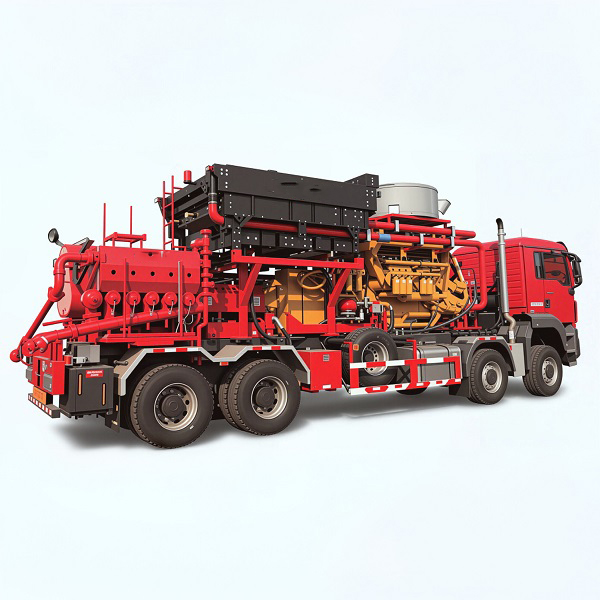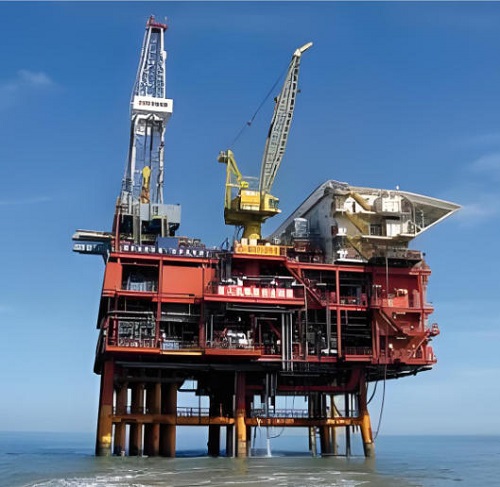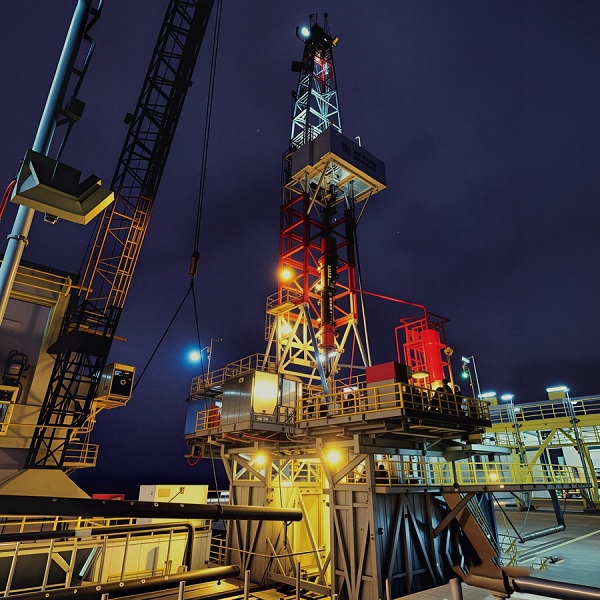
Automated rig specifications
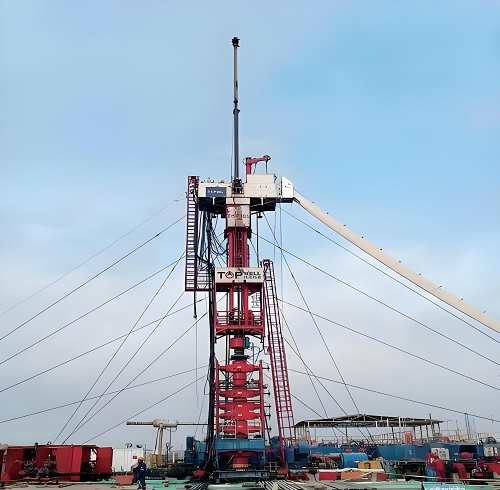
Innovative Technology & Key Features
Modern automated rig specifications cover more than just pipe handling. Our systems automate the entire drilling cycle, from well to well on a pad, and from connection to connection downhole. Here is what we integrate into every automated rig package:
-
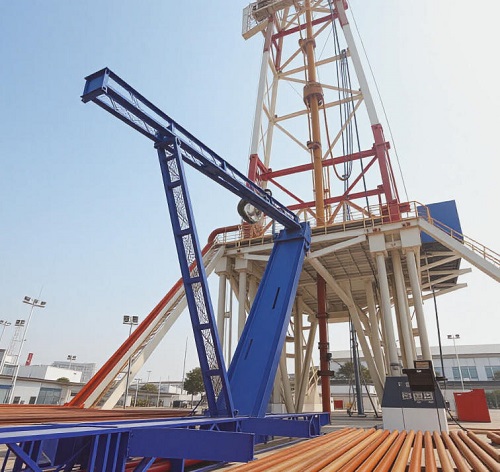
Fully automated drill floor – No crew on the floor during tripping. An iron roughneck, automated catwalk, vertical pipe racking arm, and top drive with automated elevator work together. All controlled from a soundproof cabin or remote office.
-
Digital drilling optimizer – Real‑time algorithms adjust WOB, RPM, and flow rate to stay within the bit’s hydraulic and mechanical limits. The system learns from previous stands and suggests optimal parameters.
-
Automated sliding & rotating – For directional wells, the rig automatically switches between rotary and slide drilling based on toolface data from the downhole motor. No driller intervention needed.
-
Integrated alarm & shutdown logic – Pre‑programmed limits for hook load, torque, differential pressure, and vibration. If any parameter exceeds the threshold, the rig automatically takes corrective action (e.g., lift off bottom, reduce RPM) and alerts the remote supervisor.
-
Remote support & diagnostics – The rig’s PLC and data system connects to the cloud. Our engineers can monitor performance, push parameter updates, and diagnose faults from thousands of miles away.
-
Walking system integration – On multi‑well pads, the automated rig walks to the next slot with a single command. The system levels itself, aligns to the new wellhead, and re‑arms the control system – all without a crane or manual pinning.
-
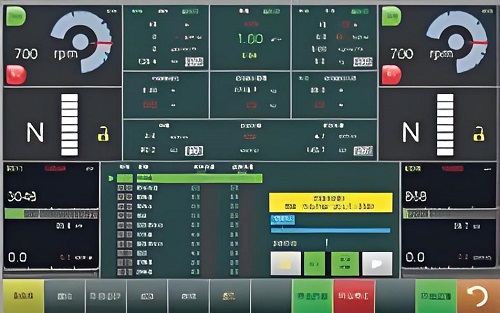
Real‑time KPI dashboard – The operator and office see penetration rate, connection time, rotating hours, and bit wear estimates on a live screen. Historical data is stored for benchmarking.
-
Zone management with radar – Personnel detection radar creates virtual safety zones on the drill floor. If anyone enters a restricted area during automated cycling, the system pauses and displays a warning.
-
Cold‑weather automation package – Heated enclosures for all hydraulic and electronic components. The system can be started remotely and perform self‑checks before crew arrives on site.
-
Modular automation level – You do not have to go "full auto” on day one. We can deliver the rig with incrementally activated automation features, allowing your crews to learn and adapt.
Technical Specifications – Automated Rig Models
The table below shows the automated rig specifications for our three standard series. Each rig is built to order, but these capacities represent typical configurations.
| Parameter | AR‑2000 (Semi‑Auto) | AR‑3000 (Full Auto) | AR‑4000 (Remote + AI) |
|---|---|---|---|
| Hook load capacity | 450 tons (1,000,000 lbs) | 600 tons (1,320,000 lbs) | 900 tons (2,000,000 lbs) |
| Drawworks power | 2 x 1,000 HP AC VFD | 4 x 1,000 HP AC VFD | 4 x 1,200 HP AC VFD |
| Drilling depth (5" DP) | 5,000 m | 7,000 m | 9,000 m |
| Top drive rating | 500 ton, 2 speed | 750 ton, continuously variable | 1,000 ton with active heave comp |
| Pipe handling automation | Iron roughneck + catwalk + manual fingerboard | IR + catwalk + vertical racking + sensor fingerboard | Full IR, racking, fingerboard, elevator automation |
| Walking system (optional) | SMS‑1500 (manual control) | SMS‑2000 (semi‑auto stepping) | SMS‑3000 (auto‑walk with GPS alignment) |
| Driller control | Touchscreen with joystick | Dual screen with auto‑sequence | Remote cabin + office console with AI advisor |
| Personnel detection zones | None (manual operation only) | 2 zones (floor restricted) | 4 zones (floor, setback, catwalk, substructure) |
| Data logging & cloud connection | USB export only | WiFi to rig server | 4G/5G to office cloud dashboard |
| Automated sliding/drilling optimizer | No | Yes (basic WOB/RPM control) | Yes (learning algorithm, downhole telemetry integration) |
| Remote diagnostics & software update | No | Yes (on request) | Yes (continuous) |
| Cold‑weather rating | -30°C | -45°C | -45°C with remote pre‑heat |
| API / ABS / DNV | API 4F, 7K, 8C | API + ABS class | API + ABS + DNV |
| Typical crew size (reduction) | 6 people (vs 8 conventional) | 4 people | 2 people (remote supervisor + local safety) |
Product Types – Automation Levels & Configurations
We classify automated rig configurations into four progressive levels, each with its own specification sheet:
-
Level 1 – Mechanized Assistance – Iron roughneck, powered catwalk, hydraulic mousehole, and manual fingerboard. Drill floor still has crew, but heavy lifting and torquing are mechanized. Lowest cost, good for shallow work.
-
Level 2 – Semi‑Automated (AR‑2000) – Adds vertical pipe racking arm, sensor fingerboard, and driller’s auto‑sequence for making connections. Crew remains on floor but only observes. Tripping speed increased by 25%.
-
Level 3 – Fully Automated Floor (AR‑3000) – No crew on floor during tripping. All functions controlled from a remote cabin or from the driller’s room with cameras. Automated sliding and parameter optimization. Crew size reduced to 4.
-
Level 4 – Remote + AI (AR‑4000) – The rig can be operated from an office 100 km away. Local crew only for maintenance and emergency override. AI advisor suggests drilling parameter changes and predicts bit wear. Remote diagnostics and software updates over cellular.
-
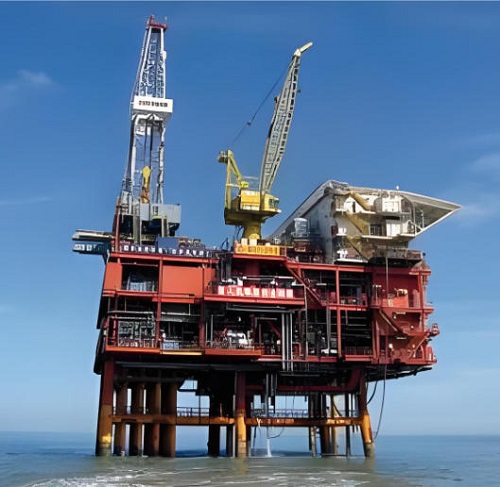
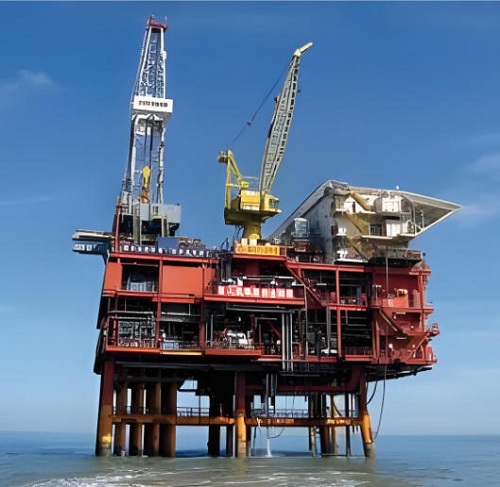
Offshore Automated Rig – Skid‑mounted, explosion‑proof, with heave compensation integration. Typically Level 3 or 4. Used on platforms and semi‑submersibles.
-
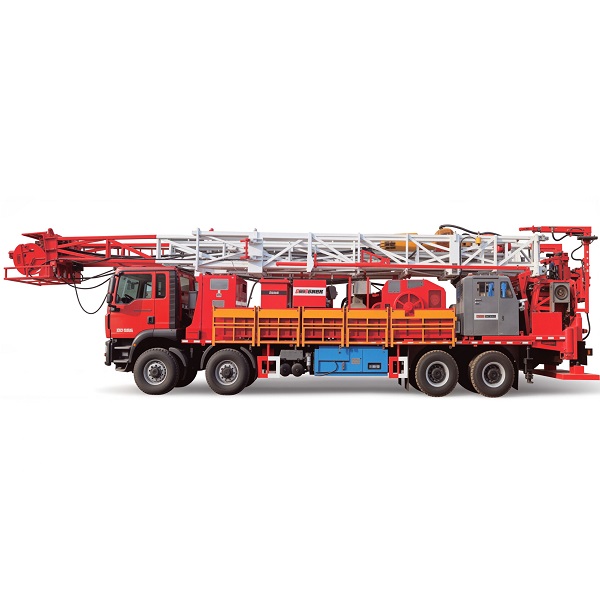
Automated Walking Rig – A Level 2 or 3 rig mounted on our stepping system. The walking and well‑to‑well positioning are fully automated, including leveling and elevation.
Applications – Where Automated Rig Specifications Deliver Value
Automated rig technology is already proven in these environments:
-
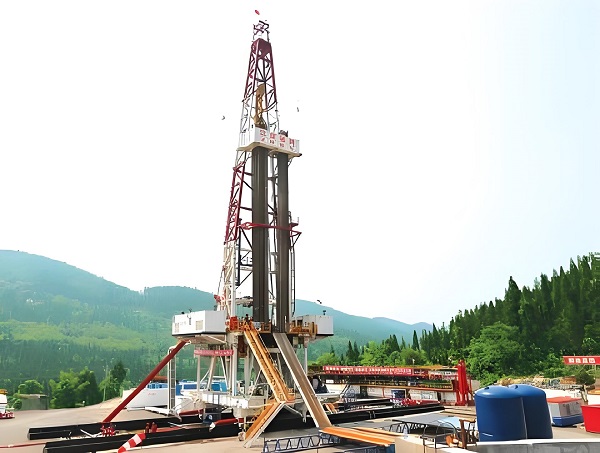
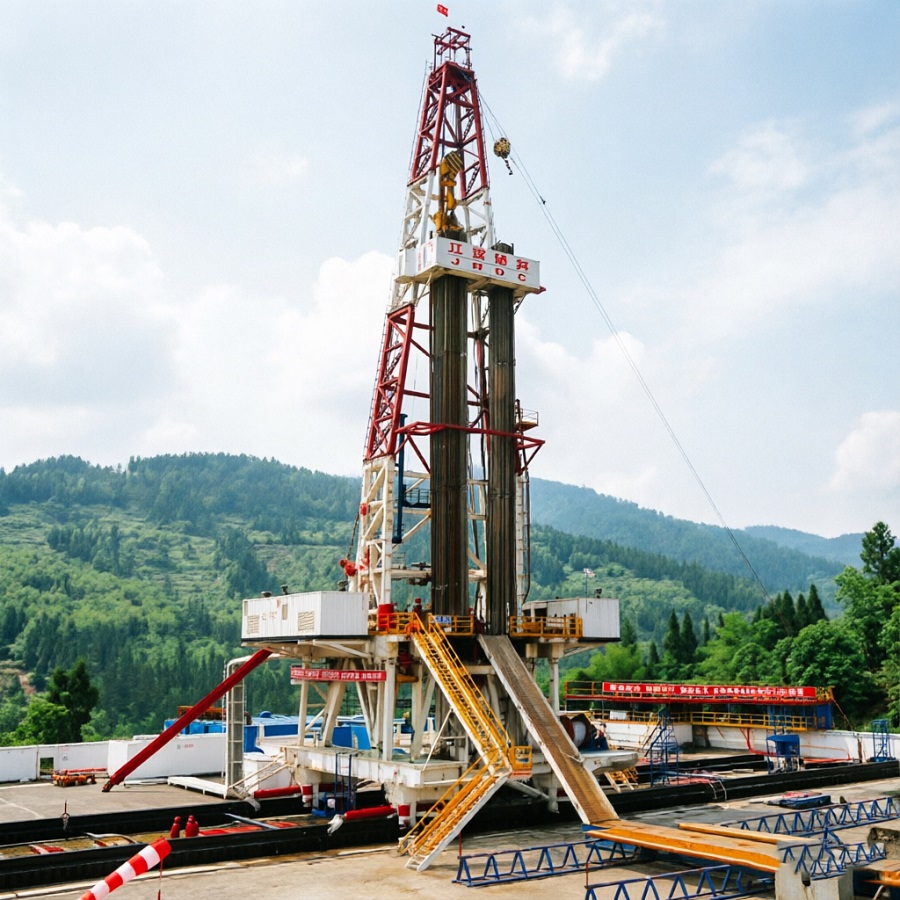
Multi‑well pad drilling (shale, tight gas, CBM) – Frequent moves and high trip frequency. Automation reduces non‑productive time by 30‑40% per pad.
-
Offshore platforms – Safety is paramount. Removing crew from the floor reduces exposure to dropped objects and pinch points. Our Level 3 rigs are operating on South China Sea platforms.
-
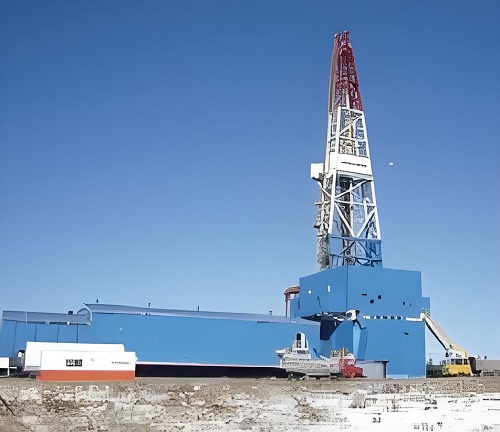
Arctic winter drilling – Extreme cold makes manual handling nearly impossible. Automated systems keep working while crew stays in heated cabins. Proven on 11 Rosneft rigs.
-
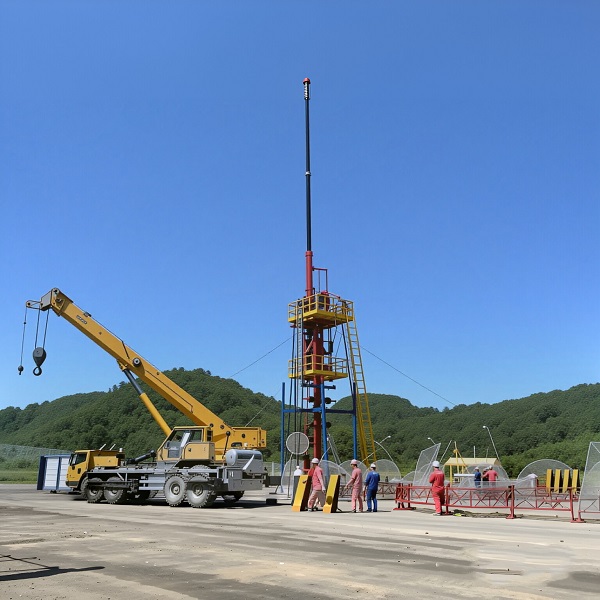
Remote jungles / deserts – Skilled labor is scarce. A remote‑operated rig (Level 4) can be managed from a regional office, with only a small local maintenance team.
-
Urban infill drilling – Noise and space constraints. Automated rigs are quieter (electric roughneck, VFD drawworks) and can be walked into tight backyards.
-
Deep, complex wells – Consistent parameter control reduces stuck pipe and wellbore instability. The AI optimizer maintains precise WOB and RPM, even in deviated sections.
Why Choose SJ Petro for Your Automated Rig?
-
Sinopec engineering & manufacturing – We build the entire rig: mast, substructure, drawworks, top drive, walking system, and automation controls. One vendor, one warranty, seamless integration.
-
Proven automation track record – Over 30 automated rigs delivered since 2018, with more than 1 million automated connections made. References available from major operators.
-
API & classification society ready – Our automation systems are designed to API RP 7‑2 (Automated Drilling Systems) and can be witnessed by ABS, DNV, or BV for offshore use.
-
In‑house control software – We write our own PLC code and HMI screens. No black‑box third‑party software. You can customize alarms, sequences, and data logging without license fees.
-
Flexible automation levels – Start with Level 1 and upgrade to Level 4 later. Hardware is pre‑installed; we activate features via software update.
-
Global service & training – We provide on‑site commissioning and operator training. Remote support via 24/7 hotline. Software updates delivered over secure connection.
-
Competitive pricing – As a Sinopec subsidiary with integrated production, we offer fully automated rigs at 15‑20% below Western competitors for equivalent API specifications.
-
Warranty – 12 months on all components (extendable to 24 months on automation electronics).
Frequently Asked Questions (FAQ)
Q1: What is the minimum crew size for a Level 4 automated rig?
Two persons: a remote driller (can be in an office 100 km away) and a local safety/ maintenance technician. Some regulatory bodies require a local emergency operator – check your local rules. We can provide the necessary safety interlocks.
Q2: Is the automated rig safe if the network connection is lost?
Yes – all safety functions (alarm, ESD, brake application) are hardwired or use redundant local PLCs. If the remote connection drops, the rig continues its current operation, then pauses and waits for reconnect. The local technician can also take manual control.
Q3: How long does it take to train a conventional driller to use your automated system?
Our simulator‑based training typically takes 1‑2 weeks for Level 2 automation, 3‑4 weeks for Level 4. Experienced drillers adapt quickly because the system mimics their best practices. We also provide on‑rig mentoring for the first 50 connections.
Q4: Can your automated rig handle directional drilling with downhole motors?
Yes – Level 3 and 4 rigs include slide drilling automation. The system monitors toolface, adjusts WOB and RPM to maintain orientation, and automatically switches between rotary and slide modes based on a pre‑planned schedule.
Q5: What is the ROI for upgrading from a conventional to an automated rig?
Typical payback is 18‑24 months based on reduced crew costs (saving 2‑4 people per shift) and increased drilling speed (15‑25% faster tripping). For remote locations where crew housing and transport are expensive, payback can be under 12 months.
Q6: Do you retrofit automation to existing conventional rigs?
Yes – we offer a "Retrofit Automation Package” that adds Level 1 or Level 2 automation (iron roughneck, catwalk, driller console) to a rig that has no automation. We also provide Level 3 upgrades to rigs that already have basic pipe handling.
Q7: What power supply does an automated rig require?
The rig itself uses the same AC grid or generator power as a conventional rig (typically 3‑phase, 380‑690V, 50/60 Hz). The automation controls and sensors are low voltage (24V DC) powered by a UPS. For remote operation, we also need a stable internet connection (4G/5G or satellite).
Q8: Can the automated system be overridden manually?
Yes – every automated rig has a physical E-stop button and a "manual override” mode. In manual mode, the driller controls the roughneck, catwalk, and top drive with joysticks – but still with interlock protection. This is useful for unusual operations (fishing, milling).
Q9: What kind of data does the automated rig record?
All critical parameters: hook load, torque, RPM, flow rate, pump pressure, depth, block position, connection torque and turns, tripping speed, and bit vibration. Data can be exported as CSV or transmitted to your own SCADA system via Modbus TCP/IP.