Snubbing Units
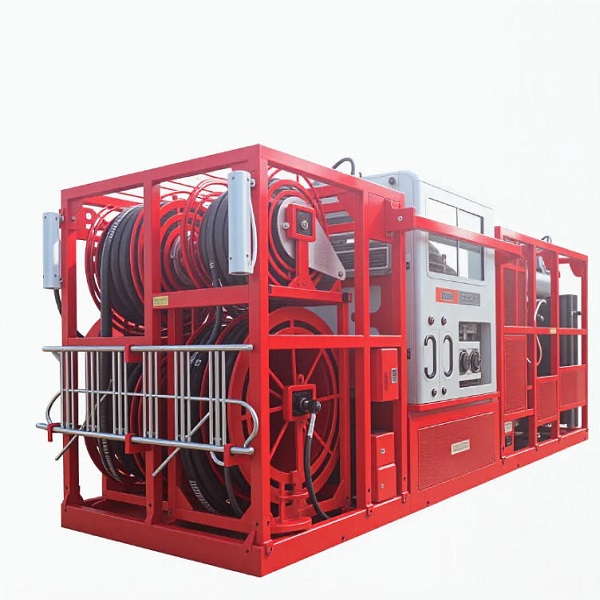
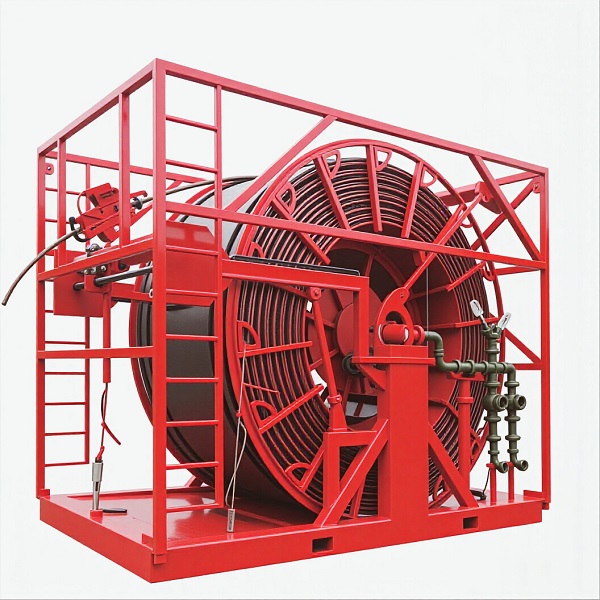
Technical Specifications – SDYJ Series Snubbing Units
The table below presents key specifications for our snubbing units range (SDYJ series). All data is per API 16A/16D standards.
| Parameter | SDYJ‑150 | SDYJ‑225 | SDYJ‑340 | SDYJ‑460 | SDYJ‑600 |
|---|---|---|---|---|---|
| Maximum pull capacity (kN / lbs) | 630 / 142,000 | 1,000 / 225,000 | 1,500 / 340,000 | 2,000 / 460,000 | 2,700 / 600,000 |
| Maximum snubbing capacity (kN / lbs) | 375 / 85,000 | 500 / 120,000 | 750 / 170,000 | 950 / 210,000 | 1,200 / 270,000 |
| Stroke length (m / ft) | 2.5 / 8.2 | 3.0 / 9.8 | 3.0 / 9.8 | 3.0 / 9.8 | 3.5 / 11.5 |
| Working pressure rating (MPa / PSI) | 35 / 5,000 | 35 / 5,000 | 70 / 10,000 | 70 / 10,000 | 105 / 15,000 |
| Pipe size range (inches) | 1 – 5‑1/2 | 1 – 5‑1/2 | 2‑3/8 – 7‑5/8 | 2‑3/8 – 9‑5/8 | 4‑1/2 – 13‑3/8 |
| Through‑bore diameter (mm / in) | 140 / 5.5 | 180 / 7.0 | 230 / 9.0 | 280 / 11.0 | 356 / 14.0 |
| Rotary torque (ft‑lbs @ rpm) | 5,000 @ 120 | 10,000 @ 100 | 15,000 @ 90 | 22,000 @ 80 | 30,000 @ 70 |
| Hydraulic system pressure (MPa / PSI) | 21 / 3,000 | 21 / 3,000 | 28 / 4,000 | 35 / 5,000 | 35 / 5,000 |
| Power unit (HP) | 150 | 200 | 300 | 450 | 600 |
| Number of jacks | 2 | 2 | 2 or 4 | 4 | 4 |
| Mounting types | Trailer / Truck | Trailer / Truck / Skid | Truck / Skid | Skid / Platform | Skid / Platform |
| Configuration | Standalone / Auxiliary | Standalone / Auxiliary | Standalone | Standalone | Standalone |
| Weight (metric tons) | 12 | 18 | 25 | 28 | 35 |
| API compliance | 16A, 16D, 6A | 16A, 16D, 6A | 16A, 16D, 6A | 16A, 16D, 6A | 16A, 16D, 6A |
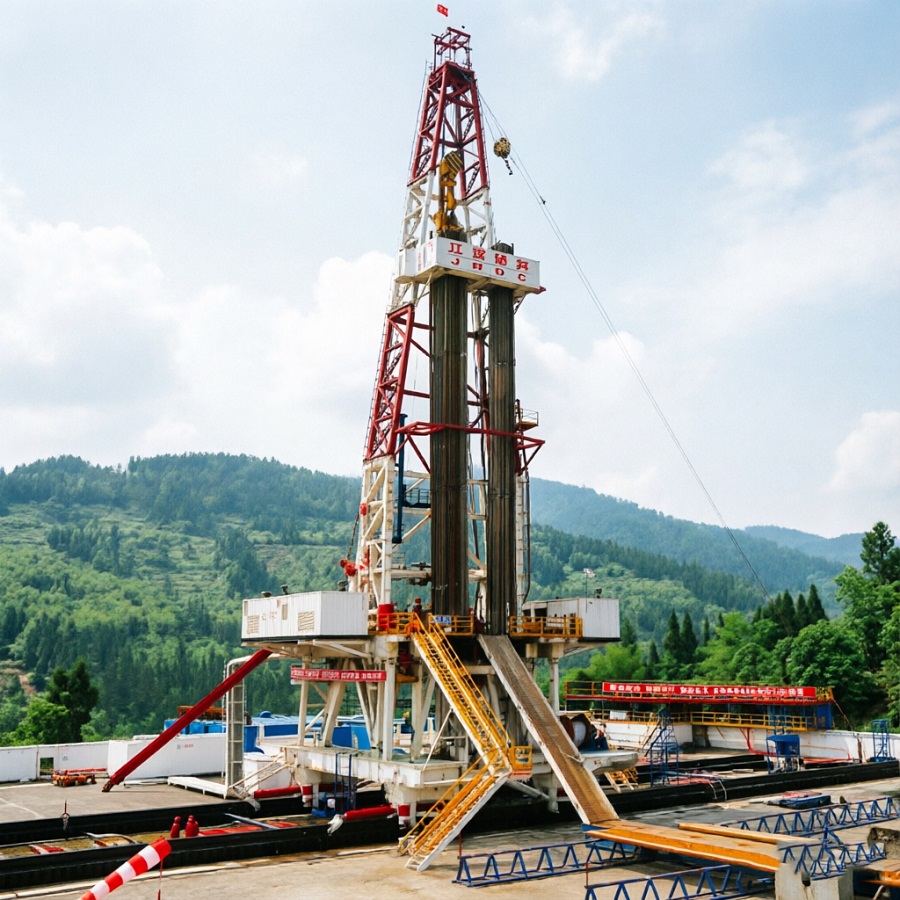
Product Types – Snubbing Units Configurations
We offer snubbing units in the following product families and mounting configurations:
-
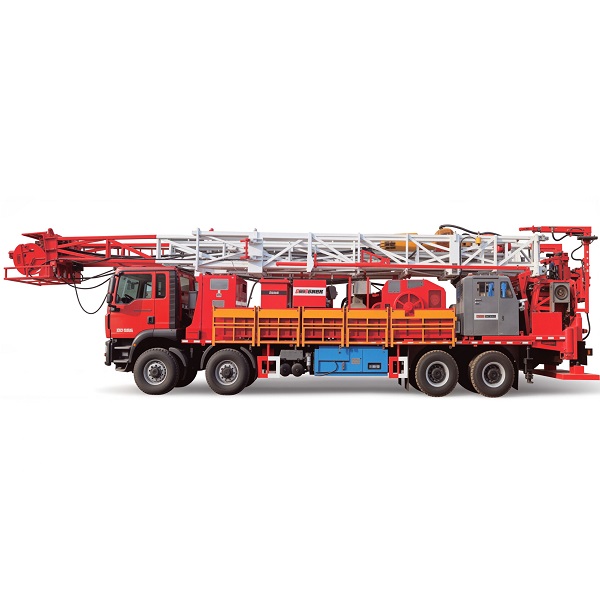
Standalone Snubbing Unit (SDYJ series) – Complete self‑contained system with power unit, BOP stack, control cabin, and pipe handling. Ideal for remote operations, offshore platforms, and areas with no conventional rig support.
-
Auxiliary (Rig‑Assist) Snubbing Unit – Compact design that works alongside a conventional workover rig. The rig handles heavy lifts; the snubbing unit manages live well operations. Lower capital cost, ideal for operators with existing rig fleets.
-
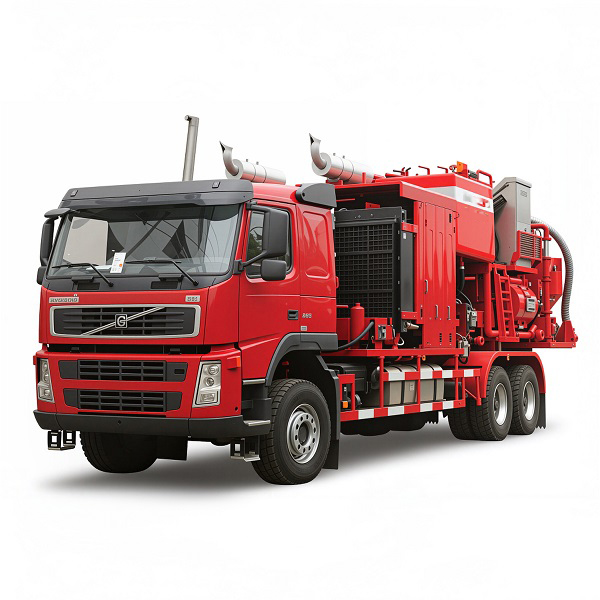
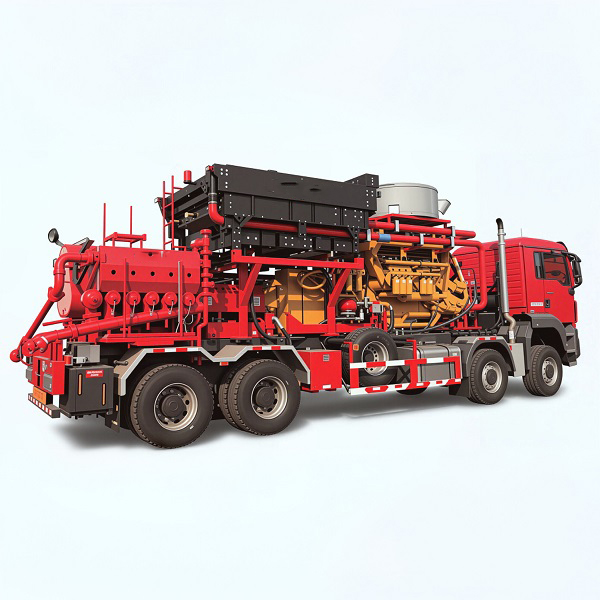
Truck‑Mounted Snubbing Unit – Self‑propelled, road‑legal unit for rapid deployment between wells. Maximum mobility, lowest rig‑up time. Available in SDYJ‑150 through SDYJ‑340 capacities.
-
Trailer‑Mounted Snubbing Unit – Towed configuration for operators who prefer to use their existing prime movers. Lower cost than truck‑mounted, still highly mobile.
-
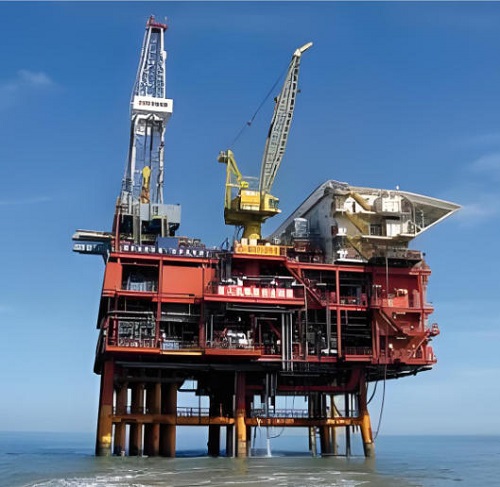
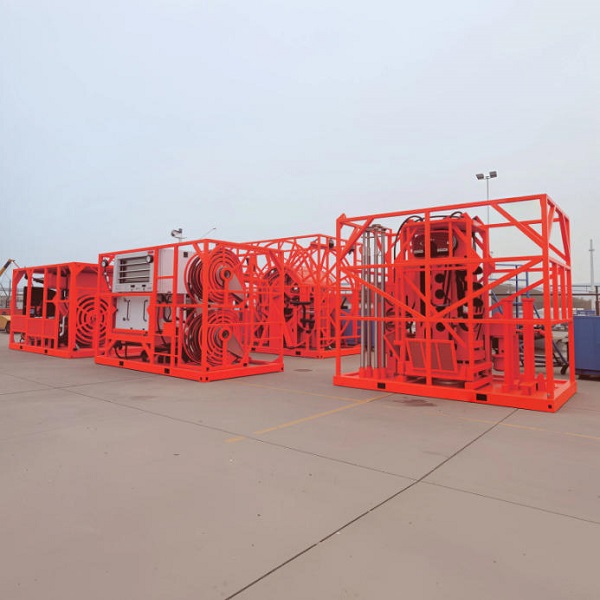
Skid‑Mounted Snubbing Unit – For permanent platform installation or barge‑based operations. Designed for offshore use with marine‑grade coatings, stainless steel fasteners, and ATEX certification for hazardous areas.
-
Hydraulic Workover Unit (HWO) – Another term for standalone snubbing unit, used interchangeably in the industry. Our HWO packages include all necessary pressure control and pipe handling equipment.
-
Full‑Electric Drive Snubbing Unit (Green Technology) – A revolutionary zero‑emission, fully electric snubbing system. Powered entirely by grid electricity with zero pollution and zero emissions during operation. The world’s first full‑electric drive SXJ900E automatic workover operation equipment has been successfully deployed in major Chinese oilfields, establishing a global leadership position for domestic well workover technology. Ideal for operators with strict environmental mandates, urban infill sites, or access to reliable grid power.
Applications – Where Snubbing Units Deliver Maximum Value
Our snubbing units are field‑proven across the full spectrum of live well intervention:
-
Well workover and recompletion – Changing out tubing, replacing downhole pumps, retrieving packers, and installing new completion hardware—all under pressure. Eliminates days of kill fluid operations and reduces production downtime to hours.
-
Live well intervention (HP/HT and sour gas wells) – When formation pressure exceeds 10,000 PSI or H₂S levels prohibit conventional workover, snubbing is often the only safe method. Our high‑pressure units are rated to 15,000 PSI with full NACE MR0175 compliance for sour service. Offshore environments demand even greater reliability—our snubbing units are preferred for deepwater and platform applications where well pressure management is critical.
-
Plug and abandonment (P&A) – Snubbing units are uniquely capable of pulling tubing, milling cement plugs, and cutting casing strings in live wells without killing them first. Re‑entry P&A through leaking cement or bridge plugs is much safer when performed under pressure with a snubbing unit. This capability is especially valuable for aging offshore platforms where abandonment costs are measured in millions per well.
-
Fishing and milling operations – Retrieving broken pipe, stuck tools, or milling out packers and bridge plugs. The smooth hydraulic control of a snubbing unit prevents further damaging the fish during retrieval, and the integrated rotary option allows onsite milling without rig mobilization.
-
Casing cutting and pulling – Cutting and extracting stuck or damaged casing strings under pressure, essential for well repair and slot recovery. Our rotary tables provide the torque needed for section milling without killing the well.
-
Underbalanced drilling and completion – Snubbing units are frequently used in underbalanced operations to maintain live well conditions while installing final well production equipment or performing drilling interventions.
-
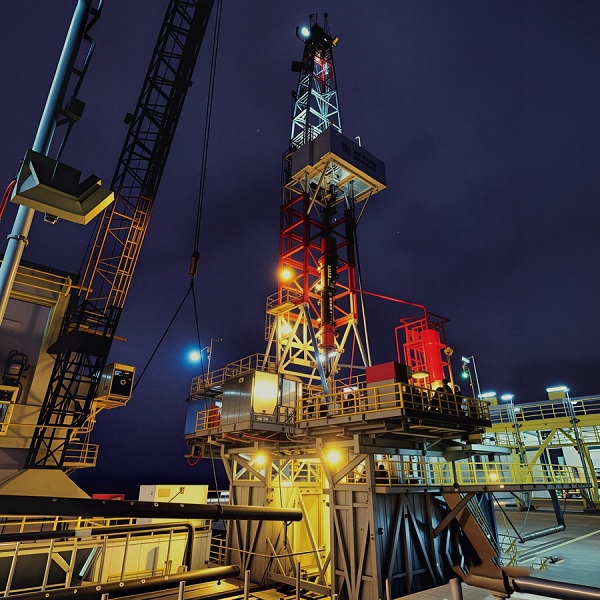
Offshore platform workover – Compact skid‑mounted snubbing units fit on tight platform decks where conventional workover rigs cannot go. Marine‑grade coatings and ATEX certification are standard for offshore units. In many cases, ISS can workover a well, turn it back to production, and demobilize before a conventional workover rig can even rig up on a typical offshore installation.
-
Coiled tubing fishing support – Snubbing units provide a secure backup for coiled tubing fishing operations, offering reliable pipe handling and pressure control when CT operations encounter difficulties.
Why Choose SJ Petro as Your Snubbing Units Manufacturer?
-
Sinopec‑backed engineering & manufacturing – As a direct subsidiary of China’s largest oilfield equipment group, our 314‑engineer R&D team designs every component in‑house. With 2,100+ precision machines and 16 dedicated production lines, we build snubbing units with the same quality systems that produce drilling rigs and fracturing equipment for the world’s largest oilfields.
-
API 16A, 16D & 6A certified – Every snubbing unit is manufactured under API quality management. Third‑party inspection (ABS, DNV, BV, SGS) is always welcome. Our SDYJ series meets the strictest international standards for pressure control equipment.
-
Full hydraulic drive, PLC‑ready – Our units offer smooth, reliable hydraulic power as standard, with all systems pre‑wired for PLC integration. When you are ready to upgrade to automated control, the path is already there.
-
High‑capacity range – From light 150K units for tubing work to heavy‑duty 600K units for casing pulling and drilling, we have a snubbing unit for every job. The SDYJ series covers snubbing force from 400 to 2,700 kN—one of the widest ranges available from any single manufacturer.
-
Field‑proven in the Fuling Shale Gas Field – A 225‑ton rated standalone hydraulic snubbing unit developed by SOFE was successfully deployed in the Fuling shale gas field, with slip open‑close operations exceeding 155,000 cycles [3†L17-L21]. This field‑proven reliability demonstrates the durability of our equipment under the most demanding conditions.
-
Global export experience – We have shipped snubbing units to more than 30 countries including the Middle East, Russia, Southeast Asia, and South America. Our export team handles all documentation, including API certificates, material test reports, and commercial invoices.
-
Quick rig‑up, low footprint – Our modular design and efficient hydraulic layout mean your crew can be snubbing within hours of arrival on location, not days. Typical rig‑up time is 4‑6 hours for a standalone unit—less than half that of a conventional workover rig.
-
Green technology option – For operators seeking to reduce emissions and noise footprint, our full‑electric drive snubbing units offer zero‑pollution, zero‑emission operation with the same snubbing capacity as our hydraulic units [23†L52-L55].
-
24/7 technical support & spares – We stock snubbing‑specific spares (seal kits, hydraulic valves, BOP rams) in Dubai, Singapore, and via our Houston agent. Our engineers provide remote diagnostics and on‑site commissioning worldwide.
-
Warranty – 24 months on structural components (hydraulic jacks, pressure vessels); 12 months on hydraulic components, hoses, and sensors. Extended warranty available for fleet purchasers.
Frequently Asked Questions (FAQ)
Q1: What is the difference between snubbing units and conventional workover rigs?
Conventional workover rigs require the well to be killed—pumped full of heavy fluids—before any pipe can be run or pulled. Snubbing units operate with the well live, under full pressure. Snubbing eliminates kill fluid costs, reduces reservoir damage, and cuts well intervention time by 50‑70%. A conventional rig typically requires 24‑48 hours to rig up and kill the well before starting work; a snubbing unit can be rigged up and snubbing within 4‑6 hours. For an offshore installation, the time savings are even more dramatic.
Q2: What well pressure can your snubbing units handle?
Our SDYJ series covers working pressure ratings from 5,000 PSI (35 MPa) to 15,000 PSI (105 MPa). The 340K and 460K models are rated for 10,000 PSI; the 600K model for 15,000 PSI. Higher pressures (up to 20,000 PSI) are available on request for ultra‑deep HP/HT wells.
Q3: Can I use a snubbing unit for drilling or milling operations?
Yes. When equipped with a hydraulic rotary table or power swivel, our snubbing units can perform light drilling, window milling, sidetracking, and milling of cement plugs, bridge plugs, and packers. Rotary torque ranges from 5,000 to 30,000 ft‑lbs depending on the model, with infinitely variable speed control.
Q4: What is the typical pipe size range for your units?
The SDYJ‑150 and 225 handle pipe from 1″ to 5‑1/2″ (typical for tubing and light drill pipe). The SDYJ‑340 handles up to 7‑5/8″, and the SDYJ‑460 and 600 handle up to 9‑5/8″ and 13‑3/8″ casing respectively. Larger through‑bore capacities are available on request for conductor pipe.
Q5: Do you provide training for snubbing unit operators?
Yes. We provide a comprehensive two‑week training program at our factory or your site: one week classroom (snubbing theory, pressure control principles, emergency procedures, BOP operation) and one week hands‑on with a live system. On‑site coaching during your first snubbing operation is included. We also offer advanced training for high‑pressure (10K+) and offshore operations.
Q6: How does a standalone snubbing unit compare to a rig‑assist unit?
A standalone unit is completely self‑sufficient—it lifts, snubs, and controls the well without any external support. An auxiliary (rig‑assist) unit relies on a conventional workover rig for lifting during the "pipe heavy” phase but performs snubbing independently. Rig‑assist units cost less upfront and are ideal for fleets that already own conventional rigs. Standalone units offer greater flexibility and faster deployment.
Q7: What are the power requirements for a snubbing unit?
Our standard units are diesel‑hydraulic—the power unit has its own diesel engine, so no external power is required. For electric‑drive units, grid power requirements range from 200 kW for the SDYJ‑150 up to 800 kW for the SDYJ‑600. For remote or offshore installations, diesel remains the primary option; the green electric option is ideal for onshore pads with stable grid access.
Q8: How long does it take to rig up a snubbing unit?
For a standalone unit: 4‑6 hours from arrival on location to ready‑to‑snub. For an auxiliary unit working with a conventional rig: 6‑8 hours (the rig may still be rigging up; snubbing operations can begin once the BOP stack and snubbing jack are in place). By contrast, a conventional workover rig alone typically requires 24‑48 hours.
Q9: What quality documentation do you provide with each snubbing unit?
You receive: API 16A and 16D certificates, material test reports (EN 10204 3.1) for pressure components, hydrostatic test certificates (1.5× rated working pressure), function test reports for BOPs and control system, electrical schematics, hydraulic circuit diagrams, operations manual, and maintenance manual.