Offset drilling rig applications
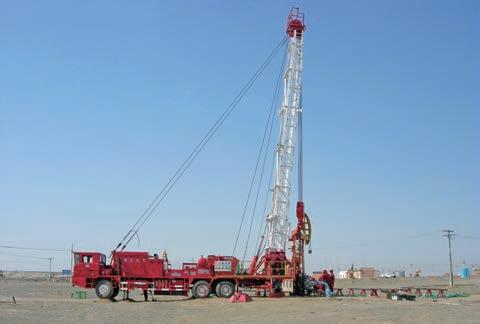
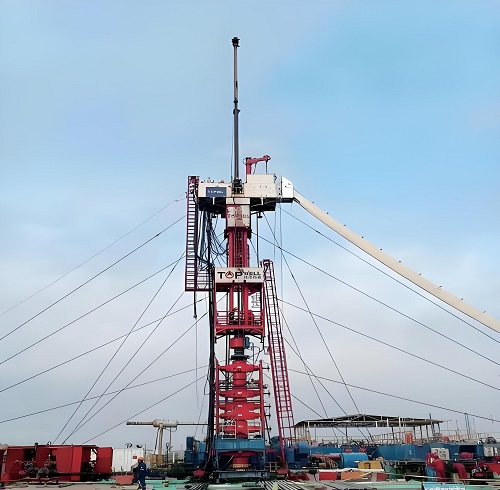
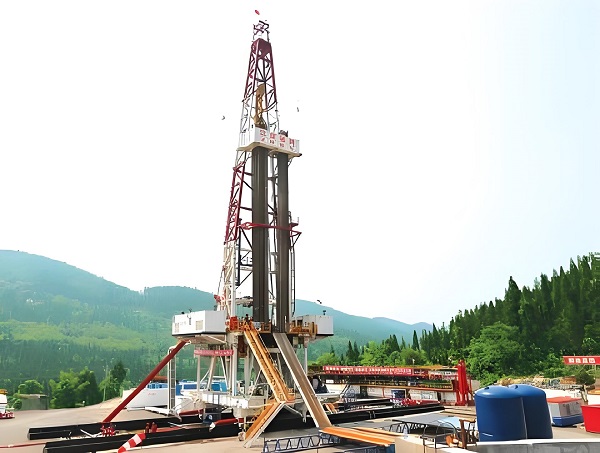
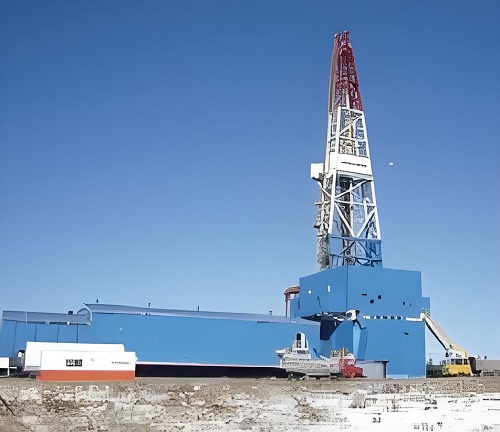
Technical Specifications (Offset Mobility Systems)
Here’s a reference table for the offset‑enabling systems we integrate into our drilling rigs. All parameters are customizable based on rig size and pad layout.
| Parameter | Hydraulic Skidding (Land) | Hydraulic Skidding (Offshore) | Walking System (Land) |
|---|---|---|---|
| Max move distance per cycle | 12 m | 6 m (platform slot spacing) | 1.5 m |
| Max rig weight supported | 500 tonnes | 800 tonnes | 400 tonnes |
| Move speed | 1–2 m/min | 0.5–1.5 m/min | 0.3–0.8 m/min |
| Positioning accuracy | ±5 mm | ±3 mm | ±10 mm |
| Hydraulic pressure | 250 bar | 280 bar (marine grade) | 250 bar |
| Control | Remote wired / wireless | Remote wired (explosion‑proof) | Remote wired |
| Gradeability | Level pad only (≤1°) | Level platform deck | Up to 5° |
| Rail type | Bolted steel I‑beam | Welded marine rail | None (walking feet) |
| Certification | API / ISO | ABS / DNV / CCS (upon request) | API / ISO |
| Integration | PLC‑interlocked with rig controls | Fully integrated with platform safety systems | PLC‑interlocked |
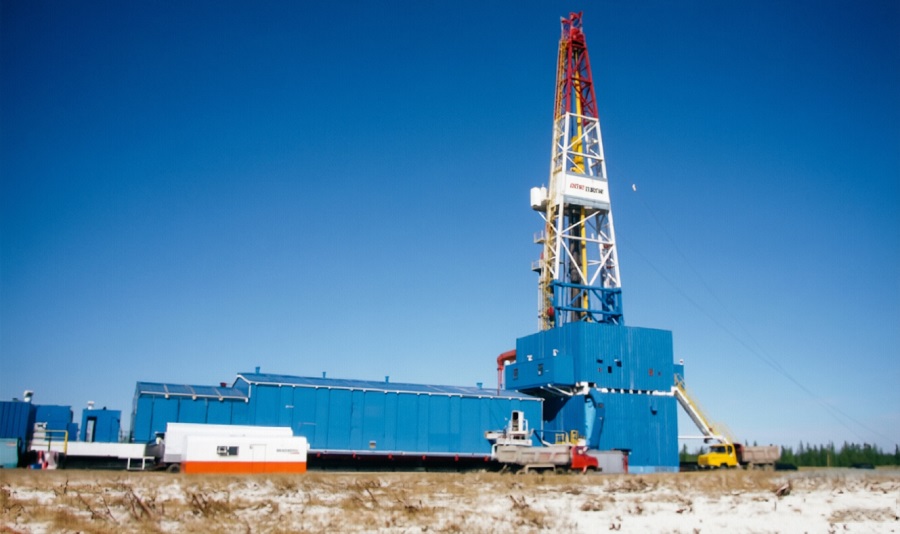
These systems are available as factory‑integrated options on new SJ Petro rigs, or as retrofit kits for existing rigs from any manufacturer.
Key Application Fields for Offset Drilling Rigs
Now let’s get into the real‑world scenarios where offset rigs deliver the biggest ROI.
1 Shale Gas & Tight Oil Multi‑Well Pads
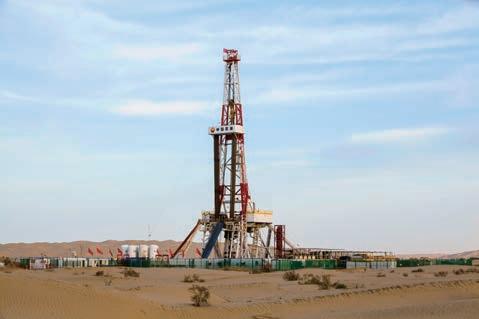
Unconventional development is the #1 driver of offset rig applications. A single pad often holds 8, 12, or even 16 wells drilled in sequence. Without skidding, you’d need to move the rig by crane after every well — impossible economically.
How SJ Petro helps:
Our ZJ series land rigs (ZJ40, ZJ50, ZJ70) with hydraulic skidding or walking systems move between slots in 4–8 hours instead of 2–5 days. For a 12‑well pad, that’s over 30 days saved — plus reduced crane costs, less crew fatigue, and lower HSE exposure.
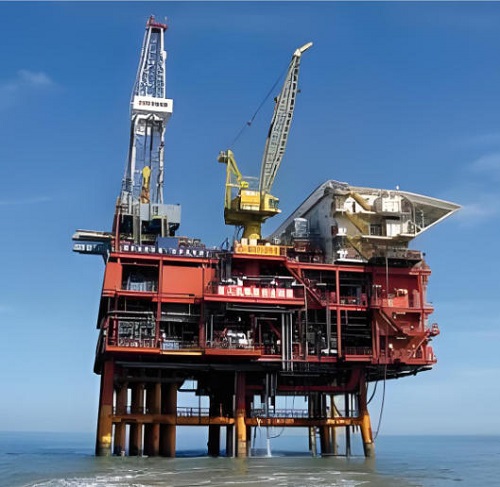
2 Offshore Platform Drilling
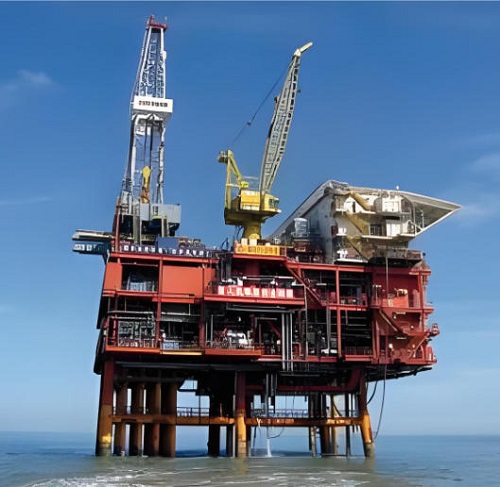
Fixed platforms and jack‑up rigs often have 6 to 12 well slots. After finishing one well, the entire rig package must skid across the deck to the next slot. Manual skidding with winches is slow and risky.
How SJ Petro helps:
Our offshore skidding modules are hydraulically synchronized, with remote control from the driller’s cabin. We’ve supplied systems for platforms in the South China Sea and Southeast Asia, achieving typical skid times of 2–4 hours per slot.
3 Urban & Environmentally Sensitive Drilling
When you’re drilling in a city, industrial site, or near protected land, you can’t spread out. The wellpad is tiny — sometimes just enough for the rig and a few trucks. Moving between wells requires precise, compact skidding.
How SJ Petro helps:
Our compact skidding systems work within very tight footprints. We can design custom skid rails that fit between existing infrastructure. And because there’s no crane‑assisted disassembly, you minimize noise and disruption to surrounding areas.
4 Coalbed Methane (CBM) & Geothermal Fields
CBM and geothermal wells are typically shallow but densely spaced — sometimes 100+ wells per square kilometer. Conventional rig moves would kill your schedule.
How SJ Petro helps:
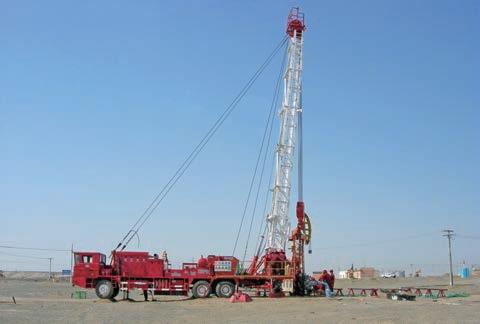
Our smaller rigs (ZJ20CZ, XJ series) can be equipped with lightweight skidding systems or trailer‑based walking units. They move quickly between closely spaced wells, keeping your drilling program on track.
5 Arctic & Remote Locations
In the Russian arctic or Canadian north, every hour of rig downtime costs a fortune — and the weather window is short. You cannot afford long rig moves.
How SJ Petro helps:
Our cold‑weather offset rigs (operating at –45°C) come with heated hydraulic systems and arctic‑rated seals. The skidding system works even in deep snow, because the rails sit above ground level on timber mats. We’ve delivered these to Russian partners — they work.
Product Types – Which SJ Petro Rig Supports Offset Applications?
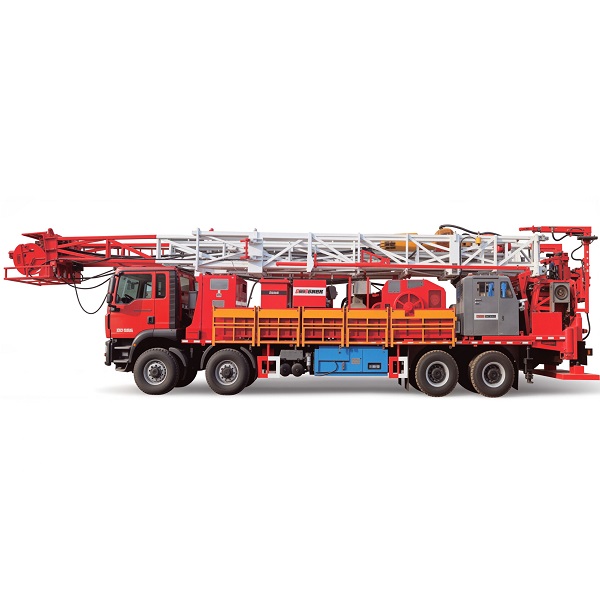
Almost any SJ Petro rig can be equipped with offset mobility. Here are the most popular configurations:
| Product Type | Rig Series | Offset Mobility Option | Best For |
|---|---|---|---|
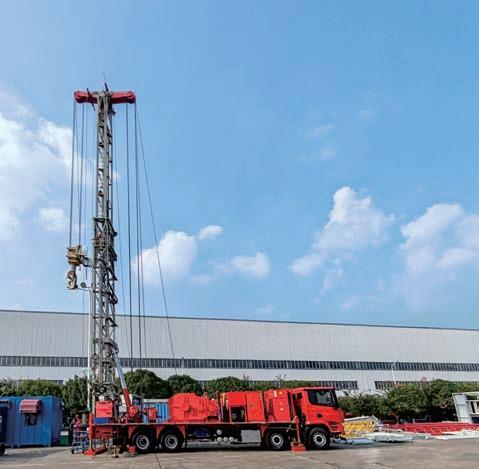
| Land Skidding Rig | ZJ30, ZJ40, ZJ50, ZJ70 | Hydraulic skidding on rails | Multi‑well pads with prepared foundation |
| Land Walking Rig | ZJ40, ZJ50, ZJ70 | Hydraulic walking feet | Unprepared terrain, shale gas pads |
| Offshore Skidding Rig | Platform module, jack‑up | Hydraulic skidding on platform deck | Fixed platforms, jack‑ups with multiple slots |
| Compact Offset Workover Rig | XJ450, XJ550, XJ650 | Light skidding or walking | CBM, geothermal, shallow offset wells |
| Retrofit Skidding Kit | Any existing rig (any brand) | Bolt‑on hydraulic skidding or walking | Upgrade legacy rigs for offset capability |
Each configuration is custom‑engineered for your specific pad layout, well spacing, and environmental conditions.
Why Choose SJ PETROLEUM MACHINERY for Your Offset Drilling Project?
I could give you a long list of corporate credentials. Instead, let me give you four practical reasons.
1. We’ve actually done this. Our offset rigs and skidding systems are not prototypes. They’re running today in shale gas fields in China, desert pads in the Middle East, offshore platforms in Southeast Asia, and arctic locations in Russia. We know what breaks in the field — and we’ve fixed it before you see it.
2. We integrate, not bolt‑on. Many manufacturers sell a rig and then sell you a skidding system from a third party that sort‑of fits. Ours is designed from the ground up with the rig structure. The hydraulics are integrated into the rig’s PLC. The controls share the same driller interface. It feels like one machine — because it is.
3. 3,000+ international transactions. We’ve exported to over 30 countries. We understand customs, shipping logistics, and the documentation required for API, ABS, DNV, or customer‑specific standards. No rookie mistakes.
4. Cost‑effective without hidden corners. You can buy a NOV or Bentec offset rig for twice the price. Or you can buy an SJ Petro rig that does the same job — same safety, same reliability, same uptime — for 30–50% less. That’s not a discount. That’s just not overpaying for a brand badge.
Frequently Asked Questions (FAQ)
Q1: What is the main advantage of using an offset drilling rig instead of a conventional rig?
Speed between wells. A conventional rig requires full disassembly (rig‑down), crane lifts to move the components, and then reassembly (rig‑up) at the next slot. That typically takes 2–5 days per move. An offset rig with skidding or walking moves the entire assembled rig in 4–8 hours. On a 12‑well pad, that’s weeks of saved time.
Q2: Can I add offset capability to my existing rig?
Absolutely. We offer retrofit skidding and walking kits that bolt onto your existing substructure. Our engineering team will survey your rig and pad layout, design the rail system (or walking feet), and supply the hydraulic power unit and controls. Installation and commissioning typically take 3–6 weeks on location.
Q3: How many wells can an offset rig drill on one pad before needing to move?
That depends on the pad layout and the rig’s skidding range. With rails, a single setup can cover a linear distance of 30–50 meters (multiple skidding strokes). If your wells are arranged in a single row, you can cover 6–12 wells without repositioning the rails. For larger patterns, you may need to reposition the rails once or twice — still far faster than full rig moves.
Q4: Does your skidding system work on uneven ground?
Our standard skidding system requires reasonably level rails (≤1° slope). For truly uneven ground (up to 5° slope and soft soil), our walking system is the better choice. It lifts the rig on hydraulic feet, walks it forward, sets it down, and repeats — no rails needed.
Q5: What about offshore applications — do you have marine certifications?
Yes. Our offshore skidding systems are designed to meet classification society requirements (ABS, DNV, CCS, etc.) upon request. We’ve supplied systems for jack‑up rigs and fixed platforms operating in the South China Sea and Southeast Asia. All offshore components are marine‑grade (corrosion‑resistant coatings, IP66 enclosures, explosion‑proof controls where required).
Q6: Can your offset rigs handle deviated or horizontal wells?
Yes. Offset capability is about moving between wells — not about the directional profile of the well itself. Our rigs (ZJ40 and above) are fully capable of drilling deviated and horizontal wells using top drive, mud motors, and rotary steerable systems. The skidding system does not interfere with directional drilling operations.
Q7: How much does an offset rig cost compared to a conventional rig?
The premium for offset capability is typically 200,000–200,000–500,000 for the skidding or walking system (depending on rig size and complexity). On a multi‑well project, that premium is often recovered in 2–3 well moves — after that, you’re saving money every day. We can provide a project‑specific ROI analysis based on your well count and move distances.
Q8: Do you provide operator training for the skidding system?
Yes. We include comprehensive training as part of every offset rig delivery. Your drillers and floor crew will learn:
-
How to set up skid rails (land) or verify platform rail condition (offshore)
-
How to operate the remote control console
-
Safety procedures (disconnecting mud/elec lines before skidding)
-
Emergency manual override procedures
We also provide illustrated manuals and video walkthroughs.
Q9: What is your warranty on the skidding system?
Standard warranty is 12 months from commissioning. Hydraulic cylinders, hoses, and the power unit are covered. We keep critical spares (seals, hoses, valves) in regional warehouses for quick replacement.