
Modular oil drilling rigs
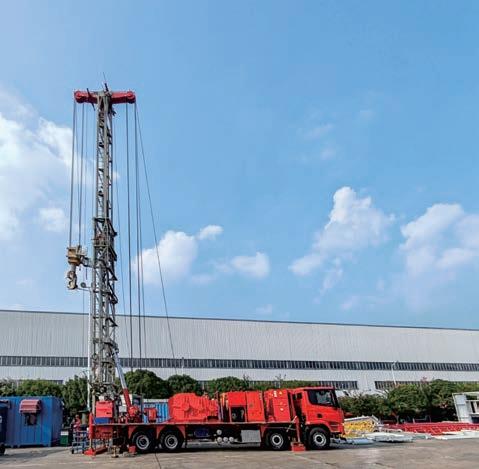
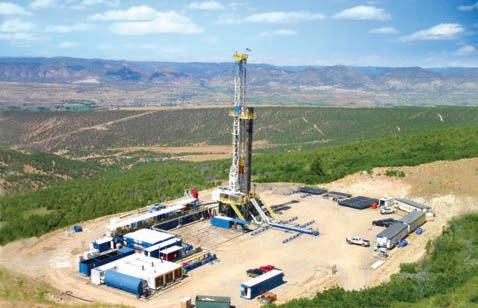

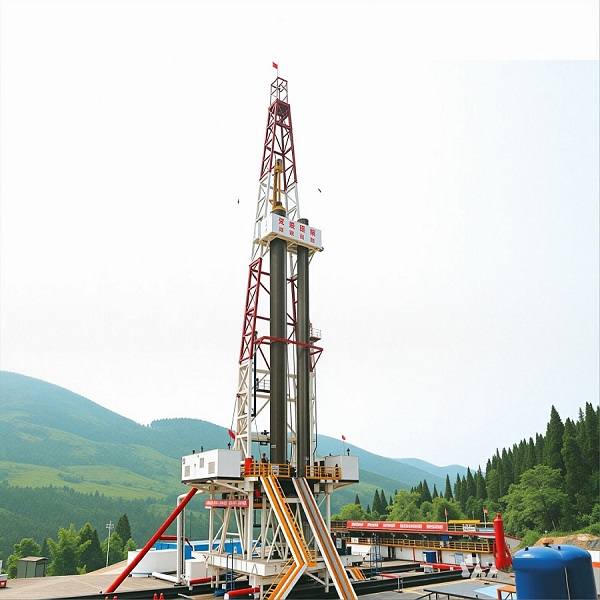
Technical Specifications – Modular Drilling Rig Family
Standard Modules (Common Across All Depth Ratings)
| Module Type | Dimensions (L×W×H) | Weight (approx.) | Interface Standard |
|---|---|---|---|
| Drawworks module | 6.5 × 2.8 × 3.2 m | 25‑35 t | ISO pin grid 1,200 × 1,200 mm |
| Mast section (each) | 12.0 × 2.5 × 2.5 m | 8‑12 t | Stacking pins, end‑to‑end |
| Substructure module | 12.0 × 2.8 × 2.8 m | 15‑25 t | Corner casting + side lugs |
| Power module (gen‑set) | 6.0 × 2.5 × 2.8 m | 15‑20 t | Integrated quick‑connect busway |
| Mud pump module | 7.0 × 2.5 × 2.8 m | 20‑28 t | Suction/discharge hammer unions |
| Driller's cabin module | 4.5 × 2.5 × 2.8 m | 8‑10 t | Plug‑and‑play control bus |
| BOP control module | 3.0 × 2.5 × 2.8 m | 5‑7 t | Hydraulic quick‑couple manifold |
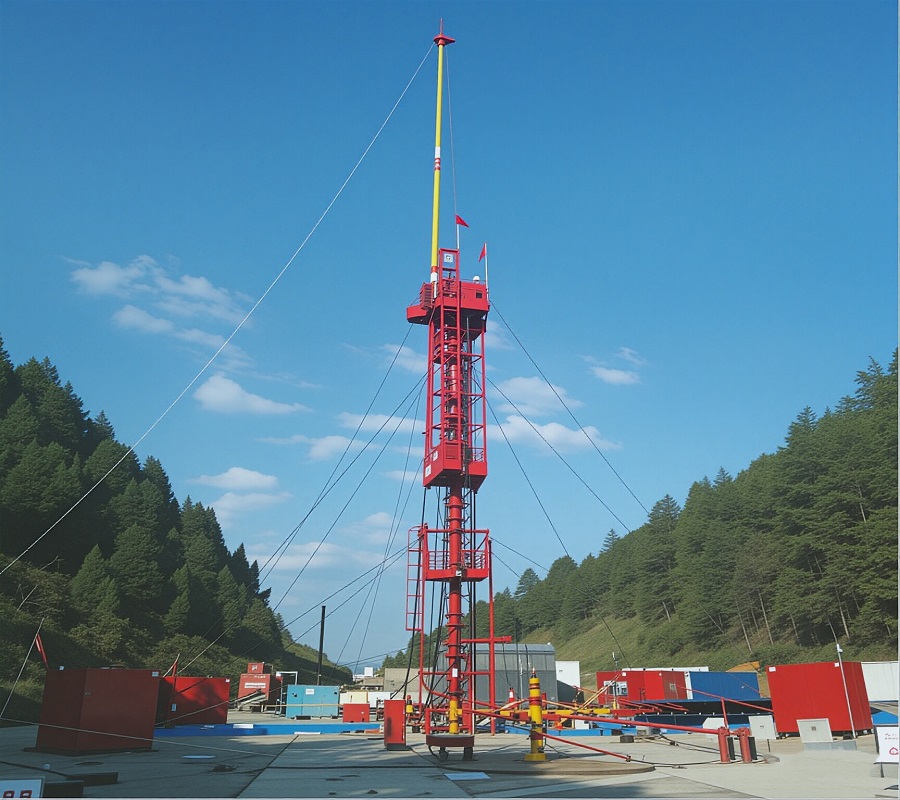
Rig Configurations (Module Counts)
| Rig Model | Depth | Hook Load | Drawworks HP | Number of Modules | Rig‑Up Time (days) |
|---|---|---|---|---|---|
| ZJ40‑M | 4,000 m | 2,250 kN | 1,000 HP | 12‑14 | 7‑10 |
| ZJ50‑M | 5,000 m | 3,150 kN | 1,500 HP | 14‑16 | 8‑12 |
| ZJ70‑M | 7,000 m | 4,500 kN | 2,000 HP | 16‑18 | 10‑14 |
| ZJ90‑M | 9,000 m | 6,750 kN | 3,000 HP | 18‑22 | 12‑16 |
Product Types – Modular System Configurations
| Configuration | Depth Range | Best For | Key Feature |
|---|---|---|---|
| ZJ40‑M (4,000 m) | 3,000‑4,000 m | Standard development wells, medium‑depth campaigns | Most cost‑effective entry to modular fleet |
| ZJ50‑M (5,000 m) | 4,000‑5,000 m | Deep gas, international export, most popular modular size | Optimal balance of capacity and module count |
| ZJ70‑M (7,000 m) | 5,000‑7,000 m | HPHT deep wells, shale gas pads, Arctic development | Includes walking system option |
| ZJ90‑M (9,000 m) | 7,000‑9,000 m | Ultra‑deep exploration, frontier basins | High‑capacity modules, upgraded hoisting system |
| Walking Modular Rig | 4,000‑7,000 m | Cluster pad drilling (10‑30 wells per pad) | Integrated hydraulic walking system – moves assembled rig between wellheads in hours |
| Arctic Modular Rig | 4,000‑7,000 m | Siberia, Yamal, Canada North | Low‑temp module variants, GOST certified, heated enclosures |
| Offshore Modular Rig | 4,000‑9,000 m | Jackup platforms, fixed platforms, FPSO | Marine coatings, ABS/DNV, ATEX electricals |
Module swap options:
-
Quick‑swap drawworks: replace a 1,500 HP module with 2,000 HP module in 8 hours.
-
Add‑on mud pump module: increase circulating capacity by adding a third pump module.
-
Top drive upgrade: replace standard top drive module with higher‑capacity unit.
-
Automation upgrade: swap standard driller's cabin module with automated version (auto driller, soft torque, remote monitoring).
Applications – Where Modular Design Delivers the Greatest Value
| Application | Why Modular Design | Measurable Benefit |
|---|---|---|
| Multi‑rig contractor with fleet of 5‑20 rigs | Standardized modules across fleet reduce spare parts inventory, simplify maintenance, and enable cross‑rig crew training. | 30‑40% reduction in spare parts holding cost; 20% faster troubleshooting. |
| Remote / international campaigns | Modules ship in standard ISO containers; no special handling. Rapid rig‑up minimizes exposure to remote logistics delays. | Reduce mobilization time by 2‑3 weeks per campaign. |
| Shale / tight oil pad drilling | Walking modular rig moves between wells without dismantling. Modules stay connected; entire rig walks. | Inter‑well move time: 24‑48 hours vs. 2‑3 weeks for conventional teardown. |
| Arctic / permafrost drilling | Modules designed for -45°C operation with heated enclosures. Pin connections eliminate field welding in extreme cold. | Year‑round drilling capability; no winter shutdown. |
| Deep HPHT gas exploration | Rig can be upgraded from 5,000 m to 7,000 m capacity by swapping drawworks and adding mud pump modules – no need to buy an entirely new rig. | Lower capital commitment for frontier exploration. |
| Offshore platform infill drilling | Modules sized to fit through platform hatches; assembled inside platform deck. Walking system moves rig between slots. | Adds drilling capacity to existing platforms without major modification. |
Why Choose SJ Petro for Your Modular Oil Drilling Rigs?
1. We Build True Modular Systems – Not Ad Hoc Skid Units
Many suppliers call their rigs "modular” because they are shipped in pieces. True modularity requires standardized interfaces, fleet‑wide interchangeability, and pre‑engineered upgrade paths. SJ Petro's modular drilling rigs are designed from the ground up with these principles. The same drawworks module that ships with a ZJ50 can be used as a spare for a ZJ70. The same substructure pins fit every rig in the family.
2. Fleet‑Proven by Sinopec – The World's Largest Modular Rig Operator
Sinopec Group operates one of the largest fleets of modular drilling rigs globally, with hundreds of units deployed across China's most challenging basins. SJ Petro (as part of Sinopec Oilfield Equipment Corporation) has supplied modular rigs for:
-
Kuwait Oil Company – 6 × 9,000 m modular ultra‑deep rigs.
-
Rosneft (Russia) – 11 × modular low‑temperature rigs.
-
US shale operators – 75+ BE series modular fast‑move rigs.
3. API‑Certified Quality – No Exceptions
All modular drilling rigs are designed and manufactured to API 4F (masts & substructures), API 7K (drawworks), API 8C (top drives) and API Q1 (quality management). Full documentation includes material traceability, weld maps, NDT reports and pressure test certificates.
4. Backed by Sinopec – Financial Strength & Global Service
SJ Petro is a wholly‑owned subsidiary of Sinopec Oilfield Equipment Corporation, part of the Fortune Global 500 Sinopec Group. This provides:
-
Financial stability – warranty and long‑term support guaranteed.
-
Global logistics – we can ship modular rigs to any port or airstrip.
-
Service network – regional parts hubs in Dubai, Houston and Singapore, plus 24/7 remote diagnostics.
5. Modular Upgrade Path – Protect Your Capital Investment
When you buy a modular rig from SJ Petro, you are not locked into a single depth rating. Upgrade from 4,000 m to 5,000 m by swapping the drawworks module. Add a walking system later. Install an automated driller's cabin module without modifying the rest of the rig. Your initial investment is not obsolete when your drilling program changes – it evolves.
6. Rapid Delivery – Modules Are Stocked, Not Built from Scratch
Because modules are standardized, we maintain a buffer stock of common modules (drawworks, power, substructure sections). Lead time for a complete modular rig is typically 4‑6 months – significantly faster than custom‑built rigs requiring 9‑12 months.
7. Flexible Commercial Models
-
Outright purchase – standard 30/40/30 payment terms.
-
Operating lease – 12‑60 months, maintenance included.
-
Module‑as‑a‑Service – pay only for modules you deploy; return unused modules.
-
Fleet swap program – trade in older modules for upgraded ones with credit.
FAQ – Modular Oil Drilling Rig
Q1: What makes a drilling rig "modular” versus just "skid‑mounted”?
A: A skid‑mounted rig is simply a conventional rig broken into smaller pieces for transport. A modular rig is designed with standardized, interchangeable interfaces across all modules – the same drawworks module can fit multiple mast designs, the same substructure pins accept any module in the family. Modules can be swapped, upgraded or replaced without modifying the rest of the rig. True modularity also includes common control protocols and utility connections, enabling plug‑and‑play assembly.
Q2: How many modules does a typical modular rig have?
A: A ZJ50‑M modular rig (5,000 m depth) uses 14‑16 modules including: drawworks module, mast sections (3‑4), substructure modules (4‑6), power modules (2‑3), mud pump modules (2), driller's cabin module, BOP control module and auxiliary modules. Larger rigs (ZJ70‑M, ZJ90‑M) use 16‑22 modules. This is still far fewer than the 30‑50 loose skid units of a conventional rig.
Q3: Can I mix modules from different depth ratings (e.g., use a ZJ70 drawworks with a ZJ50 mast)?
A: Within the same modular family, yes – with some limitations. The mast and substructure must be rated for the hook load of the drawworks. A ZJ70 drawworks (4,500 kN) requires a mast and substructure rated for at least that load. If your ZJ50 mast is rated for only 3,150 kN, you cannot simply bolt on a heavier drawworks. However, the modular design allows you to upgrade the mast and substructure modules as well. Contact our engineers for compatibility guidance.
Q4: How long does it take to rig up a modular rig for the first time?
A: For a new modular rig with a crew trained on the system, typical rig‑up time is 10‑14 days for a ZJ50‑M (first assembly). Subsequent moves (rig‑down at one site, rig‑up at the next) take 7‑10 days because the modules are already configured. With practice, some contractors have achieved 5‑day rig‑up for ZJ40‑M class rigs.
Q5: Do I need a crane to assemble the modules?
A: Yes – unlike BE series fast‑installation rigs that are crane‑free, standard modular rigs require a crane to lift modules from transport trucks onto prepared foundations. However, because modules are large (up to 35 tonnes), only one lift per module is required – far fewer lifts than conventional rigs that may require 2‑3 lifts per component. For locations without crane access, we offer the BE series (crane‑free) or containerized rigs (heli‑transportable).
Q6: Can I add a walking system to an existing modular rig?
A: Yes. The substructure modules are designed to accept bolt‑on walking beams and hydraulic cylinders. A walking system can be retrofitted in the field in 2‑3 weeks. Once installed, the walking system allows the entire assembled rig to move between wellheads without dismantling.
Q7: What is the typical spare parts inventory required for a modular rig fleet?
A: Because modules are standardized across depth ratings, the spare parts holding for a fleet of 5 modular rigs is typically 30‑40% lower than for a fleet of 5 conventional custom rigs. Common spares include: drawworks brake pads, mud pump valves and seats, hydraulic hoses, electrical sensors, and control PLC modules. We provide a recommended spares list for each modular family.
Q8: How do I get a firm quote for a modular drilling rig?
A: Contact our modular rig sales team with:
-
Target depth and hook load requirement.
-
Number of rigs in your planned fleet.
-
Operating environment (desert, arctic, offshore, etc.).
-
Desired mobility (walking, skidding, or conventional).
-
Any existing modular rigs in your fleet for compatibility.
We will respond with a custom modular rig proposal including module count, technical specifications, spare parts recommendations, delivery schedule and price – within 10 working days.







