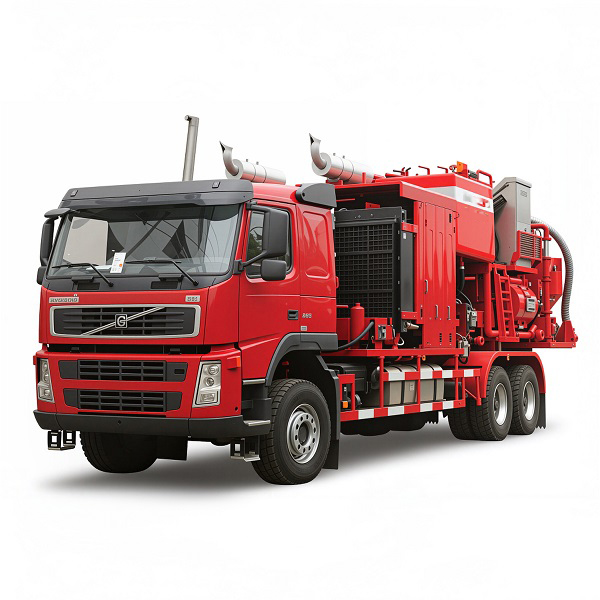
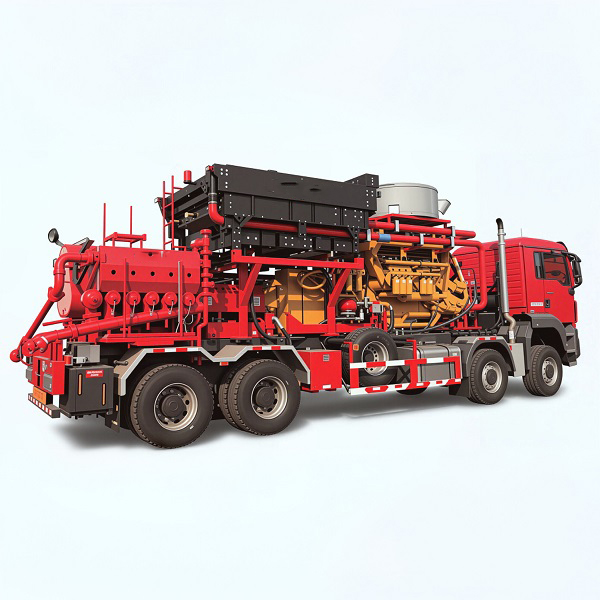
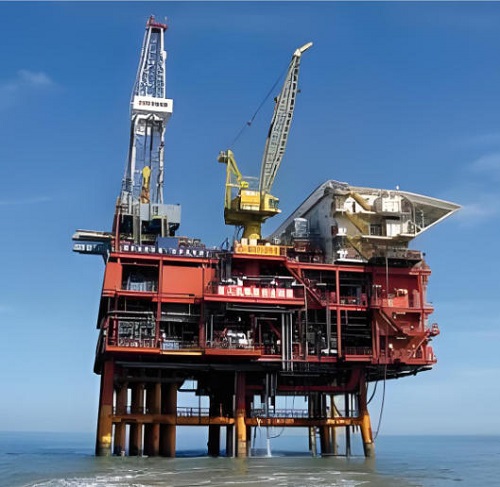
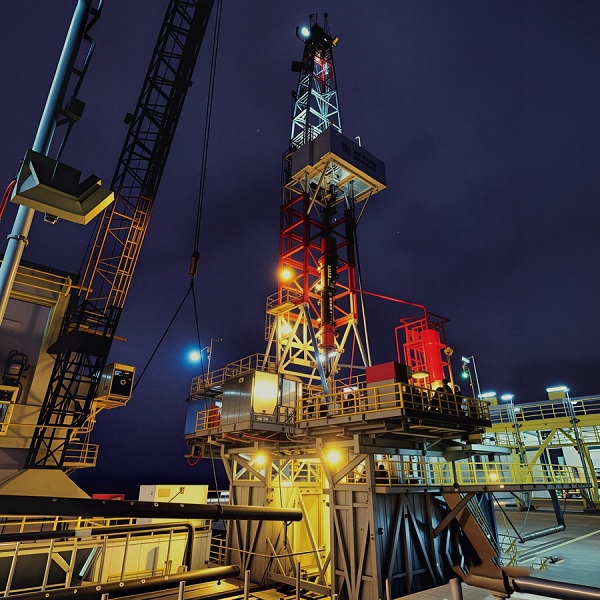
Heavy duty cementing truck
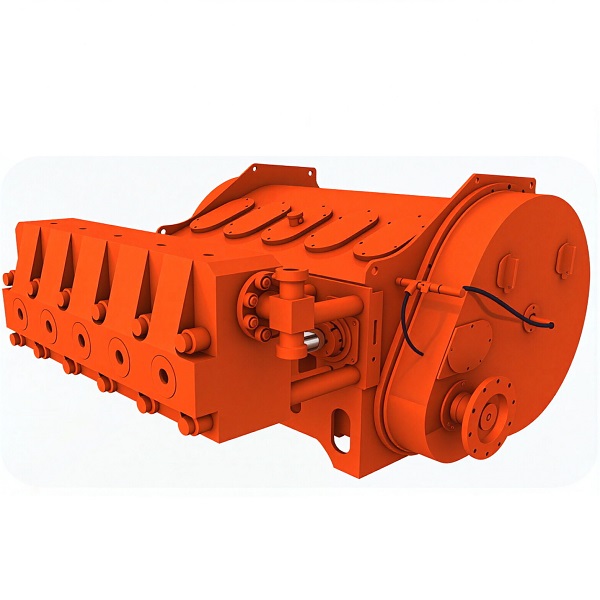
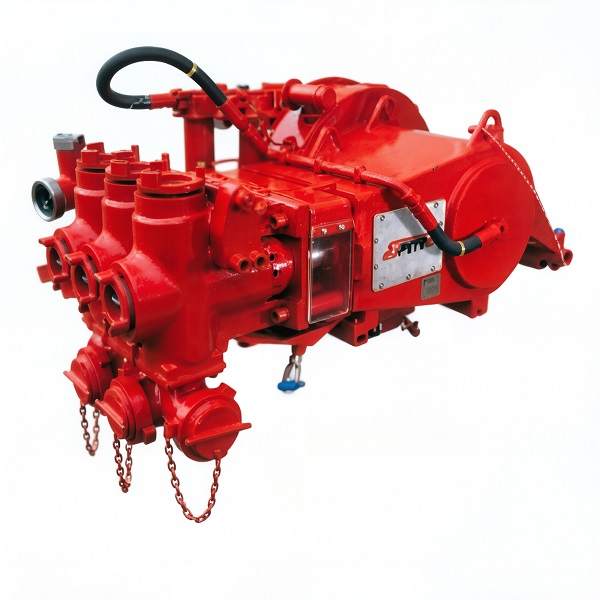
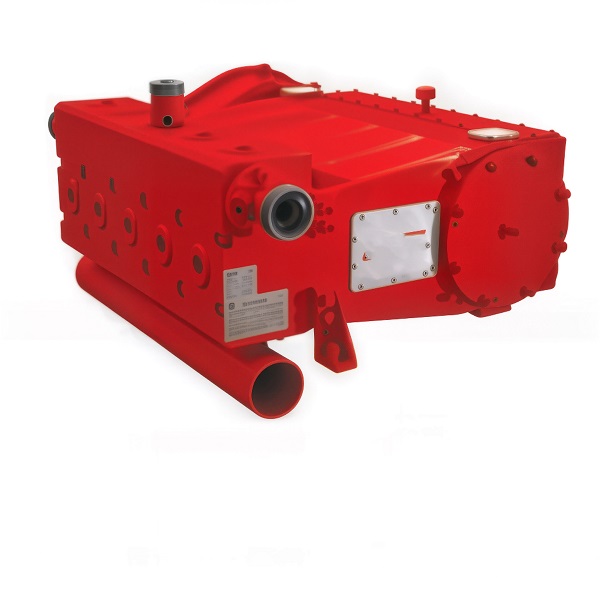
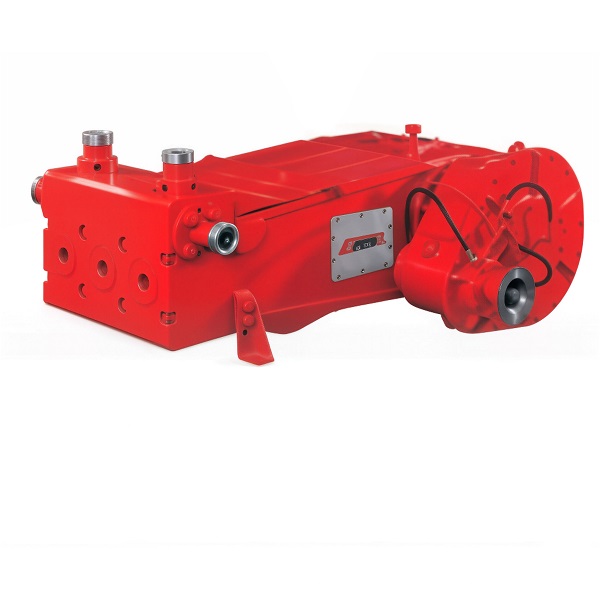
Technical Specifications – Heavy Duty Cementing Truck
The table below shows specifications for two representative models. Custom configurations available.
| Parameter | SJ‑HCT‑1500 | SJ‑HCT‑2000 |
|---|---|---|
| Total horsepower | 1,500 HP (twin CAT C15) | 2,000 HP (twin CAT C32) |
| Pump type | Triplex, 5″ plungers | Quintuplex, 4‑1/2″ plungers |
| Max working pressure | 15,000 psi (103.5 MPa) | 20,000 psi (138 MPa) |
| Max pumping rate | 800 GPM (3.0 m³/min) | 1,500 GPM (5.7 m³/min) |
| ACM mixing rate | 0.5 – 3.0 m³/min | 0.5 – 4.0 m³/min |
| Density accuracy | ±0.02 g/cm³ | ±0.02 g/cm³ |
| Chassis drive | 8×8 | 10×8 |
| Chassis engine | CAT C18 (700 HP) | CAT C32 (1,000 HP) |
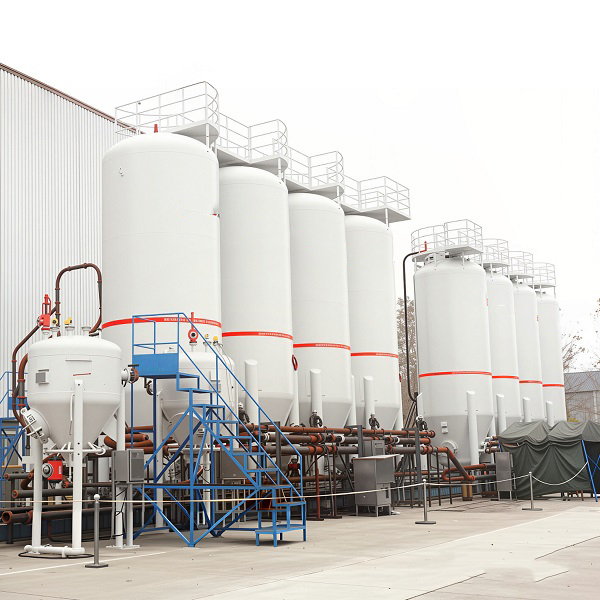
| Onboard cement bulk | 15 m³ | 18 m³ |
| Onboard mix water | 10 m³ | 12 m³ |
| Liquid additive pumps | 4 | 6 |
| Overall length | 14.5 m | 16.5 m |
| Width | 2.8 m | 3.0 m |
| Height (travel) | 4.2 m | 4.2 m |
| Gross vehicle weight | 48,000 kg | 55,000 kg |
| Rig‑up time (first well) | 45‑60 minutes | 60‑90 minutes |
| Certifications | API 7K, NACE, ATEX (opt) | API 7K, NACE, ATEX (opt) |
| Lead time (FOB China) | 8‑10 months | 10‑12 months |
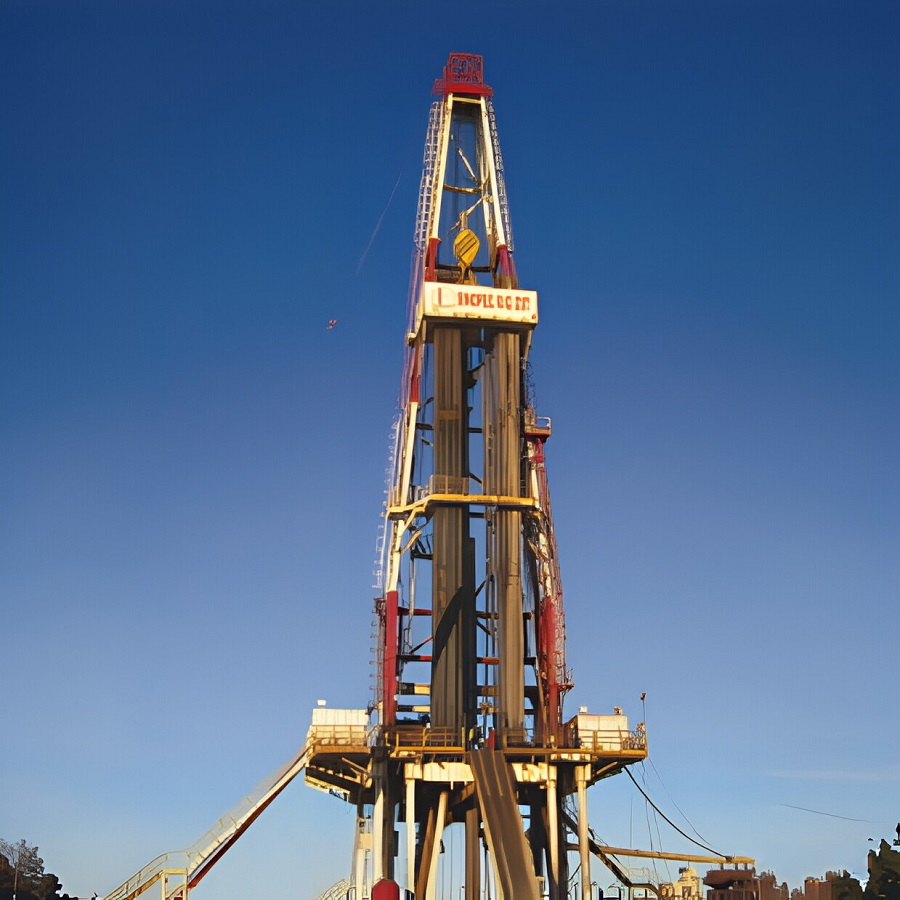
Applications – Where Heavy Duty Cementing Trucks Excel
| Application | Why Heavy Duty Truck |
|---|---|
| Deep HPHT gas wells (6,000‑8,000 m) | 20,000 psi pumping, high‑density slurries, long cementing durations |
| Ultra‑deep exploration (>8,000 m) | Extreme hook load equivalent – large volume, high pressure |
| Large diameter casing (16‑20″) | High rate (1,000+ GPM) for turbulent flow, heavy casings |
| Desert remote wells (Middle East, Africa) | 55°C operation, self‑contained (no external support), sand‑proof |
| Arctic permafrost wells (Russia, Canada) | -40°C operation, heated everything, insulated tanks |
| Multi‑well batch cementing (shale pads) | Fast move between wells, consistent mixing, data logging for QA |
| Remedial / squeeze cementing (deep wells) | Precision low‑rate control (20‑50 GPM) at high pressure |
| Offshore platform (standalone) | Deck‑mobilized from supply vessel, self‑propelled on platform |
Product Types – Heavy Duty Cementing Truck Configurations
| Configuration | Chassis | Engine | Pump | Best For |
|---|---|---|---|---|
| SJ‑HCT‑1500 | 8×8, 40t | Twin CAT C15 | Triplex 5″ | Deep land wells, desert |
| SJ‑HCT‑2000 | 10×8, 55t | Twin CAT C32 | Quintuplex 4‑1/2″ | Ultra‑deep, HPHT, arctic |
| SJ‑HCT‑C | Trailer‑pulled | Twin CAT C32 | Quintuplex | Extreme weight (off‑road) |
| SJ‑HCT‑R (retrofit) | Customer chassis | As specified | Add‑on pump/ACM | Upgrade existing truck |
Why Choose SJ Petro for Heavy Duty Cementing Trucks?
1. Proven in Extreme Wells – Our heavy duty cementing trucks have pumped slurries at 18,000+ psi for wells deeper than 8,000 meters. We know what breaks – and have fixed it.
2. True Twin Engine Redundancy – Not a "primary + pony” engine. Two full‑power CAT C32 engines. If one fails, the other can still pump 10 bpm at 15,000 psi – enough to finish most jobs.
3. Field‑Validated ACM Accuracy – Our mixing system maintains ±0.02 g/cm³ density even at 4.0 m³/min. Independent lab tests confirm.
4. Built for the Harshest Environments – Tested at -45°C in Inner Mongolia and 55°C in the Middle East. Sand, dust, snow, freezing rain – the truck keeps working.
5. One‑Hour Setup – From driving onto location to pumping cement: less than 60 minutes for an experienced crew. No external crane or forklift needed.
6. Global Spares Network – CAT engine parts available worldwide (Caterpillar dealer network). Our proprietary pump valves and packing stocked in Houston, Dubai, Singapore.
7. Full Training & Support – 2‑week on‑site training for operators and mechanics. Remote diagnostics via 4G/5G. 24/7 hotline.
8. Sinopec Engineering Backing – Designed and tested by the same engineers who build Sinopec’s own heavy duty cementing fleet. Not a "new” design – a mature, field‑proven platform.
Frequently Asked Questions (FAQ)
Q1: What is the difference between this heavy duty cementing truck and a standard cementing truck?
Standard trucks typically have 400‑600 HP, 15,000 psi, and single engine. Our heavy duty trucks have 1,500‑2,000 HP, 20,000 psi, and twin engines. They are designed for continuous high‑pressure pumping on wells deeper than 6,000 meters.
Q2: Can the truck pump high‑density slurry (e.g., 22 ppg)?
Yes – our ACM system is calibrated for slurry densities up to 2.8 g/cm³ (23.4 ppg). The pump fluid end is reinforced for abrasive heavyweight slurries.
Q3: How does the twin engine system work?
Both engines drive a common splitter gearbox connected to the main pump. The control system balances load automatically. If one engine fails, the other can drive the pump at reduced speed – enough to complete the job or safely pull out of hole.
Q4: What is the maximum pumping rate?
Our SJ‑HCT‑2000 pumps up to 1,500 GPM (5.7 m³/min) at lower pressures, and up to 20,000 psi at 500 GPM depending on plunger size. Rate and pressure are inversely related – the curve is provided with each truck.
Q5: Can the truck operate in extreme cold without shelter?
Yes – the arctic package includes heated engine enclosures (thermostatically controlled), battery warmers, insulated fluid lines, low‑temperature hydraulic oil, and a heated water tank. It has been tested at -45°C ambient.
Q6: What certifications do you provide for offshore or sour gas use?
We can supply ABS, DNV, or CCS classification for offshore. For sour gas, we provide NACE MR0175 certified wetted parts (fluid end, valves, seals, and discharge manifold). ATEX/IECEx Zone II optional.
Q7: How many people are needed to operate the heavy duty cementing truck?
Typically 2‑3: a chief operator (runs the ACM and pump), a helper (handles bulk cement and hoses), and a supervisor. With full automation, 1‑2 operators can handle it.
Q8: What is the typical fuel consumption at full load?
Twin CAT C32 engines at 90% load consume approximately 50‑60 gallons per hour (190‑230 L/h) combined. At idle or low load, consumption is much lower.
Q9: Do you provide training for the ACM and high‑pressure pump?
Yes – 2 weeks on‑site training covers: ACM calibration, density control, pump packing replacement, valve servicing, emergency shutdown procedures, and data logging. Simulator available.
Q10: How long does it take to change the pump plungers/liners?
Our quick‑change system allows a trained mechanic to change all three liners on a triplex in under 30 minutes. The quintuplex takes about 45 minutes.
Q11: What is the warranty on the heavy duty cementing truck?
12 months from commissioning or 18 months from shipment (whichever first). The CAT engines have separate warranty from Caterpillar (typically 24 months or 2,000 hours).
Q12: How do I get a quote for a heavy duty cementing truck?
Provide: maximum well depth, expected casing size, desired pumping rate (GPM or m³/min), maximum slurry density (ppg or g/cm³), and ambient temperature range. Our engineers will recommend the optimal model and provide a fixed price within 7 business days.