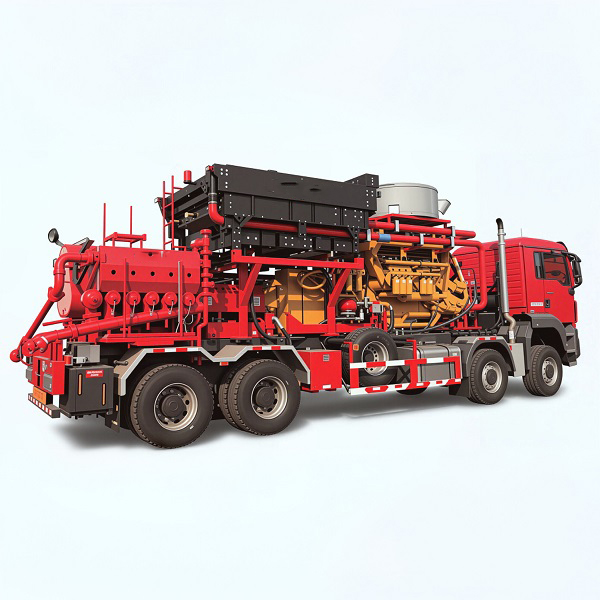
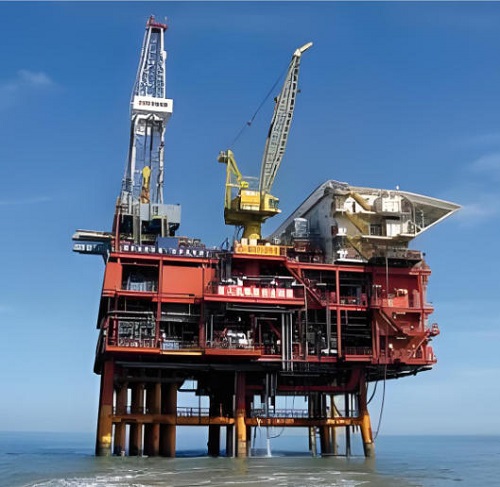
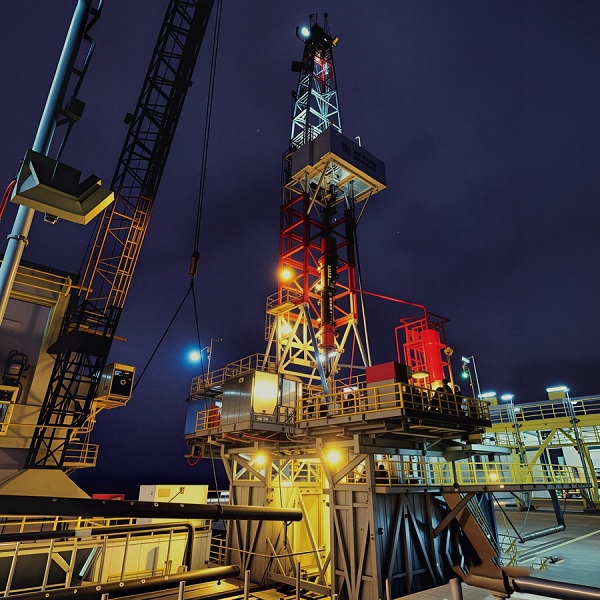
Cold resistant drilling rig
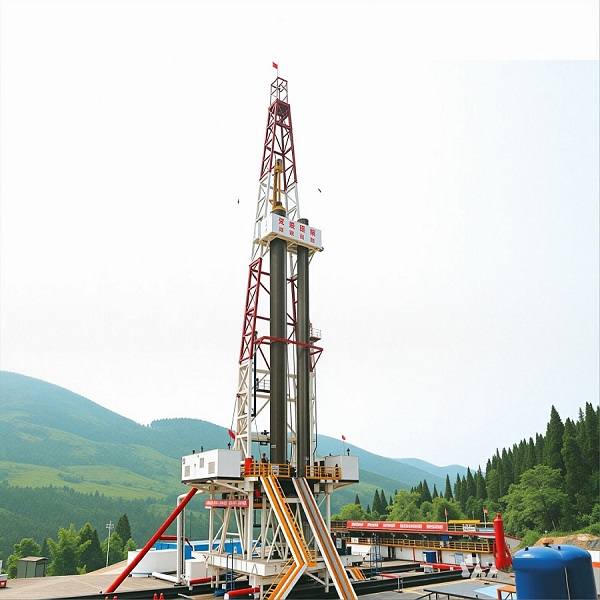
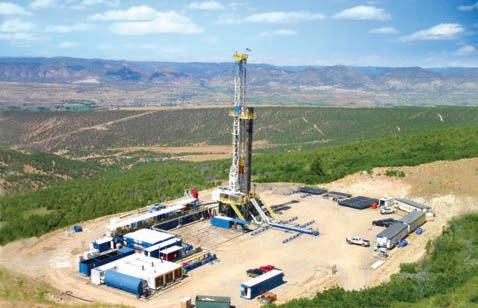
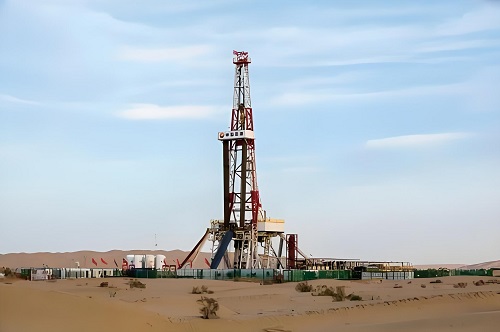
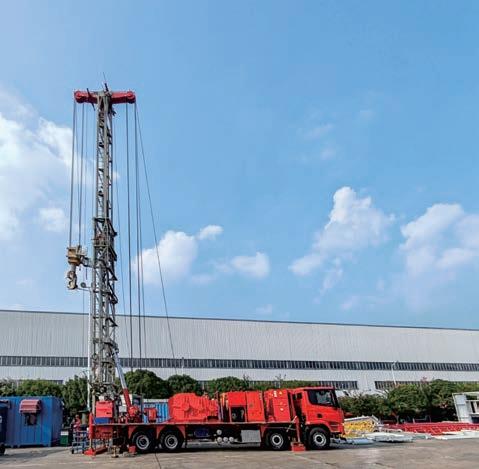
Technical Specifications
ZJ Series Cold Resistant Drilling Rigs (Representative Models)
| Model | Nominal Depth (m) | Hook Load (kN) | Drawworks Power | Drive Type | Operating Temp | Storage Temp |
|---|---|---|---|---|---|---|
| ZJ30‑CR | 3,000 | 1,700 | 800 HP | VFD / Mech | -45°C to +45°C | -60°C to +45°C |
| ZJ40‑CR | 4,000 | 2,250 | 1,000 HP | VFD | -45°C to +40°C | -60°C to +40°C |
| ZJ50‑CR | 5,000 | 3,150 | 1,600 HP | VFD | -45°C to +45°C | -60°C to +45°C |
| ZJ70‑CR | 7,000 | 4,500 | 2,200 HP | VFD | -45°C to +45°C | -60°C to +45°C |
| ZJ90‑CR | 9,000 | 6,750 | 3,200 HP | VFD | -45°C to +45°C | -60°C to +45°C |
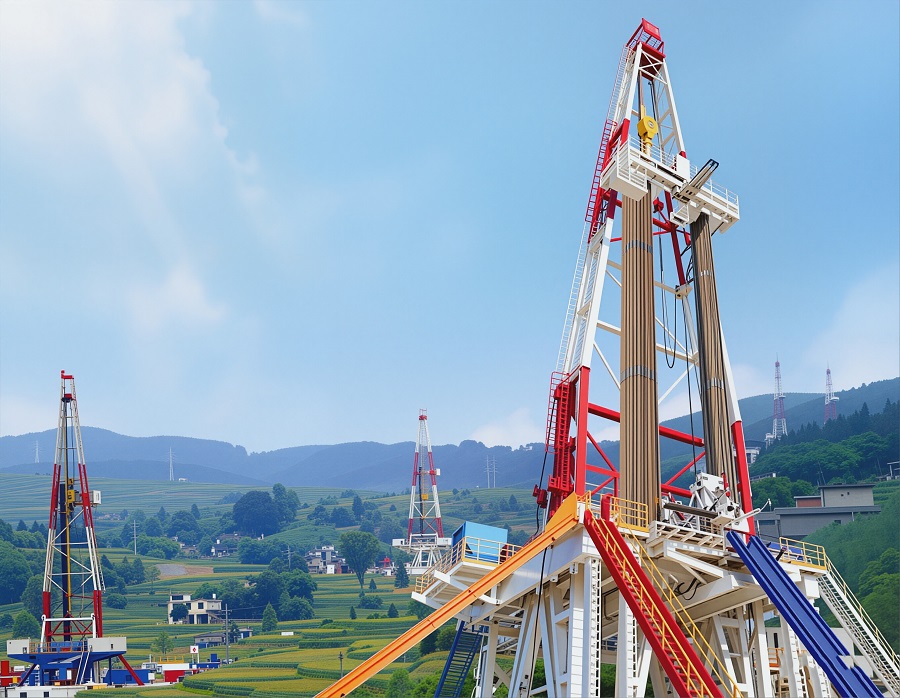
Cold Climate Specific Specifications
| Parameter | Specification |
|---|---|
| Steel grade (structural) | Low‑temperature alloy, Charpy impact tested at -60°C |
| Welding process qualification | At -45°C ambient, low‑hydrogen electrodes, pre‑heat as per WPS |
| Seal material | Silicone / FKM (rated -55°C) |
| Hydraulic fluid | Synthetic ISO VG 32, pour point below -55°C |
| Engine oil | 0W‑40 or 5W‑30 synthetic |
| Engine block heater | 120V / 1500W immersion (each bank) |
| Battery rating | 1000+ CCA, heated enclosure |
| Heating method (main zones) | Steam / electric / air combination with redundant circuits |
| Insulation shelter | Double panel, wind‑rated 100 km/h, erected in ≤48 hours |
| Electrical cable rating | -50°C flexible impact‑resistant |
| Control system | Heated and dehumidified enclosure, PLC rated -40°C |
| Certifications | API 4F, 7K, 8C; GOST 12.2.141-99; ПБ 08-624-03 |
| Design code | ISO/TS 35105 (brittle fracture prevention) |
Cold Resistant Configurations & Mobility Types
| Configuration | Depth Range | Mobility | Key Cold‑Climate Features |
|---|---|---|---|
| Pawl Slide‑Rail Polar Rig | 3,000 – 7,000 m | Ratchet slide‑rail | Double‑track layout, main track X‑Y movement for cluster wells, insulation shed modular integrated design that moves with rig |
| Train‑Type (Rail‑Mounted) Rig | 4,000 – 5,000 m | Hydraulic rail push | Low‑temperature resistant high‑strength rail materials, components on heavy rail, suitable for -45°C cluster operations |
| Modular Block‑Container Rig | 4,000 – 7,000 m | Truck / crane transport | Two‑echelon block arrangement, all heating & insulation pre‑installed, rapid field assembly |
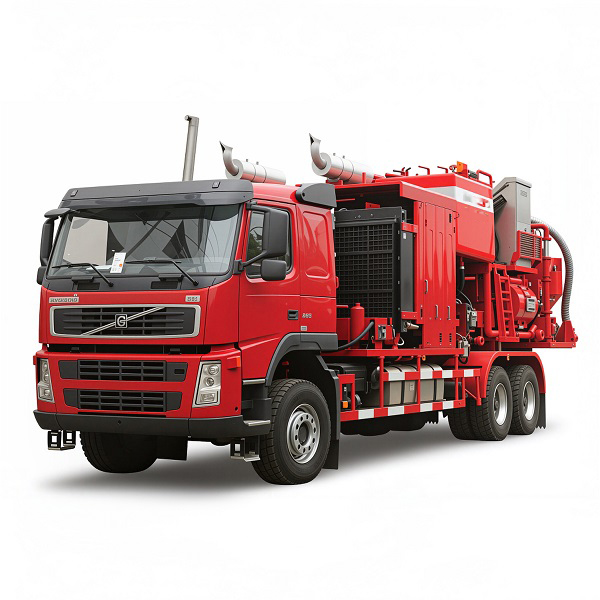
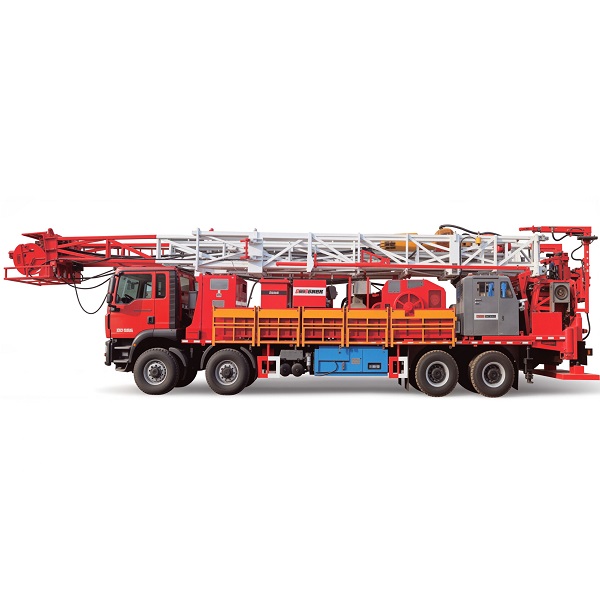
| Truck‑Mounted Cold Resistant | 2,000 – 4,000 m | Self‑propelled chassis | -45°C operation, low‑temperature bearing & sealing materials, multiple wind/insulation measures |
| Arctic Walking Rig | 4,000 – 7,000 m | Hydraulic walking system | Enclosed heated walking cylinders, low‑temperature hydraulic fluid, thermal insulation on all hoses |
Applications – Where Cold Resistant Drilling Rigs Are Essential
| Region / Project | Typical Winter Temperature | Why Our Rig is Required |
|---|---|---|
| Yamal Peninsula, Russia | -45°C to -52°C | Large‑scale gas development with year‑round drilling requirements; standard rigs fail in winter |
| Siberian Oilfields (West & East Siberia) | -40°C to -55°C | Conventional rigs cannot handle winter months; heated substructures, cold‑start engines, and low‑temp steel mandatory |
| Barents Sea Offshore | down to -58°C topsides | Platform must remain operational; marine low‑temp steel, heated BOP and control systems, GOST compliance |
| Northern Canada / Mackenzie Delta | -40°C to -50°C | Remote access, short drilling season — fast rig‑up and reliable cold start critical |
| Kazakhstan North (Tengiz, Kashagan area) | -40°C winter peaks | API -20°C insufficient; our ZJ50‑CR series specifically designed for Kazakhstan requirements |
| Alaska North Slope | -40°C to -55°C | Tundra drilling windows require equipment that works immediately at extreme low temperatures |
| Cluster Well Pads in Permafrost Zones | -30°C to -45°C | Our slide‑rail and walking rigs move between pads without disassembly, reducing exposed rig move time by 70% |
Why Choose SJ Petro for Your Cold Resistant Drilling Rig?
1. Purpose‑Engineered for the Arctic – Not Just a Winterization Kit
Many suppliers offer "winterization” as an add‑on: bolt on some insulation, add a few heaters, and call it a cold weather rig. But when the temperature drops to -50°C, those add‑ons fail because the foundation wasn’t designed for cold. Our cold resistant drilling rigs are engineered from the ground up — material selection, weld procedures, bearing clearances, seal compounds, hydraulic circuit design, electrical component ratings — everything is specified for the low‑temperature envelope.
2. GOST & API Certified – Ready for Russian and CIS Markets
Russia and the CIS countries have among the strictest cold‑weather drilling regulations. Our rigs comply with GOST 12.2.141-99 and ПБ 08-624-03 (Russian industrial safety requirements for petroleum and natural gas operations). API SPEC 4F may only require -20°C, but we certify our rigs to meet local operating codes at -45°C continuous use — fully documented for regulatory approval.
3. Field‑Proven in the Toughest Winter Locations
SJ Petro is a subsidiary of Sinopec Oilfield Equipment Corporation, with drilling equipment operating across China's coldest basins. Our cold resistant technology has been deployed in partnership with Russian operators and has accumulated thousands of operating hours at -45°C and below. We understand the real‑world challenges — ice buildup on ladders, seals that leak at -30°C, engines that refuse to crank — and we have engineered solutions into every system.
4. Fast Deployment When the Winter Window Is Short
Arctic drilling windows are measured in weeks, not months. Our modular block‑container design, pre‑integrated shelters, and pinned structural connections mean your cold resistant drilling rig can be fully operational within two weeks of arrival at the wellsite. Every hour saved in rig‑up is an hour of production gained.
5. Redundant Heating and Power – No Single Point of Freeze Failure
Our heating systems are designed with redundancy: if one electric heater fails, a steam coil takes over; if one heat trace circuit fails, a second adjacent circuit maintains line temperature. The control system continuously monitors critical temperatures and alerts the operator to any degradation — no surprises at 4 AM in a blizzard.
6. Full Documentation for Arctic Permitting
We provide a comprehensive cold‑weather compliance package with every rig:
-
Material certificates with low‑temperature impact test results
-
Weld procedure qualification records (WPQR) for -45°C
-
Hydraulic fluid low‑temperature viscosity and pour point data
-
Engine cold‑start test reports (documented at -45°C)
-
Insulation and heating system design calculations
-
GOST / API compliance certificates
Your local regulatory authority will have the documentation they require.
7. Lifetime Support – Even at the End of the World
We don't disappear after delivery. Our cold‑weather support includes:
-
24/7 remote diagnostics with engineers familiar with arctic operations
-
Spare parts hubs strategically located for expedited delivery to remote northern sites
-
On‑site commissioning and training included
-
Extended warranty available for arctic deployments
FAQ – Cold Resistant Drilling Rig
Q1: What is the lowest temperature your cold resistant drilling rig can operate at?
A: Standard rating: -45°C (-49°F) continuous operation. Storage rating: -60°C (-76°F) for up to 30 days. For extreme arctic applications requiring operation below -45°C (e.g., -50°C or -55°C), we offer a High‑Arctic package with enhanced steel grades, additional heating capacity, and specialized seals — validated at -60°C operational by prior project requirements. Please contact us with your specific temperature requirement and project location.
Q2: How does your cold resistant drilling rig differ from a standard rig with a "winterization package” added on site?
A: Fundamental materials and components. A winterized standard rig still uses structural steel that becomes brittle at -45°C, standard seals that leak, standard hydraulic oil that gels, and standard cables that crack. Our cold resistant rig starts with low‑temperature certified steel, specialized cold‑climate bearings and seals, low‑pour hydraulic fluid with heated tanks, ‑50°C electrical cables, and an integrated redundant heating system — the differences run through every subsystem, not just added insulation.
Q3: Does your rig comply with GOST requirements for operation in Russia?
A: Yes. Our cold resistant drilling rigs are designed and certified to meet GOST 12.2.141-99 and ПБ 08-624-03, the Russian industrial safety requirements for petroleum and natural gas operations. We have delivered rigs that have successfully passed Russian certification for operation in the Yamal Peninsula and Siberian regions.
Q4: How long does it take to assemble the insulation shelter and heating system on site?
A: Less than two working days. The modular shelter panels and heating equipment are pre‑assembled and tested at our factory. At the wellsite, the crew unfolds or pins the panels together, connects utilities to pre‑installed manifolds, and starts the heating system. Our crews have performed this in -35°C conditions — it's designed for cold‑weather installation.
Q5: Can your cold resistant rig move between well pads (cluster drilling) without dismantling the insulation?
A: Yes. For slide‑rail and walking configurations, the insulation shelters are integrated into the moving substructure and travel with the rig. The hydraulic walking system is enclosed and heated, and all hoses are heat‑traced. There is no need to dismantle the shelters between wells — the entire rig including enclosures walks to the next wellhead in hours.
Q6: What happens if the main heater fails?
A: Redundancy is built in. Each critical zone has at least two independent heating methods — for example, electric heaters plus steam coils, or dual electric heater circuits on separate power feeds. The control system actively monitors zone temperatures and automatically switches to the backup heater if the primary fails. If both fail, the system sends an alarm to the operator before temperatures drop below minimums — giving you hours, not minutes, to respond.
Q7: How do you test that the rig actually works at -45°C?
A: We conduct factory acceptance tests (FAT) in a climate chamber or outdoor winter conditions for critical subsystems: engine cold‑start, hydraulic function at low temperature, electrical system operation, and seal integrity. For complete rig cold testing, we have validated our designs using data from field deployments in actual -45°C environments. We can also arrange third‑party witnessing of cold tests if your project requires it.
Q8: What is the typical lead time for a cold resistant drilling rig?
A: 6‑9 months from order to delivery for a standard cold resistant rig (ZJ40‑CR to ZJ70‑CR). This includes engineering validation, material procurement (special low‑temperature steel), fabrication with cold‑qualified welding, full assembly and testing, and export packing. Expedited delivery is possible for smaller rigs or existing designs — contact us for current lead times.