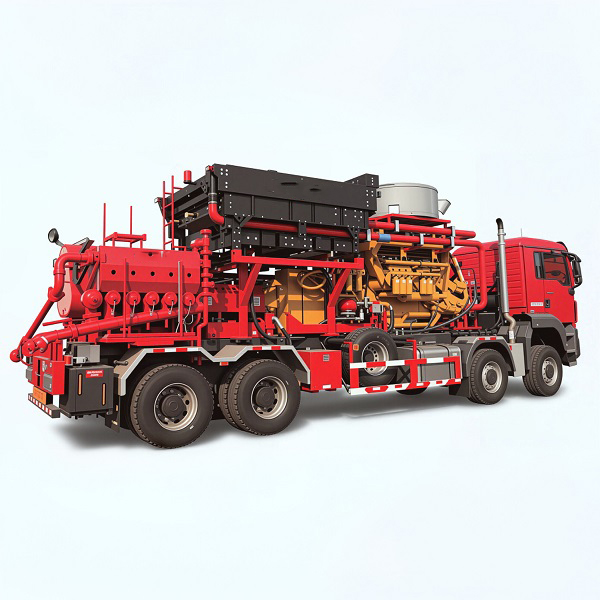
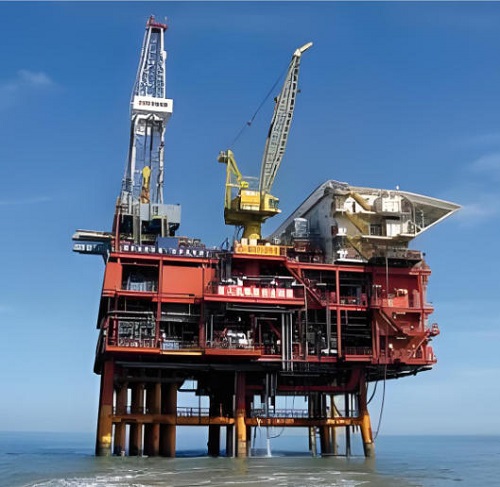
Automated wellhead devices
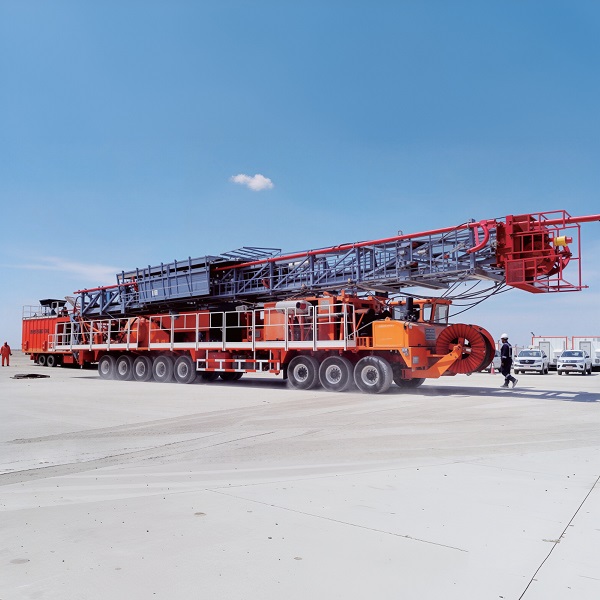
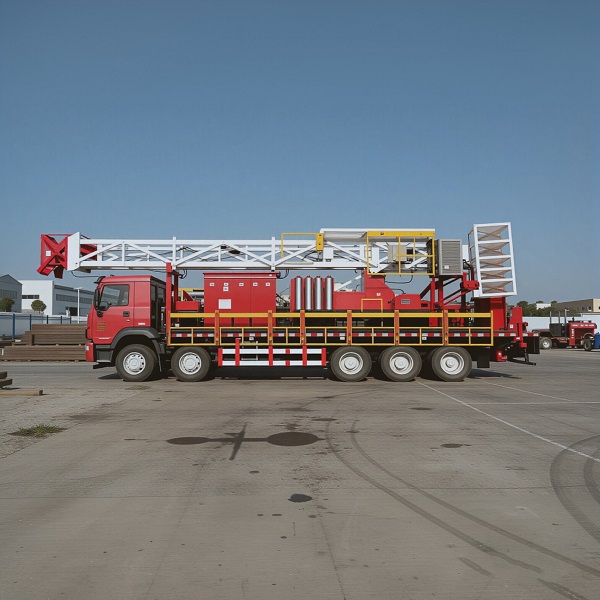
Technical Specifications – Automated Wellhead Devices
Wellhead Control Panel (WHCP) – Core Specifications
| Parameter | SJ Petro Specification |
|---|---|
| Wellhead Standards Compliance | API Spec 6A (21st Ed.), ISO 10423, NACE MR0175 |
| Safety Standards | API 14A, API RP 14B, API RP 14C, IEC 61508 / IEC 61511 |
| Safety Integrity Level (SIL) | SIL‑2 or SIL‑3 capable (IEC 61508/61511) |
| Number of Wells Controlled | Single‑well or multi‑well (up to 24 wells per master panel, expandable) |
| Control Valves | SCSSV, SSV, ESDV, wing valve, choke valve, HIPPS |
| Pressure Output Range | 0 – 30,000 PSI (0 – 207 MPa) – higher on request |
| Hydraulic Working Pressure | Up to 20,000 PSI for downhole valve control |
| Operating Temperature Range | Standard: -40°C to +60°C; Arctic: -45°C |
| Enclosure Protection Rating | IP65 / IP66 minimum (dust‑tight, water‑tight) |
| Enclosure Material | 304SS or 316SS stainless steel |
| Explosion‑Proof Rating | Exd II BT4 (Zone 1/2), higher on request |
| Fusible Plug Temperature | 160°F (71°C) to 281°F (138°C) – field configurable |
| Controller Type | Industrial‑grade RTU with integrated PLC functions, 32‑bit, real‑time OS |
| I/O Capacity | Configurable up to 64 analog inputs, 128 digital inputs, 64 digital outputs |
| Sampling Rate | Up to 10 points/second |
| Data Historian | Embedded, 1‑year archive (expandable) |
| Local HMI | 7″ – 15″ sunlight‑readable touchscreen, physical ESD buttons |
| Supported Protocols | Modbus RTU/TCP/IP, DNP3, IEC 60870‑5‑104, OPC UA, MQTT |
| Physical Communication | 4G/5G cellular, satellite (Iridium, Inmarsat), fibre, radio, Ethernet |
| Power Options | Grid (110/220 VAC + battery), solar (<50 W + battery), hybrid, pneumatic |
| Well Types Supported | Oil wells, gas wells, injection wells, water disposal wells, geothermal wells |
| Certifications | API Q1, API 6A, API 16C, ISO 9001, CE, ATEX, IECEx |
Applications – Where Our Automated Wellhead Devices Are Used
-
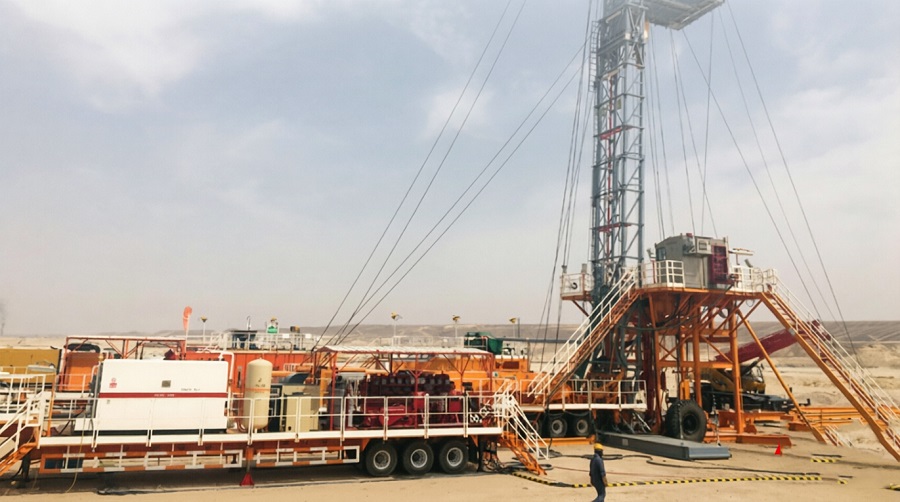
Onshore conventional oil & gas fields – replace manual wellhead checks with remote real‑time monitoring, automated production data collection and immediate alarm notification.
-
Offshore production platforms – reduce personnel exposure in hazardous areas, manage wellhead safety shutdown systems and integrate with platform DCS.
-
Unconventional (shale / tight) fields – monitor and control dozens of wells from a central pad equipment building, reduce truck rolls and optimise production through automated intermittent well control.
-
High‑pressure, high‑temperature (HPHT) wells – API 6A components rated to 20,000 PSI, SIL‑rated ESD logic, sensors up to 250°F (121°C).
-
Remote & unmanned well sites – solar‑powered WHCP with cellular or satellite communication, autonomous ESD, low maintenance and 5–10 days battery autonomy.
-
Enhanced oil recovery (EOR) / injection wells – remote adjustment of injection rates based on reservoir response, real‑time pressure monitoring to avoid formation damage.
-
Abandoned well monitoring – low‑cost solar WHCP with pressure and gas detection meets regulatory surveillance requirements without routine site visits.
-
Artificial islands and cluster well pads – master‑local system reduces panel count; each well operates independently; fast expansion without replacing the entire system.
Product Types – Automated Wellhead Devices Configurations
1. Single‑Well Standalone WHCP (Basic Safety)
Best for: Remote exploration wells, small production wells, locations without communication infrastructure. Local ESD, manual control and data logging. Communication ports are fitted for easy future upgrade.
2. Single‑Well WHCP with Remote Monitoring (SCADA Ready)
Best for: Wells where production data needs to be viewed from a central office, but remote control is not yet required. Includes cellular (4G/5G) or satellite communication interface, SCADA viewer dashboard (real‑time data, alarms, trends). View‑only mode – easily upgraded to full control.
3. Single‑Well WHCP with Full Remote Operation & Control
Best for: Wells where remote shutdown, valve operation and setpoint adjustments are required from a central control room. Includes secure remote access (VPN), full two‑way control capability, authorised remote valve operation, remote setpoint changes, user authentication and audit logging.
4. Multi‑Well Master‑Local WHCP System (Cluster Pad)
Best for: Multi‑well pads, artificial islands and offshore platforms. One master panel controls up to 24 wells, with remote I/O termination boxes at each wellhead via hardened digital links (Ethernet, fibre optic or RS‑485). Each well functions independently – maintenance on one well does not affect the others.
5. Full‑Field SCADA System with Distributed WHCPs
Best for: Oil and gas fields with dozens or hundreds of wells scattered over wide geographic areas. Each WHCP operates autonomously when communication is lost. All WHCPs report to a central SCADA server (on‑premises or cloud) via cellular, satellite, radio or fibre.
6. Offshore / HPHT Automated Wellhead System
Best for: Offshore platforms, deep gas wells, HPHT fields requiring remote ESD and SIL‑rated safety logic. Includes API 6A pressure‑class components, sensors rated up to 250°F, explosion‑proof hazardous area enclosure (Zone 1/2), dual power supplies, dual communication paths, triple‑redundant safety logic (SIL‑3 option) and DNV/ABS certification available.
7. Arctic‑Rated Wellhead Automation System (Cold Climate)
Best for: Siberia, Northern Canada, Alaska. Extended operating temperature range to -45°C, heated enclosures (electric heat tracing), low‑temperature hydraulic fluids and seals (pour point below -55°C), battery heaters, insulated wiring and weather‑proofed connectors. Proven in Russia.
8. Solar‑Powered Wellhead Automation System (Off‑Grid)
Best for: Remote wells without utility grid access, unmanned locations, low‑carbon footprint operations. Includes low‑power components (<50 W typical consumption), solar array sized for local insolation, deep‑cycle battery bank with 5–10 days autonomy and full ESD and data logging functionality.
Why Choose SJ Petro for Automated Wellhead Devices?
Because automated wellhead devices are not an off‑the‑shelf product. They are an engineered system that must work in your specific wells, with your specific crew, on your specific timeline. You need a manufacturer who designs, builds, certifies and supports every component – and who has the OEM credentials to back every claim.
| Your Challenge | SJ Petro’s Answer |
|---|---|
| "I need API certification for an international tender.” | Full API 6A, 4F, 7K, 8C, 16C compliance. API monogram available. |
| "I have 24 wells on a pad and want one control room.” | Master‑local system. One master panel controls up to 24 wells, remote I/O boxes at each well. Each well independent. |
| "My wells are scattered with no grid power and no cellular signal.” | Solar‑powered WHCP + satellite communication. 5–10 days battery autonomy. |
| "I need to integrate with my existing Emerson SCADA.” | We support Modbus TCP/IP, OPC UA, DNP3, MQTT. |
| *"I operate in -45°C winters. Standard equipment freezes.”* | Arctic package – heated enclosures, low‑temp hydraulics, battery heaters. Proven in Russia. |
| "I need a SIL‑2 rated ESD for my offshore platform.” | IEC 61508/61511 certified SIL‑2 (or SIL‑3) rated logic solvers, sensors and actuators. Full SIL assessment documentation. |
More reasons to trust SJ Petro:
-
Sinopec Group heritage – 80+ years of oilfield equipment engineering, founded in 1941
-
API monogram authorised – API 4F, 7K, 8C, 6A and 16C products
-
In‑house manufacturing – we design, fabricate and test our own WHCPs, RTU/PLC systems and API‑certified wellhead components
-
Global track record – automated wellhead devices delivered to Central Asia, Russia, Middle East, South America, Africa and Southeast Asia
-
Full documentation – material test reports (EN 10204 3.1), hydrostatic certificates, NDT reports, API data sheets, as‑built drawings
-
Flexible commercial terms – milestone payments (30/40/30), operating leases and direct financing available for qualified buyers
Frequently Asked Questions (FAQ) – Automated Wellhead Devices
Q1: What are automated wellhead devices?
A: Automated wellhead devices are integrated systems that control, monitor and safeguard a well. They consist of a wellhead control panel (WHCP) with a PLC or RTU, sensors and actuators, and optional SCADA remote monitoring software. The system continuously measures parameters such as pressure, temperature and flow, automatically shuts in the well if setpoint limits are exceeded, and reports real‑time data and alarms to a central control room.
Q2: What is a wellhead control panel (WHCP)?
A: A WHCP is the local hardware unit installed near the well. It houses the control logic processor (PLC or RTU), power supplies, operator interface, emergency shutdown (ESD) buttons and valve control solenoids. It serves as the "brain” of the wellhead automation system, executing safety shutdown logic and communicating with remote SCADA servers.
Q3: What is the difference between ESD and PSD?
A: ESD (Emergency Shutdown) is triggered by well‑level conditions such as high/low pressure, high temperature, fire detection or manual ESD pushbutton. It shuts down the entire well. PSD (Process Shutdown) is triggered by facility‑level conditions, such as separator high level or flare flame failure. Our automation system includes both with clear prioritisation.
Q4: What API standards govern automated wellhead devices?
A: API Spec 6A (21st Edition) governs the wellhead valves, chokes, flanges and Christmas trees. API 14A and API RP 14B cover downhole safety valves and subsurface safety valve systems. API RP 14C provides the framework for safety analysis, design and testing of offshore production platform safety systems.
Q5: What is SIL rating, and why does it matter?
A: SIL (Safety Integrity Level) is defined by IEC 61508 and IEC 61511 standards. SIL‑2 provides moderate protection; SIL‑3 provides high‑confidence safety for applications where the risk of failure must be extremely low. For wellhead ESD, SIL‑2 or SIL‑3 rated components ensure that the safety function will perform reliably even when a fault occurs.
Q6: Can the WHCP be retrofitted to an existing well?
A: Yes. Our WHCPs are designed for retrofit applications. We can interface with existing API‑flanged valves and add actuator kits (hydraulic, pneumatic or electric) to automate manual valves without replacing the wellhead.
Q7: What communication options are available for remote monitoring?
A: We support Modbus RTU (RS‑232/RS‑485), Modbus TCP/IP, DNP3, IEC 60870‑5‑104, OPC UA and MQTT. Physical communication can be via 4G/5G cellular, satellite (Iridium, Inmarsat), fibre optic, licensed/unlicensed radio or direct Ethernet.
Q8: Can the WHCP operate without grid power?
A: Yes. For off‑grid sites, we supply a solar‑charging battery system sized for the well’s power requirements, with enough battery capacity for 5–10 days of autonomous operation during poor solar conditions.
Q9: What is the expected lifespan of an automated wellhead system?
A: With proper maintenance (periodic battery replacement, actuator service, software updates), our system is designed for a 10‑ to 15‑year operational life – API 6A wellhead components often exceed 20 years.
Q10: What is the warranty on automated wellhead devices?
A: 12 months after commissioning or 18 months after shipment – whichever occurs first. Covers manufacturing defects on all components. Extended warranty (up to 5 years) available.
Q11: What is the lead time for automated wellhead devices?
A: Standard lead times:
-
Single‑well WHCP (standard): 6–8 weeks
-
Multi‑well master‑local system (up to 6 wells): 10–12 weeks
-
Full‑field SCADA system (20+ wells): 14–20 weeks
-
Solar‑powered, arctic or offshore packages: add 4–6 weeks
Q12: Do you provide operator training for automated wellhead devices?
A: Yes. For every system purchase, we include 2–5 days of on‑site training covering WHCP local operations, SCADA usage, alarm handling, ESD testing and basic maintenance. Digital manuals, video tutorials and remote support are also provided.
Q13: Do you supply downhole safety valves (SCSSV) as part of the system?
A: Yes. Through our subsidiary SJS Ltd. and extensive supply network, we provide API 14A certified downhole safety valves (SCSSV) fully compatible with our WHCP control logic and ESD architecture.
Q14: Can I see an automated wellhead system in operation before purchasing?
A: Yes. We welcome customer visits to our factory in Jingzhou, China, and can arrange visits to active field sites in Central Asia, Russia, the Middle East, South America, Africa or Southeast Asia.
Q15: How do I get a firm price quote for automated wellhead devices?
A: Contact our technical sales team with:
-
Number of wells and well types (oil, gas, injection)
-
Maximum wellhead pressure and temperature
-
Power source availability (grid, solar, none)
-
Communication preference (cellular, satellite, radio, fibre)
-
Any special requirements (arctic, offshore, HPHT, SIL rating, API monogram)
We will respond within 48 hours with a line‑itemed quote, lead time and recommended system configuration.