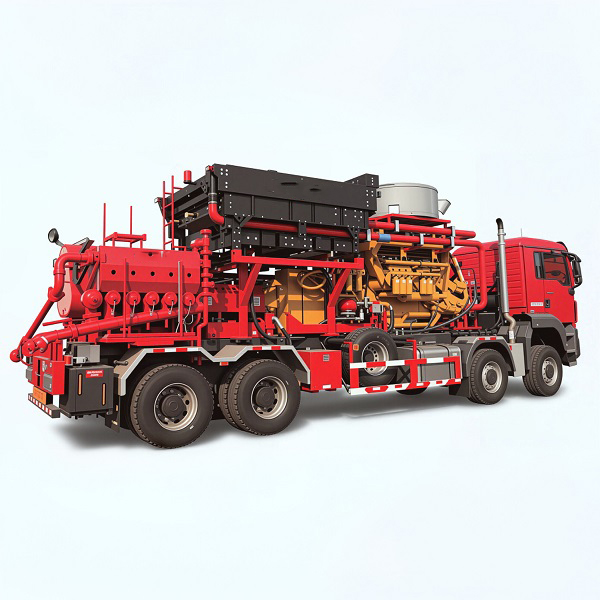
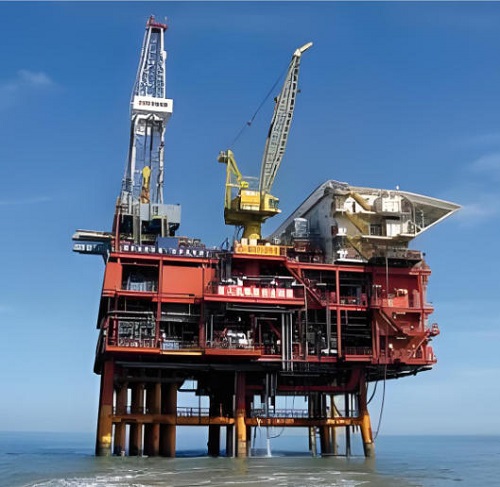
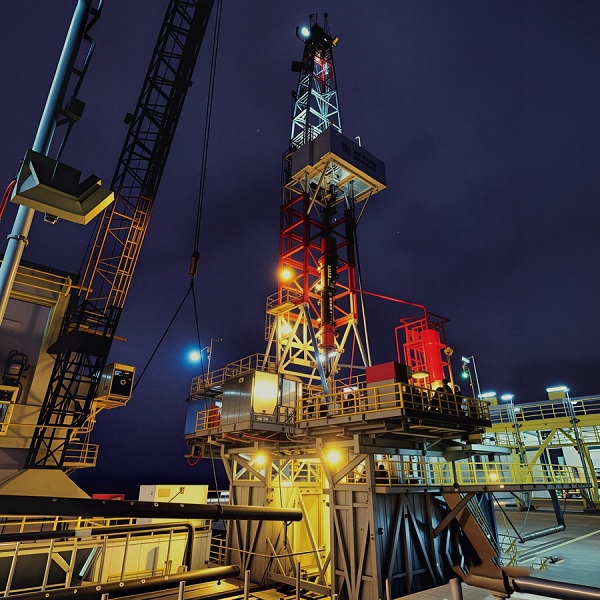
Automated drilling rig system
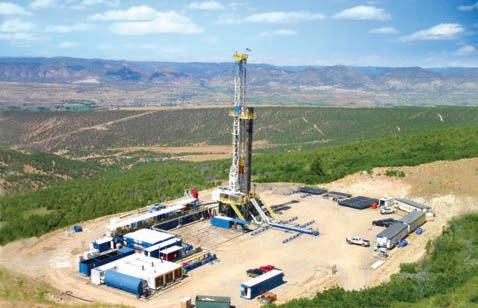
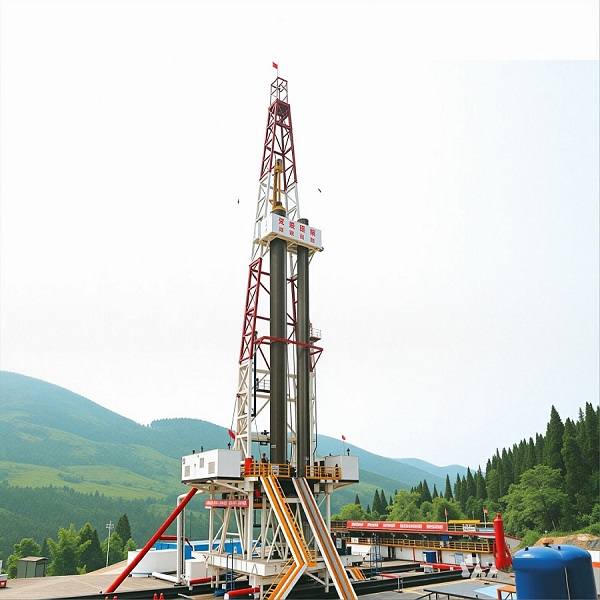
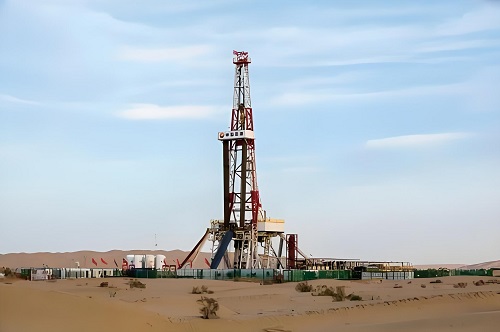
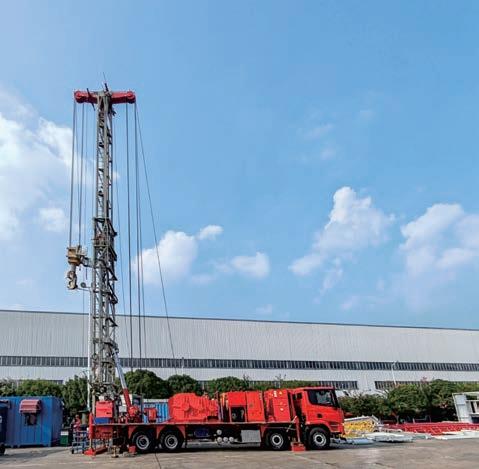
Technical Specifications – Automated Drilling Rig System (Representative, Land Rig Version)
| Parameter | Specification |
|---|---|
| Drilling depth capacity | 3,000 – 9,000 m (model dependent) |
| Drawworks | AC VFD, 1,000 – 3,000 HP, auto driller integrated |
| Auto driller modes | WOB, ROP, Standpipe pressure, Torque (selectable / blended) |
| Soft torque | Yes – active stick‑slip mitigation software |
| Top drive | 250 – 750 t AC VFD, integrated spinner & torque control, remote HMI interface |
| Top drive extender (reach) | Extended over mousehole for offline stand building |
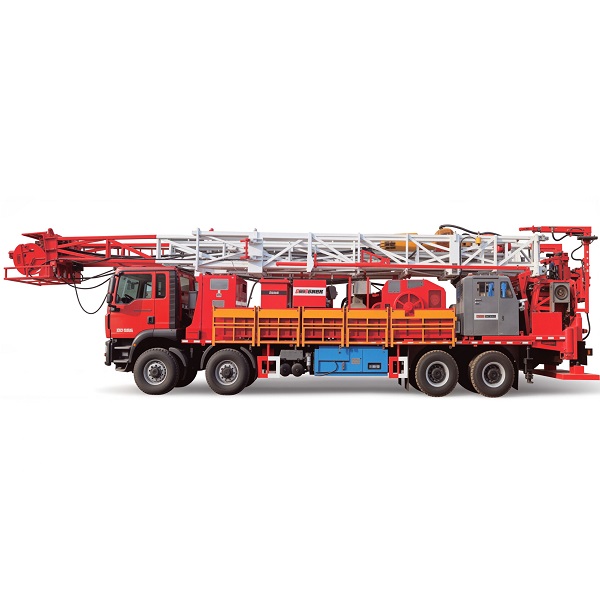
| Pipe handling | Horizontal catwalk + triple racking system + iron roughneck |
| Tubular handling capacity | Up to 20″ OD, fully autonomous, hands‑free |
| Pipe racking | Composite monkey‑board racking arm, electric axes + hydraulic gripper |
| Floor wrench | Automated, PLC remote, hands‑free makeup / breakout, torque range 0‑50,000 Nm |
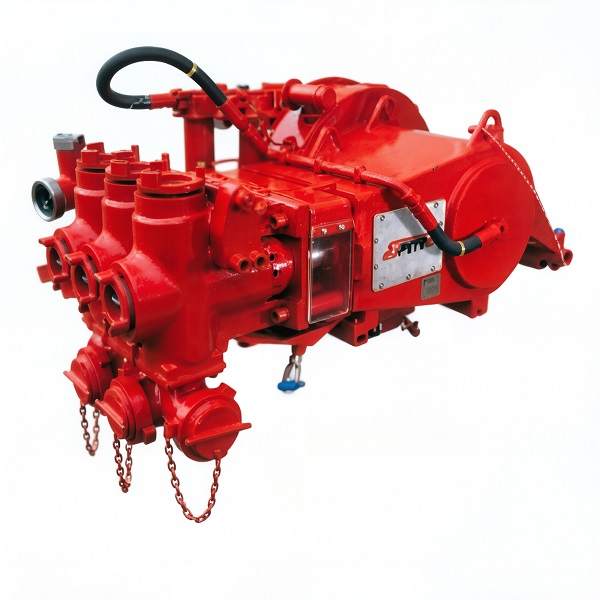
| Mud pumps | Triplex / quintuplex, 1,000 – 2,200 HP, closed‑loop density/viscosity control |
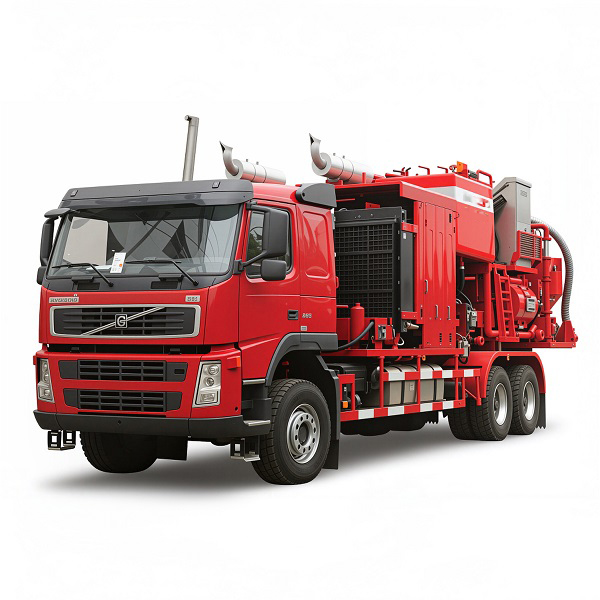
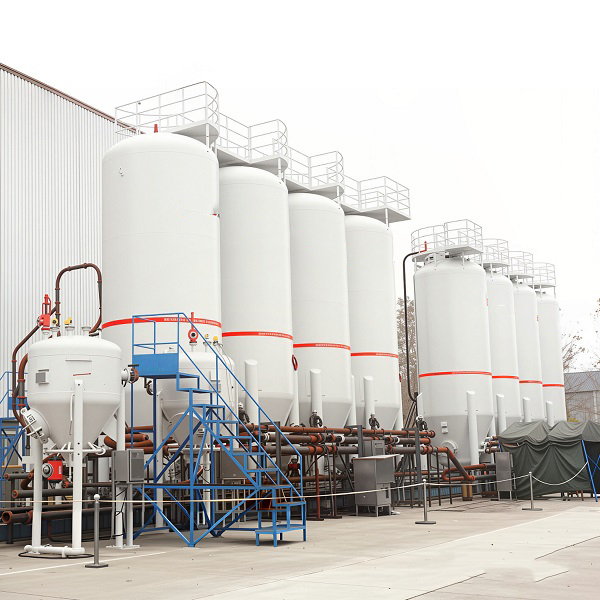
| Cementing / mixing | Automated density and additive mixing |
| Solids control | Automated shaker, centrifuge, tank monitoring |
| MPD integration | Single‑choke automated MPD module, integrated influx detection |
| Well control automation | Sequence‑managed BOP closure, annular pressure control interlock |
| Data acquisition | 100+ sensor inputs, logging 1‑10 Hz, edge processing |
| Digital twin | Real‑time equipment modeling, predictive diagnostics |
| Remote access | On‑shore control room connectivity, secure VPN |
| Control architecture | Dual‑driller ring network, distributed PLCs + safety PLC |
| Operator interface | Touchscreen HMI + joystick + discrete controls |
| Safety interlocks | SIL 2 certified ESD, BOP/top drive/catwalk /rack interlock |
| Certifications | API 4F, 7K, 8C; ISO 13849 PLr = d; IEC 61508 SIL 2 |
| Warranty | 18 months from shipment or 12 months from commissioning |
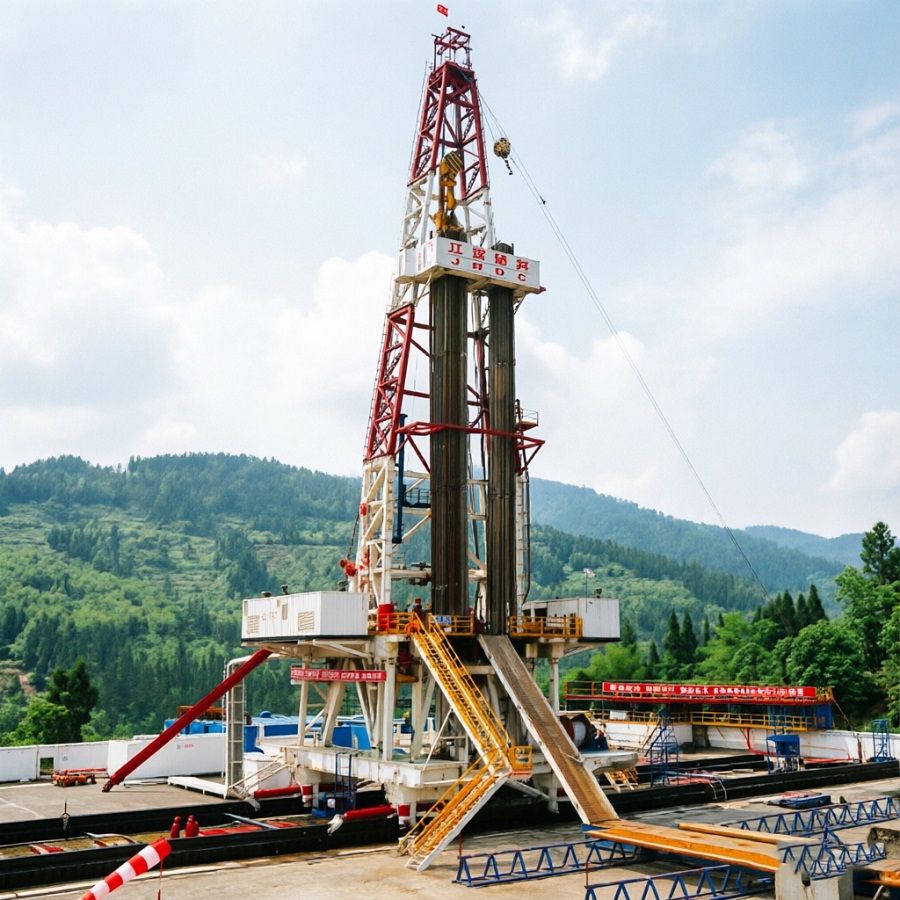
Product Types – Automated System Configurations
| Configuration | Automation Level | Core Components | Best For |
|---|---|---|---|
| Auto Driller Basic | Level 1 – Standalone closed‑loop WOB/ROP control | Auto driller module only | Small land rigs, initial step into automation |
| Integrated Drilling Control | Level 2 – Auto driller + soft torque + top drive integration + basic data acq | Full HMI, VFD coordination | Mid‑size land rigs, conventional fields |
| Full Rig Floor Automation | Level 3 – All of the above + robotic pipe handling + iron roughneck + remote monitoring | Catwalk + racking arm + automated floor wrench + remote support | High‑activity land rigs, shale pads, HSE‑critical |
| Digital Twin + MPD + Automated Well Control | Level 4 – Closed‑loop MPD, automated influx detection, digital twin, predictive maintenance | Add MPD choke, influx detection, digital twin model, fleet supervision | Offshore platforms, deep gas, HPHT wells |
| Remote + Autonomous Stand Building | Level 5 – Offline stand building, autonomous sequences, on‑shore remote supervision | Automated simultaneous stand building while drilling, internet‑based supervisory | Multi‑rig fleet operators, 24/7 remote support |
All configurations are retrofit‑capable onto existing AC VFD rigs. Our team works with you to match the level of automation to your crew's skill set and operational requirements – no over‑spec, no under‑power.
Applications – Where Automated Drilling Delivers Maximum ROI
| Application | Why Automation | Estimated Impact |
|---|---|---|
| Shale gas / tight oil pad drilling | Hundreds of repetitive connections; uniform tripping cycles ideal for programmed sequences. Offline stand building runs while drilling continues. | 30‑40% reduction in connection time; 15‑25% increase in drilling hours per day |
| Deep / HPHT wells | Narrow pressure windows demand real‑time MPD integration and closed‑loop automation. Human reaction insufficient for managing high‑frequency fluctuations. | 40‑60% reduction in influx events; 20% lower NPT |
| Offshore platform & jack‑up drilling | High daily rig cost (>﹩200,000/day). Automation reduces crew size, shortens connection time, and compresses well duration. | 15‑30% reduction in total well days; ROI within 6‑12 months |
| Multi‑rig fleet / contractor operations | Remote supervision centralizes expertise. One drilling optimization engineer supports multiple rigs from an on‑shore office. | 10‑15% reduction in well‑to‑well variability; standardized performance across fleet |
| HSE‑critical formations | Automated systems remove crew from the red zone, eliminate manual handling of heavy tubulars, and enforce interlocked sequences. | Red‑zone exposure reduced >75%; tubular handling accidents essentially eliminated |
| Desert / remote area drilling | Limited access to skilled local labor. Automation compensates for workforce shortages. | Consistent performance independent of crew experience |
Real‑world validation: A drilling automation system deployed in mature fields was reported to automate 97% of on‑bottom operations, while reducing pre‑connection and post‑connection times by 59% and 53% respectively. Another field trial documented a 12% improvement in connection time, 15% reduction in rig‑up and rig‑down time, and 12% decrease in CO₂ emissions.
Why Choose SJ Petro for Your Automated Drilling Rig System?
1. We Deliver True System Integration – Not a Patchwork of Suppliers
Other vendors sell you a top drive from one source, a pipe racking system from another and an MPD package from a third – and then hand you a tangle of incompatibilities. We engineer the entire stack in‑house. From the auto driller algorithm to the robotic gripper to the digital twin dashboard, every component is designed to work as a single system. One engineering team. One set of drawings. One point of accountability.
2. Field‑Proven Under Sinopec – The World's Largest Operator
Sinopec Group drills thousands of wells per year across China’s most challenging basins – the Sichuan deep gas, the Tarim ultra‑deep, the Bohai Bay offshore platforms and the tight shale pads of Chongqing. Our automated drilling system has been refined using real field data from these campaigns. It is not a lab project; it is proven technology.
An automated drilling rig system specifically developed for a 7,000 m offshore fixed platform has already been field‑applied, achieving automated pipe transport, basic unmanned operation on the drill floor and monkey‑board areas, and centralized comfortable operation for crews.
3. Backward Compatibility – You Don't Need a New Rig
Automated rig systems are not exclusive to new‑build rigs. Our automation modules – auto driller, soft torque, robotic pipe handlers and MPD integration – are designed for retrofit onto existing AC VFD rigs. We have automated rigs manufactured in the 1990s. The only precondition is an AC VFD drive system. If your rig is AC‑powered, we can upgrade it systematically, component by component.
4. API‑Certified, Third‑Party Inspection Ready
All components of the automated system are designed and manufactured to API 4F (masts and substructures), API 7K (drawworks), API 8C (top drive) and API Q1 (quality management). The control system complies with ISO 13849 PLr = d and IEC 61508 SIL 2 for functional safety. Third‑party inspection by ABS, DNV, BV or SGS can be present at any stage of fabrication and commissioning.
5. Flexible Commercial Models – Own, Lease or Automate Gradually
| Option | Description |
|---|---|
| Full system purchase | Complete automated system integrated into new rig or retrofit |
| Modular purchase | Purchase automation modules incrementally – auto driller first, soft torque next, pipe handling later |
| Operating lease | 12‑60 months, maintenance included |
| Automation‑as‑a‑Service | Pay per hour of automated operation (minimum volume) |
6. Global Service & Remote Support
-
24/7 remote diagnostics – Our support center can log into the control system (with your permission) to troubleshoot alarms, adjust MPD setpoints or review event logs.
-
Regional parts hubs – Dubai, Houston and Singapore stock automation‑specific spares: VFD modules, touchscreen HMIs, robotic gripper pads and sensor kits.
-
On‑site commissioning & training – Included with every system.
FAQ – Automated Drilling Rig System
Q1: What level of automation does your system support – is it truly "autonomous” or just "remote controlled”?
A: The industry distinguishes levels of autonomy from Level 1 (some automated functions) to Level 5 (fully autonomous, no human intervention). Our system ranges from Level 2–3 as standard, enabling closed‑loop auto drilling, robotic pipe handling and automated tripping while a supervisor remains at the HMI. Higher levels (Level 4–5) can be configured for specific applications, including hands‑free stand building and autonomous tripping cycles requiring only a supervisor to handle exceptions. Full "lights‑out” drilling (Level 5) is achievable for pad drilling and some offshore applications where the operational plan is fully deterministic.
Q2: How long does it take to retrofit an existing rig with the automation system?
A: A full‑system retrofit – auto driller, soft torque, robotic pipe handling and MPD integration – typically takes 8‑12 weeks of site work, including removal of legacy controls, installation of new PLCs, wiring of additional sensors and commissioning. For a minimal level 2 upgrade (auto driller + soft torque + basic data acquisition), site work is 2‑3 weeks. We perform upgrades during planned maintenance windows or between wells.
Q3: Does the system require my crew to be software engineers?
A: No. The system is designed for drillers, not programmers. The HMI uses the same icons, colors and workflow patterns that experienced floor hands already recognize. Pre‑programmed sequences – "auto trip in,” "auto stand build,” "auto connection” – are selected from the touchscreen. The automation includes integrated playbooks and checklists. For technical support, our remote team can adjust parameters and tune loops without requiring in‑house expertise.
Q4: What happens when a sensor fails – does the entire system stop?
A: Sensors are redundant for critical control loops (hook load, block position, pump pressure, pit volume). If one sensor fails, the system automatically switches to the secondary sensor and alerts the driller. Non‑critical sensor failure inhibits only the specific automated function that depends on it; manual operation remains available for that function while the sensor is replaced.
Q5: Is the automated system compatible with third‑party equipment – my top drive is from another manufacturer?
A: The system is designed to integrate with most major third‑party components via standard fieldbus protocols (Modbus TCP, Profinet, EtherNet/IP). We have successfully integrated with top drives from NOV, Canrig, Tesco and Cameron; mud pumps from Gardner Denver, NOV and others; and iron roughnecks from Canrig, Weatherford and Drillmec. A site survey determines the exact integration points.
Q6: Can the system be operated remotely from an on‑shore office?
A: Yes. The system supports secure remote access with role‑based permissions (view‑only, parameter‑adjust, full operator). Remote engineers can monitor real‑time drilling, adjust auto driller setpoints and view digital twin status. Safety‑critical functions (ESD, BOP control) remain hardwired and cannot be overridden remotely. The remote access layer meets typical oil and gas cybersecurity requirements (VPN + multi‑factor authentication).
Q7: What is the typical return on investment for the automation system?
A: Based on field data from multiple operators, the automation system typically achieves payback within 8‑18 months, driven by:
-
Non‑productive time reduction – 20‑35% fewer connection delays and equipment issue‑related stops
-
Crew reduction – Pipe handling and tripping can be performed with 2‑3 fewer floor hands per shift (3 shifts = 6‑9 fewer personnel)
-
Bit and downhole tool savings – Softer torque reduces bit dull grading and extends tool life by 30‑50%
-
Reduced well duration – 10‑20% shorter days per well
For a 3,500 m well on a mid‑size land rig, documented savings exceed ﹩250,000 per well from automation alone.
Q8: Do you offer training for the automated system?
A: Yes. Every system includes:
-
3‑week training program – 1 week classroom (system overview, safety, maintenance), 1 week hands‑on in a simulated environment, 1 week supervised drilling with your crew on site
-
Digital twin simulation – Your crew can practice automated sequences offline without risk to equipment
-
Laminated quick‑reference charts for each automated sequence
-
Ongoing refresher training available remotely