Product Types
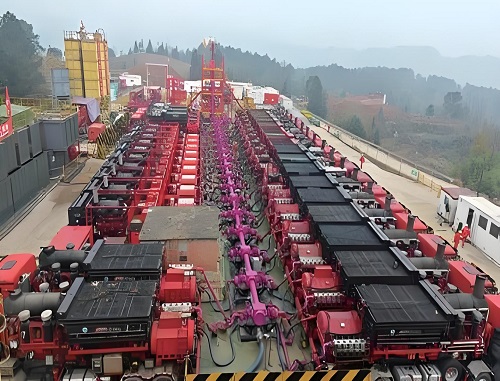
We offer two primary configurations for the 25,000 HP all‑electric marine frac unit.
|
Configuration
|
Total Power
|
Number of Pump Modules
|
Application
|
|
Full 25,000 HP Fleet (6 modules)
|
25,000 HP (5× 5,000 HP pumps + 1 standby)
|
6 pumping containers (one spare)
|
Large‑scale platform fracturing, stimulation vessels, high‑rate jobs
|
|
Scalable (2–5 modules)
|
10,000 – 20,000 HP
|
User selects number of pumps
|
Smaller platforms, workover vessels, budget‑constrained projects (expand later)
|
Both configurations use the same modular containers. You start with 2 modules (10,000 HP) and add modules over time as your power capacity and well demands grow – no obsolescence.
For floating vessels (ships, semisubmersibles), we provide an active heave compensation option on the pump discharge to maintain constant rate despite vessel motion.
Technical Specifications (Full 25,000 HP Fleet)
|
Parameter
|
Specification
|
|
Total Installed Power
|
25,000 HP (18,650 kW) – continuous duty
|
|
Number of Pump Modules
|
5 active + 1 standby (6 total)
|
|
Single Pump Power
|
5,000 HP (3,730 kW) – permanent magnet AC motor
|
|
Pump Type
|
Quintuplex (5 plungers), horizontal, direct drive
|
|
Maximum Pressure (Continuous)
|
15,000 psi (104 MPa) – 20,000 psi intermittent
|
|
Maximum Flow Rate (Fleet)
|
120 BPM (19,000 L/min) @ 10,000 psi / 80 BPM @ 15,000 psi
|
|
Plunger Size (per pump)
|
4.0″ (101.6 mm) – interchangeable with 3.5″, 4.5″
|
|
Fluid End Material
|
22Cr duplex (standard) / Inconel 625 (sour / seawater)
|
|
Valves & Seats
|
Tungsten carbide ball & seat
|
|
Power Supply Voltage
|
6.6 kV or 11 kV, 50/60 Hz, 3‑phase
|
|
Maximum Grid Demand
|
19 MW (includes all pumps, blender, auxiliaries)
|
|
VFD Type
|
Active front‑end, regenerative, 12‑pulse or IGBT, harmonic filtered
|
|
Motor Speed Range
|
0 – 1,800 RPM (variable)
|
|
Control System
|
PLC‑based with load sharing, remote access, data logging
|
|
Blender
|
120 BPM capacity, automatic density control (±0.1 ppg), 6 additive pumps
|
|
High‑Pressure Manifold
|
4″ or 5″ flow iron, 15,000 psi, automated valves
|
|
Module Dimensions (each pumping container)
|
6.1 m × 2.44 m × 2.9 m (20 ft ISO container)
|
|
Module Weight (pumping container)
|
12 tonnes (26,500 lbs)
|
|
Main Control Container Dimensions
|
6.1 m × 2.44 m × 2.9 m (20 ft)
|
|
Control Container Weight
|
5 tonnes (11,000 lbs)
|
|
Classification
|
ABS or DNV (product design assessment, factory survey)
|
|
Noise Level (standard, at 1 m)
|
85 dBA (open) / 75 dBA (with acoustic enclosure)
|
|
Certifications
|
ATEX Zone 2, IECEx, API 6A (manifold), API 7K (pump)
|
Application Fields
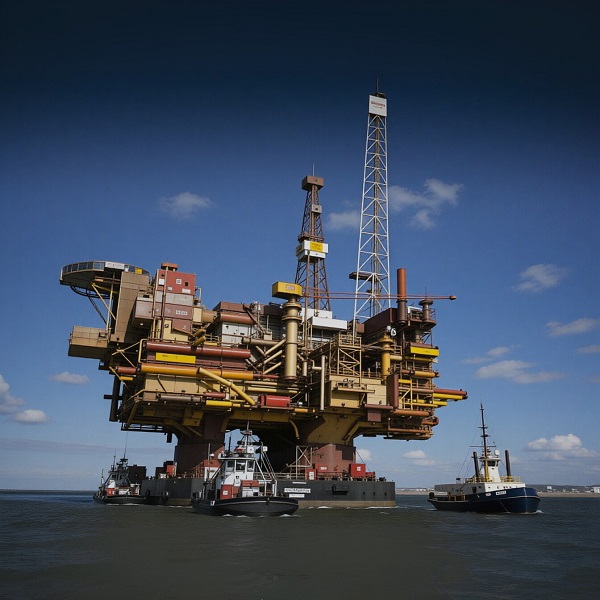
The 25,000 HP all‑electric marine frac unit is ideal for offshore environments where emissions, noise, and deck space are critical.
-
North Sea Platform Fracturing
Strict emission regulations (NOx, SOx, particulate) and high sensitivity to noise (marine mammals). Our all‑electric units eliminate diesel exhaust and reduce noise to levels that do not disturb nearby platforms or protected areas. Several operators have replaced diesel fleets with our electric units on UK and Norwegian sector platforms.
-
[Image Placeholder: All‑electric frac unit operating on a North Sea platform]
California Offshore (Pacific Coast)
The most stringent emission rules in the world. Diesel engines are heavily restricted; electric pumps powered from shore or platform gas turbines are the only viable option. Our zero‑local‑emission unit meets all California Air Resources Board (CARB) requirements.
-
Environmentally Sensitive Basins (Mediterranean, Brazil)
Near tourist areas or marine sanctuaries, diesel noise and exhaust are unacceptable. Our quiet, clean electric units allow fracturing operations without complaints or shutdowns.
-
Stimulation Vessels (Purpose‑Built Frac Ships)
We provide complete electric frac plant integration on vessels. The ship’s diesel‑electric power plant supplies energy to our pumping modules, eliminating dedicated frac engines below deck. This reduces vessel weight, increases cargo capacity, and lowers fuel consumption.
-
Remote Offshore Platforms with Gas Turbine Power
Many large platforms generate their own electricity from gas turbines (often with excess capacity). Our electric frac unit taps into that excess power, avoiding the need to bring separate diesel fuel. This is especially attractive when gas is available at low cost.
-
Hydraulic Workover & Snubbing Assist
For heavy snubbing operations requiring high‑pressure pumping (e.g., milling, pushing tools), our smaller electric pump modules provide clean, precise, high‑pressure fluid power – no exhaust near the wellhead zone.
Why Choose SJ Petroleum Machinery for All‑Electric Marine Frac?
1. First‑Mover Advantage – Proven Offshore
We have operated electric frac units offshore since 2019. The data is clear: 25–35% lower operating cost per stage than diesel, 50% fewer maintenance events, and zero environmental non‑compliances. We have the longest track record in the industry.
2. Designed for Marine Power Systems – No Modifications
Our VFDs are compatible with standard platform voltages (6.6 kV, 11 kV, 50/60 Hz) and have built‑in harmonic filters. No need to upgrade platform transformers or switchgear. We also provide load‑shedding logic to protect platform generators.
3. Lower Total Cost of Ownership
Compared to a diesel frac fleet:
-
Fuel cost – diesel vs. electricity (platform gas turbine uses produced gas – nearly free)
-
Maintenance – electric motors need bearing grease and occasional insulation tests (vs. diesel engine overhauls, injectors, turbochargers)
-
Manpower – automated, remote operation reduces crew by 40%
-
Logistics – no diesel supply vessels, no fuel transfer hoses, no spill risk
4. Modular, Scalable, Rentable
Buy 2 modules now, add more later. Rent extra modules for peak seasons. The modules are standard ISO containers – stackable, liftable, and transportable by any offshore supply vessel. No dedicated heavy‑lift required.
5. Lower Insurance & Regulatory Risk
With no diesel fuel storage on deck, you eliminate the largest fire hazard on an offshore installation. Insurance underwriters recognize this with lower premiums. Environmental agencies fast‑track permits for zero‑emission operations.
6. Global Support for Electrical Systems
We have marine electricians and VFD specialists on call in Houston, Aberdeen, Dubai, Singapore, and Jingzhou. Our remote diagnostic system can troubleshoot most issues without a site visit. Spare VFD modules and motors are kept in regional depots.
Frequently Asked Questions (FAQ)
Q1: How much platform power is needed to run the full 25,000 HP unit?
At full load (25,000 HP = 18.65 MW), plus blender and auxiliaries (0.5 MW), total about 19.2 MW. Many large platforms (e.g., those with 50+ MW gas turbine capacity) have this available. For smaller platforms, you can run a reduced number of modules (e.g., 2 modules = 10,000 HP requires ~7.5 MW). We will work with your power engineer to ensure compatibility.
Q2: Can the unit be powered from a vessel’s existing diesel‑electric plant?
Yes. Stimulation vessels often have multiple diesel generators (2–6 MW each). Our VFDs are compatible with the vessel’s switchboard. The load sharing system automatically limits power draw to avoid blackouts.
Q3: What happens if the platform loses a generator during pumping?
Our power management system detects the voltage dip and instantly reduces pump speed (load shedding). It prioritizes keeping the well under control (maintains pressure on the fracturing fluid) while shedding non‑critical pumps. The operator is alerted to stop the job or adjust rate. No sudden shutdown that could cause sand settling or screenout.
Q4: How reliable are the electric motors compared to diesel engines?
Electric motors have no combustion, no reciprocating mass beyond the rotor, no valves, no fuel system. Mean time between failures (MTBF) for our 5,000 HP motors is > 50,000 hours. Diesel engines of similar power have MTBF of 8,000–12,000 hours. You will change the motor bearings every 5–7 years; you would have overhauled a diesel engine 4–6 times in the same period.
Q5: Is the unit suitable for fracturing with high sand concentrations (up to 5 lb/gal)?
Yes – the quintuplex pumps with tungsten carbide valves and seats are identical to those used in diesel-powered frac fleets. Sand erosion is a function of fluid velocity and seat material, not the driver. Our fluid ends are proven to 1,000+ sand stages before overhaul.
Q6: How do you keep the VFDs cool in a hot offshore environment?
The VFD container has a closed‑loop air‑to‑water cooling system. Seawater (or freshwater from platform cooling system) passes through a heat exchanger. Inside air is circulated and cooled, keeping VFDs at 25–30°C. This avoids drawing in salt‑laden outside air. The system includes redundancy (dual pumps, dual heat exchangers) for offshore reliability.
Q7: Can the unit be used for other high‑pressure pumping services (acidizing, cementing, water injection)?
Absolutely. The electric drive is agnostic to the fluid. With appropriate fluid end materials (e.g., 22Cr duplex for acid, 316L for fresh water), the same pump modules serve multiple purposes. This makes the unit a versatile asset for the platform.
Q8: What is the typical lead time for a full 25,000 HP system?
18–24 months from contract to delivery. This includes design, component sourcing (long lead items: transformers, VFDs, motors), container fabrication, assembly, factory testing, and class society witness. For a smaller system (2–3 modules), 12–14 months. We maintain a rental fleet of 2‑module units (10,000 HP) for immediate deployment – contact us.
Q9: Do you provide training for platform electricians?
Yes – we provide a 2‑week training course: week 1 – classroom (VFD theory, motor maintenance, troubleshooting), week 2 – hands‑on with a full‑scale test system. After delivery, we stay on site for the first frac job to ensure your crew is confident.
Q10: How do you handle harmonic distortion that might affect other platform equipment?
Our active front‑end VFDs are designed to meet IEEE 519 (less than 5% total harmonic distortion). We also provide optional active harmonic filters for platforms with very sensitive equipment (e.g., subsea control systems). We will conduct a power quality study before installation to guarantee compatibility.
Tag: Snubbing unit | Coiled tubing unit price | Snubbing unit supplier